When can babies eat Green Beans?
From 6 months
Start with: Smooth puree or very soft whole beans.
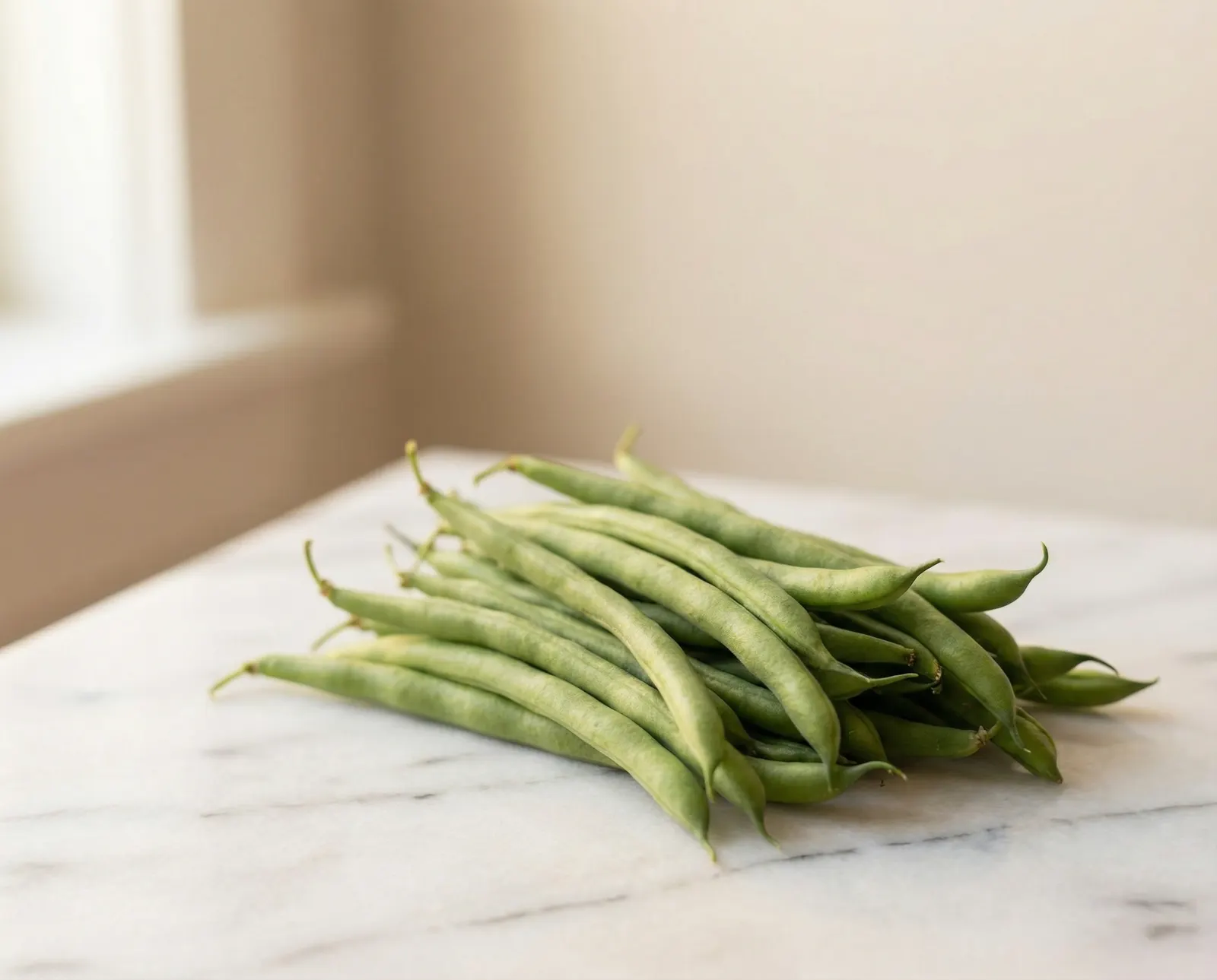
Green beans are a gentle, fiber-rich vegetable that provides essential Vitamin K for bone health and Vitamin C for immune support. They are an excellent introductory green vegetable because they are less bitter than leafy greens. For safety, they must be cooked until very tender and the fibrous strings must be removed.
How to serve Green Beans, by age
- 6mo
From 6 months: Smooth puree or very soft whole beans.
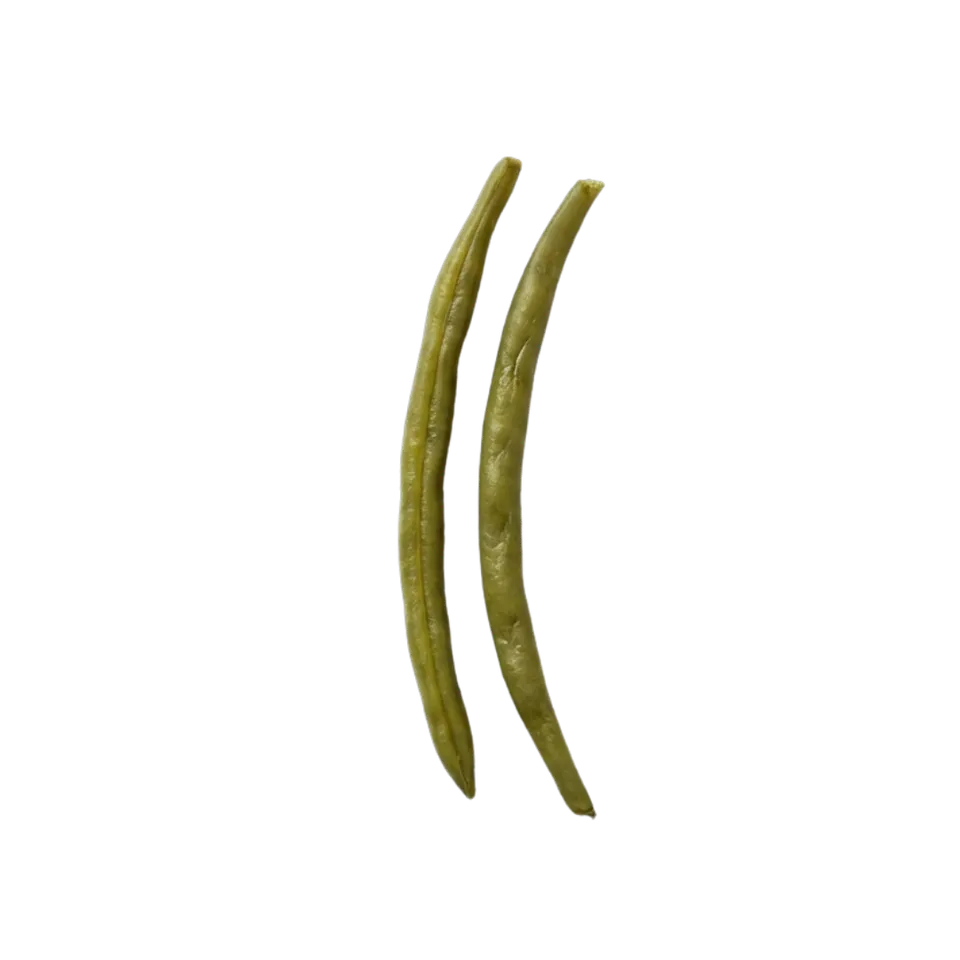
Serve as a smooth puree. Green beans can be somewhat grainy, so blending them with a little breast milk, formula, or water and then straining through a sieve ensures a velvety texture. For BLW, offer whole, soft-cooked (steamed or boiled) beans with the ends trimmed and strings removed. They should be soft enough to smash easily between your fingers.
- 9mo
From 9 months: Small, soft bite-sized pieces.
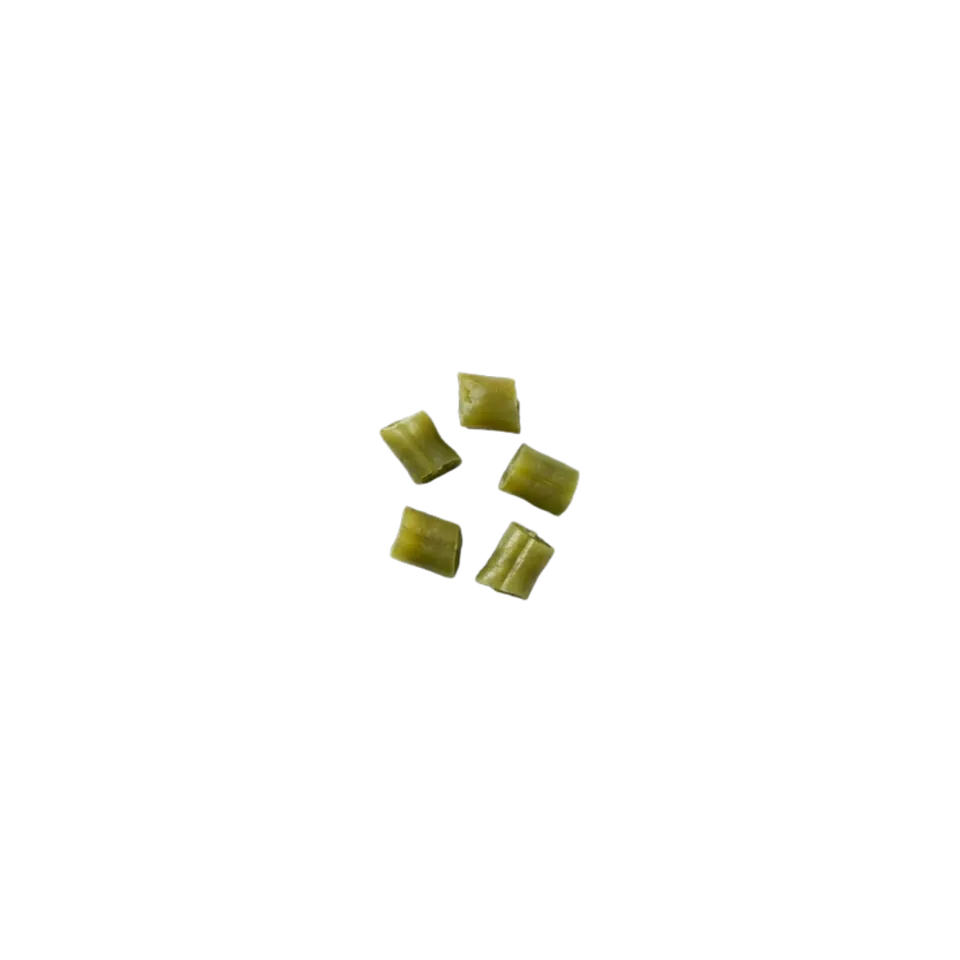
Offer bite-sized pieces of soft-cooked green beans (about 1-2 cm long). This helps your baby practice their pincer grasp. You can also mix chopped green beans into vegetable stews or omelets. Ensure they are never 'al dente'—they must be soft.
- 12mo
From 12 months: Tender whole beans or chopped pieces.
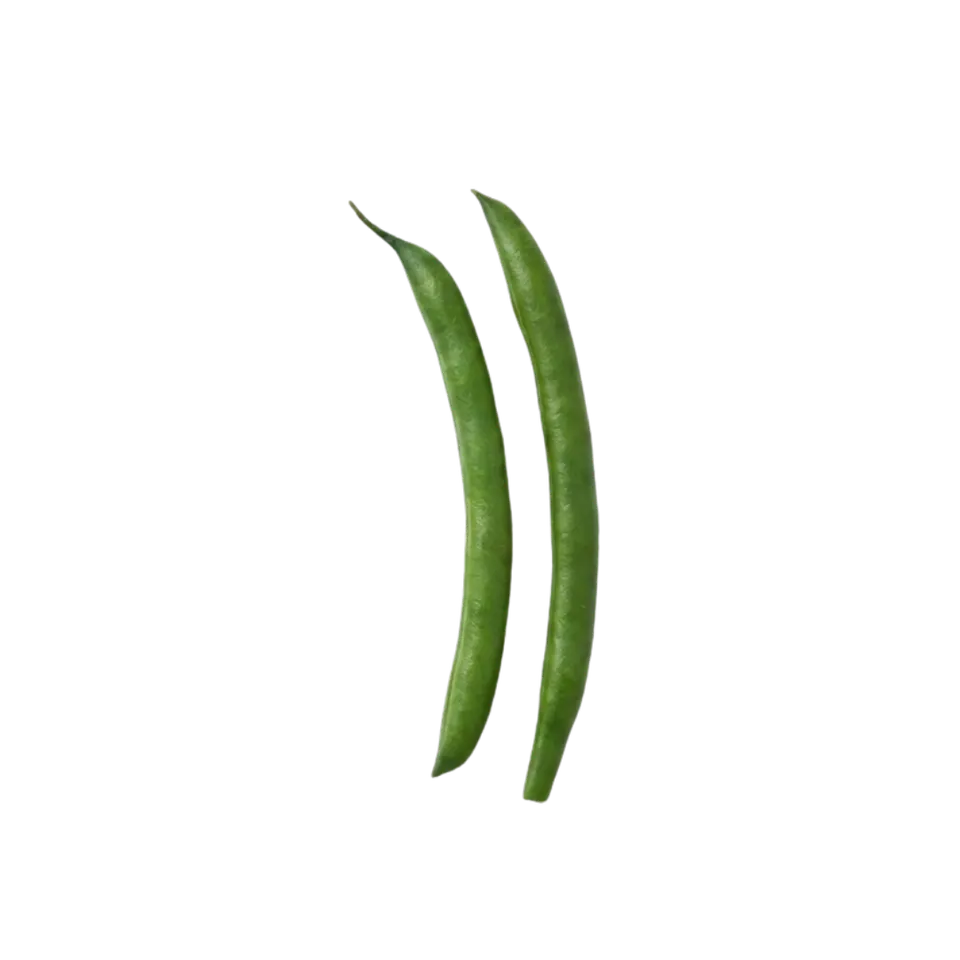
Toddlers can enjoy roasted green beans or beans sautéed in a little olive oil and garlic. While they can handle a slightly firmer texture now, ensure they are still tender enough to be easily chewed. They make a great side dish for proteins.
Choking risk & safe preparation
Moderate choking risk
Raw or undercooked green beans are hard and stringy, posing a choking risk. Always cook until tender. For younger babies, removing the fibrous string that runs down the side is essential to prevent gagging.
Allergen information
Not a common childhood allergen. Reactions are possible with any food, so introduce it on its own first.
Nutrition & benefits
An excellent source of Vitamin K, which is vital for blood clotting and bone mineralization. They also contain a good amount of folate for cell growth.
- Digestion-friendly
Per 100 g
- Energy
- 31kcal
- Protein
- 1.8g
- Fat
- 0.2g
- Fiber
- 2.7g
- Iron
- 1mg
- Vitamin C
- 12.2mg
See all nutrients (25)
Macronutrients
- Energy
- 31 kcal
- Protein
- 1.8 g
- Carbohydrates
- 7 g
- Fat
- 0.2 g
Key Minerals
- Iron
- 1 mg
- Calcium
- 37 mg
- Zinc
- 0.2 mg
- Sodium
- 6 mg
- Potassium
- 211 mg
- Magnesium
- 25 mg
- Phosphorus
- 38 mg
- Selenium
- 0.6 mcg
- Copper
- < 0.1 mg
- Manganese
- 0.2 mg
Vitamins
- Vitamin A
- 35 mcg
- Vitamin C
- 12.2 mg
- Vitamin D
- 0 mcg
- Vitamin B6
- 0.1 mg
- Vitamin B12
- 0 mcg
- Vitamin E
- 0.4 mg
- Vitamin K
- 43 mcg
- Folate
- 33 mcg
- Thiamin (B1)
- < 0.1 mg
- Choline
- 15.3 mg
Other
- Fiber
- 2.7 g
Source: USDA FoodData Central
Pairs well with
Recipes with Green Beans
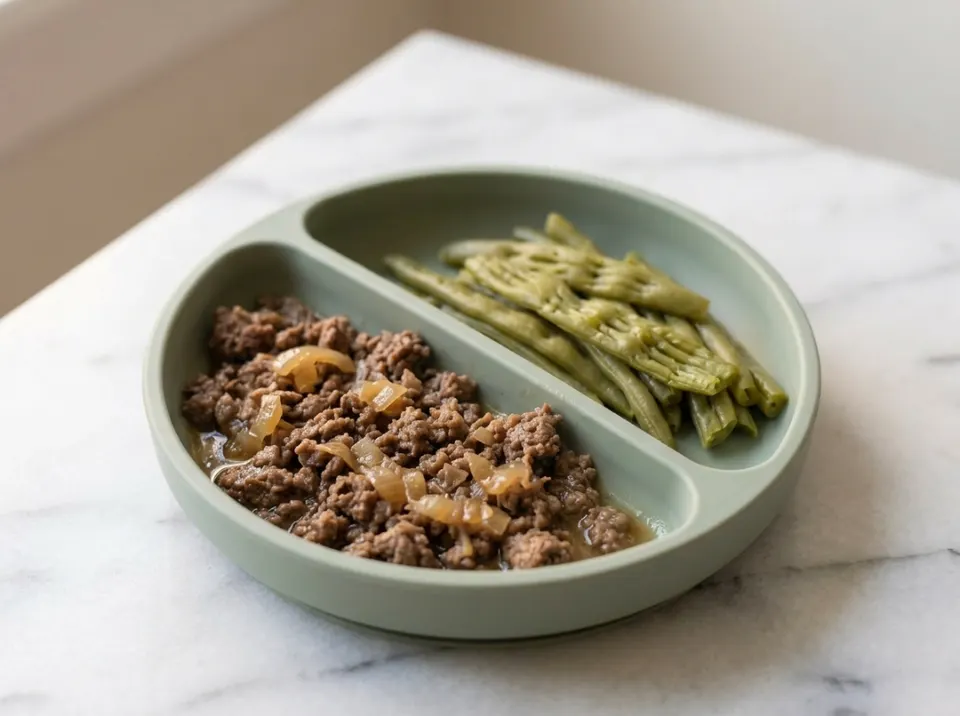
Gently Stewed Beef with Soft Green Beans and Sweet Onion
Finely crumbled beef and delicate green beans are gently simmered with sweet caramelized onions to create a soft, iron-rich meal. Perfect for 9-month-olds developing their pincer grasp with flattened green bean bites alongside moist beef crumbles.
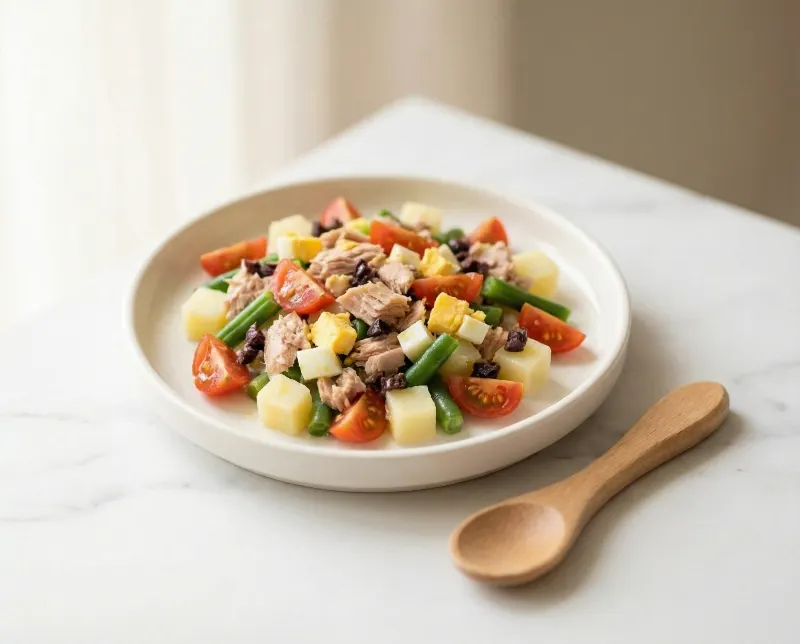
Tuna Nicoise-style Salad
A toddler-safe version of the classic French salad. Packed with protein, healthy fats, and colorful vegetables like tender green beans, potatoes, and boiled eggs.
Frequently asked
Can I use canned green beans?
Fresh or frozen are preferred. Canned green beans often have very high sodium (salt) levels, which are not good for a baby's kidneys. If you must use canned, choose 'no salt added' and rinse them thoroughly.
Do green beans cause gas?
They are generally much easier on a baby's tummy than dried beans (like kidney or pinto beans), but the fiber content can occasionally cause mild gas as the digestive system matures.

Track Green Beans in the Nica app
Log foods, track reactions, and plan meals — all in one place.

