When can babies eat Chickpea Flour?
From 6 months
Start with: Smooth puree or soft, easily gummed crepe strips.
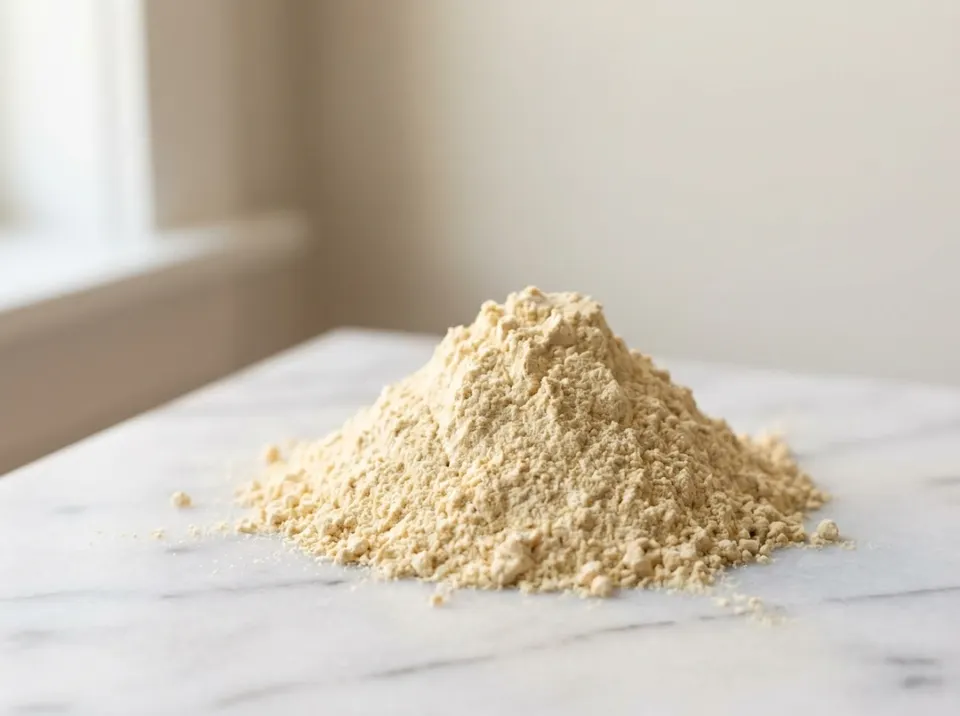
Chickpea flour, also known as besan or gram flour, is made from finely ground dried chickpeas. It is naturally gluten-free and packed with plant-based protein, iron, and folate to support your baby's rapid growth and healthy blood cells. Always cook chickpea flour thoroughly into soft savory pancakes, muffins, or porridges before offering it to your little one.
How to serve Chickpea Flour, by age
- 6mo
From 6 months: Smooth puree or soft, easily gummed crepe strips.
Whisk chickpea flour into a smooth, cooked savory porridge with breast milk, formula, or water, or bake into soft, thin savory crepes (socca) cut into adult finger-length strips.
- 9mo
From 9 months: Soft, moist bite-sized pieces that easily break down.
Cut cooked chickpea flour flatbreads, vegetable pancakes, or soft steamed dumplings into small, bite-sized squares for baby to pick up.
- 12mo
From 12 months: Tender, soft-baked pieces with slight chew.
Serve bite-sized chickpea veggie fritters, mini pancakes, or chickpea flour muffins alongside a dip like whole-milk plain yogurt.
Choking risk & safe preparation
Low choking risk
Dry chickpea flour presents an inhalation hazard if offered raw as a powder, and uncooked legume flour can cause tummy upset. Always cook chickpea flour thoroughly into soft, moist textures like crepes, vegetable fritters, or porridge. Avoid serving overly dry baked goods that can turn pasty and cling to the roof of baby's mouth.
Allergen information
Not a common childhood allergen. Reactions are possible with any food, so introduce it on its own first.
Nutrition & benefits
Chickpea flour is a powerhouse of iron and folate, essential for red blood cell production and brain development. It also delivers substantial plant protein and zinc to build strong muscles and support immune defense.
- Iron Rich
- High Protein
- Digestion-friendly
- Muscle Growth
- Energy Booster
Per 100 g
- Energy
- 387kcal
- Protein
- 22.4g
- Fat
- 6.7g
- Fiber
- 10.8g
- Iron
- 4.9mg
See all nutrients (22)
Macronutrients
- Energy
- 387 kcal
- Protein
- 22.4 g
- Carbohydrates
- 57.8 g
- Fat
- 6.7 g
Key Minerals
- Iron
- 4.9 mg
- Calcium
- 45 mg
- Zinc
- 2.8 mg
- Sodium
- 64 mg
- Potassium
- 846 mg
- Magnesium
- 166 mg
- Phosphorus
- 318 mg
- Selenium
- 8.3 mcg
- Copper
- 0.9 mg
- Manganese
- 1.6 mg
Vitamins
- Vitamin A
- 1 mcg
- Vitamin B6
- 0.5 mg
- Vitamin E
- 0.8 mg
- Vitamin K
- 9.1 mcg
- Folate
- 437 mcg
- Thiamin (B1)
- 0.5 mg
- Choline
- 99.3 mg
Other
- Fiber
- 10.8 g
Source: USDA FoodData Central
Pairs well with
Recipes with Chickpea Flour
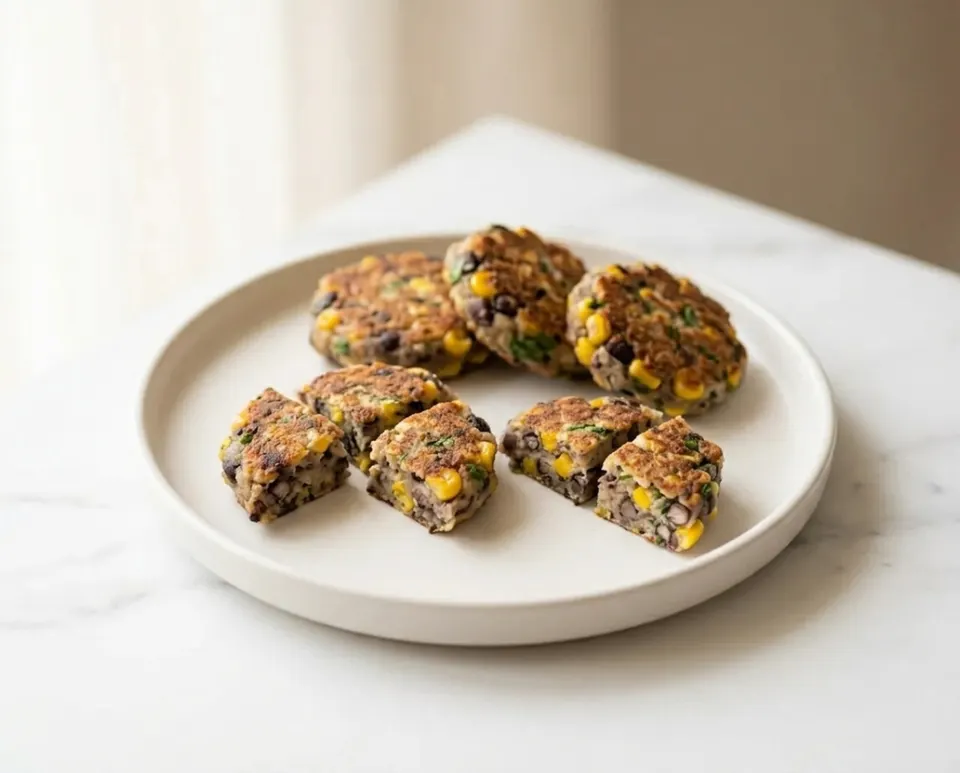
Soft Black Bean and Corn Fritters
These tender, protein-packed fritters are a wonderful finger food for toddlers. Made with fiber-rich black beans and sweet corn, they have a soft texture that is easy to chew and perfect for little hands to hold.
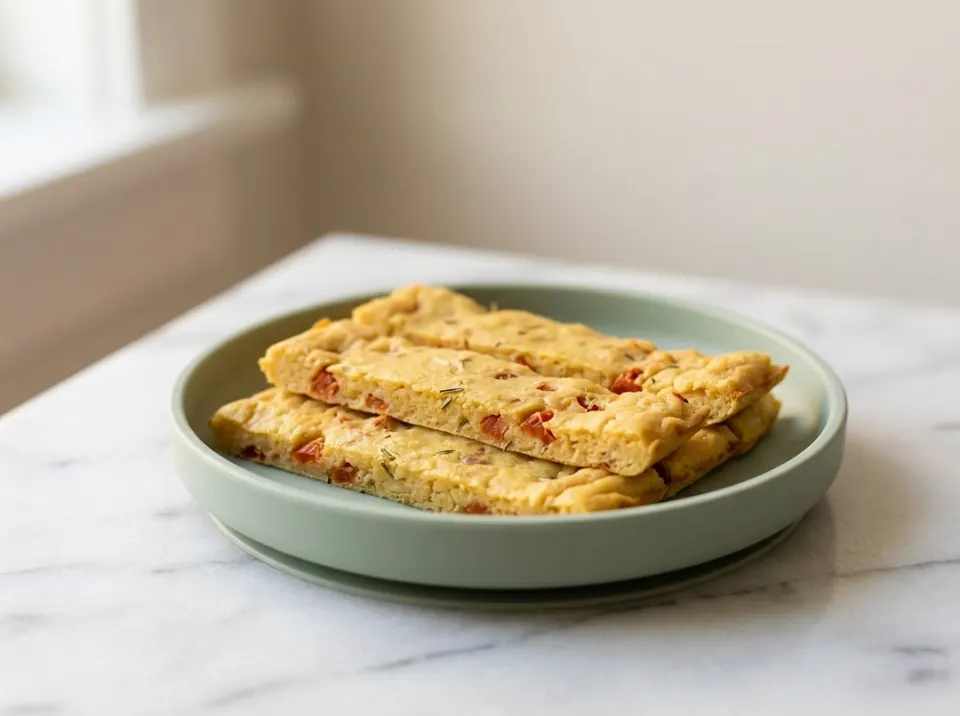
Soft Chickpea Farinata Strips with Tomato
These savoury chickpea flour baked strips are soft, nutrient-dense, and perfect for baby-led weaning. Blended with sweet tomatoes and a hint of rosemary, they offer a delicious introduction to finger foods for 6-month-olds. Easy for tiny hands to grasp and gently chew.
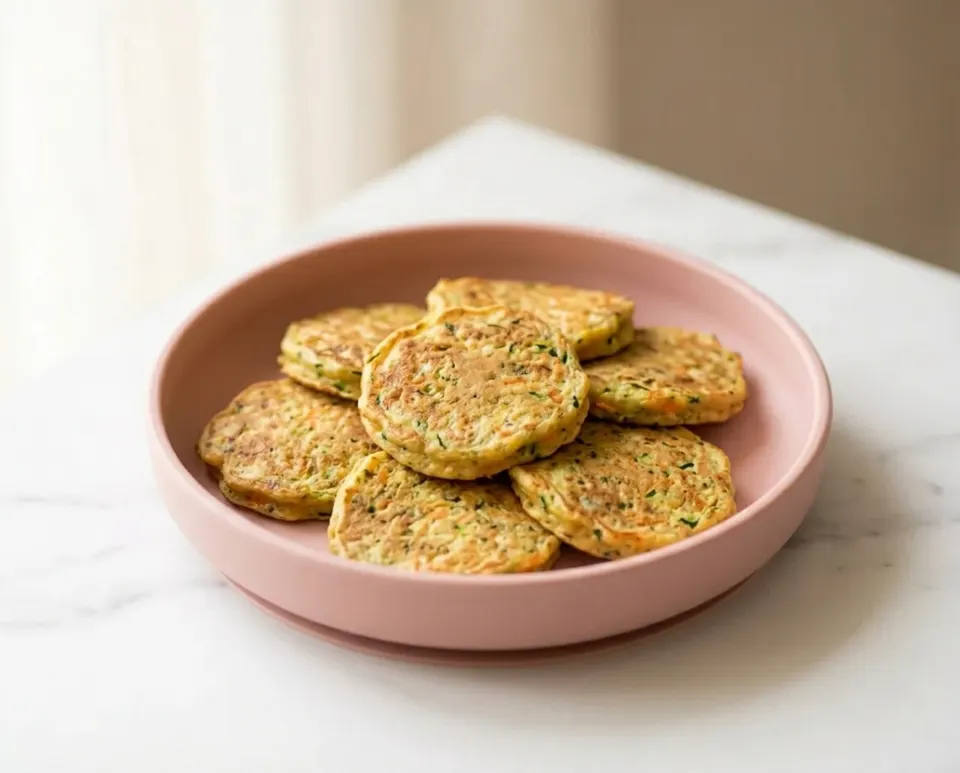
Savory Zucchini and Carrot Chickpea Pancakes
These colorful, veggie-packed pancakes are a fantastic way to introduce plant-based protein to your toddler. Naturally gluten-free and egg-free, they have a soft texture that is easy for little hands to hold and chew. The combination of chickpea flour and fresh vegetables makes for a satisfying, savory meal or snack.
Frequently asked
Can babies eat raw chickpea flour?
No, chickpea flour must always be cooked before serving. Raw legume flour contains complex starches and antinutrients that are difficult for an infant tummy to break down, and the dry powder is a choking and inhalation hazard.
Is chickpea flour a good substitute for wheat flour?
Yes, chickpea flour is naturally gluten-free and grain-free. It provides substantially more protein, iron, and fiber than white wheat flour, making it a wonderful base for allergy-safe baby pancakes, fritters, and savory muffins.
Can chickpea flour cause gas in babies?
Because it is naturally rich in dietary fiber and complex starches, introducing chickpea flour in large portions might lead to temporary gas. Start with a few bites, offer plenty of fluids, and gradually increase the amount as baby adapts.
How should I store chickpea flour to keep it fresh?
Store chickpea flour in an airtight container in a cool, dark pantry for up to six months. Because it contains healthy natural oils that can spoil over time, keeping it in the refrigerator or freezer helps preserve optimal freshness and flavor.

Track Chickpea Flour in the Nica app
Log foods, track reactions, and plan meals — all in one place.

