When can babies eat Beetroot?
From 6 months
Start with: Silky, earthy puree.
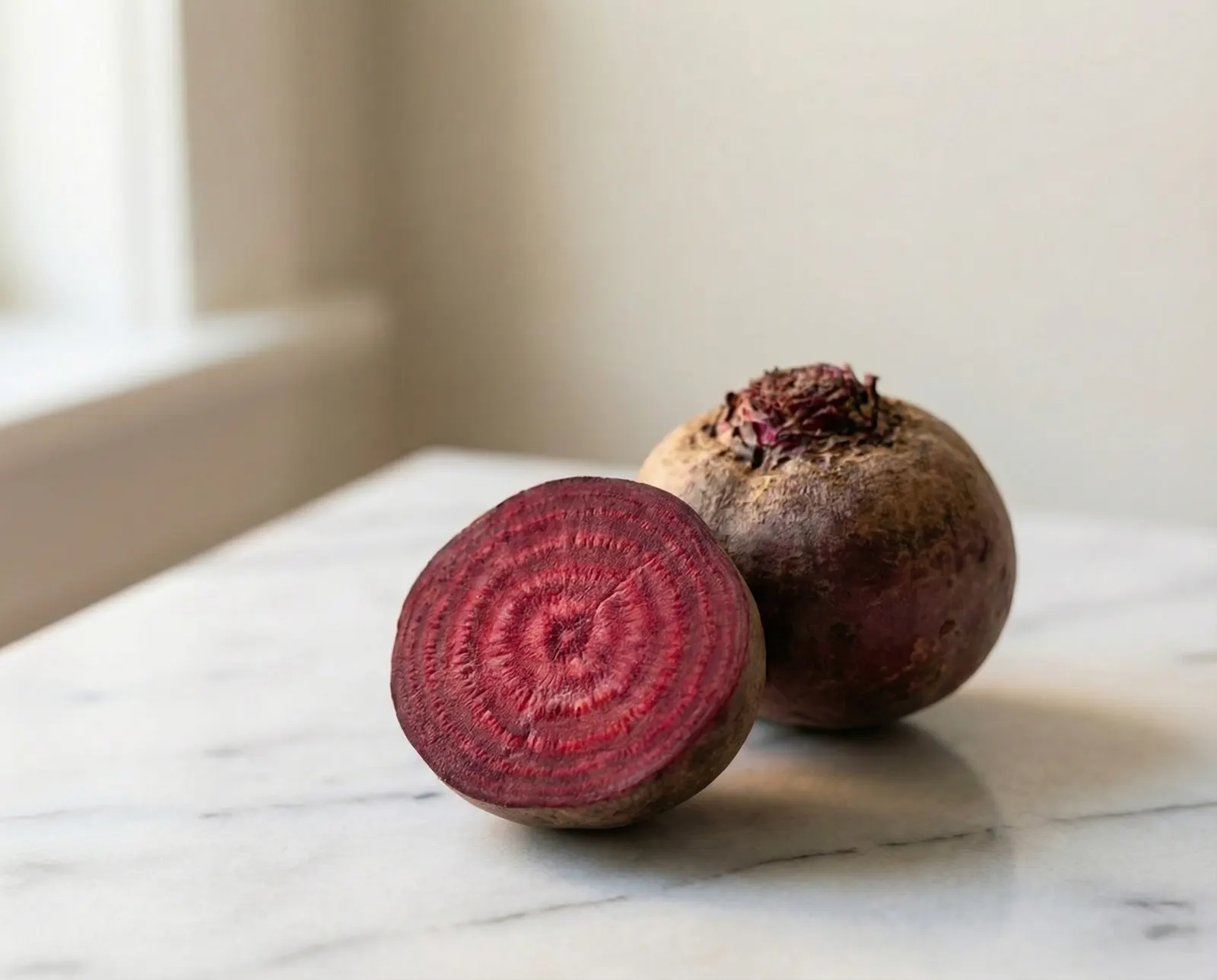
Beetroot is a vibrant root vegetable rich in folate, manganese, and potassium. It contains powerful antioxidants called betalains, which support heart health and detoxification. While incredibly healthy, beets contain naturally occurring nitrates and should be introduced after 6 months of age in moderation. They are also famous for temporarily changing the color of a baby's urine and stools.
How to serve Beetroot, by age
- 6mo
From 6 months: Silky, earthy puree.
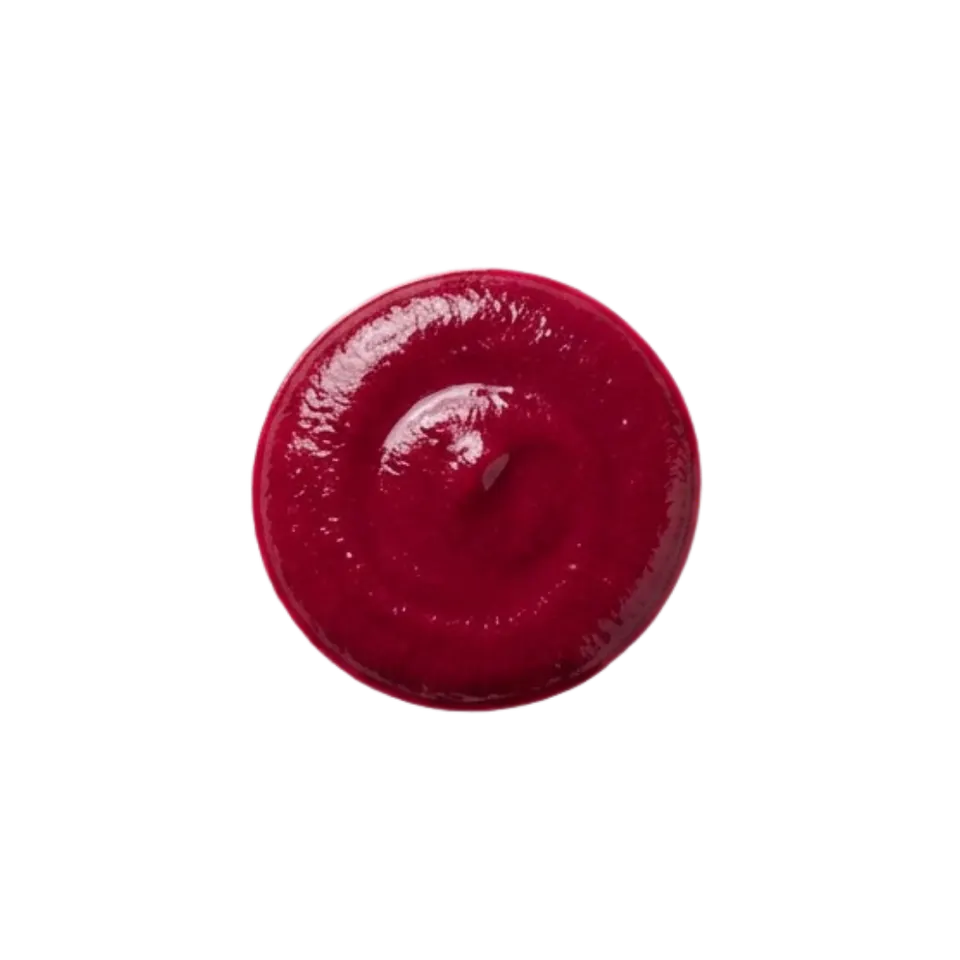
Serve as a smooth, well-blended puree. Roast or steam the beetroot until a fork slides in easily (roasting brings out the most sweetness). Blend with a little water or breast milk. It is best to mix beetroot with other purees like apple or potato to balance its earthy flavor.
- 9mo
From 9 months: Soft cubes or thin soft slices.
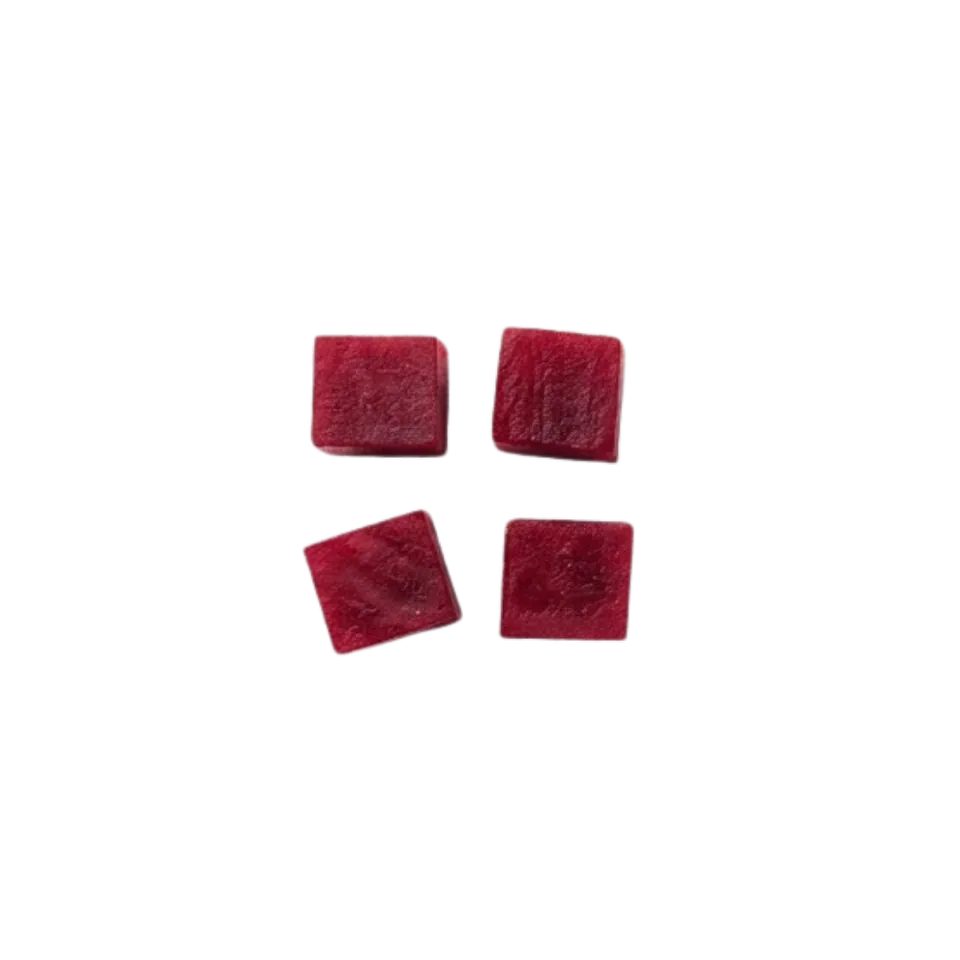
Offer small, soft-cooked cubes or thin circles (half-moons). Roasted beets are less slippery than steamed ones, making them easier for the pincer grasp. You can also grate cooked beets into yogurt or mix them with grains like quinoa.
- 12mo
From 12 months: Tender roasted chunks or finely grated raw bits.
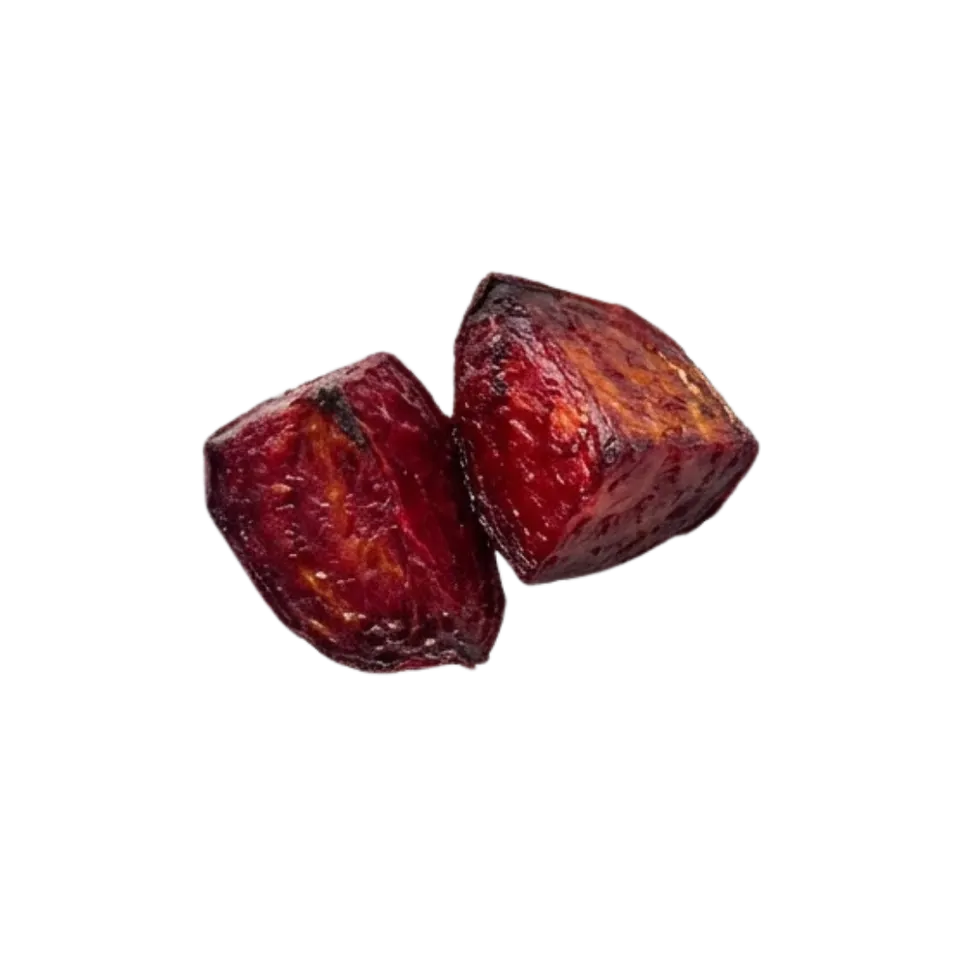
Toddlers can enjoy beetroot 'fries' (roasted wedges), beetroot hummus, or even beetroot chocolate muffins. At this age, you can introduce very finely grated raw beetroot in a salad, but cooked is still more easily digested.
Choking risk & safe preparation
Moderate choking risk
Raw beetroot is extremely hard and a major choking hazard. Always cook until buttery soft. Even when cooked, ensure pieces are small or thin enough to be easily gummed.
Allergen information
Not a common childhood allergen. Reactions are possible with any food, so introduce it on its own first.
Nutrition & benefits
Beets are an incredible source of Folate (109mcg), which is essential for DNA synthesis and brain health. They also provide Manganese, which helps the body process protein and carbohydrates.
- Brain Food
Per 100 g
- Energy
- 43kcal
- Protein
- 1.6g
- Fat
- 0.2g
- Fiber
- 2.8g
- Iron
- 0.8mg
- Vitamin C
- 4.9mg
See all nutrients (25)
Macronutrients
- Energy
- 43 kcal
- Protein
- 1.6 g
- Carbohydrates
- 9.6 g
- Fat
- 0.2 g
Key Minerals
- Iron
- 0.8 mg
- Calcium
- 16 mg
- Zinc
- 0.3 mg
- Sodium
- 78 mg
- Potassium
- 325 mg
- Magnesium
- 23 mg
- Phosphorus
- 40 mg
- Selenium
- 0.7 mcg
- Copper
- < 0.1 mg
- Manganese
- 0.3 mg
Vitamins
- Vitamin A
- 2 mcg
- Vitamin C
- 4.9 mg
- Vitamin D
- 0 mcg
- Vitamin B6
- < 0.1 mg
- Vitamin B12
- 0 mcg
- Vitamin E
- < 0.1 mg
- Vitamin K
- 0.2 mcg
- Folate
- 109 mcg
- Thiamin (B1)
- < 0.1 mg
- Choline
- 6 mg
Other
- Fiber
- 2.8 g
Source: USDA FoodData Central
Pairs well with
Recipes with Beetroot
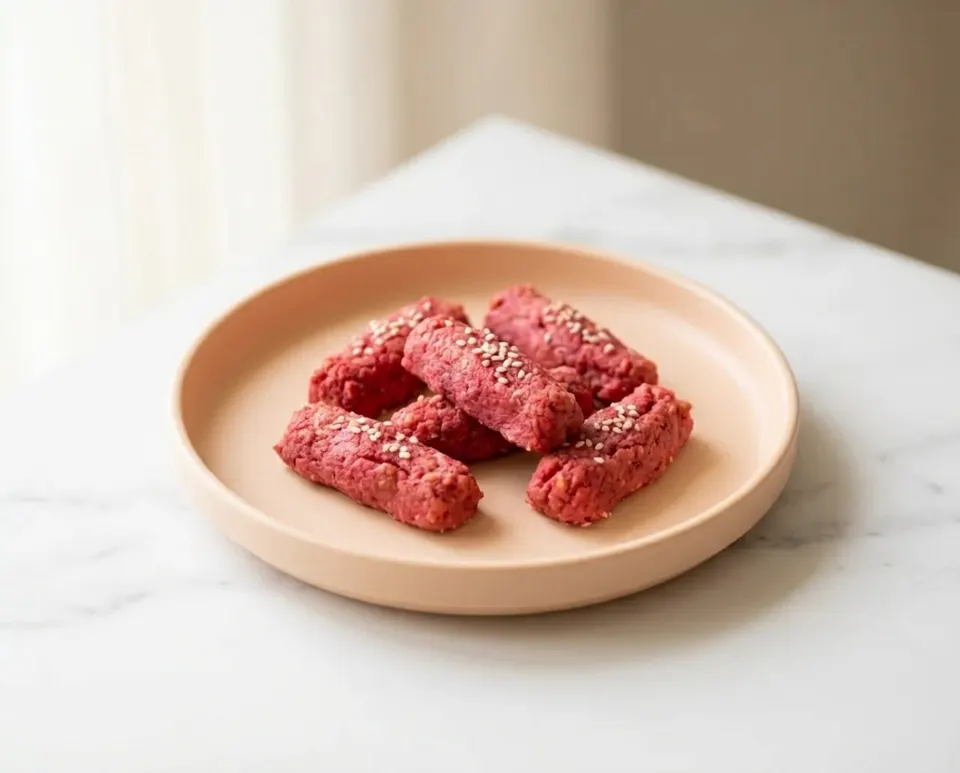
Soft Beetroot and Chickpea Bites
These vibrant, iron-rich bites are perfect for little hands starting their food journey. The combination of earthy beets and creamy chickpeas creates a soft texture that is easy for babies to gum and swallow. They are naturally colorful and packed with plant-based protein.
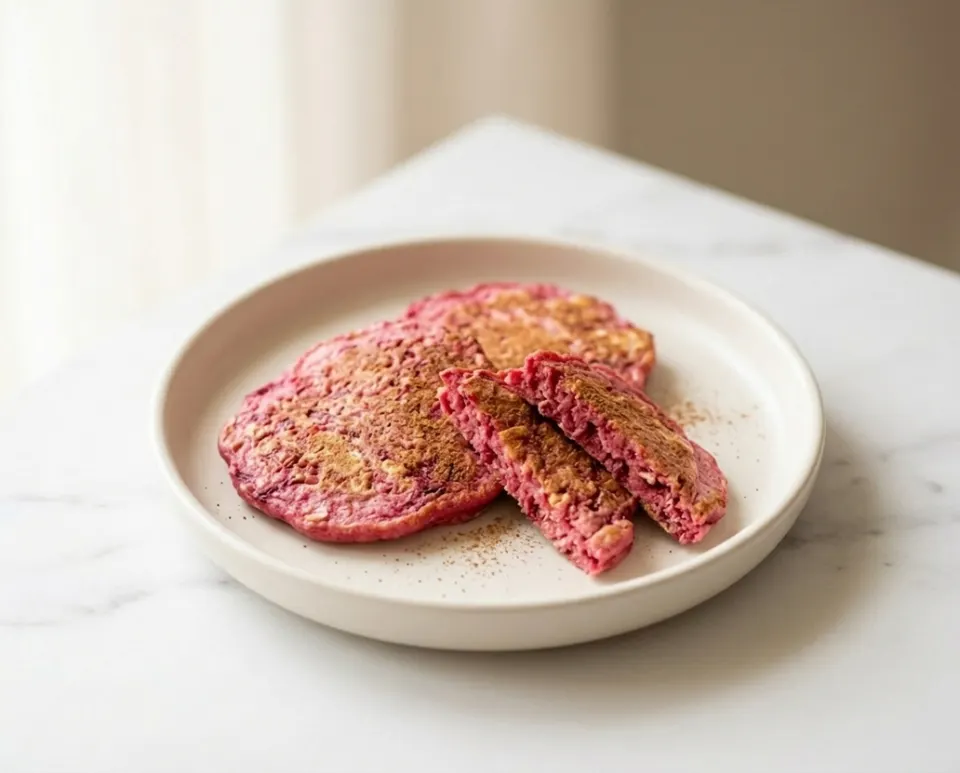
Beetroot & Oat Pancakes
Vibrant pink pancakes made with grated beetroot, oats, and egg. Beetroot provides folate, iron, and manganese — nutrients critical for rapid growth at 6 months. The natural sweetness from the beetroot means no added sugar is needed. These colorful pancakes encourage food exploration and are easy for baby to hold.
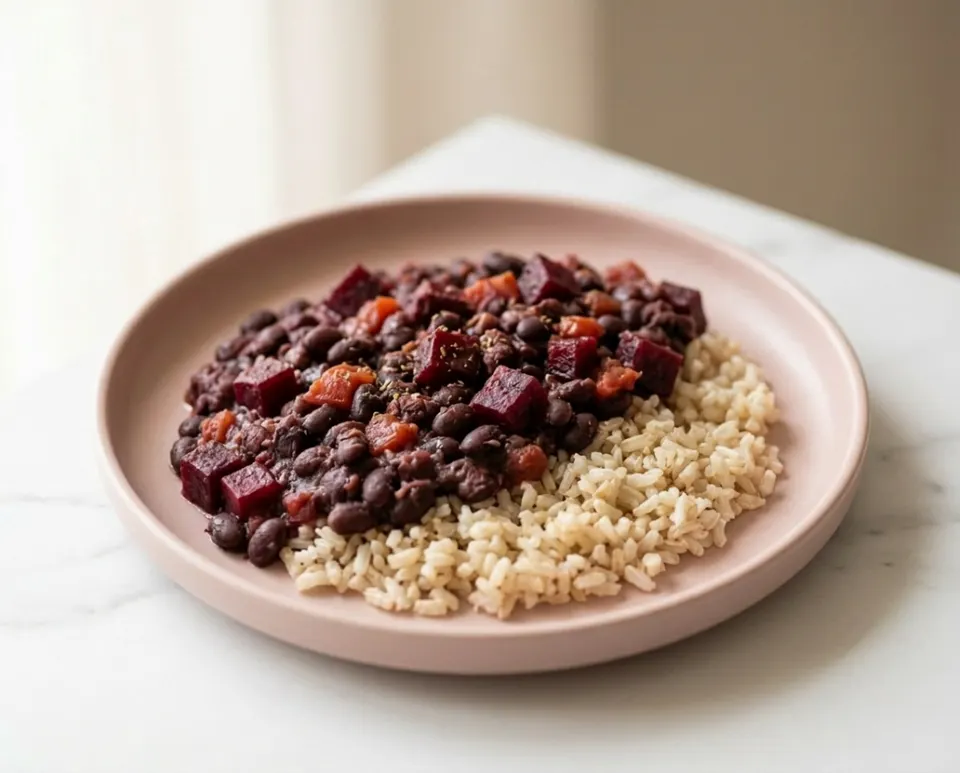
Black Bean & Beetroot Stew with Brown Rice
A hearty, iron-rich stew combining black beans with roasted beetroot, tomato, and cumin, served over soft brown rice. Black beans provide plant-based iron, zinc, protein, and fiber. Beetroot adds folate and additional iron. The cumin is a gentle, digestion-friendly spice safe from 6 months. A completely plant-based dinner that's nutritionally complete.
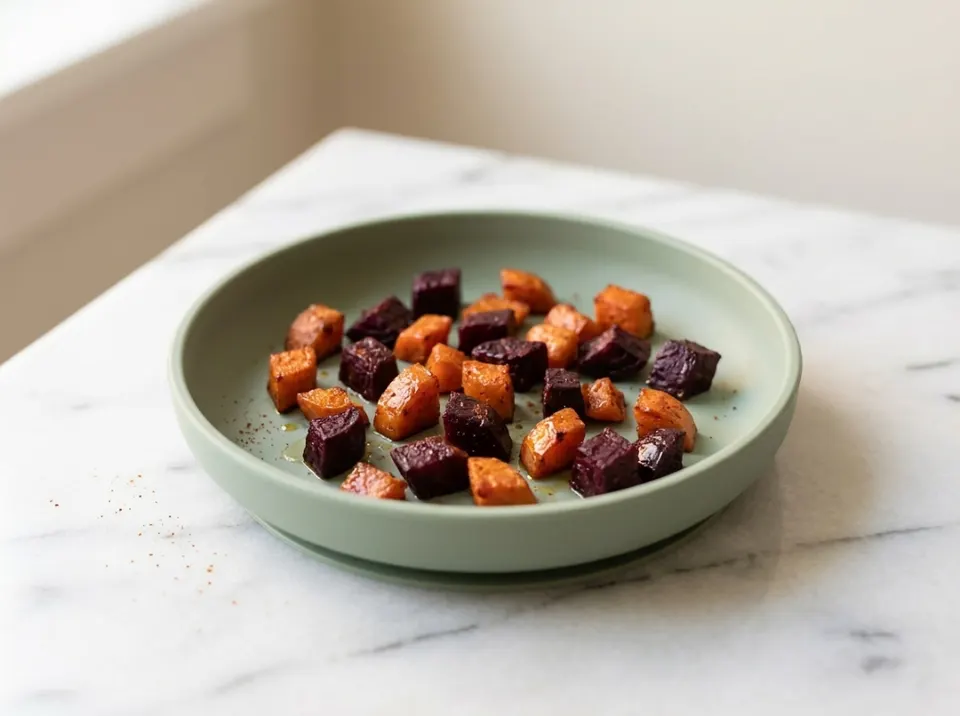
Soft Roasted Beetroot and Carrot Bites
Naturally sweet carrots and earthy beetroot are pre-steamed and roasted until perfectly tender for tiny hands. Tossed gently with olive oil and a dash of sweet paprika, these colorful veggie pieces are ideal for encouraging baby's self-feeding and pincer grasp.
Frequently asked
Why is my baby's diaper red after eating beets?
Don't panic! This is called 'beeturia.' The natural pigments in beets can turn urine and stools pink or red. It is completely harmless and will disappear within 24–48 hours after the baby stops eating beets.
Are beets high in nitrates?
Yes, beets are high in nitrates. For this reason, pediatricians recommend waiting until at least 6 months of age to introduce them and to serve them in moderation (no more than 1-2 times a week initially).

Track Beetroot in the Nica app
Log foods, track reactions, and plan meals — all in one place.

