When can babies eat Artichoke?
From 6 months
Start with: Velvety, creamy puree.
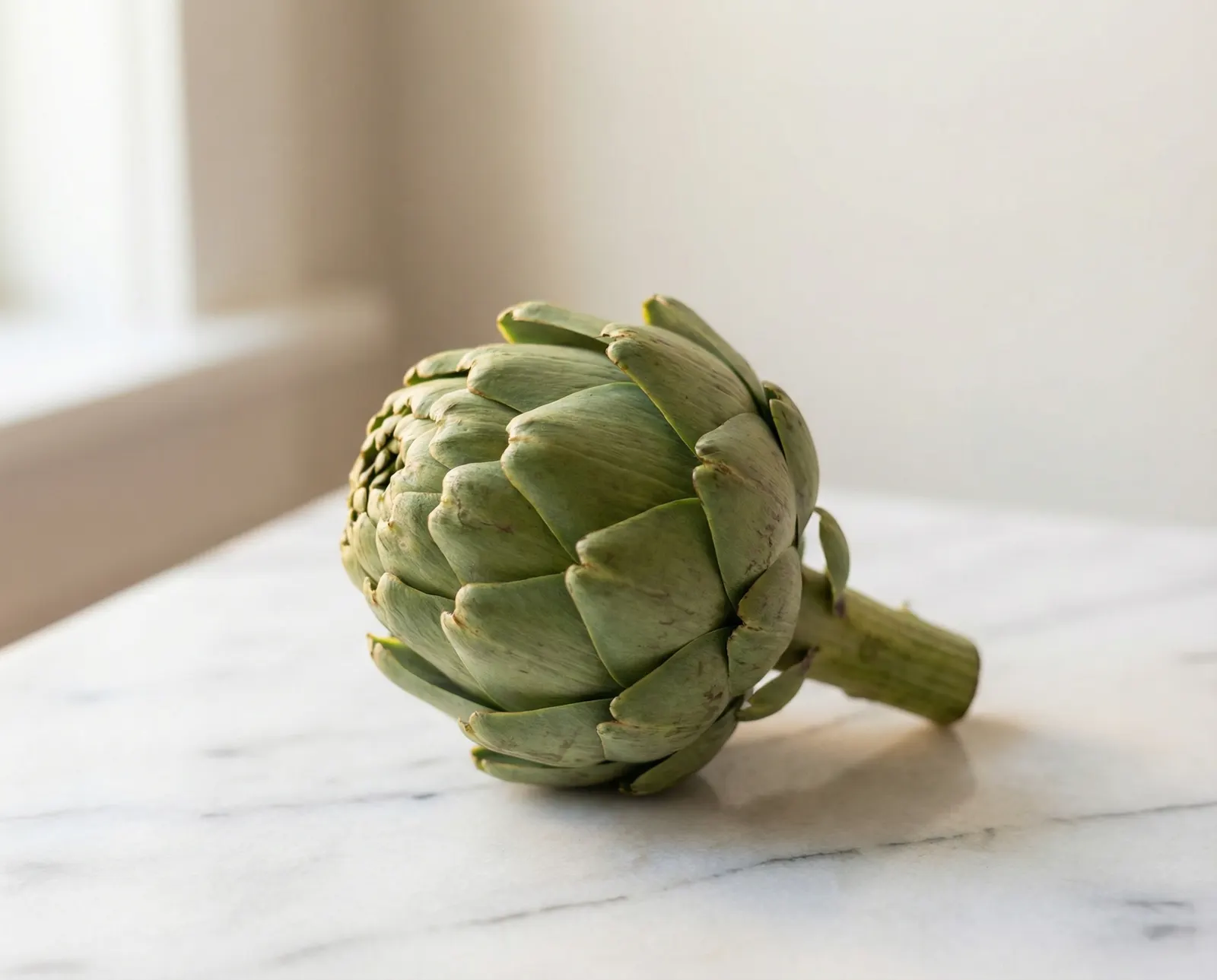
Artichokes are one of the most antioxidant-rich vegetables available. they are an incredible source of prebiotic fiber (inulin), which supports a healthy gut, and contain cynarin, which aids liver function. While they require careful preparation to remove the fuzzy 'choke' and tough outer leaves, the tender heart is a delicious and nutrient-dense food for babies.
How to serve Artichoke, by age
- 6mo
From 6 months: Velvety, creamy puree.
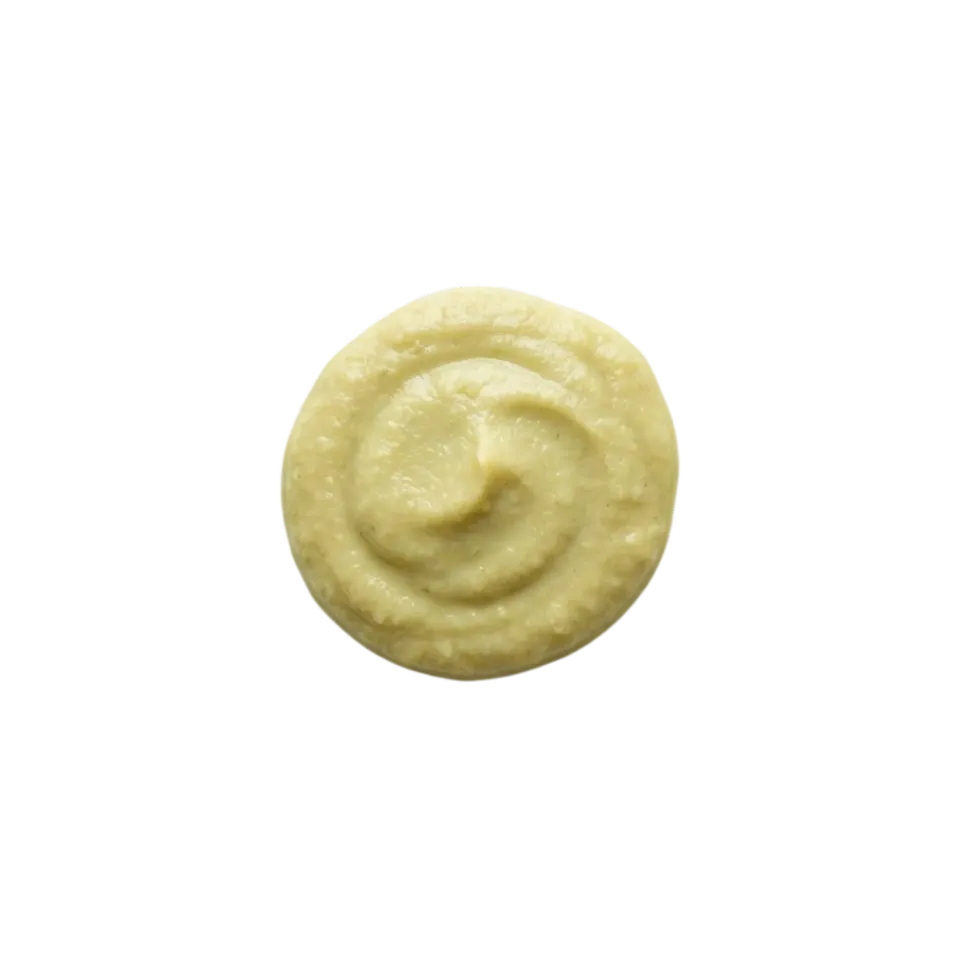
Serve only as a smooth puree. Use only the heart (ensure all fuzzy bits are removed). Steam until very soft and blend with a little breast milk or olive oil. You can also mix it with potato or pea puree. Do not offer whole leaves at this stage.
- 9mo
From 9 months: Soft, small diced pieces or 'scrapable' leaves.
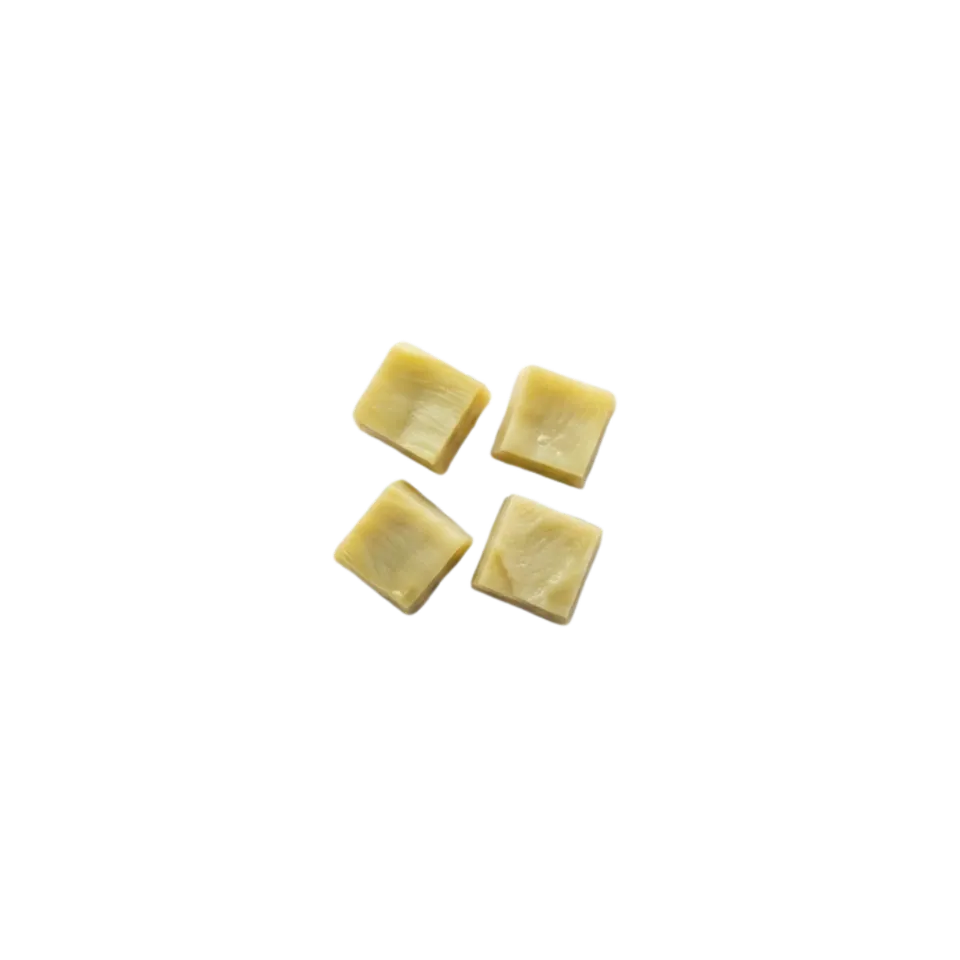
Offer finely diced, well-cooked artichoke hearts. At this stage, you can also offer the tender base of a steamed artichoke leaf for the baby to scrape off with their bottom gums/teeth. This is excellent for oral-motor development, but the leaf itself must be discarded after scraping.
- 12mo
From 12 months: Tender roasted chunks or dip.
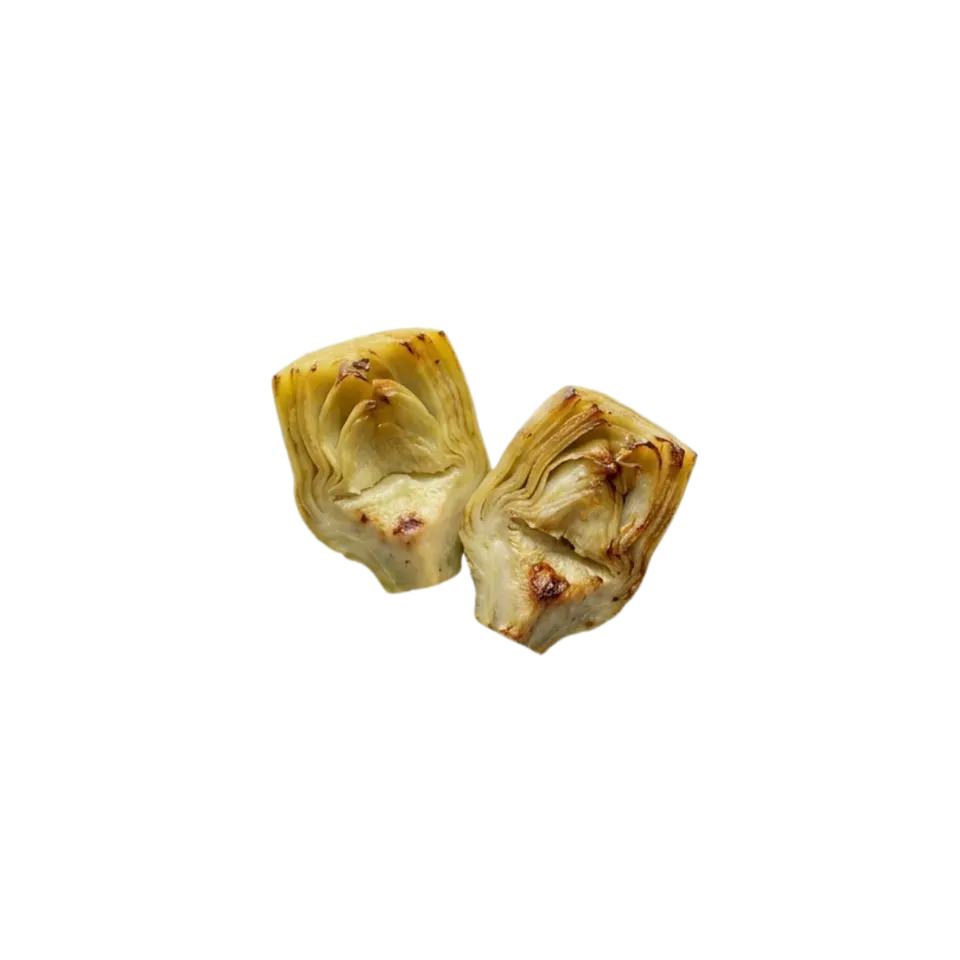
Toddlers can enjoy roasted artichoke hearts or artichoke dip made with Greek yogurt. They can also practice 'dipping' the leaves into a healthy sauce and scraping the flesh off. ensure the 'choke' (fuzzy center) is always completely removed before serving.
Choking risk & safe preparation
Moderate choking risk
The fuzzy center (the 'choke') and the tough, pointed outer leaves are extreme choking and irritation hazards. Always use canned hearts in water or carefully prepared fresh hearts. Ensure the heart is cooked until buttery soft.
Allergen information
Not a common childhood allergen. Reactions are possible with any food, so introduce it on its own first.
Nutrition & benefits
Exceptionally high in fiber (5.4g per 100g), specifically inulin, which acts as a prebiotic. It contains more antioxidants than almost any other vegetable, specifically silymarin and cynarin.
- Digestion-friendly
Per 100 g
- Energy
- 47kcal
- Protein
- 3.3g
- Fat
- 0.1g
- Fiber
- 5.4g
- Iron
- 1.3mg
- Vitamin C
- 11.7mg
See all nutrients (25)
Macronutrients
- Energy
- 47 kcal
- Protein
- 3.3 g
- Carbohydrates
- 10.5 g
- Fat
- 0.1 g
Key Minerals
- Iron
- 1.3 mg
- Calcium
- 44 mg
- Zinc
- 0.5 mg
- Sodium
- 94 mg
- Potassium
- 370 mg
- Magnesium
- 60 mg
- Phosphorus
- 90 mg
- Selenium
- 0.2 mcg
- Copper
- 0.2 mg
- Manganese
- 0.3 mg
Vitamins
- Vitamin A
- 1 mcg
- Vitamin C
- 11.7 mg
- Vitamin D
- 0 mcg
- Vitamin B6
- 0.1 mg
- Vitamin B12
- 0 mcg
- Vitamin E
- 0.2 mg
- Vitamin K
- 14.8 mcg
- Folate
- 68 mcg
- Thiamin (B1)
- < 0.1 mg
- Choline
- 34.4 mg
Other
- Fiber
- 5.4 g
Source: USDA FoodData Central
Pairs well with
Frequently asked
Can I use canned artichokes for my baby?
Yes, but only if they are canned in water, not oil or brine. Check the label carefully for added salt (sodium). Rinse them thoroughly before pureeing or cooking to remove any excess sodium.
Why is artichoke good for my baby's tummy?
Artichokes are rich in inulin, a type of fiber that feeds the good bacteria in the gut. This helps build a strong immune system and keeps digestion regular.

Track Artichoke in the Nica app
Log foods, track reactions, and plan meals — all in one place.

