When can babies eat Vanilla?
From 6 months
Start with: Micro-seeds or liquid extract.
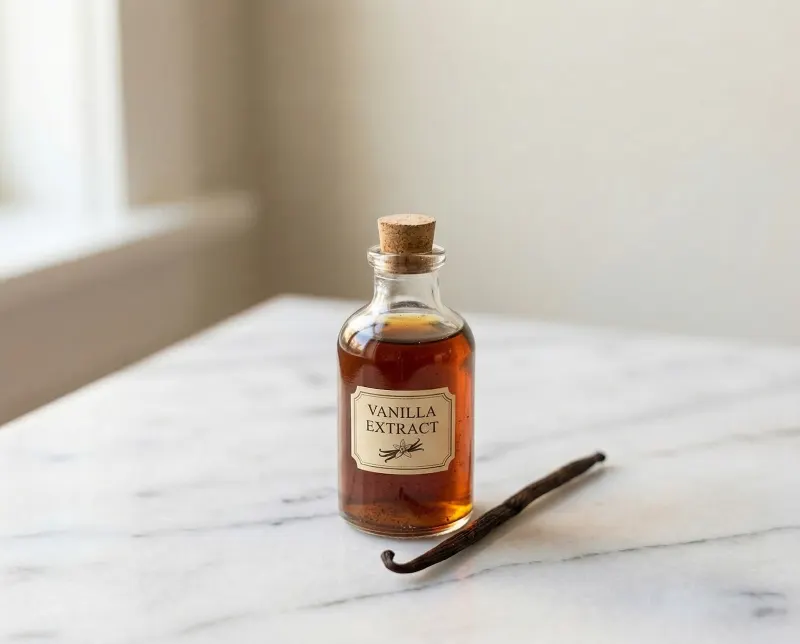
Vanilla is a flavor derived from the orchids of the genus Vanilla. For infants, it is a sensory delight that provides a naturally sweet aroma without the need for added sugar. It is known for its calming properties and can help babies accept new or 'bland' foods like oatmeal or plain yogurt by making them more fragrant and appealing.
How to serve Vanilla, by age
- 6mo
From 6 months: Micro-seeds or liquid extract.
Introduce vanilla by scraping the seeds from a tiny section of a pure vanilla bean or using a drop of alcohol-free vanilla extract. Mix it into smooth purees like banana, pear, or rice cereal. Ensure you are not using 'imitation' vanilla, which contains synthetic chemicals and vanillin.
- 9mo
From 9 months: Integrated aroma.
Use vanilla bean powder or alcohol-free extract to flavor yogurt, chia pudding, or homemade sugar-free muffins. It pairs beautifully with warming spices like cinnamon. This helps build a palate that appreciates complex aromas rather than just simple sweetness.
- 12mo
From 12 months: Integrated aroma.
Toddlers can enjoy vanilla in smoothies, healthy pancakes, or baked oats. At this stage, vanilla remains a primary tool for keeping meals low-sugar while still being exciting for the child's developing taste buds.
Choking risk & safe preparation
Low choking risk
Vanilla in liquid or powder form poses no choking risk. However, if using whole vanilla beans, ensure they are removed after infusing or that only the tiny seeds are used.
Allergen information
Not a common childhood allergen. Reactions are possible with any food, so introduce it on its own first.
Nutrition & benefits
Vanilla contains small amounts of vanillic acid and vanillin, which have antioxidant and neuroprotective properties. Its real 'nutritional' value for infants is behavioral: it increases food acceptance and reduces the need for added sweeteners.
- Sensory Exploration
- Calming Effect
Per 100 g
- Energy
- 288kcal
- Protein
- < 0.1g
- Fat
- < 0.1g
- Fiber
- 0g
- Iron
- 0.1mg
- Vitamin C
- 0mg
See all nutrients (24)
Macronutrients
- Energy
- 288 kcal
- Protein
- < 0.1 g
- Carbohydrates
- 12.7 g
- Fat
- < 0.1 g
Key Minerals
- Iron
- 0.1 mg
- Calcium
- 11 mg
- Zinc
- 0.1 mg
- Sodium
- 9 mg
- Potassium
- 148 mg
- Magnesium
- 12 mg
- Phosphorus
- 6 mg
- Selenium
- 0 mcg
- Copper
- < 0.1 mg
- Manganese
- 0.2 mg
Vitamins
- Vitamin A
- 0 mcg
- Vitamin C
- 0 mg
- Vitamin D
- 0 mcg
- Vitamin B6
- < 0.1 mg
- Vitamin B12
- 0 mcg
- Vitamin E
- 0 mg
- Vitamin K
- 0 mcg
- Folate
- 0 mcg
- Thiamin (B1)
- < 0.1 mg
Other
- Fiber
- 0 g
Source: USDA FoodData Central
Pairs well with
Recipes with Vanilla
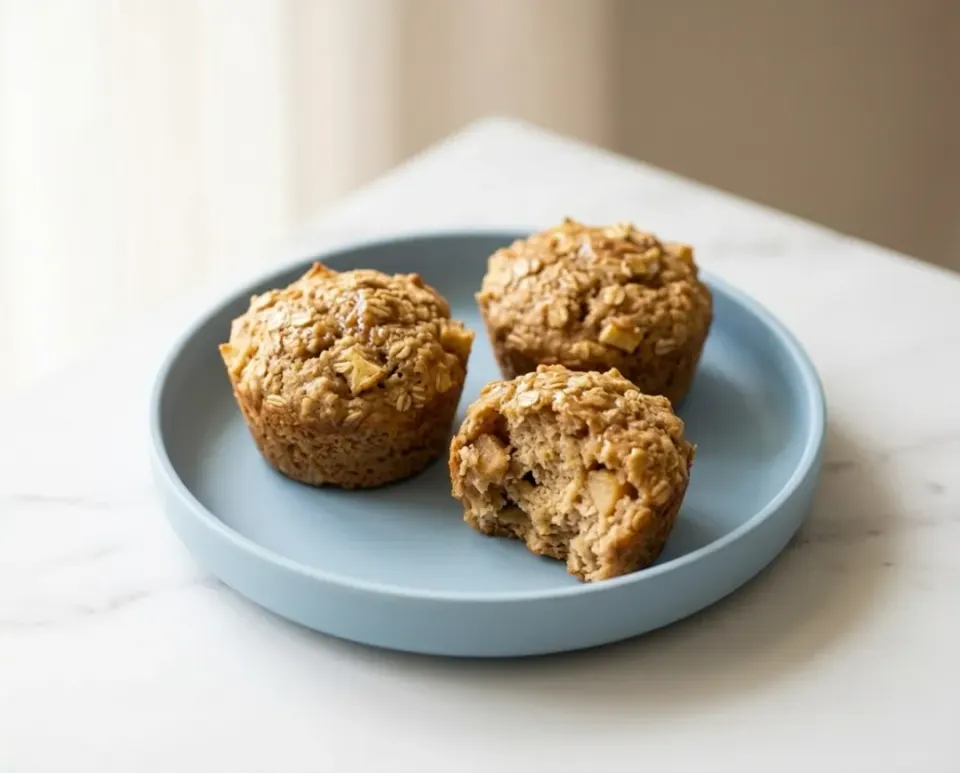
Apple & Oat Breakfast Muffins
Wholesome muffins with a tender oat crumb, studded with juicy apple pieces and scented with warm cinnamon. Naturally sweetened with applesauce and a drizzle of maple syrup, these are fiber-rich and perfect for tiny hands to grab at breakfast or snack time.
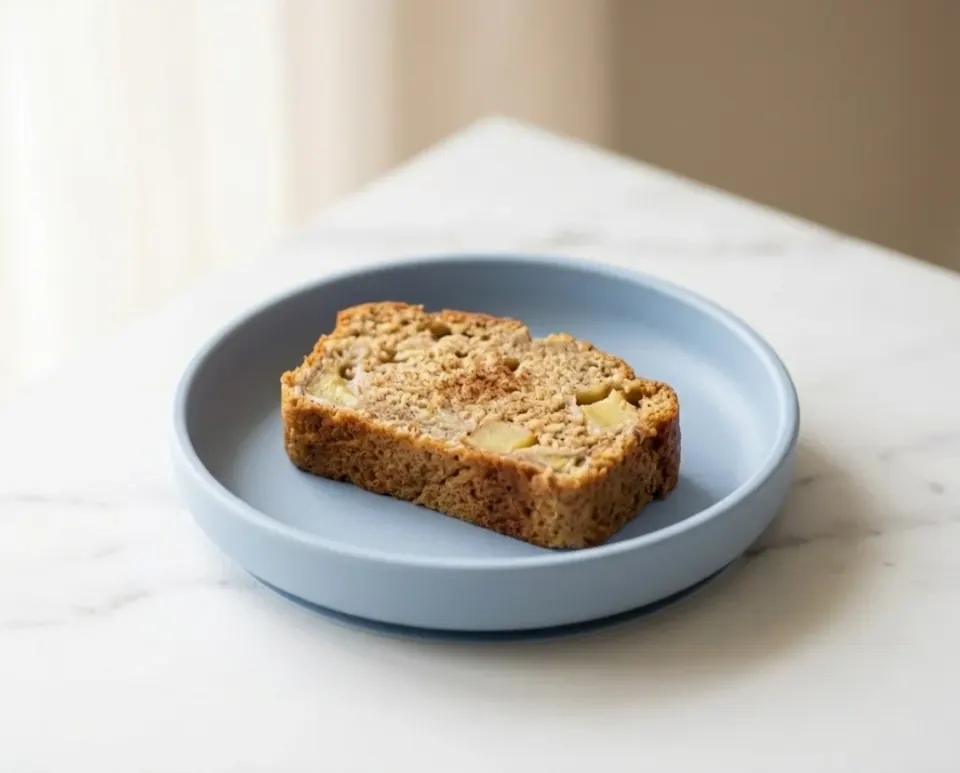
Banana & Apple Loaf
A tender, warmly spiced loaf packed with mashed banana and juicy apple chunks. The Greek yogurt keeps it incredibly moist while whole wheat flour adds wholesome nutrition. Slice it thick for little hands or thin for spreading with nut butter.
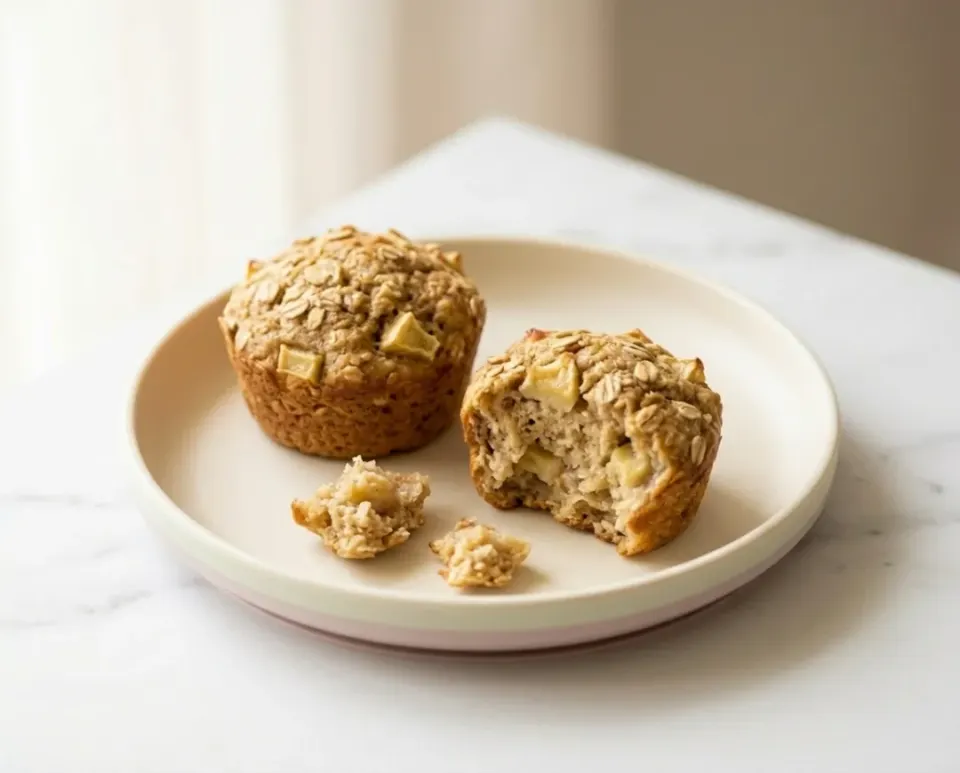
Banana & Apple Oat Muffins
Beautifully moist muffins bursting with natural sweetness from ripe bananas and tender apple pieces. Rolled oats add a gentle chew and extra fiber, making these a nourishing grab-and-go snack that the whole family will enjoy.
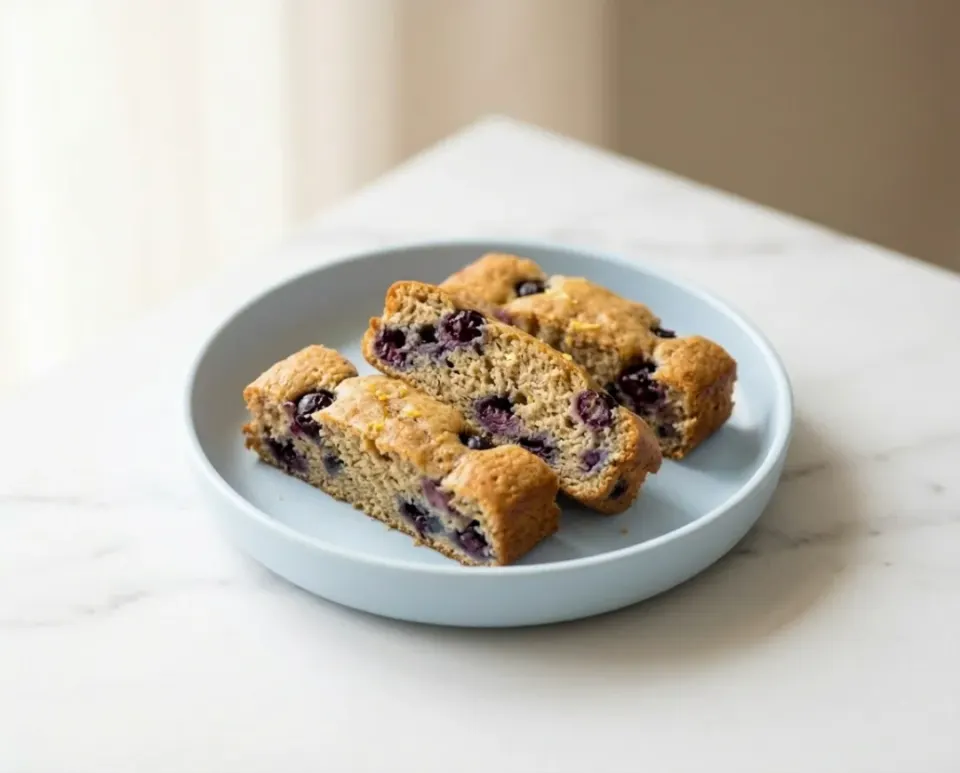
Banana & Blueberry Cake
A light, fruity cake bursting with fresh blueberries and mashed banana, finished with a zesty hint of lemon. Every slice is naturally sweetened and loaded with antioxidants from the berries.
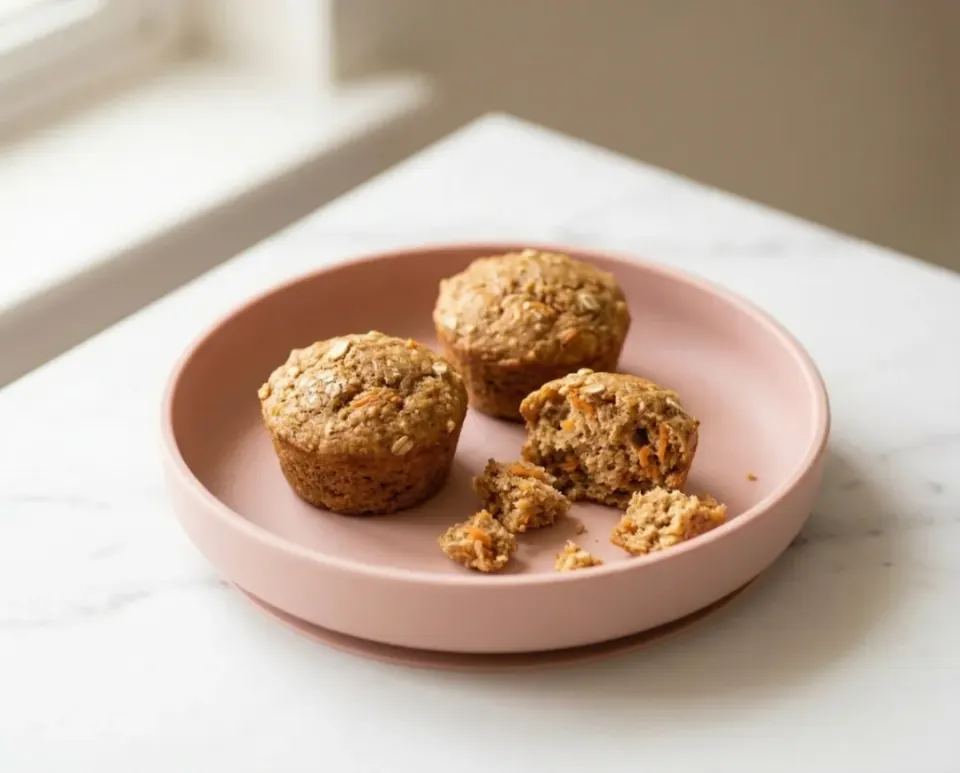
Banana & Carrot Muffins
Naturally sweet muffins combining ripe bananas and freshly grated carrots with warm cinnamon. Packed with fiber from whole-wheat flour and oats, they make a nourishing grab-and-go breakfast or afternoon snack.
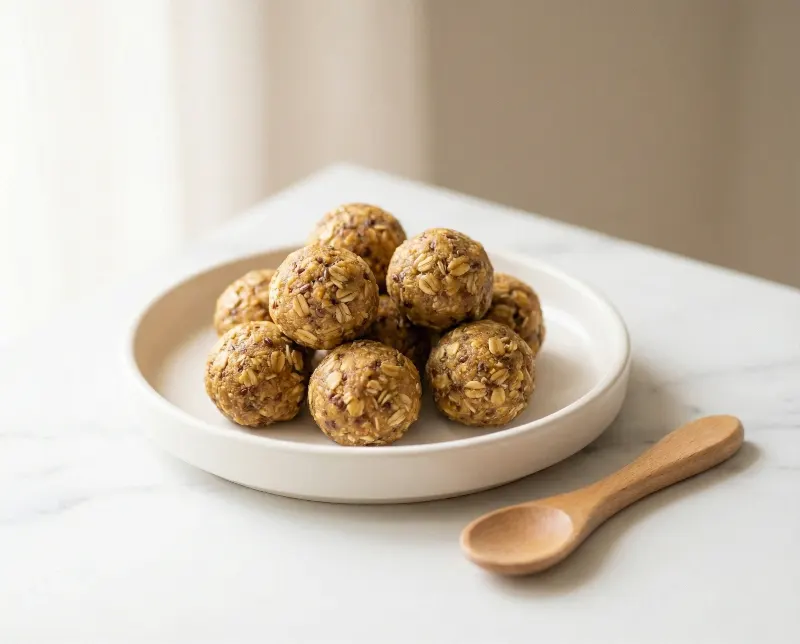
Banana & Oat Omega-3 Bites
A soft, naturally sweet, and no-bake snack. These bites are packed with fiber from oats and healthy fats from ground flaxseeds, making them a perfect on-the-go snack for little fingers.
Frequently asked
Can I use standard vanilla extract from the supermarket?
Most standard extracts contain at least 35% ethyl alcohol. For babies, look for 'Alcohol-Free' vanilla (usually glycerin-based) or use pure vanilla bean powder. This ensures the baby isn't exposed to unnecessary alcohol.
Is vanilla safe for babies with eczema?
Vanilla is generally very safe and hypoallergenic. However, in rare cases, high concentrations can cause skin sensitivity in babies with extreme eczema. Always start with a tiny amount.

Track Vanilla in the Nica app
Log foods, track reactions, and plan meals — all in one place.

