When can babies eat Turnip?
From 6 months
Start with: Smooth, light puree or soft-steamed wedges.
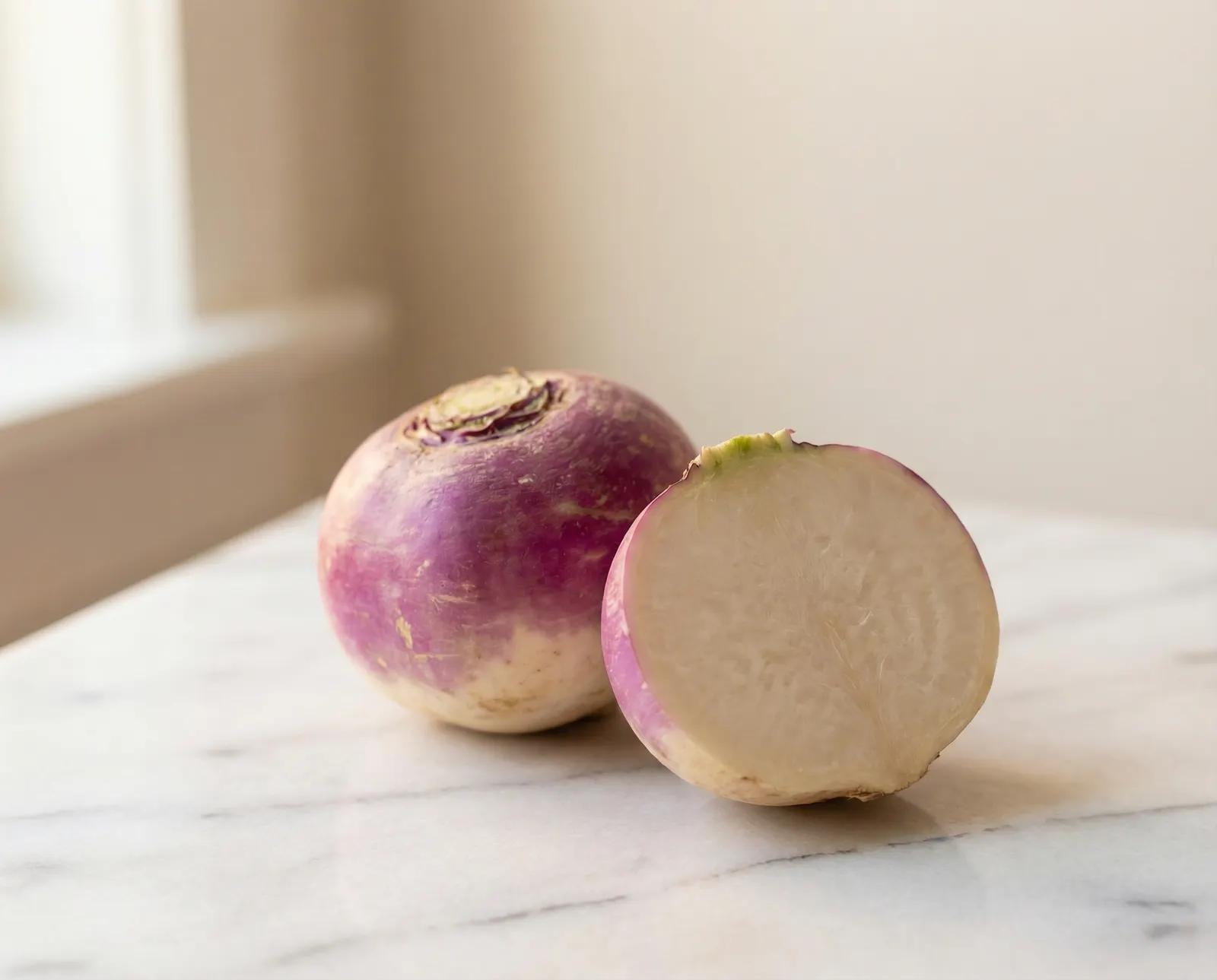
Turnips are a versatile root vegetable that belongs to the cruciferous family. They are low in calories but high in Vitamin C and fiber. Their mild, slightly peppery flavor mellows into a sweet, earthy taste when cooked, making them a great alternative to potatoes for babies.
How to serve Turnip, by age
- 6mo
From 6 months: Smooth, light puree or soft-steamed wedges.
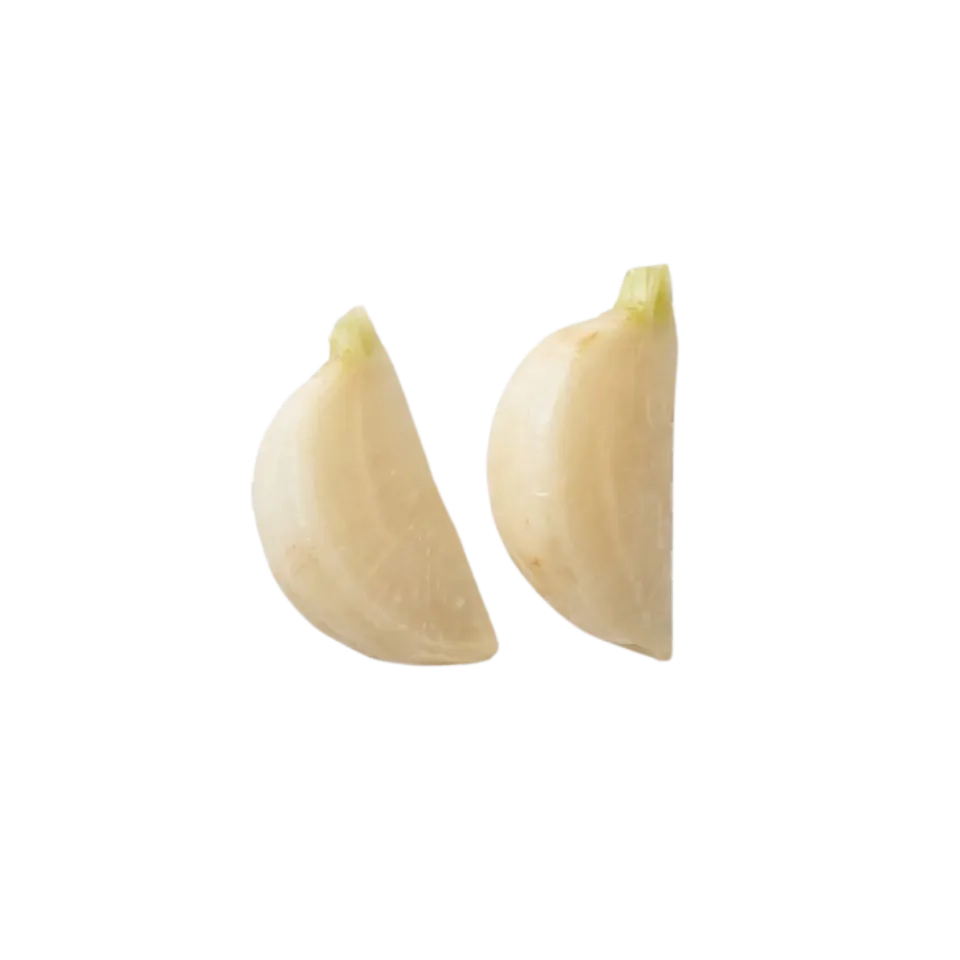
Serve as a smooth puree. Peel the turnip thoroughly and steam or boil until very tender before blending. Turnip puree can be a bit thin, so it is often best mixed with a thicker base like potato or parsnip. For BLW, offer a large, steamed finger-sized wedge that is soft enough to be smashed with the tongue.
- 9mo
From 9 months: Tender, roasted or boiled cubes.
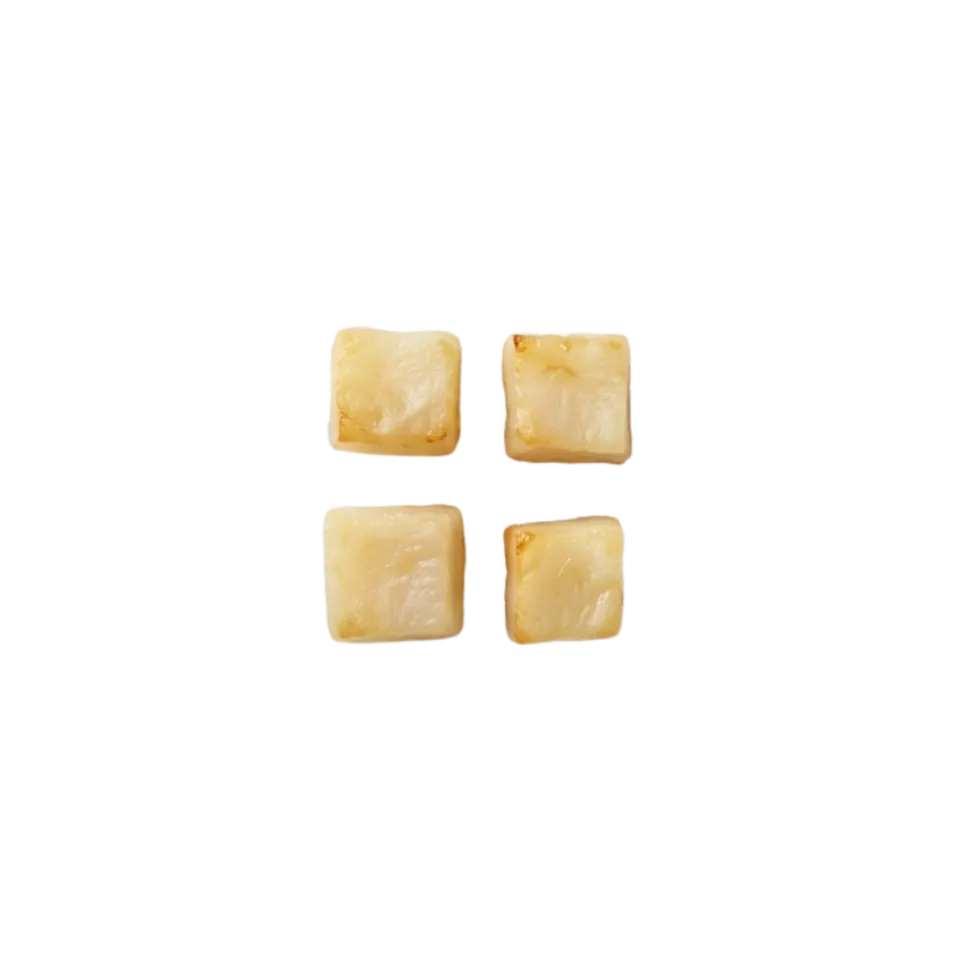
Offer soft-cooked, bite-sized cubes. Roasted turnips are excellent at this stage as roasting concentrates their natural sugars. You can also begin to introduce turnip greens (the leaves), provided they are steamed and very finely minced into the main dish.
- 12mo
From 12 months: Soft chunks or thin raw slices.
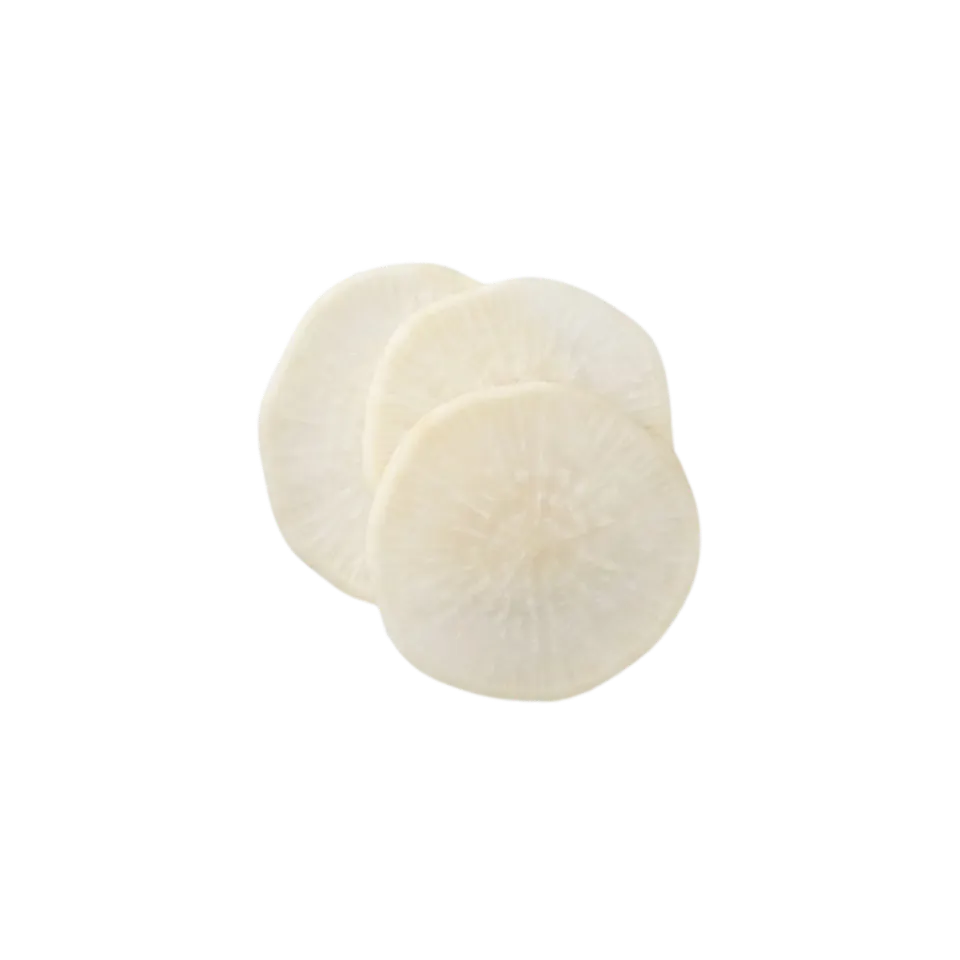
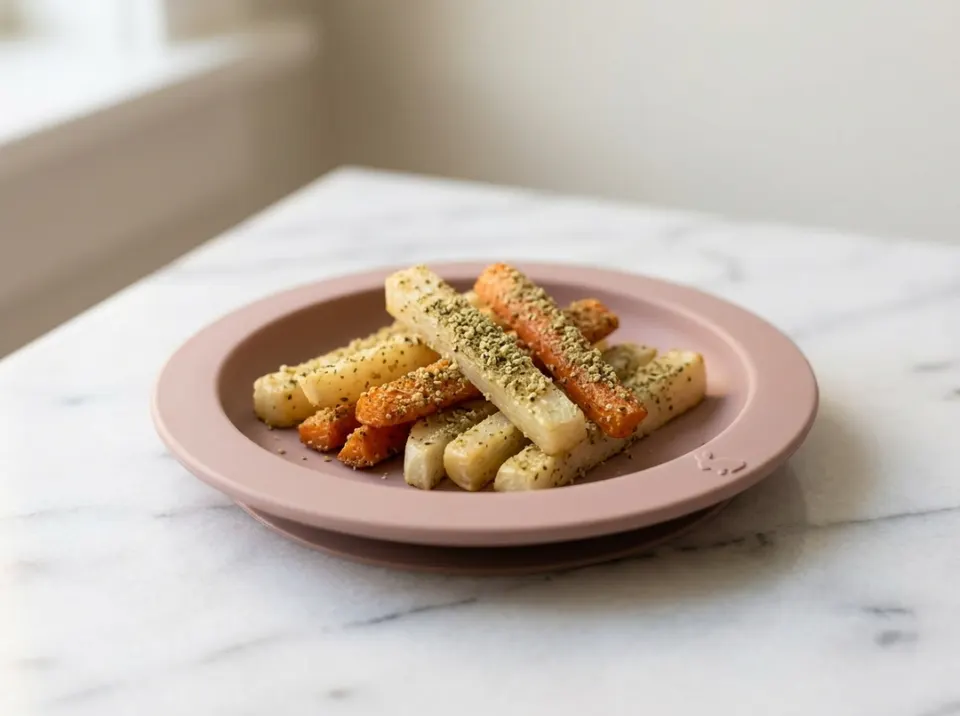
Toddlers can enjoy turnips in soups, stews, or even as 'turnip fries' (baked with a little olive oil). If your child enjoys a crunch, you can offer very thinly sliced, peeled raw turnip, though most prefer the sweetness of cooked varieties.
Choking risk & safe preparation
Moderate choking risk
Like all root vegetables, turnips are a choking hazard if served raw or undercooked in large pieces. Ensure the turnip is soft enough to be easily pierced with a fork. Always peel the skin, as it can be tough and fibrous.
Allergen information
Not a common childhood allergen. Reactions are possible with any food, so introduce it on its own first.
Nutrition & benefits
Good source of Vitamin C (21mg) and contains glucosinolates, which are health-promoting compounds common in cruciferous vegetables. They are low in starch compared to potatoes, making them a lighter option.
- Digestion-friendly
Per 100 g
- Energy
- 28kcal
- Protein
- 0.9g
- Fat
- 0.1g
- Fiber
- 1.8g
- Iron
- 0.3mg
- Vitamin C
- 21mg
See all nutrients (25)
Macronutrients
- Energy
- 28 kcal
- Protein
- 0.9 g
- Carbohydrates
- 6.4 g
- Fat
- 0.1 g
Key Minerals
- Iron
- 0.3 mg
- Calcium
- 30 mg
- Zinc
- 0.3 mg
- Sodium
- 67 mg
- Potassium
- 191 mg
- Magnesium
- 11 mg
- Phosphorus
- 27 mg
- Selenium
- 0.7 mcg
- Copper
- < 0.1 mg
- Manganese
- 0.1 mg
Vitamins
- Vitamin A
- 0 mcg
- Vitamin C
- 21 mg
- Vitamin D
- 0 mcg
- Vitamin B6
- < 0.1 mg
- Vitamin B12
- 0 mcg
- Vitamin E
- < 0.1 mg
- Vitamin K
- 0.1 mcg
- Folate
- 15 mcg
- Thiamin (B1)
- < 0.1 mg
- Choline
- 11.1 mg
Other
- Fiber
- 1.8 g
Source: USDA FoodData Central
Pairs well with
Recipes with Turnip
Frequently asked
Are turnips bitter for babies?
Smaller, younger turnips are generally sweeter and milder. Large, older turnips can develop a slightly bitter or sharp taste. Roasting them or mashing them with a sweeter vegetable like carrots can help babies accept the flavor.
Can I give my baby turnip greens?
Yes! Turnip greens are actually more nutrient-dense than the root, containing high levels of Vitamin K, A, and Calcium. Just make sure to steam them well and mince them very finely before adding to a puree or meal.

Track Turnip in the Nica app
Log foods, track reactions, and plan meals — all in one place.

