When can babies eat Tahini?
From 6 months
Start with: Thin, liquid drizzle.
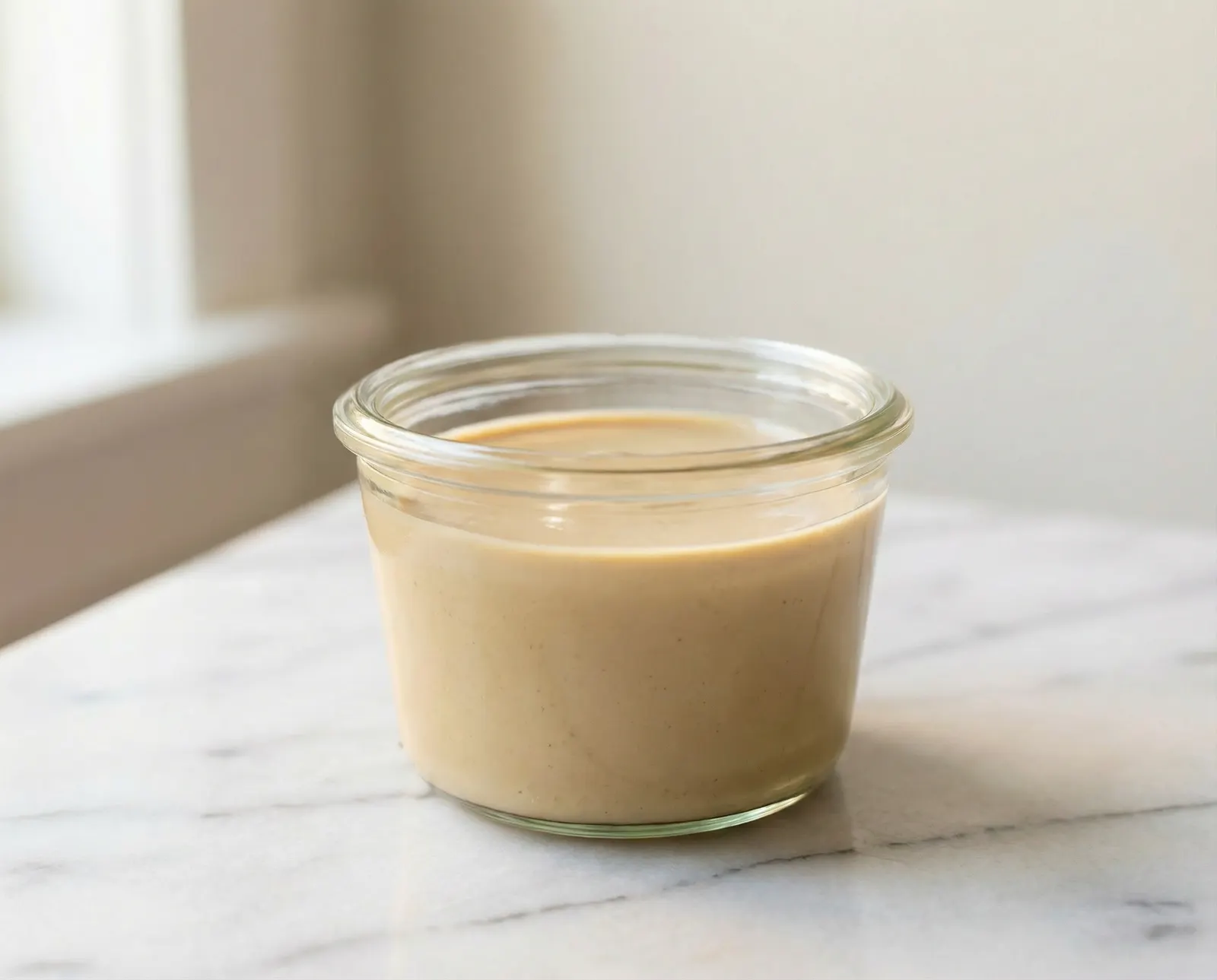
Tahini is a smooth paste made from toasted, ground sesame seeds. It is a nutritional powerhouse, offering exceptional levels of calcium, iron, and healthy fats. It is a 'Top 9' allergen (Sesame). Its creamy but sticky texture makes it an ideal addition to purees, though it should never be served plain in large globs due to choking risks.
How to serve Tahini, by age
- 6mo
From 6 months: Thin, liquid drizzle.
Introduce as a thinned 'drizzle' to test for allergies. Mix 1/2 teaspoon of tahini with warm water or breast milk until it is a liquid, pourable consistency. Stir it into mild vegetable purees like cauliflower, parsnip, or sweet potato. Do not serve plain, as the bitterness and stickiness may cause the baby to gag.
- 9mo
From 9 months: Very thin spread or mixed dip.
Mix tahini into hummus or yogurt. You can also spread a very thin, translucent layer on a soft strip of toast. Because tahini is slightly bitter, it pairs excellently with sweet purees like date paste or mashed banana. Ensure there are no sticky clumps that could adhere to the baby's palate.
- 12mo
From 12 months: Creamy spread or sauce.
Use tahini as a base for sauces for roasted vegetables or pasta. It is a great way to add calories and calcium to a toddler's diet. You can also use it to make 'Halva-style' energy bites with oats and a tiny bit of maple syrup or mashed fruit.
Choking risk & safe preparation
High choking risk
Like all nut and seed butters, tahini is a choking hazard because of its thick, sticky consistency which can form a 'plug' in the airway. Always thin with liquid or spread very thinly. Never give a baby a spoonful of plain tahini.
Allergen information
This is one of the common childhood allergens. Introduce it on its own and watch for a reaction before mixing it with new foods.
Contains or relates to these allergens:
- Sesame
Nutrition & benefits
Tahini is a Calcium superstar (426mg), providing more calcium per gram than many dairy products. It is also exceptionally high in Iron (9mg), which is critical for brain development and energy in infants. Its copper content (1.6mg) helps the body absorb that iron effectively.
- Bone Health
- Brain Food
Per 100 g
- Energy
- 595kcal
- Protein
- 17g
- Fat
- 53.8g
- Fiber
- 9.3g
- Iron
- 8.9mg
- Vitamin C
- 0mg
See all nutrients (25)
Macronutrients
- Energy
- 595 kcal
- Protein
- 17 g
- Carbohydrates
- 21.2 g
- Fat
- 53.8 g
Key Minerals
- Iron
- 8.9 mg
- Calcium
- 426 mg
- Zinc
- 4.6 mg
- Sodium
- 115 mg
- Potassium
- 414 mg
- Magnesium
- 95 mg
- Phosphorus
- 732 mg
- Selenium
- 34.4 mcg
- Copper
- 1.6 mg
- Manganese
- 1.5 mg
Vitamins
- Vitamin A
- 3 mcg
- Vitamin C
- 0 mg
- Vitamin D
- 0 mcg
- Vitamin B6
- 0.1 mg
- Vitamin B12
- 0 mcg
- Vitamin E
- 0.3 mg
- Vitamin K
- 0 mcg
- Folate
- 98 mcg
- Thiamin (B1)
- 1.2 mg
- Choline
- 25.8 mg
Other
- Fiber
- 9.3 g
Source: USDA FoodData Central
Pairs well with
Recipes with Tahini
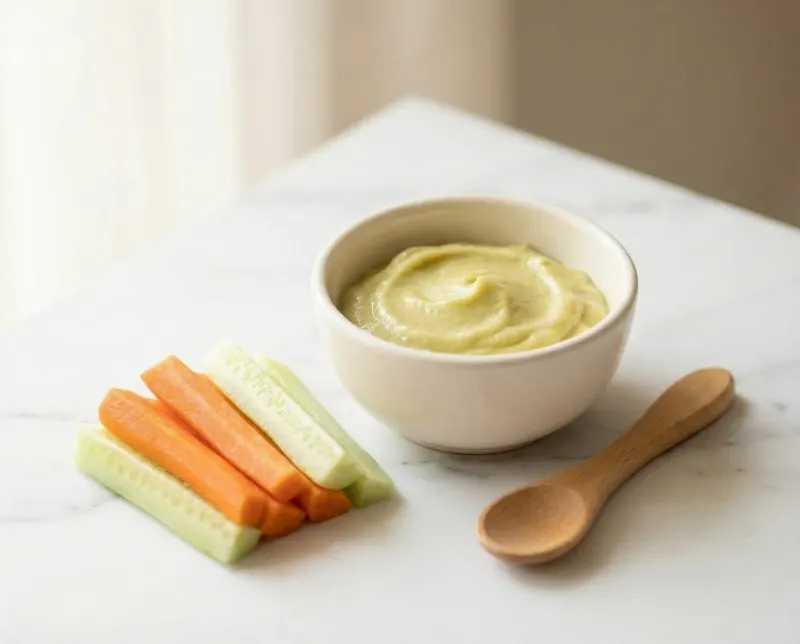
Homemade Hummus with Soft Veggie Dippers
A protein-packed snack that is fun and interactive. Creamy chickpea hummus served with soft-steamed carrot and cucumber sticks, perfect for babies practicing their pincer grasp and dipping skills.
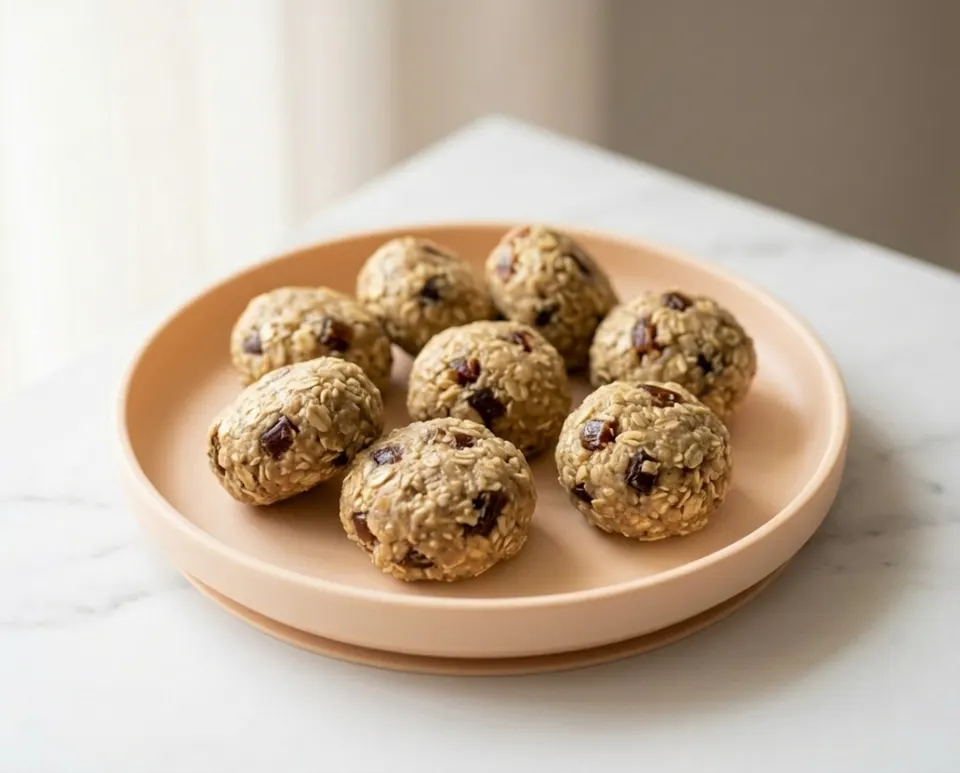
Tahini & Date Porridge Bites
Soft, nutrient-dense bites made with oats, tahini, and naturally sweet dates. Tahini (sesame paste) is an important early allergen to introduce and provides calcium, iron, and healthy fats. Dates add iron and natural sweetness without any added sugar. Perfect for tiny hands to grab and gnaw.
Frequently asked
Is tahini a common allergy?
Yes. Sesame is now recognized as one of the 'Top 9' major allergens. It should be introduced early but in very small amounts (1/8 teaspoon) on its own to monitor for reactions like hives, swelling, or vomiting.
Should I buy 'Hulled' or 'Unhulled' tahini?
For babies, 'Hulled' tahini is usually better. It is much creamier and less bitter. Unhulled tahini has more calcium but can be very gritty and bitter, which might cause the baby to reject it.

Track Tahini in the Nica app
Log foods, track reactions, and plan meals — all in one place.

