When can babies eat Pumpkin Seeds (Pepitas)?
From 6 months
Start with: Fine powder or thinned, liquid spread.
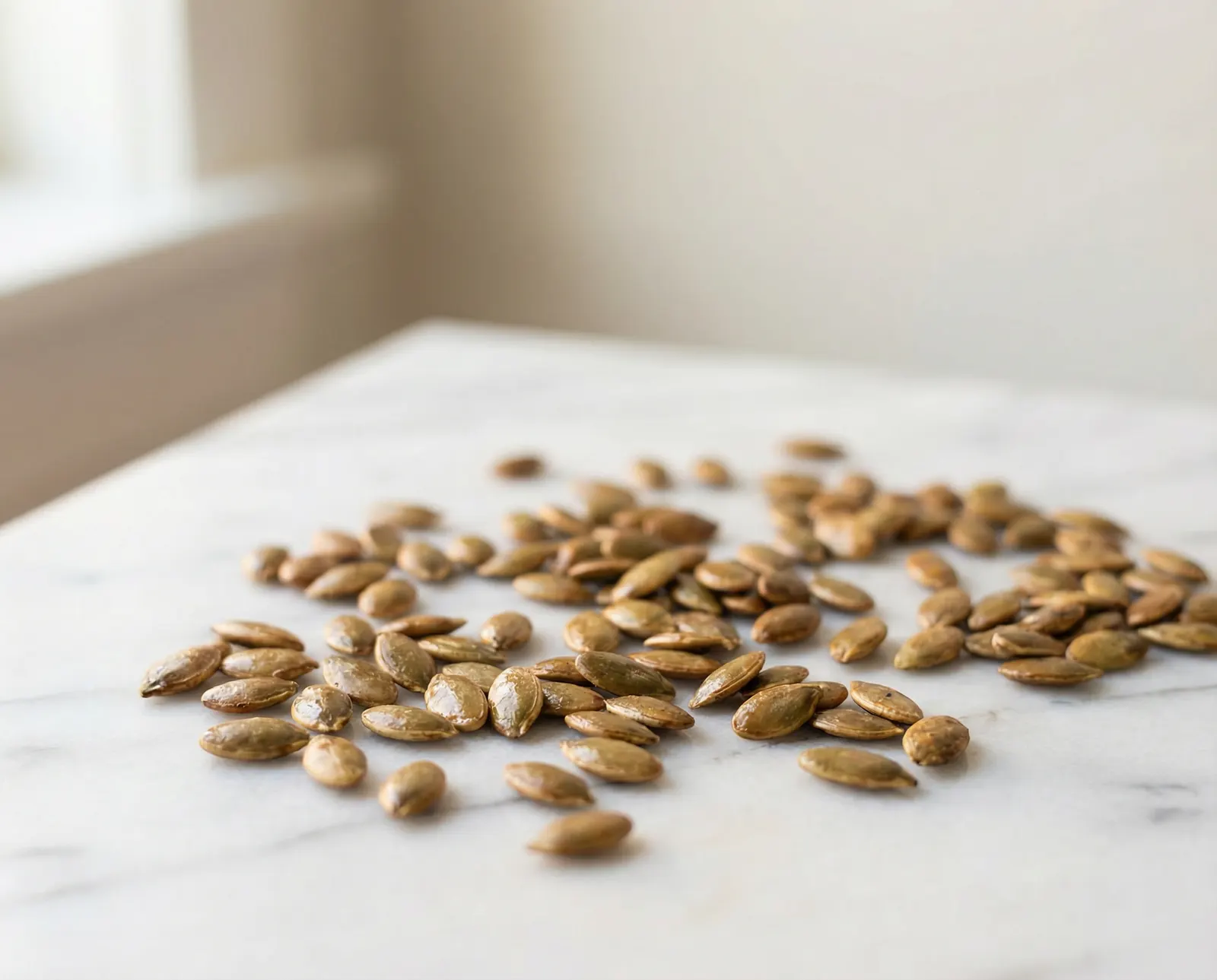
Pumpkin seeds are a concentrated source of essential minerals, including zinc, magnesium, and iron. They also provide healthy fats and plant-based protein. For infants, they must be finely ground into a powder or served as a smooth, thinned-out seed butter, as whole seeds are a major choking hazard until age 4.
How to serve Pumpkin Seeds (Pepitas), by age
- 6mo
From 6 months: Fine powder or thinned, liquid spread.
Serve ONLY as a fine powder (ground in a spice grinder) or as smooth pumpkin seed butter (Pepita butter) thinned with breast milk or water. Stir 1/2 teaspoon of the powder or thinned butter into purees like butternut squash, pear, or apple. Whole seeds are strictly forbidden.
- 9mo
From 9 months: Grainy powder or smooth spread.
Sprinkle ground pumpkin seed powder onto slippery finger foods (like avocado or banana) to improve grip. You can also mix pumpkin seed butter into full-fat Greek yogurt. Ensure the consistency is creamy and never sticky or globby.
- 12mo
From 12 months: Fine meal or thin spread.
Toddlers can enjoy pumpkin seed butter spread thinly on toast or mixed into pancakes. You can also use pumpkin seed flour in baking. Whole seeds should still be avoided; if you wish to serve them, they must be chopped into very small, irregular pieces and mixed into moist food like oatmeal.
Choking risk & safe preparation
High choking risk
Whole pumpkin seeds are a high-risk choking hazard for children under 4 years old due to their size and firm texture. Never serve whole seeds. Always grind them into a fine flour or use smooth butter thinned with liquid.
Allergen information
Not a common childhood allergen. Reactions are possible with any food, so introduce it on its own first.
Nutrition & benefits
Pumpkin seeds are a Magnesium giant (592mg), which supports muscle and nerve function. They are also incredibly high in Zinc (7.8mg), essential for DNA synthesis and immune health. One of the best plant-based sources of iron (8.8mg) for preventing infant anemia.
- Immune Support
- Bone Health
Per 100 g
- Energy
- 559kcal
- Protein
- 30.2g
- Fat
- 49g
- Fiber
- 6g
- Iron
- 8.8mg
- Vitamin C
- 1.9mg
See all nutrients (25)
Macronutrients
- Energy
- 559 kcal
- Protein
- 30.2 g
- Carbohydrates
- 10.7 g
- Fat
- 49 g
Key Minerals
- Iron
- 8.8 mg
- Calcium
- 46 mg
- Zinc
- 7.8 mg
- Sodium
- 7 mg
- Potassium
- 809 mg
- Magnesium
- 592 mg
- Phosphorus
- 1233 mg
- Selenium
- 9.4 mcg
- Copper
- 1.3 mg
- Manganese
- 4.5 mg
Vitamins
- Vitamin A
- 1 mcg
- Vitamin C
- 1.9 mg
- Vitamin D
- 0 mcg
- Vitamin B6
- 0.1 mg
- Vitamin B12
- 0 mcg
- Vitamin E
- 2.2 mg
- Vitamin K
- 7.3 mcg
- Folate
- 58 mcg
- Thiamin (B1)
- 0.3 mg
- Choline
- 63 mg
Other
- Fiber
- 6 g
Source: USDA FoodData Central
Pairs well with
Recipes with Pumpkin Seeds (Pepitas)
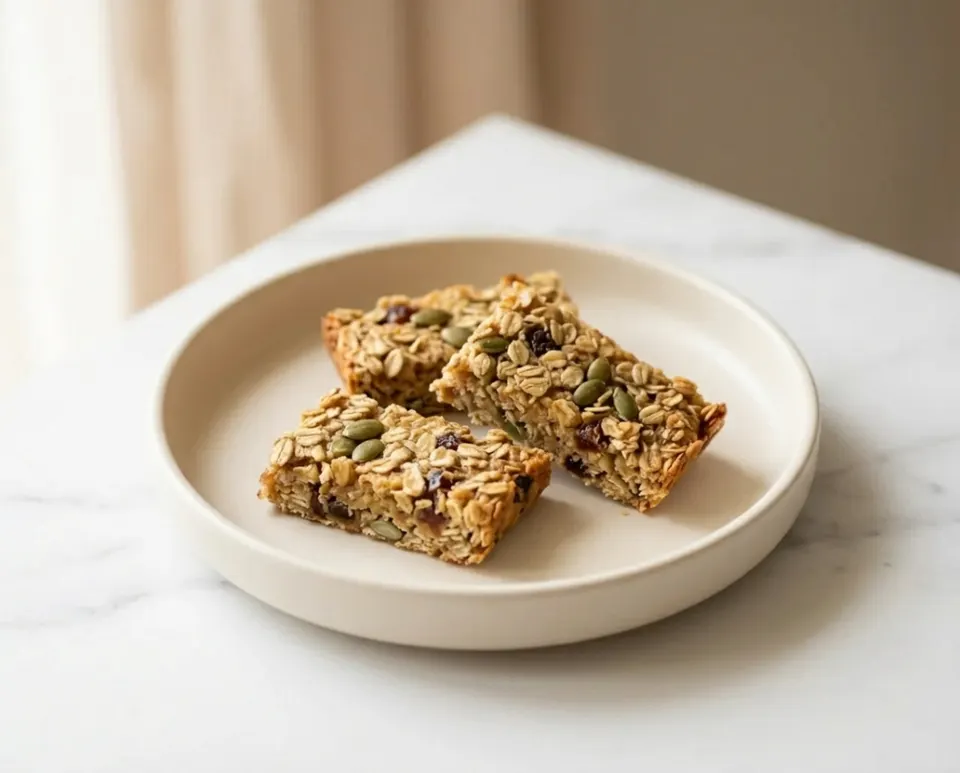
Apple & Pumpkin Seed Oat Bars
These chewy, naturally sweet bars are a fantastic way to introduce more iron into your toddler's diet. Using homemade apple sauce and fiber-rich oats, they provide a satisfying texture for little ones who are confidently chewing. They are perfect for on-the-go snacking or a quick breakfast.
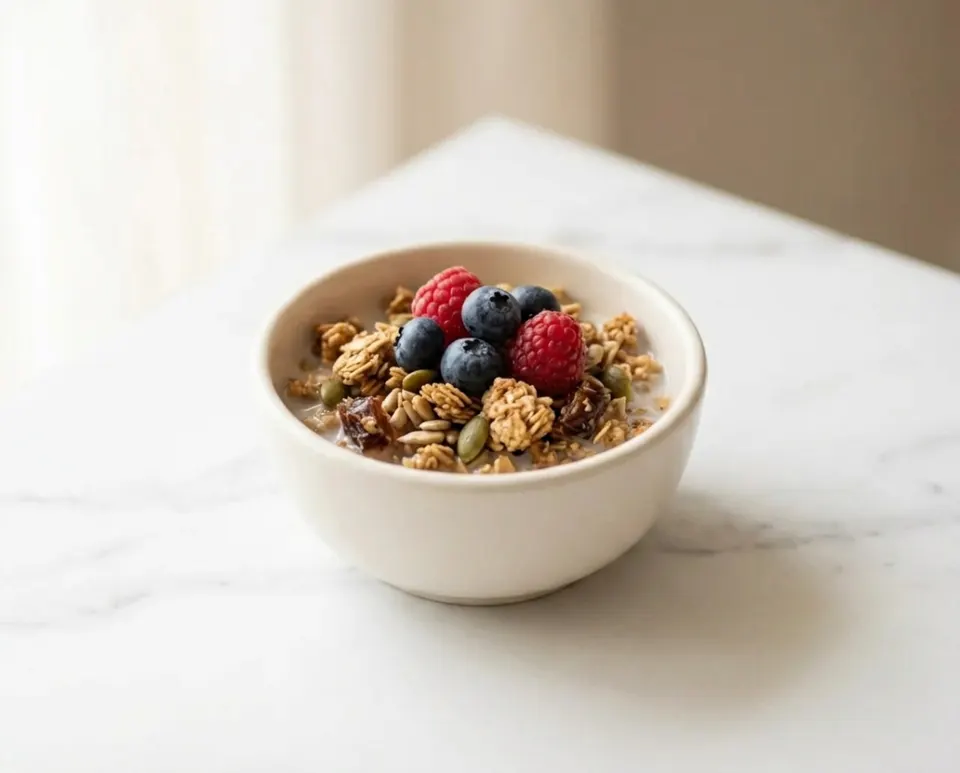
Date & Seed Toasted Granola with Berries
A wholesome, iron-rich breakfast that helps toddlers practice their chewing skills with a satisfying crunch. Naturally sweetened with dates and packed with nutritious seeds, it's a perfect energy-boosting start to the day.
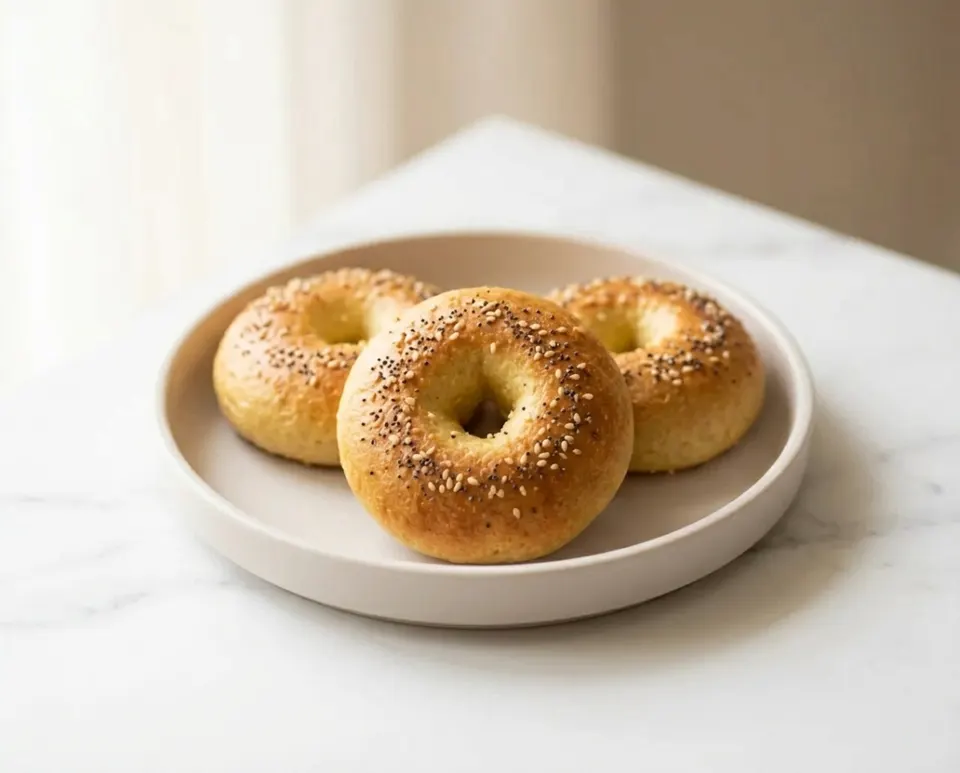
Soft Millet and Cottage Cheese Bagels
These protein-packed bagels are a wonderful alternative to traditional bread, using cottage cheese and millet for a soft, chewy texture. They are perfectly sized for little hands to hold and provide a nutritious base for their favorite spreads.
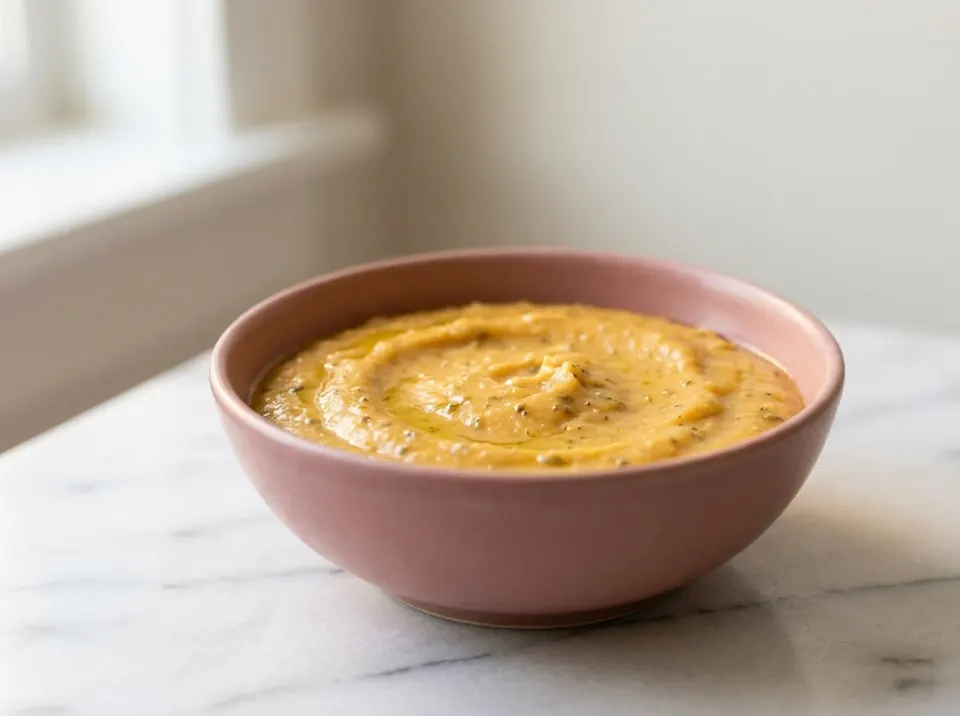
Creamy Pumpkin Polenta Porridge
A smooth and comforting Balkan-inspired polenta porridge blended with sweet roasted pumpkin. Naturally nutrient-dense with healthy fats from olive oil and ground pumpkin seeds, making it an ideal warm breakfast for young babies.
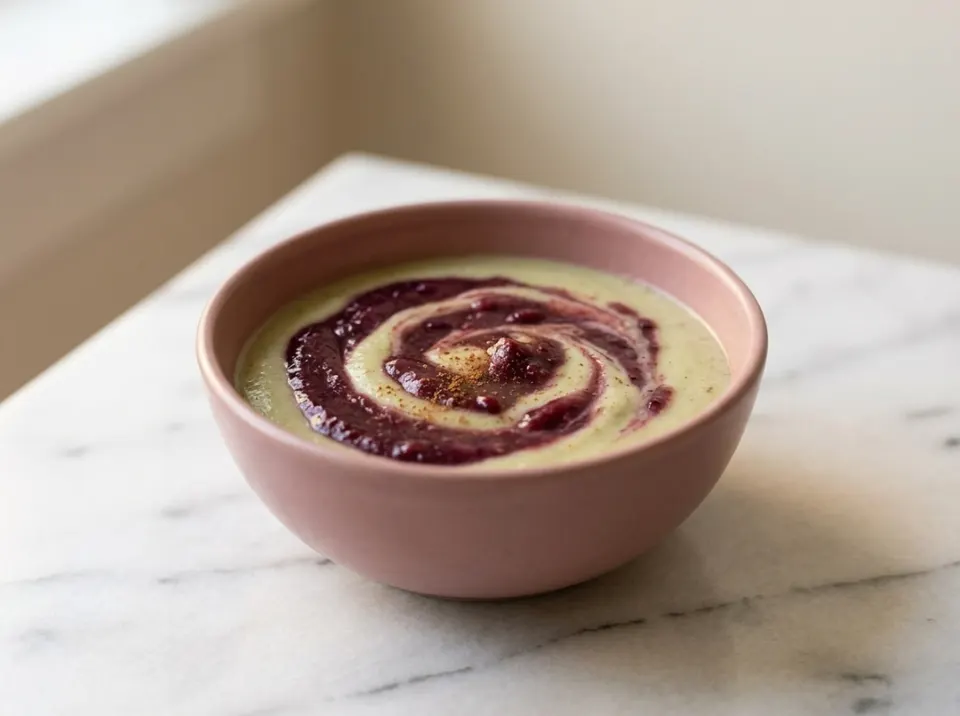
Warm Plum Purée with Pumpkin Seed Cream
A nutrient-packed spoonable blend featuring smooth cinnamon-roasted plums swirled into a silky, high-iron pumpkin seed purée. Specially crafted to provide essential minerals like iron and zinc for early solid food expansion at 6 months and up.
Frequently asked
Can I give my baby pumpkin seeds from a fresh pumpkin?
Yes, but they must be cleaned, roasted, and then ground into a fine powder. The white outer shells of fresh seeds are very fibrous and tough, so it is often easier to buy 'Pepitas' (the green inner kernels), which are softer and easier to grind.
Is pumpkin seed butter a safe alternative to peanut butter?
Yes, it is a great nut-free alternative for families with allergies. Nutritionally, it is very similar in fats and proteins but offers more zinc and magnesium. Follow the same safety rules: always thin it out with liquid for infants.

Track Pumpkin Seeds (Pepitas) in the Nica app
Log foods, track reactions, and plan meals — all in one place.

