When can babies eat Prawns / Shrimp?
From 6 months
Start with: Completely smooth, silky puree.
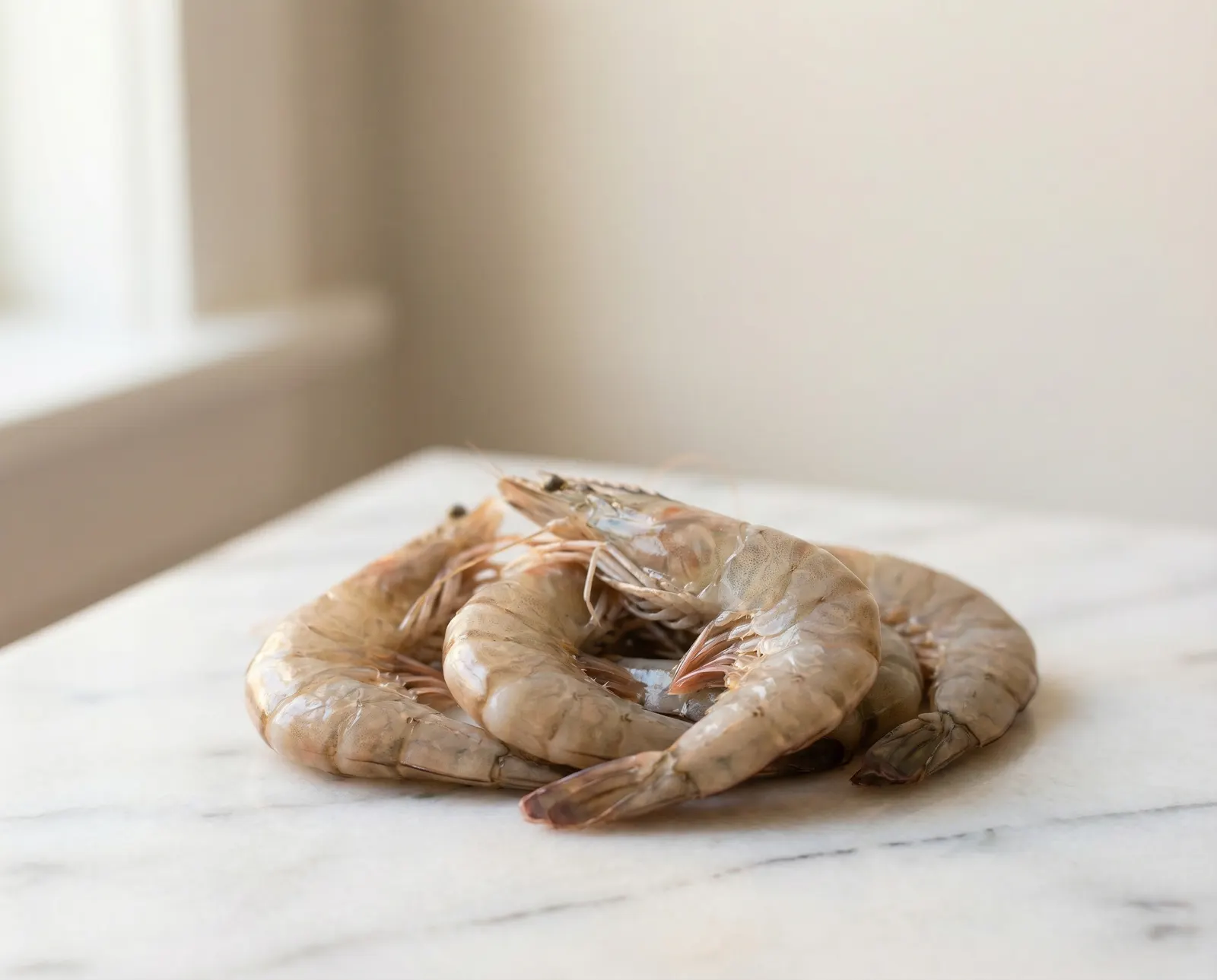
Prawns are a nutrient-dense shellfish providing high-quality protein, Vitamin B12, and essential minerals like Iodine and Selenium. They contain Astaxanthin, an antioxidant vital for eye health. While highly nutritious, prawns are a common allergen and have a firm, rubbery texture that requires careful preparation to be safe for infants.
How to serve Prawns / Shrimp, by age
- 6mo
From 6 months: Completely smooth, silky puree.
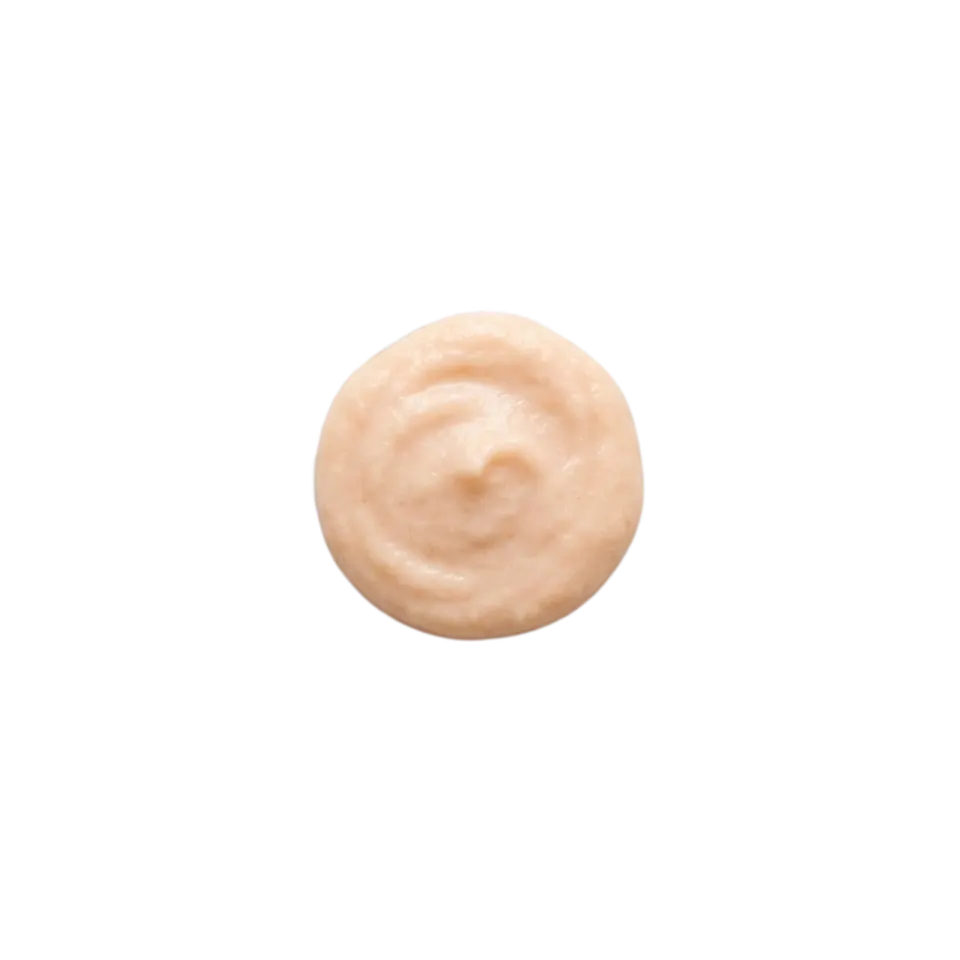
Serve only as a smooth, thoroughly blended puree. Prawns are too rubbery for 6-month-olds to chew safely. Steam or poach the prawns until pink and opaque, remove the shells and veins, and blend with breast milk or a moist vegetable like zucchini. Introduce in a very small amount to monitor for allergic reactions.
- 9mo
From 9 months: Finely minced, tiny soft bits.
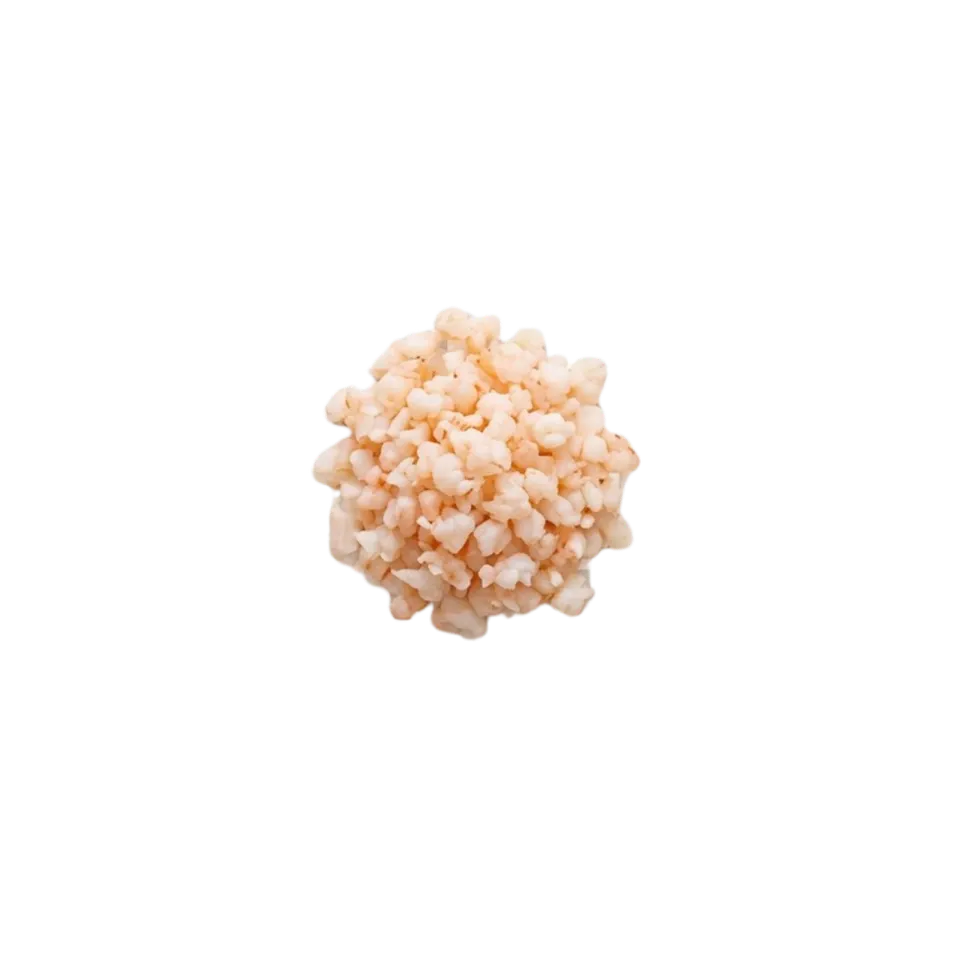
Offer finely minced or chopped prawns mixed into a moist dish. Do not serve whole prawns. Chop the cooked prawn into pieces smaller than a grain of rice and mix into a risotto, mashed avocado, or a thick sauce. This prevents the rubbery pieces from being a choking hazard while allowing the baby to practice their pincer grasp safely.
- 12mo
From 12 months: Small, tender bite-sized pieces.
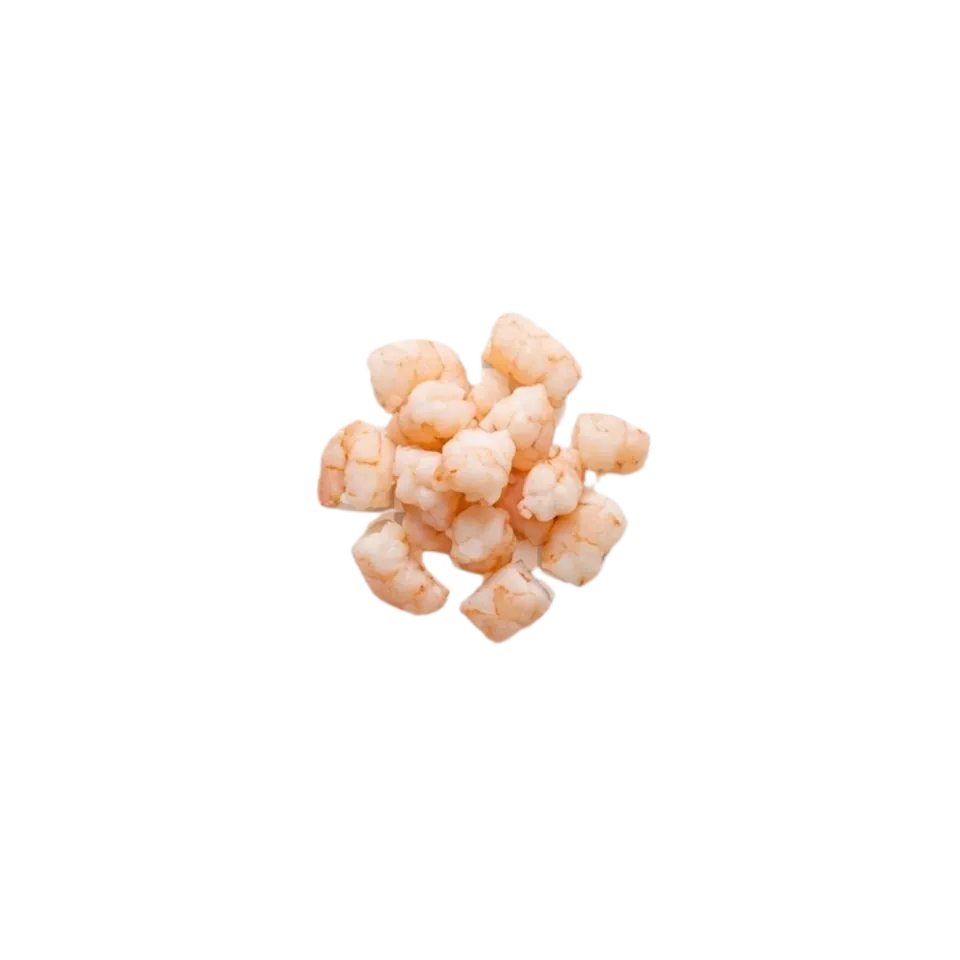
Toddlers can handle bite-sized pieces of prawn. Cut the prawn lengthwise (butterfly) and then into small pieces to break the round, rubbery shape. Ensure they are well-cooked but still moist. This is a great time to introduce mild garlic or lemon flavors with the prawns.
Choking risk & safe preparation
High choking risk
Prawns are a high choking risk due to their shape and firm, slippery texture. NEVER serve a whole prawn to a baby. They must be minced or pureed. Always remove the shell, tail, and the dark digestive vein before cooking. If the prawn is overcooked, it becomes even tougher and harder to swallow.
Allergen information
This is one of the common childhood allergens. Introduce it on its own and watch for a reaction before mixing it with new foods.
Contains or relates to these allergens:
- Shellfish
Nutrition & benefits
Prawns are a top source of Selenium (38mcg), which protects the body's cells and supports thyroid function. They are also exceptionally lean, providing 24g of protein with almost zero fat, and contain Iodine, which is critical for brain development.
- Eye Health
Per 100 g
- Energy
- 71kcal
- Protein
- 13.6g
- Fat
- 1g
- Fiber
- 0g
- Iron
- 0.2mg
- Vitamin C
- 0mg
See all nutrients (25)
Macronutrients
- Energy
- 71 kcal
- Protein
- 13.6 g
- Carbohydrates
- 0.9 g
- Fat
- 1 g
Key Minerals
- Iron
- 0.2 mg
- Calcium
- 54 mg
- Zinc
- 1 mg
- Sodium
- 566 mg
- Potassium
- 113 mg
- Magnesium
- 22 mg
- Phosphorus
- 244 mg
- Selenium
- 29.6 mcg
- Copper
- 0.2 mg
- Manganese
- < 0.1 mg
Vitamins
- Vitamin A
- 54 mcg
- Vitamin C
- 0 mg
- Vitamin D
- 0.1 mcg
- Vitamin B6
- 0.2 mg
- Vitamin B12
- 1.1 mcg
- Vitamin E
- 1.3 mg
- Vitamin K
- 0.3 mcg
- Folate
- 19 mcg
- Thiamin (B1)
- < 0.1 mg
- Choline
- 80.9 mg
Other
- Fiber
- 0 g
Source: USDA FoodData Central
Pairs well with
Recipes with Prawns / Shrimp
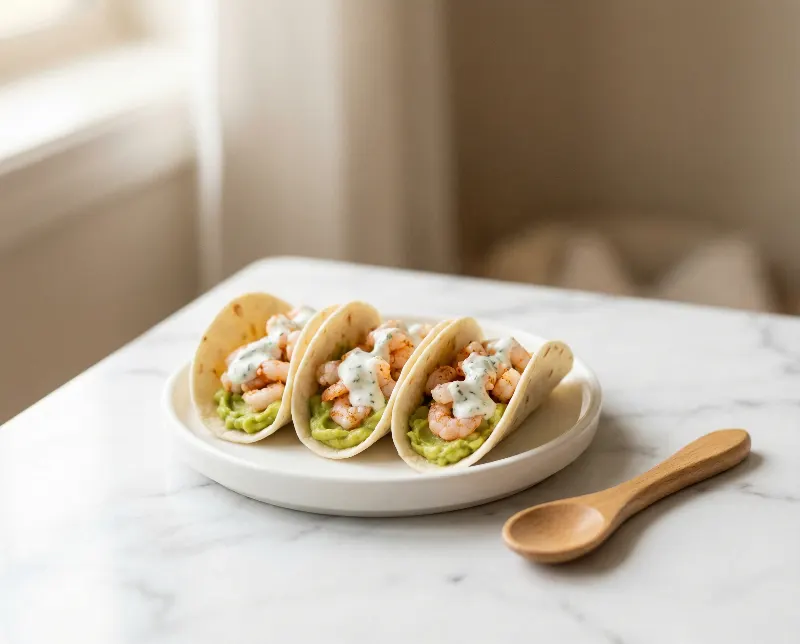
Mini Soft Prawn Tacos with Lime Cream
Tiny, soft-shell tacos filled with tender chopped prawns, mashed avocado, and a cooling lime yogurt. A fun, hand-held meal rich in protein and healthy fats.
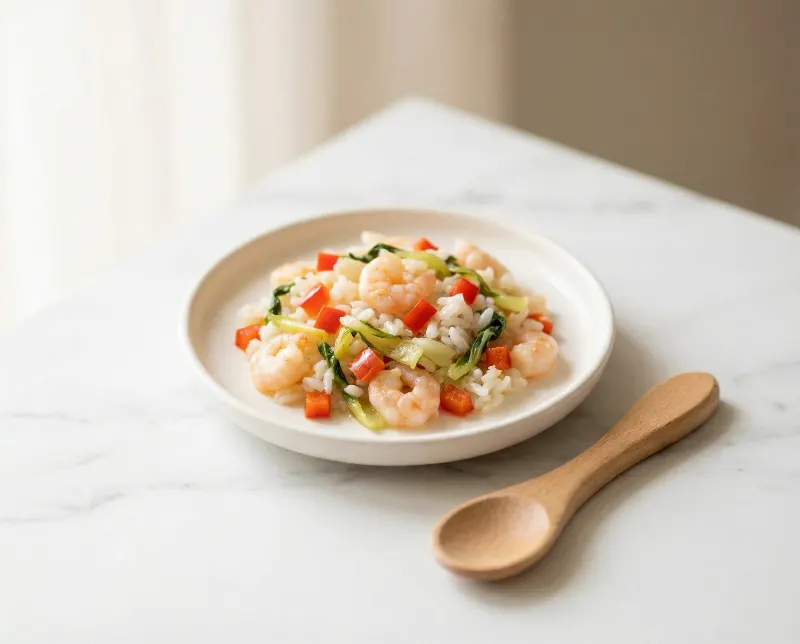
Mild Prawn & Soft Veggie Stir-fry
A light and nutritious introduction to seafood. Succulent prawns and tender vegetables tossed with ginger and lemon, served over soft white rice. A high-protein meal that is gentle on little tummies.
Frequently asked
Can babies eat frozen prawns?
Yes, frozen prawns are often just as nutritious as fresh ones. However, check the label to ensure they are not pre-salted or treated with preservatives like sodium tripolyphosphate, which can be too much for a baby's kidneys.
What does a shellfish allergy look like?
Symptoms usually appear quickly and can include hives, swelling of the face, vomiting, or wheezing. Because shellfish can cause severe reactions, always introduce prawns in the morning and wait at least 3 days before introducing another new food.

Track Prawns / Shrimp in the Nica app
Log foods, track reactions, and plan meals — all in one place.

