When can babies eat Peanut Butter?
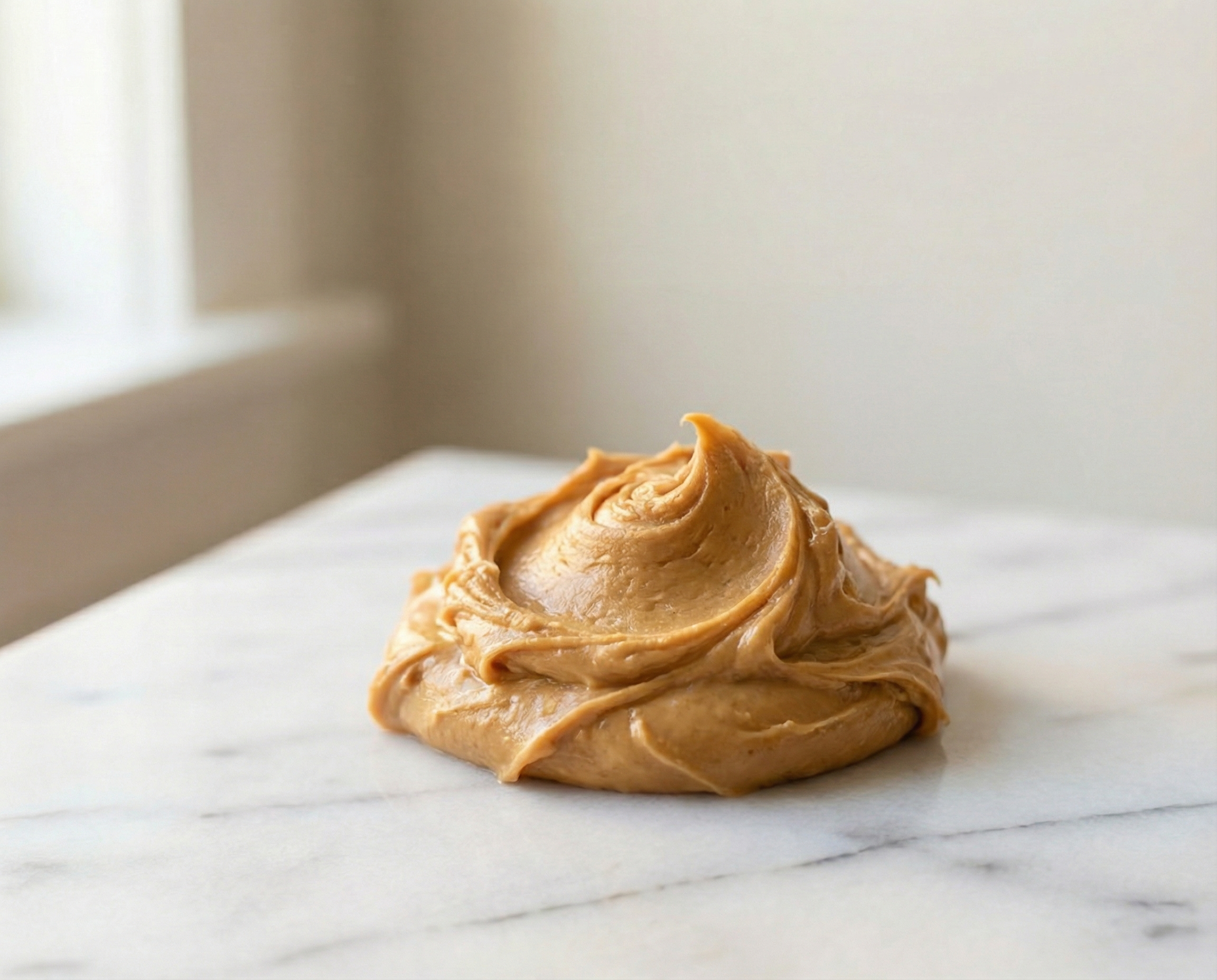
Peanut butter is an energy-dense food providing high-quality plant protein, healthy monounsaturated fats, and Vitamin E. While it is highly nutritious, it is also a common allergen. Modern pediatric guidelines suggest early introduction (around 6 months) to help reduce the risk of developing a lifelong peanut allergy. It must always be served thinned down for safety.
Age guide
| Stage | Min age | Serving | Texture |
|---|---|---|---|
| 6m+ | 6m | NEVER serve thick peanut butter or on a spoon. Thin 1-2 teaspoons of smooth peanut butter with warm water, breast milk, or formula until it is a liquid, 'drizzle' consistency. Stir this into baby's cereal or puree. Use only 'Creamy' and 'Unsweetened' varieties. Monitor closely for any allergic reaction during the first few exposures. | Liquid / Thinned drizzle. |
| 9m+ | 9m | Spread a very thin, translucent layer of smooth peanut butter onto a soft strip of toast or a teething wafer. You can also whisk peanut butter into full-fat Greek yogurt. Ensure there are no large globs, as these can stick to the roof of the mouth and cause choking. Avoid 'Crunchy' peanut butter until at least age 4. | Very thin spread. |
| 12m+ | 12m | Toddlers can enjoy peanut butter spread on fruit slices (like thin apple or banana) or mixed into oatmeal. While they are better at chewing, peanut butter remains a sticky hazard. Always encourage the child to take a sip of water between bites of peanut butter-coated foods to help clear the palate. | Creamy spread. |
Pairs well with
Frequently asked
Recipes with Peanut Butter
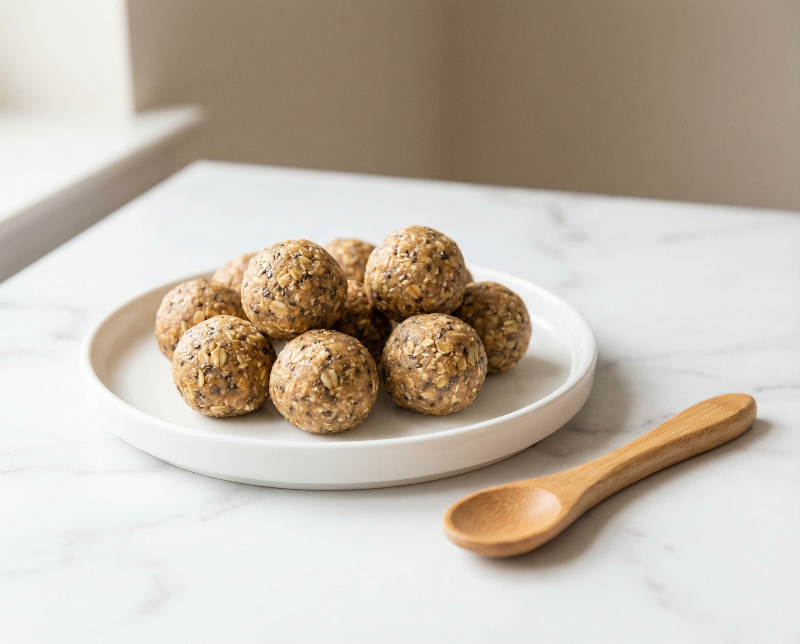
Soft Banana & Peanut Butter Energy Balls
A naturally sweet, no-bake snack perfect for little hands. These soft bites combine potassium-rich bananas with protein-packed peanut butter and fiber-filled oats for a healthy energy boost.
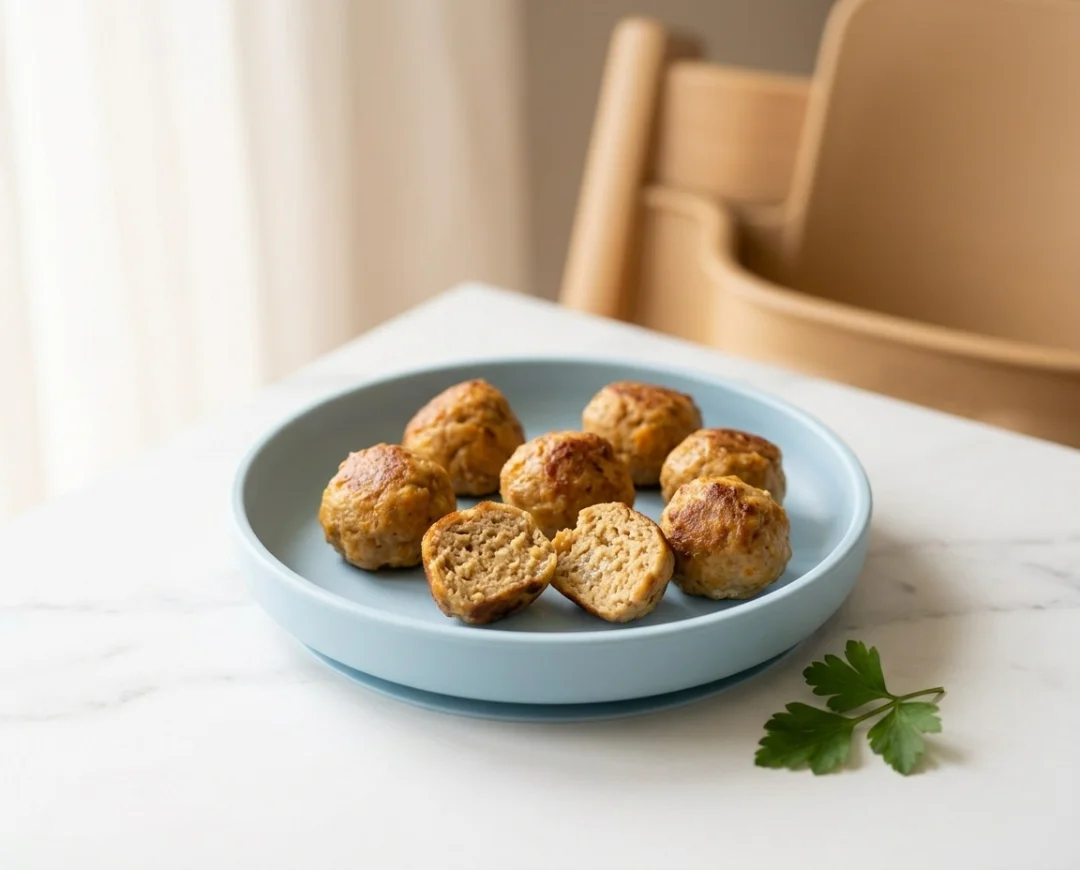
Butternut Squash & Peanut Butter Baby Meatballs
Juicy, iron-rich meatballs with hidden butternut squash for sweetness and smooth peanut butter for binding and allergen exposure. Egg-free and dairy-free. Soft enough for baby to mash with their gums, cut in halves for pincer grasp practice.
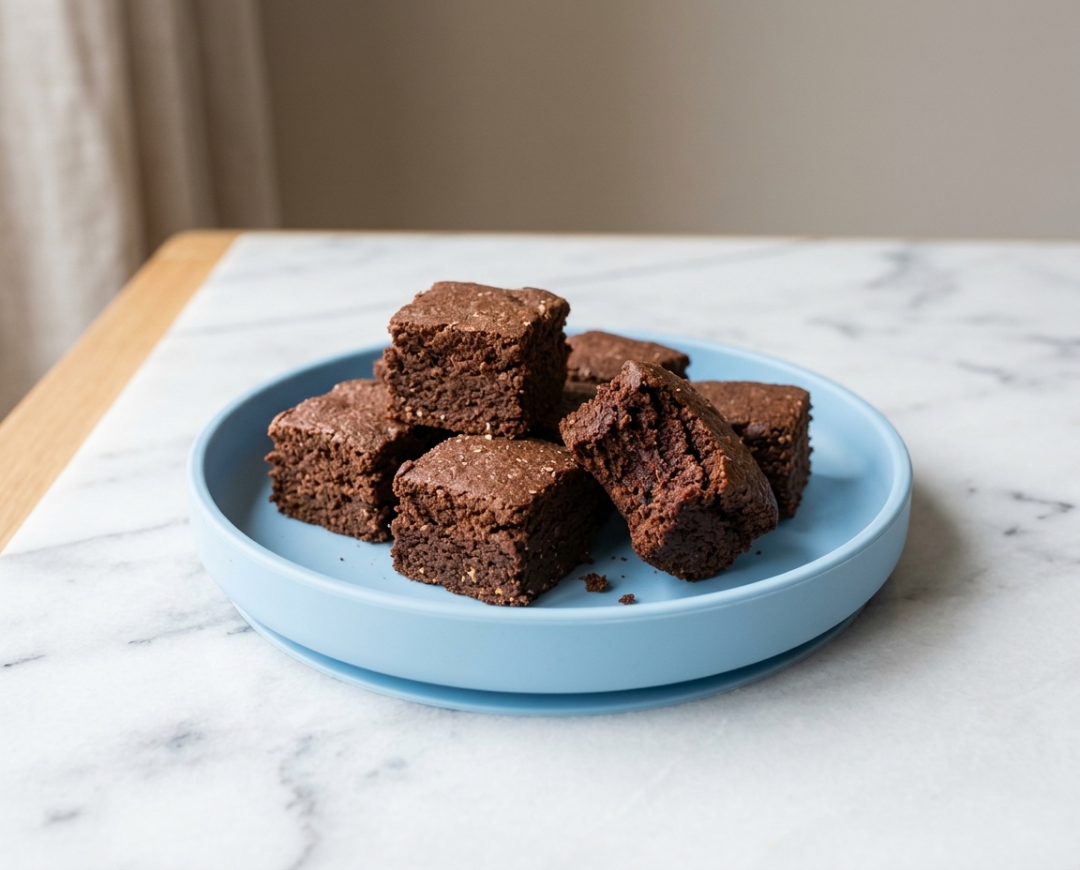
Iron Rich Liver Brownie
Soft, fudgy, and naturally sweet brownie packed with iron-rich chicken liver, banana, and dates. Specially adapted for toddlers 12 months and older as a nutrient-dense snack with no added sugars. The cocoa and fruit flavors disguise the liver completely for a picky-eater friendly boost.
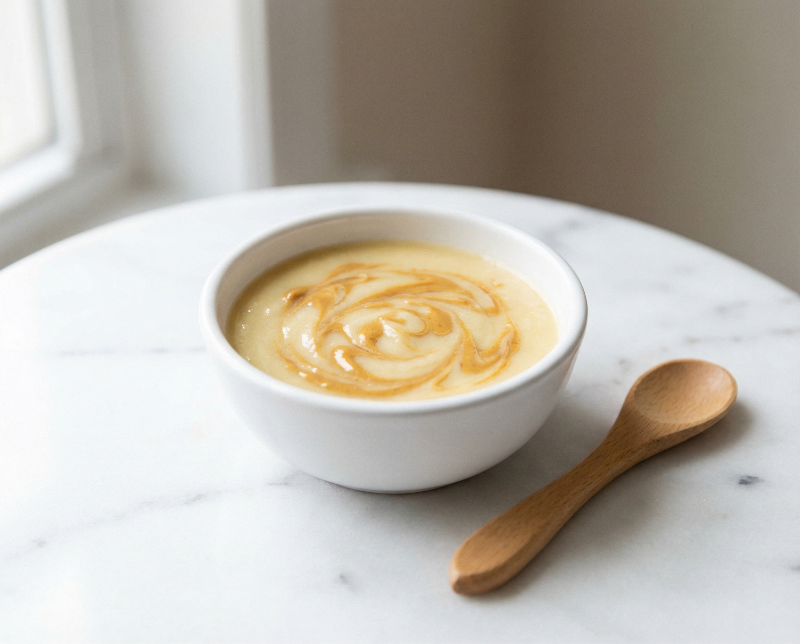
Peanut Butter & Banana Puree Swirl
A safe and delicious way to introduce peanuts. This recipe features a smooth banana base with thinned peanut butter swirled in, providing healthy fats and protein while following early allergen introduction guidelines.
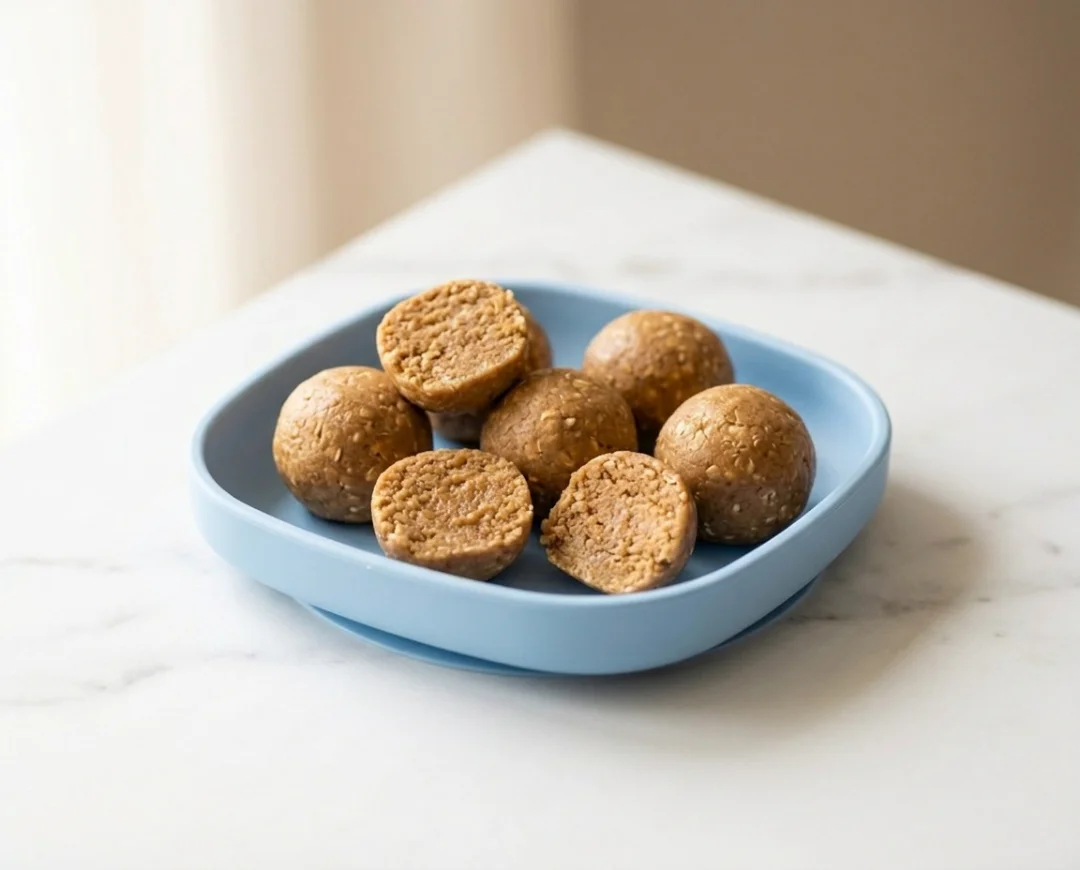
Peanut Butter & White Bean Bliss Balls
Protein-packed no-bake balls combining creamy peanut butter with white beans, oats, and dates. The beans are completely hidden, adding plant protein and keeping every ball soft and satisfying.
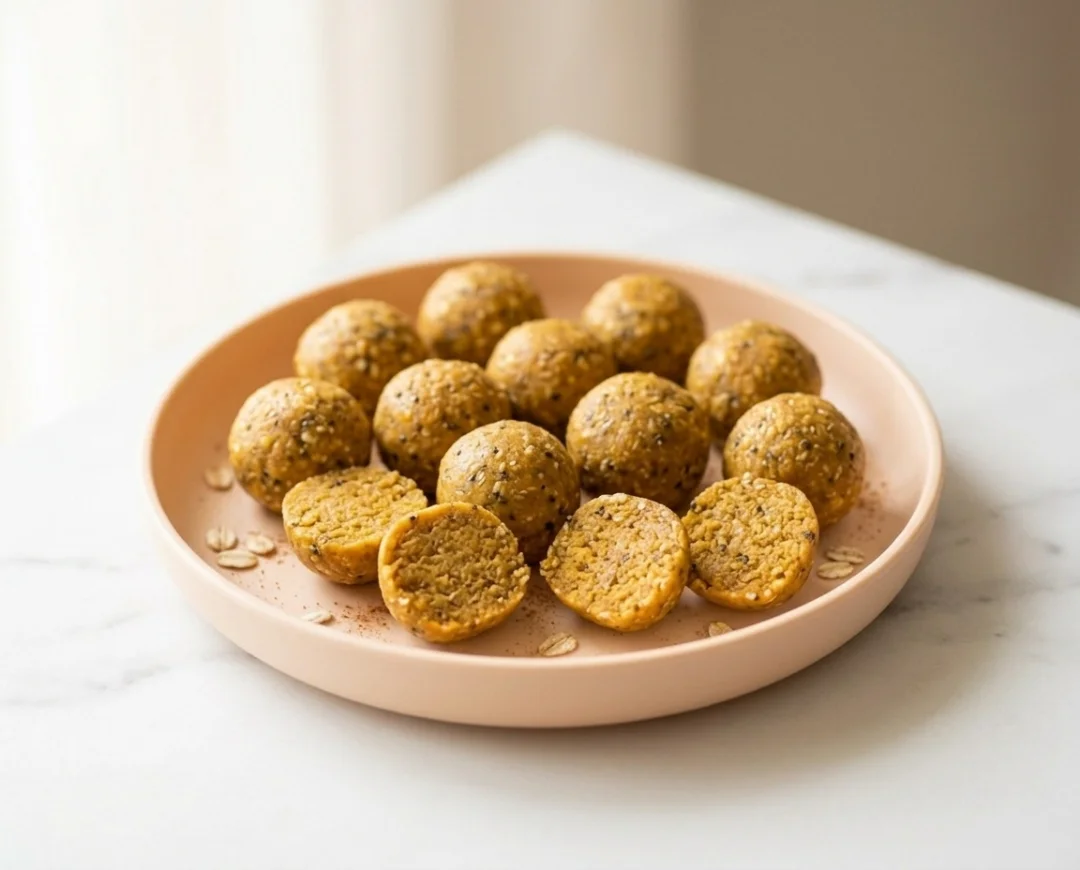
Pumpkin & Peanut Butter Energy Balls
Soft, no-bake bites made with pumpkin purée, peanut butter, oats, and warming spices. A perfectly seasonal snack that is rich in beta-carotene and makes a great on-the-go energy booster.
Track Peanut Butter in the Nica app
Log foods, track reactions, and plan meals — all in one place.