When can babies eat Paprika?
From 6 months
Start with: Fine, vibrant powder.
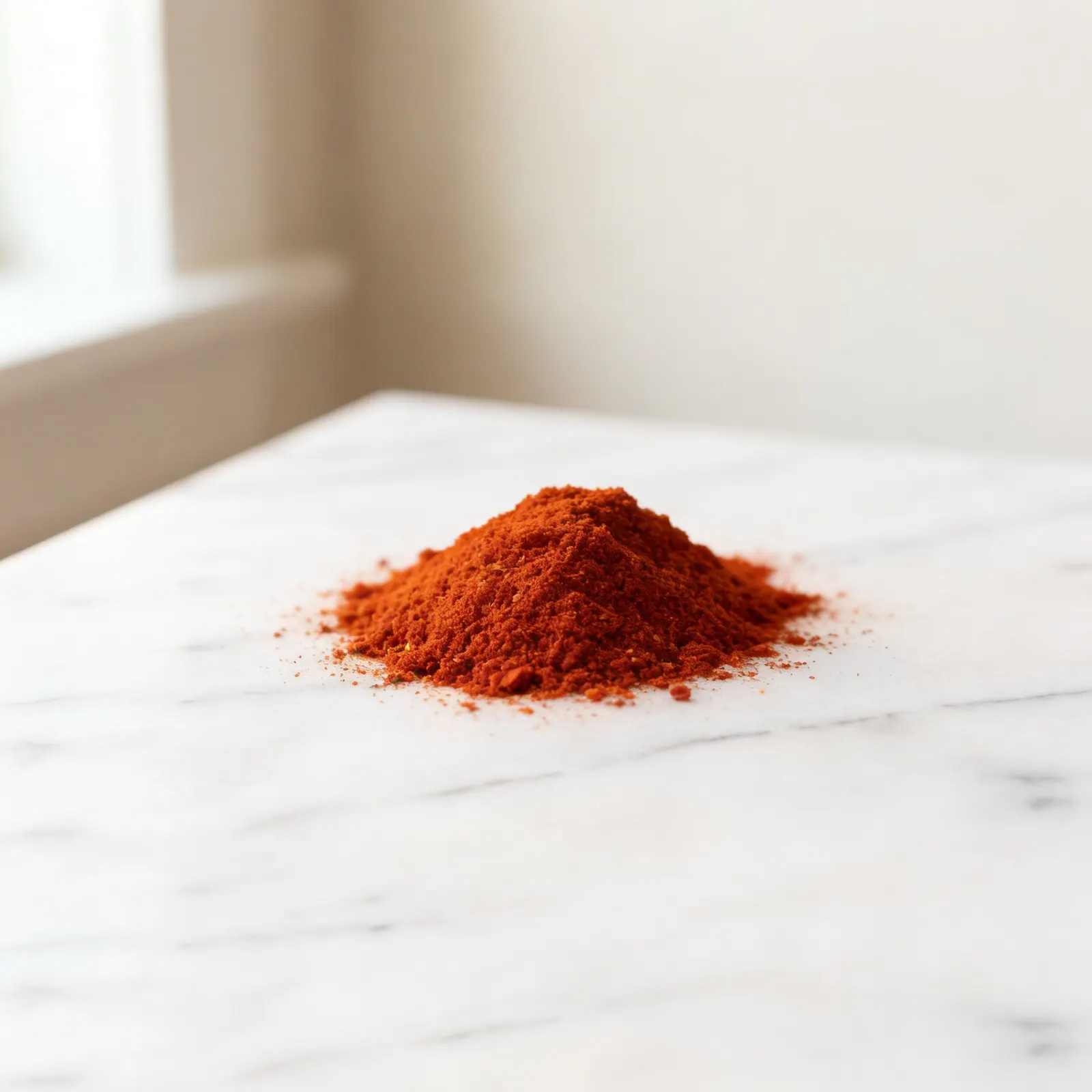
Paprika is a ground spice made from dried red peppers. It ranges from mild and sweet to hot and smoky. For babies, sweet paprika is a nutritional gem, packed with Vitamin A (beta-carotene) for eye health and Vitamin E for skin protection. It is a non-spicy way to add vibrant color and a mild earthy sweetness to savory meals.
How to serve Paprika, by age
- 6mo
From 6 months: Fine, vibrant powder.
Introduce a tiny pinch of 'Sweet' paprika stirred into smooth purees like cauliflower, potato, or chicken. Ensure you are not using 'Hot' or 'Spicy' varieties, as capsicum can be harsh on an infant's stomach. It pairs perfectly with healthy fats like olive oil which helps the baby absorb the Vitamin A.
- 9mo
From 9 months: Dry powder seasoning.
Use sweet paprika to season roasted potato wedges, chickpeas, or fish. It gives food an appealing reddish-orange color that can entice babies who are becoming more visually selective with their food. It is also a great addition to homemade hummus.
- 12mo
From 12 months: Integrated spice.
Toddlers can enjoy 'Smoked' paprika (Pimentón) in stews or on roasted meats for a deeper flavor profile. Continue to avoid 'Hot' versions. Paprika is a wonderful alternative to salt for adding depth and 'savory-ness' to family dinners.
Choking risk & safe preparation
Low choking risk
Paprika powder is safe. However, like any fine powder, avoid puffing it near the baby's face as inhaling the spice can cause coughing or irritation of the nasal passages.
Allergen information
Not a common childhood allergen. Reactions are possible with any food, so introduce it on its own first.
Nutrition & benefits
Paprika is a Vitamin A powerhouse (2463mcg), providing essential carotenoids like lutein and zeaxanthin which protect the retina. It is also exceptionally high in Vitamin E (29.1mg), a fat-soluble antioxidant that supports immune function and skin health.
- Eye Health
- Immune Support
Per 100 g
- Energy
- 282kcal
- Protein
- 14.1g
- Fat
- 12.9g
- Fiber
- 34.9g
- Iron
- 21.1mg
- Vitamin C
- 0.9mg
See all nutrients (25)
Macronutrients
- Energy
- 282 kcal
- Protein
- 14.1 g
- Carbohydrates
- 54 g
- Fat
- 12.9 g
Key Minerals
- Iron
- 21.1 mg
- Calcium
- 229 mg
- Zinc
- 4.3 mg
- Sodium
- 68 mg
- Potassium
- 2280 mg
- Magnesium
- 178 mg
- Phosphorus
- 314 mg
- Selenium
- 6.3 mcg
- Copper
- 0.7 mg
- Manganese
- 1.6 mg
Vitamins
- Vitamin A
- 2463 mcg
- Vitamin C
- 0.9 mg
- Vitamin D
- 0 mcg
- Vitamin B6
- 2.1 mg
- Vitamin B12
- 0 mcg
- Vitamin E
- 29.1 mg
- Vitamin K
- 80.3 mcg
- Folate
- 49 mcg
- Thiamin (B1)
- 0.3 mg
- Choline
- 51.5 mg
Other
- Fiber
- 34.9 g
Source: USDA FoodData Central
Pairs well with
Recipes with Paprika
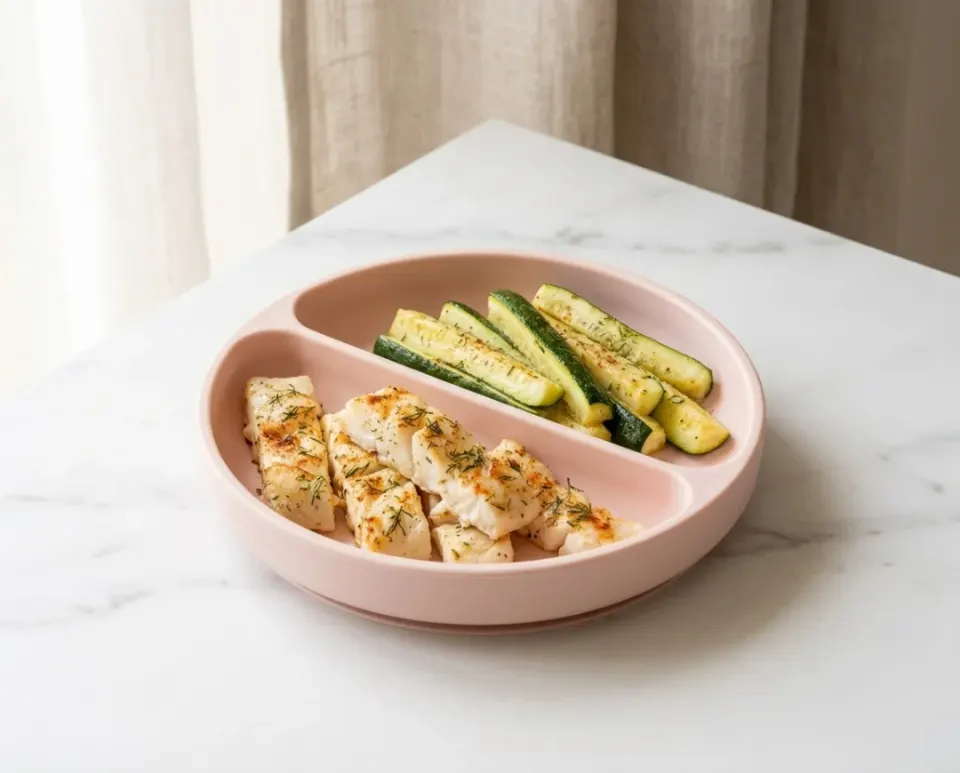
Baked Cod & Courgette Fingers
Simple baked cod strips served alongside tender courgette batons. White fish is mild in flavour and rich in iodine, making it an excellent first fish for babies. This quick, no-fuss dinner takes just 25 minutes from start to plate.
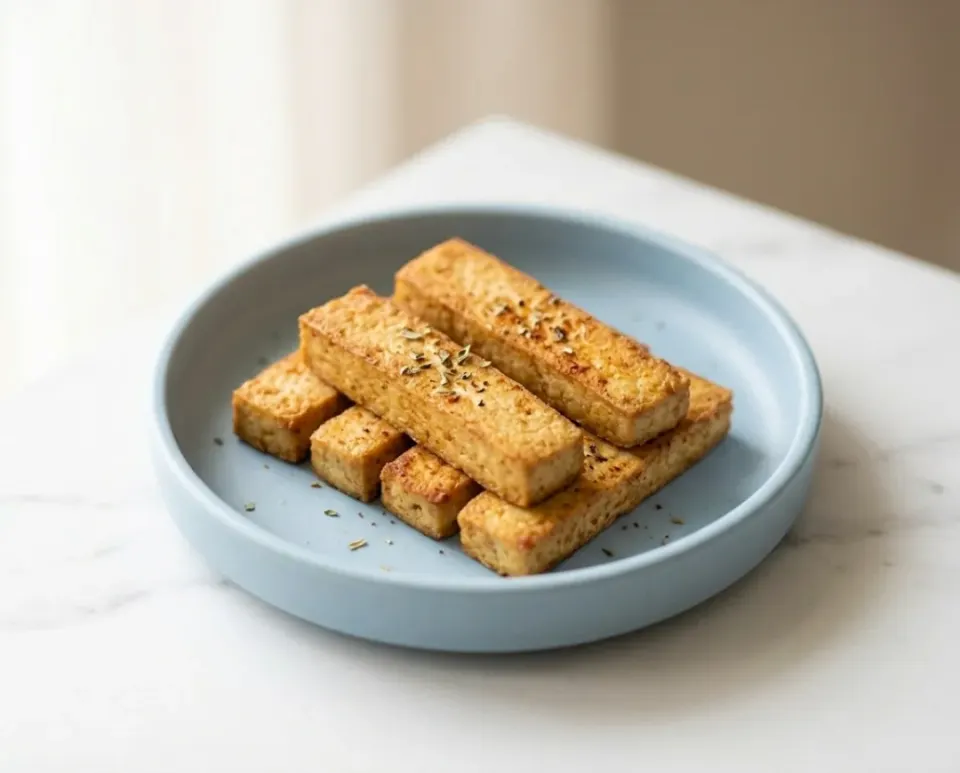
Baked Seasoned Tofu Fingers
Lightly seasoned tofu strips baked until golden on the outside but still soft inside. A perfect plant-based protein finger food that introduces soy allergen. The mild spices, paprika and cumin, bring gentle warmth without heat.
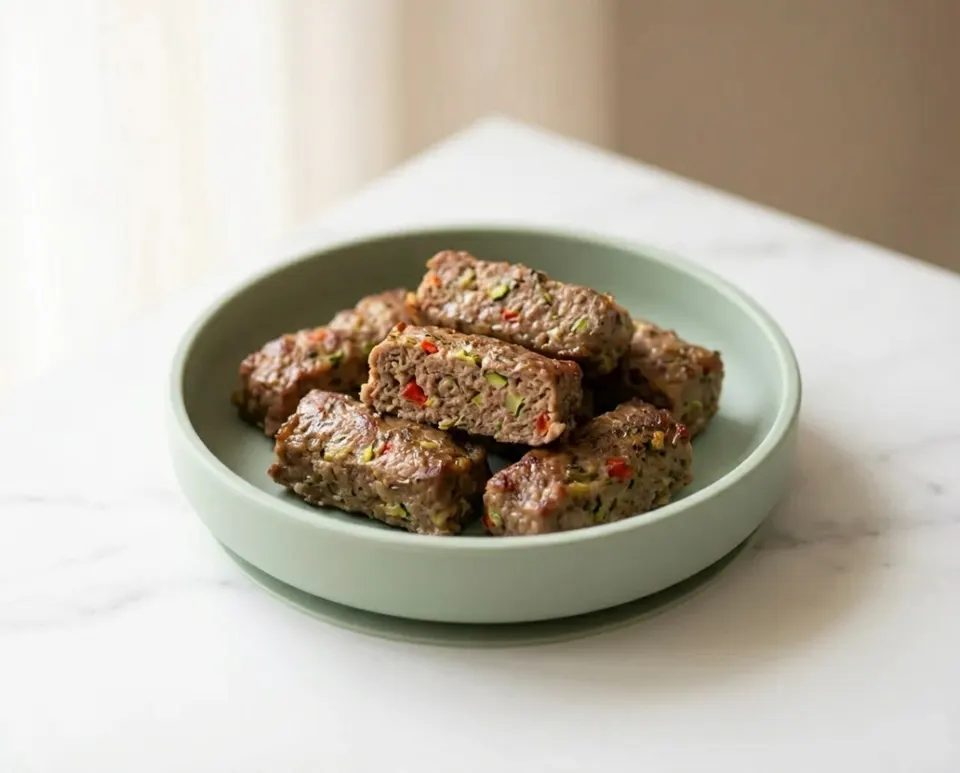
Beef and Veggie Meat Kebabs
These nutrient-dense beef bites are a fantastic way to introduce iron and protein alongside hidden vegetables. The addition of zucchini and bell pepper keeps the meat moist and tender for toddlers to chew. Perfect for little hands to hold and enjoy during family dinner time.
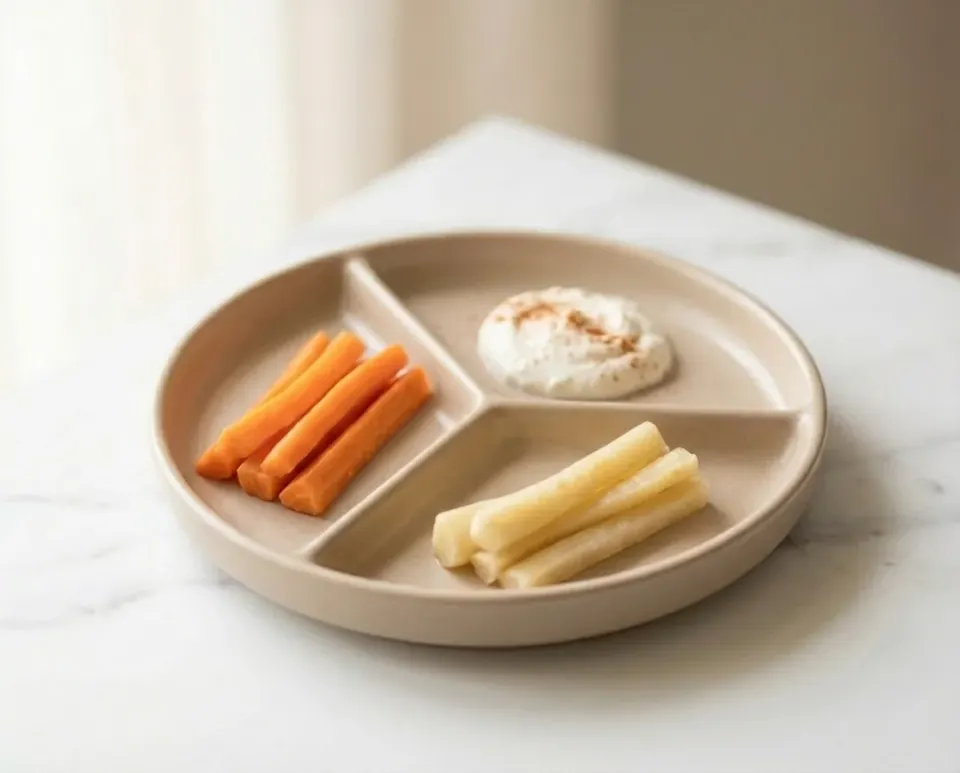
Carrot & Parsnip Sticks with Cream Cheese Dip
Steamed root vegetable sticks served with a simple cream cheese dip. Carrots and parsnips become wonderfully soft when steamed, making them perfect first finger foods. Parsnips have a naturally sweet flavour that most babies love.
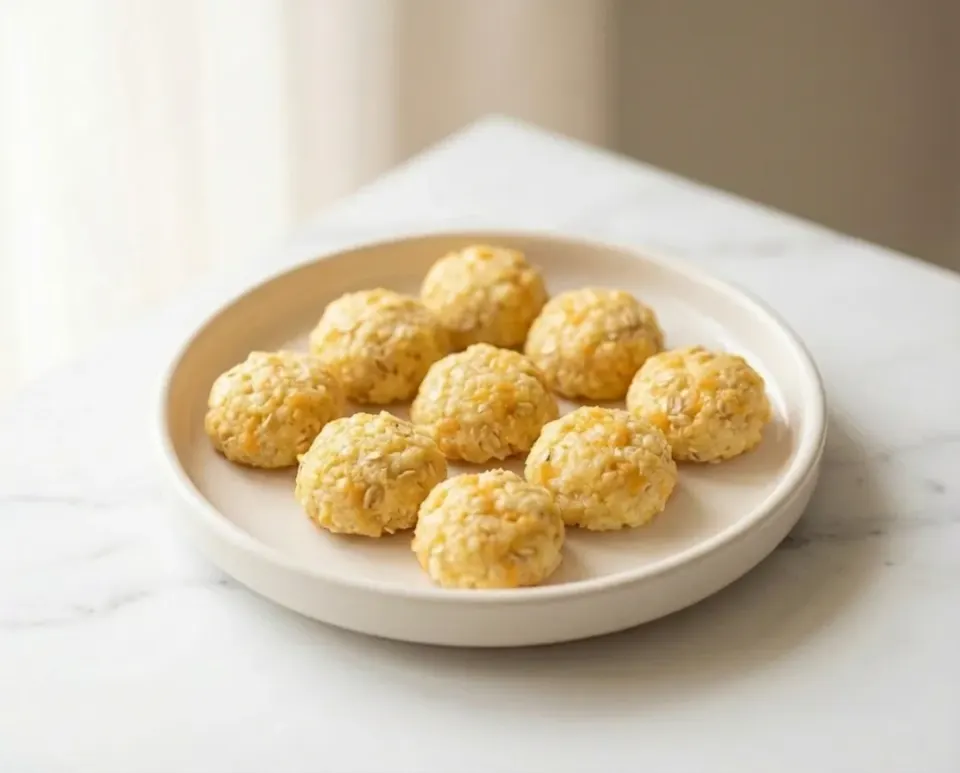
Cauliflower & Cheese Bites
Soft, golden bites made with steamed cauliflower, mild cheddar, and oats. These mini bites are packed with calcium and vitamin C, perfect for baby to pick up and self-feed. A wonderful way to introduce cauliflower in a cheesy, irresistible form.
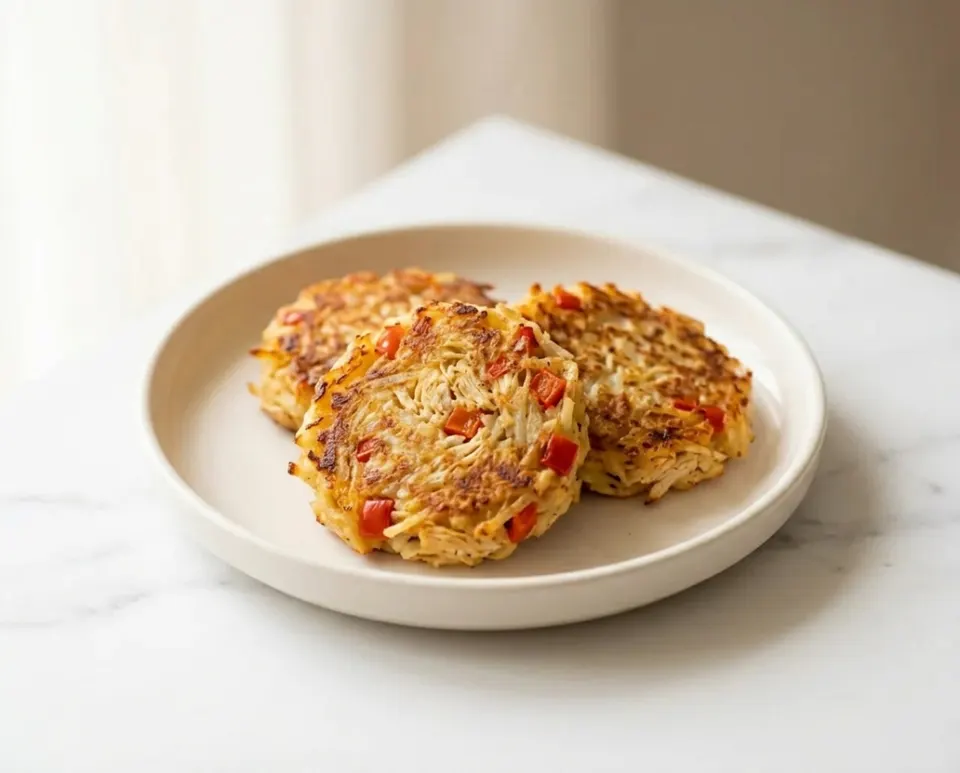
Crispy Chicken and Pepper Hash Brown Cakes
These golden potato patties are a fantastic way to serve protein and veggies in a fun, handheld format. The combination of shredded chicken and soft bell peppers makes for a savory, satisfying meal that toddlers love to dip and eat. They are perfect for busy mornings or a quick nutritious lunch.
Frequently asked
How can I tell the difference between sweet and hot paprika?
Always check the label for terms like 'Sweet,' 'Noble Sweet,' or 'Dulce.' If it says 'Hot,' 'Spicy,' or 'Picante,' it is not suitable for young babies. When in doubt, taste a tiny bit yourself—it should be mild and slightly fruity, never stinging.
Can paprika cause a diaper rash?
Sweet paprika usually does not. However, if you accidentally use a spicy variety, the capsaicin can pass through the digestive tract and cause redness or irritation in the diaper area. Stick to sweet varieties to keep your baby comfortable.

Track Paprika in the Nica app
Log foods, track reactions, and plan meals — all in one place.

