When can babies eat Molasses?
From 6 months
Start with: Very thick, viscous syrup.
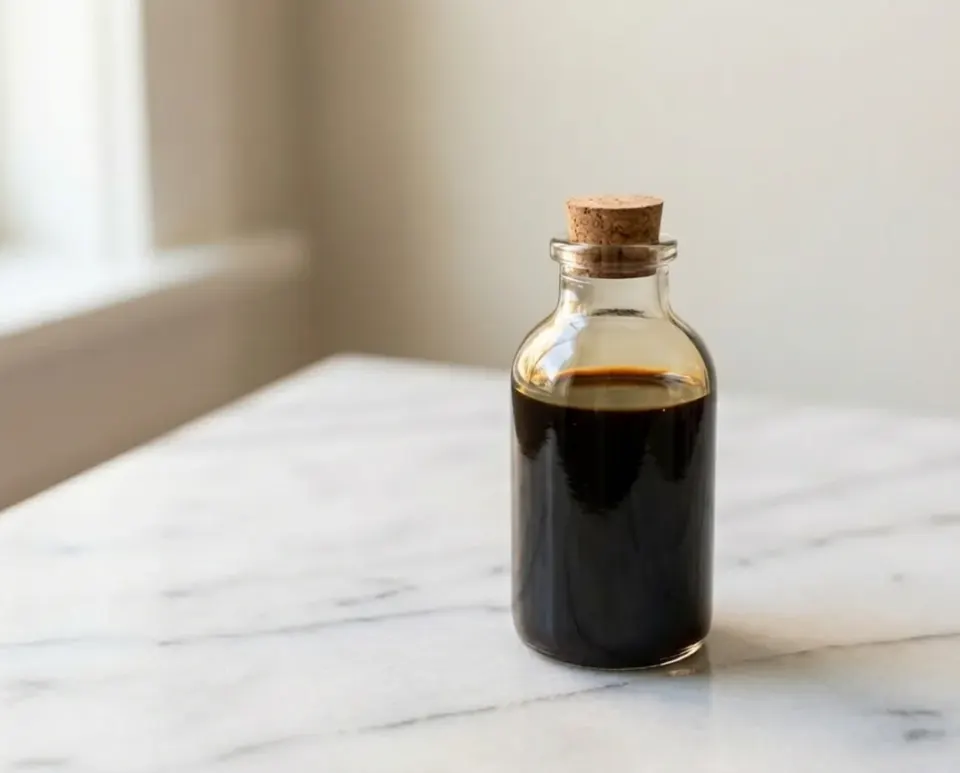
Molasses is a thick, dark syrup produced during the sugar-making process. Unlike refined sugar, 'Blackstrap' molasses contains significant amounts of vitamins and minerals that were concentrated from the sugar cane plant. It is an exceptional plant-based source of iron and calcium. While it is a sweetener, it offers functional nutritional benefits when used sparingly in baby recipes like porridges or healthy baked goods.
How to serve Molasses, by age
- 6mo
From 6 months: Very thick, viscous syrup.
Introduce molasses by stirring a tiny drop (less than 1/4 teaspoon) into iron-fortified oatmeal or a vegetable puree like sweet potato. Because of its very strong, slightly bitter flavor, a tiny amount goes a long way. Always ensure you are using 'Unsulphured Blackstrap Molasses' for the highest nutrient content and purity.
- 9mo
From 9 months: Sticky, thick liquid.
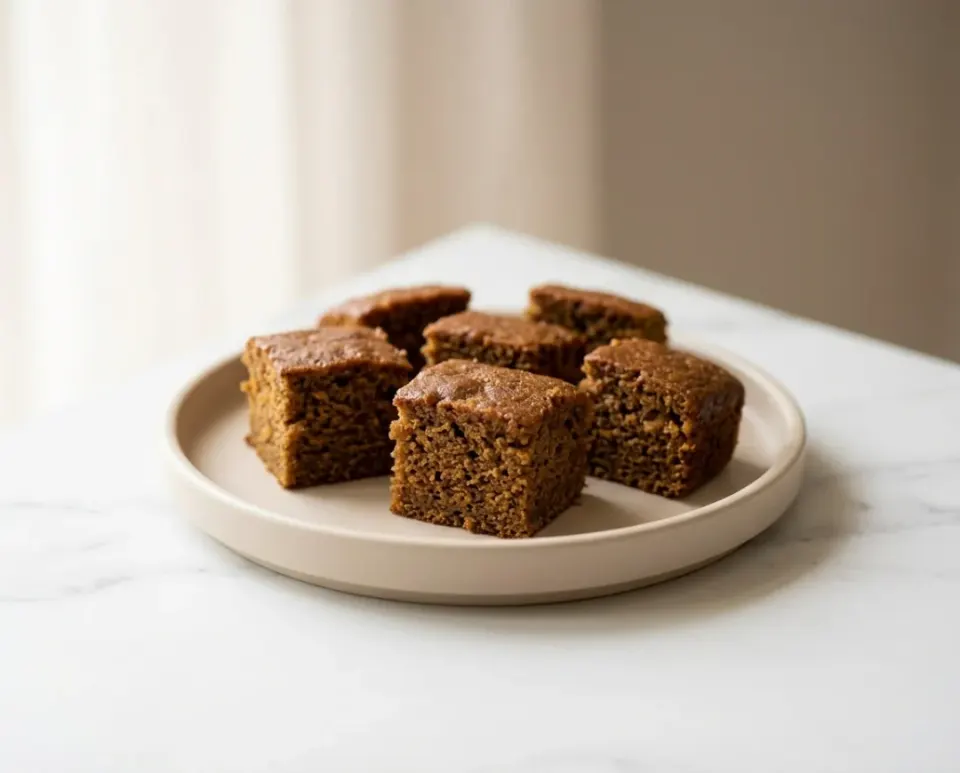
Use molasses as a nutrient-booster in homemade baby muffins or pancakes. It pairs exceptionally well with warm spices like ginger and cinnamon. At this stage, it serves as a great way to add iron to a vegetarian or plant-based infant diet.
- 12mo
From 12 months: Dense syrup.
Toddlers can enjoy small amounts of molasses in smoothies or as a glaze for roasted root vegetables like carrots. While it is mineral-rich, continue to treat it as an 'added sugar' and limit overall daily intake to protect dental health and maintain a balanced palate.
Choking risk & safe preparation
Low choking risk
Molasses is a liquid and poses no choking risk. However, its high viscosity means it should always be mixed into other foods rather than given alone on a spoon to a beginner eater.
Allergen information
Not a common childhood allergen. Reactions are possible with any food, so introduce it on its own first.
Nutrition & benefits
Blackstrap molasses is a rare sweetener that provides significant Iron (4.7mg per serving) and Calcium. It is also exceptionally high in Potassium and Magnesium, which support heart health and nerve function. It is often recommended as a natural remedy to help prevent constipation in toddlers due to its magnesium content.
- Iron Rich
- Bone Health
- Digestion-friendly
Per 100 g
- Energy
- 290kcal
- Protein
- 0g
- Fat
- 0.1g
- Fiber
- 0g
- Iron
- 4.7mg
- Vitamin C
- 0mg
See all nutrients (25)
Macronutrients
- Energy
- 290 kcal
- Protein
- 0 g
- Carbohydrates
- 74.7 g
- Fat
- 0.1 g
Key Minerals
- Iron
- 4.7 mg
- Calcium
- 205 mg
- Zinc
- 0.3 mg
- Sodium
- 37 mg
- Potassium
- 1464 mg
- Magnesium
- 242 mg
- Phosphorus
- 31 mg
- Selenium
- 17.8 mcg
- Copper
- 0.5 mg
- Manganese
- 1.5 mg
Vitamins
- Vitamin A
- 0 mcg
- Vitamin C
- 0 mg
- Vitamin D
- 0 mcg
- Vitamin B6
- 0.7 mg
- Vitamin B12
- 0 mcg
- Vitamin E
- 0 mg
- Vitamin K
- 0 mcg
- Folate
- 0 mcg
- Thiamin (B1)
- < 0.1 mg
- Choline
- 13.3 mg
Other
- Fiber
- 0 g
Source: USDA FoodData Central
Pairs well with
Recipes with Molasses
Frequently asked
What is the difference between regular and Blackstrap molasses?
Regular molasses comes from the first or second boiling of sugar cane and is sweeter but lower in nutrients. Blackstrap comes from the third boiling; it is darker, less sweet, and contains the highest concentration of minerals. For Nica recipes, Blackstrap is the preferred choice for health benefits.
Does molasses help with baby constipation?
Yes, it is often used as a mild natural laxative. The high magnesium content helps draw water into the stool, making it softer and easier to pass. Consult your pediatrician before using it specifically for this purpose.

Track Molasses in the Nica app
Log foods, track reactions, and plan meals — all in one place.

