When can babies eat Kiwi?
From 6 months
Start with: Silky puree or very soft, peeled halves.
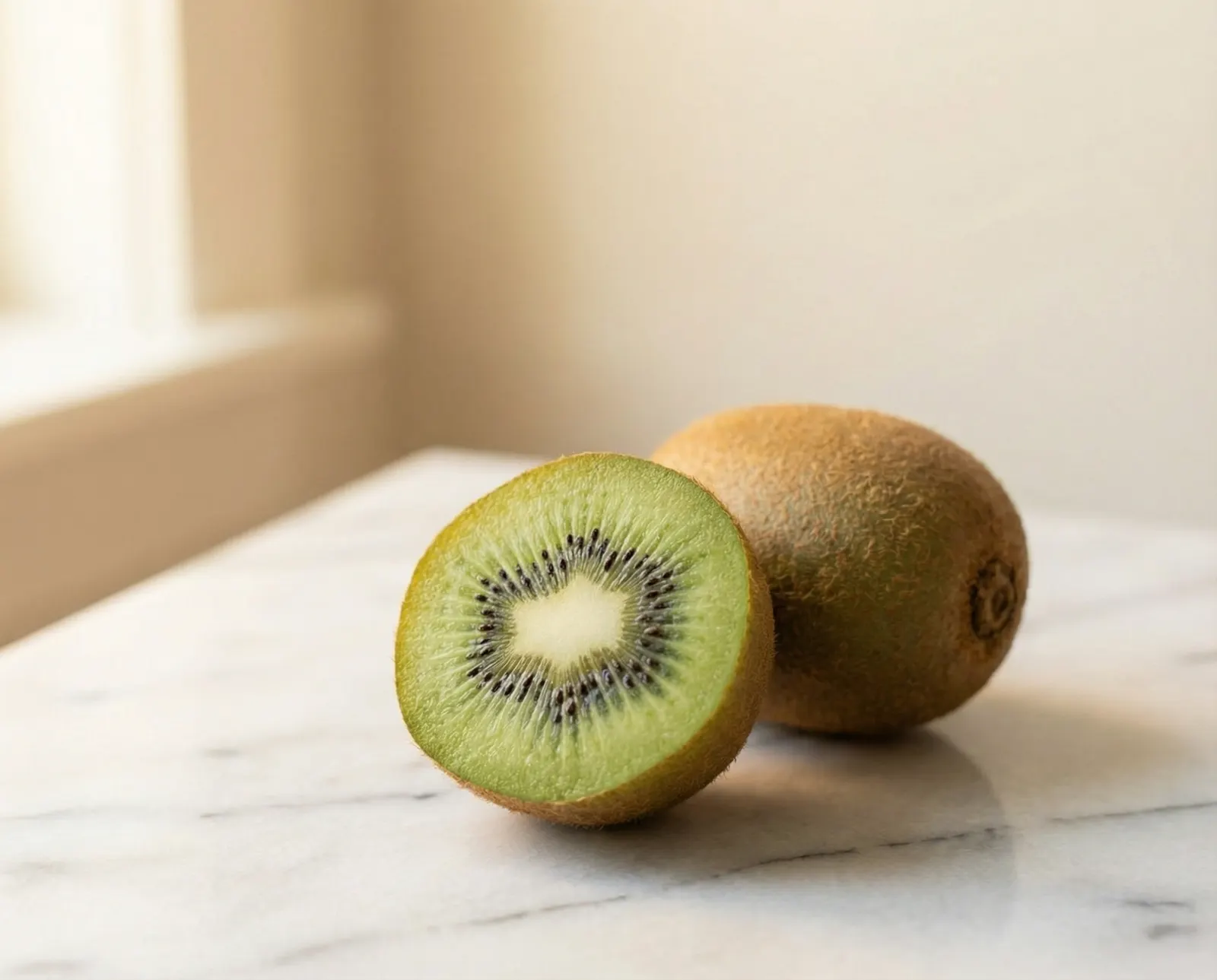
Kiwi is a nutrient-dense fruit famous for its exceptionally high Vitamin C content and natural digestive enzymes. Its unique combination of soluble and insoluble fiber makes it one of the most effective fruits for relieving baby constipation.
How to serve Kiwi, by age
- 6mo
From 6 months: Silky puree or very soft, peeled halves.
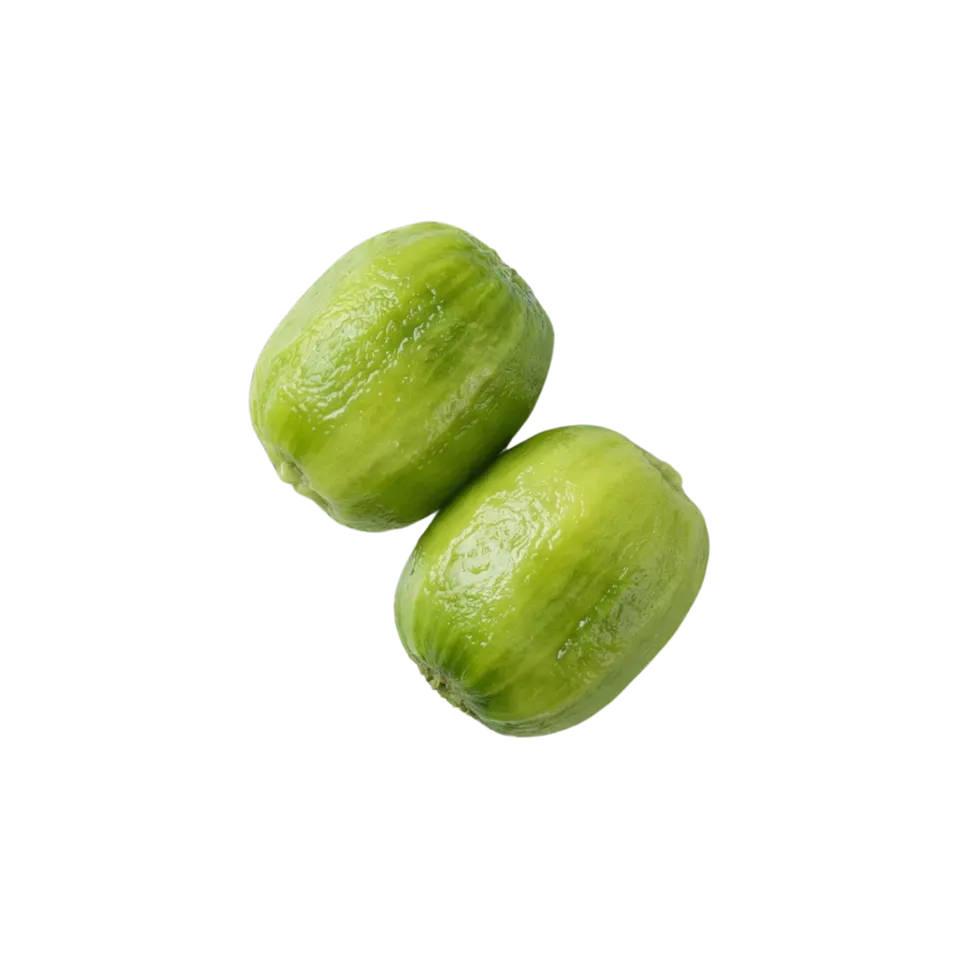
Serve as a smooth puree or a large, peeled half for the baby to gnaw on. Ensure the kiwi is very ripe and soft. If the core is hard, cut it out before serving. You can roll a slippery kiwi wedge in hemp seeds or crushed infant cereal to help with grip.
- 9mo
From 9 months: Small cubes or thin slices.
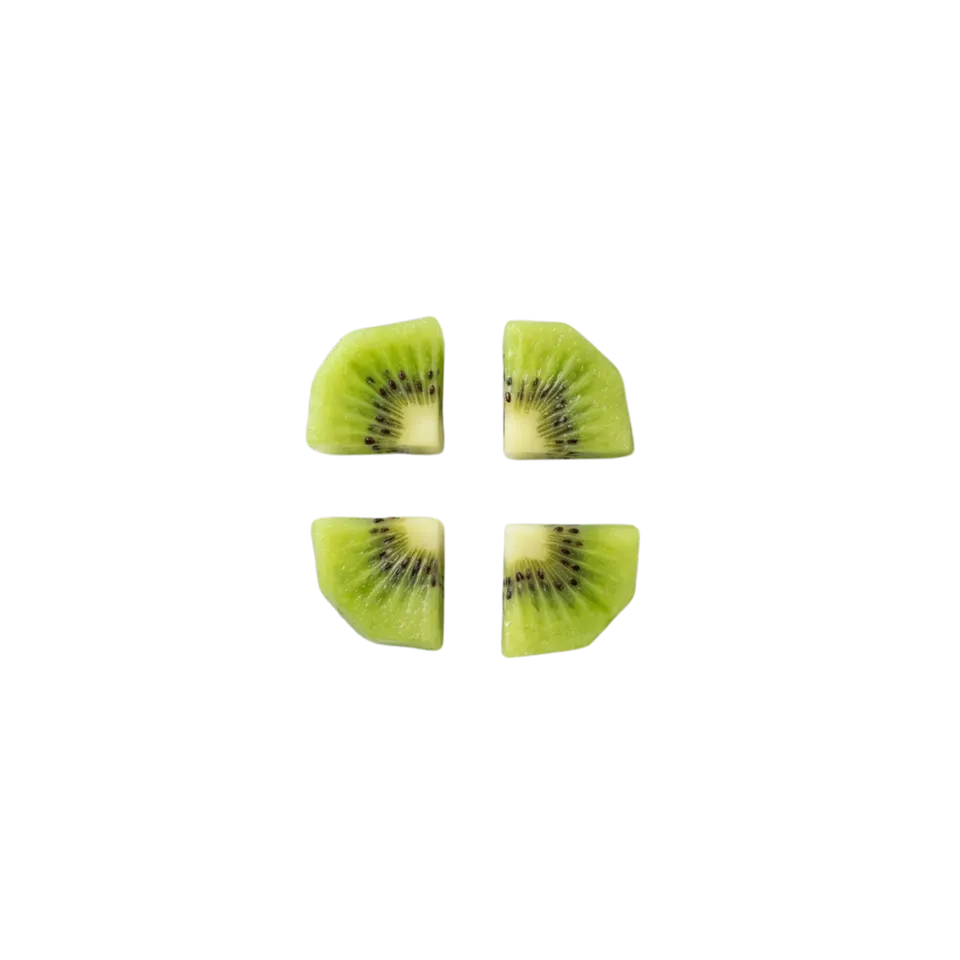
Offer small, bite-sized pieces or thin half-moons. At this stage, you can leave the skin on if you wash it thoroughly (the fuzz can be rubbed off with a towel), as the skin is edible and rich in fiber, though most babies prefer it peeled.
- 12mo
From 12 months: Bite-sized chunks or slices.
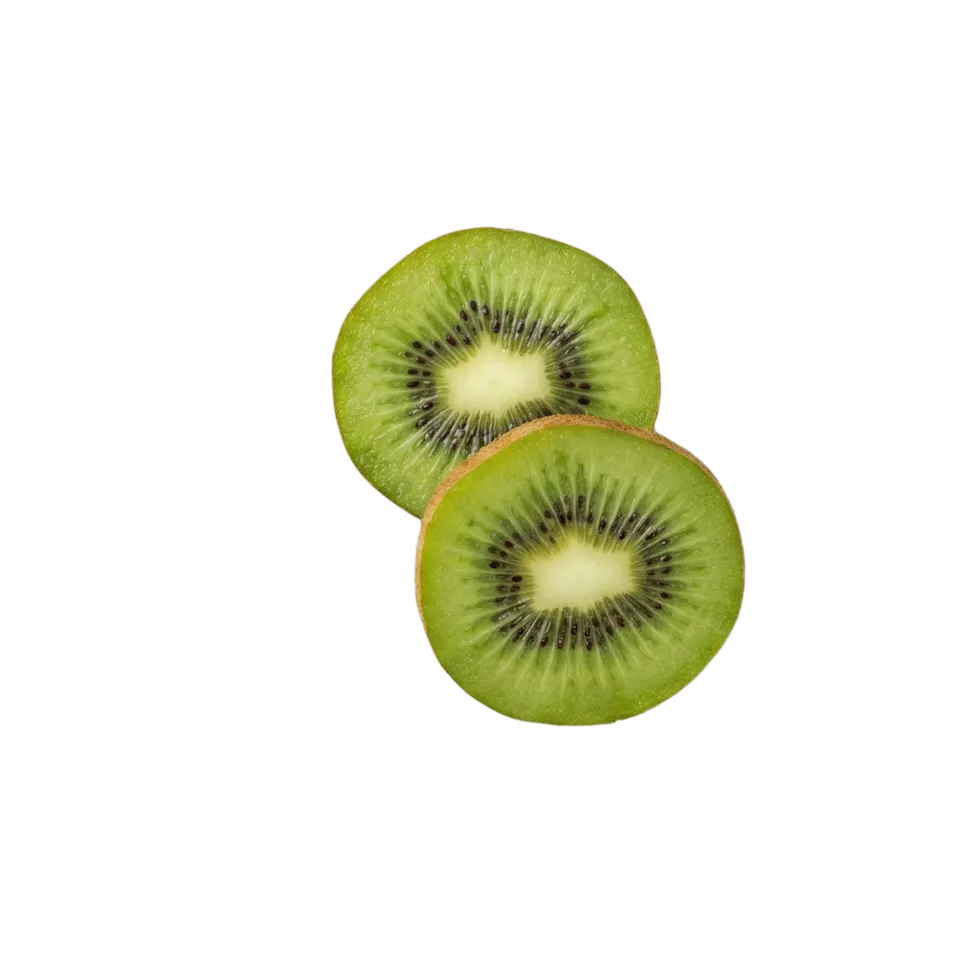
Serve as wedges, rounds, or mixed into fruit salads. Kiwi is a great addition to yogurt or as a topping for pancakes. Encourage your toddler to use a fork to practice their motor skills with the slippery pieces.
Choking risk & safe preparation
Moderate choking risk
Kiwi is very slippery and the center 'core' can be hard in underripe fruit. Only serve soft, ripe kiwi. Remove the core if it doesn't yield to a gentle squeeze.
Allergen information
Not a common childhood allergen. Reactions are possible with any food, so introduce it on its own first.
Nutrition & benefits
Contains actinidin, a natural enzyme that helps break down proteins and aids digestion. It also has more Vitamin C than an equivalent weight of orange.
- Digestion-friendly
- Vitamin C Rich
Per 100 g
- Energy
- 61kcal
- Protein
- 1.1g
- Fat
- 0.5g
- Fiber
- 3g
- Iron
- 0.3mg
- Vitamin C
- 92.7mg
See all nutrients (25)
Macronutrients
- Energy
- 61 kcal
- Protein
- 1.1 g
- Carbohydrates
- 14.7 g
- Fat
- 0.5 g
Key Minerals
- Iron
- 0.3 mg
- Calcium
- 34 mg
- Zinc
- 0.1 mg
- Sodium
- 3 mg
- Potassium
- 312 mg
- Magnesium
- 17 mg
- Phosphorus
- 34 mg
- Selenium
- 0.2 mcg
- Copper
- 0.1 mg
- Manganese
- 0.1 mg
Vitamins
- Vitamin A
- 4 mcg
- Vitamin C
- 92.7 mg
- Vitamin D
- 0 mcg
- Vitamin B6
- < 0.1 mg
- Vitamin B12
- 0 mcg
- Vitamin E
- 1.5 mg
- Vitamin K
- 40.3 mcg
- Folate
- 25 mcg
- Thiamin (B1)
- < 0.1 mg
- Choline
- 7.8 mg
Other
- Fiber
- 3 g
Source: USDA FoodData Central
Pairs well with
Recipes with Kiwi

Frequently asked
Can kiwi cause a rash around the mouth?
Yes. Like strawberries, kiwi is acidic and can cause a 'contact rash' on sensitive skin. This is usually not an allergy. Applying a bit of petroleum jelly around the mouth before eating can prevent it.
Is kiwi a common allergen?
While not in the 'Top 9' allergens, kiwi allergy is becoming more common. Monitor for signs like hives, swelling, or vomiting, especially if your baby has an existing latex allergy.

Track Kiwi in the Nica app
Log foods, track reactions, and plan meals — all in one place.

