When can babies eat Coconut?
From 6 months
Start with: Liquid (milk/water) or finely shredded mixed into soft foods.
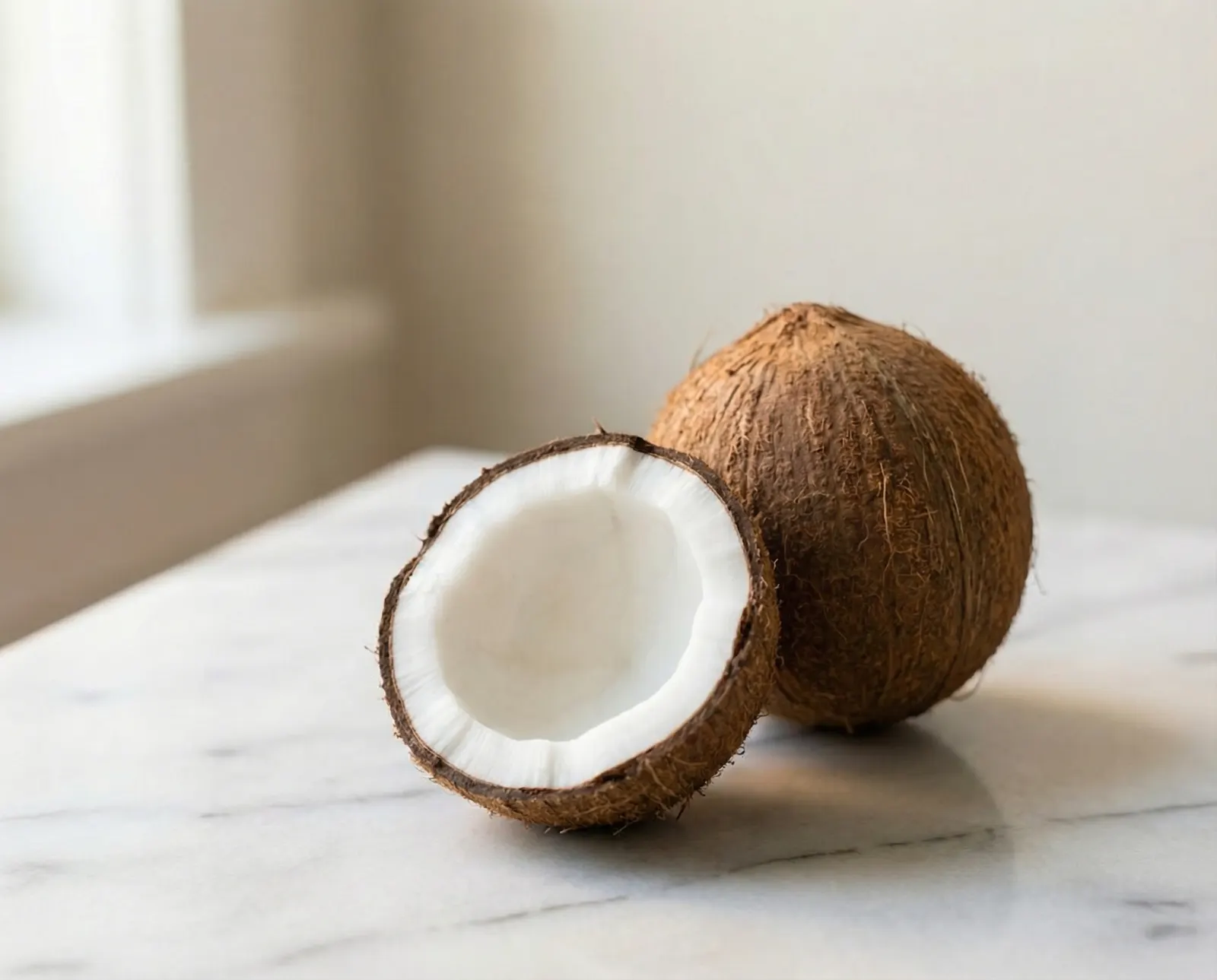
Coconut is a rich source of healthy medium-chain triglycerides (MCTs), which support brain development and provide energy. While coconut milk and water are excellent for infants, the mature white meat is very hard and poses a significant choking risk. It is also a good source of manganese and fiber.
How to serve Coconut, by age
- 6mo
From 6 months: Liquid (milk/water) or finely shredded mixed into soft foods.
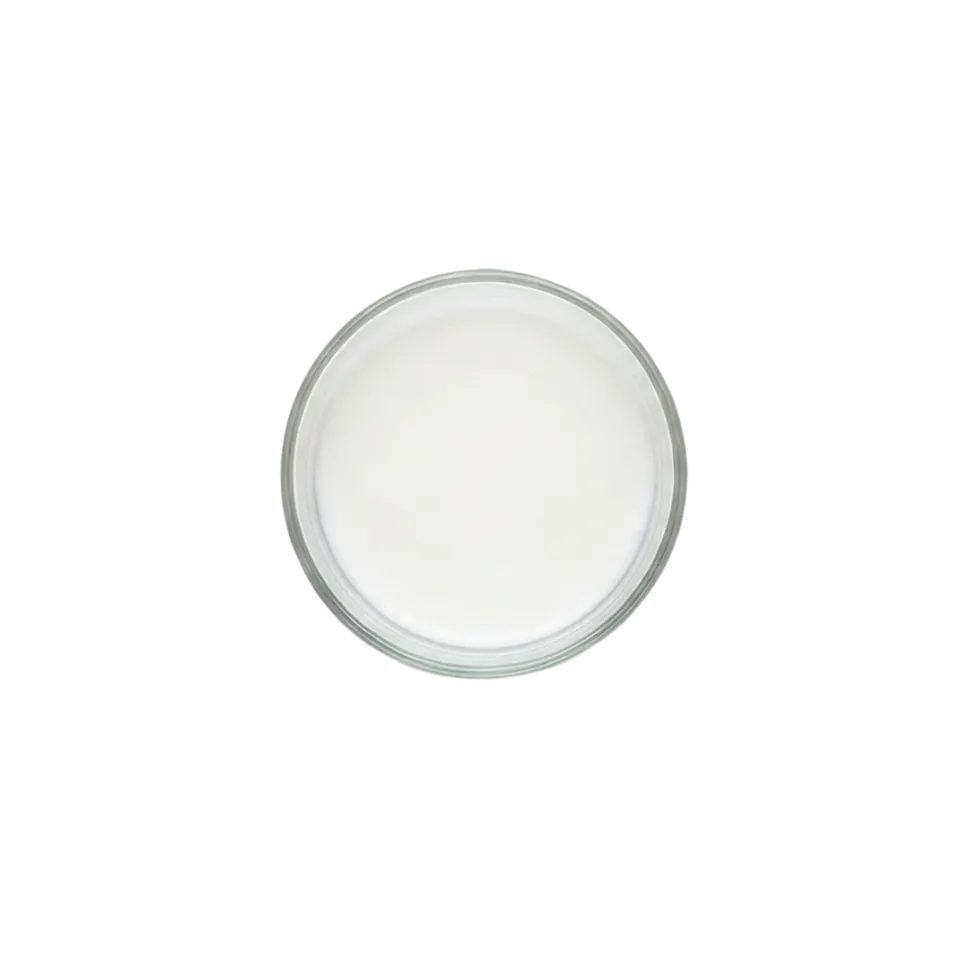
Do not serve raw coconut meat. Use full-fat unsweetened canned coconut milk stirred into purees, oatmeal, or chia pudding to add healthy fats. You can also offer a few sips of coconut water for hydration. If using shredded coconut, ensure it is unsweetened and very finely ground.
- 9mo
From 9 months: Creamy textures or finely grated flakes.
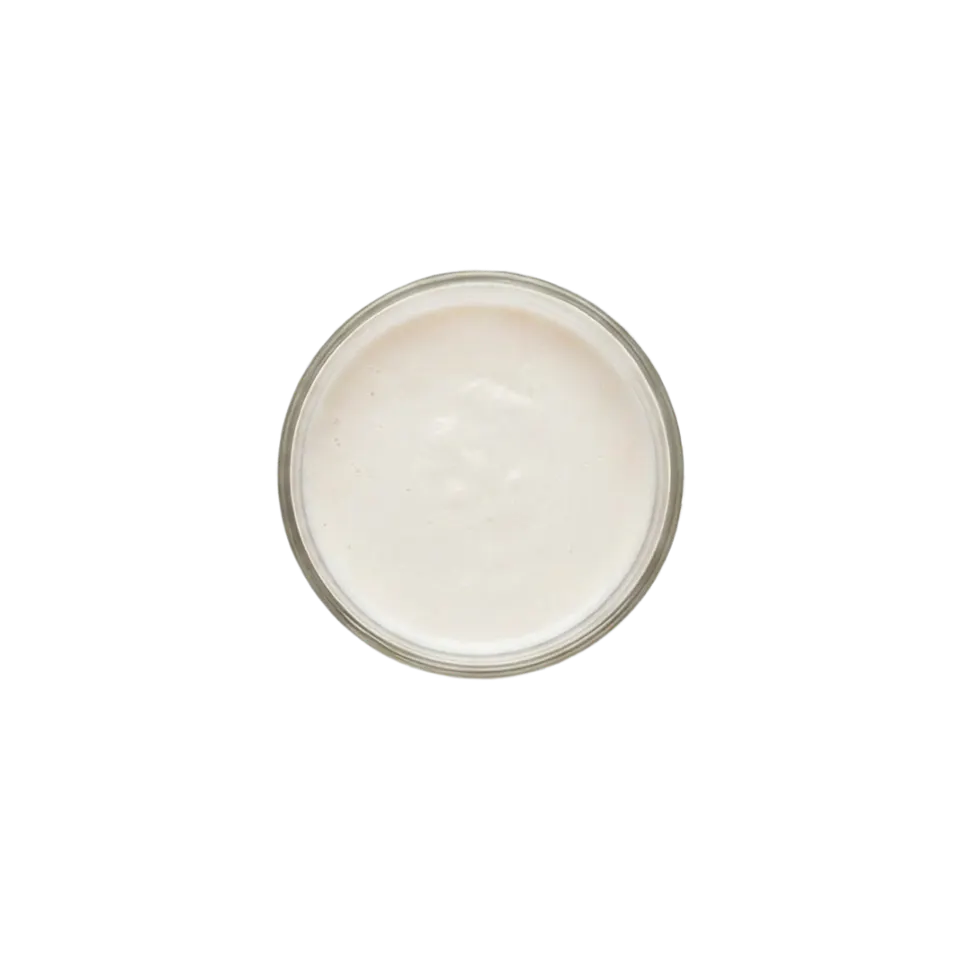
Continue with coconut milk and finely shredded coconut. You can introduce 'coconut yogurt' as a dairy-free alternative. Avoid large chunks of raw coconut meat as they are too hard for a 9-month-old to break down safely with their gums.
- 12mo
From 12 months: Thin shavings or creamy liquids.
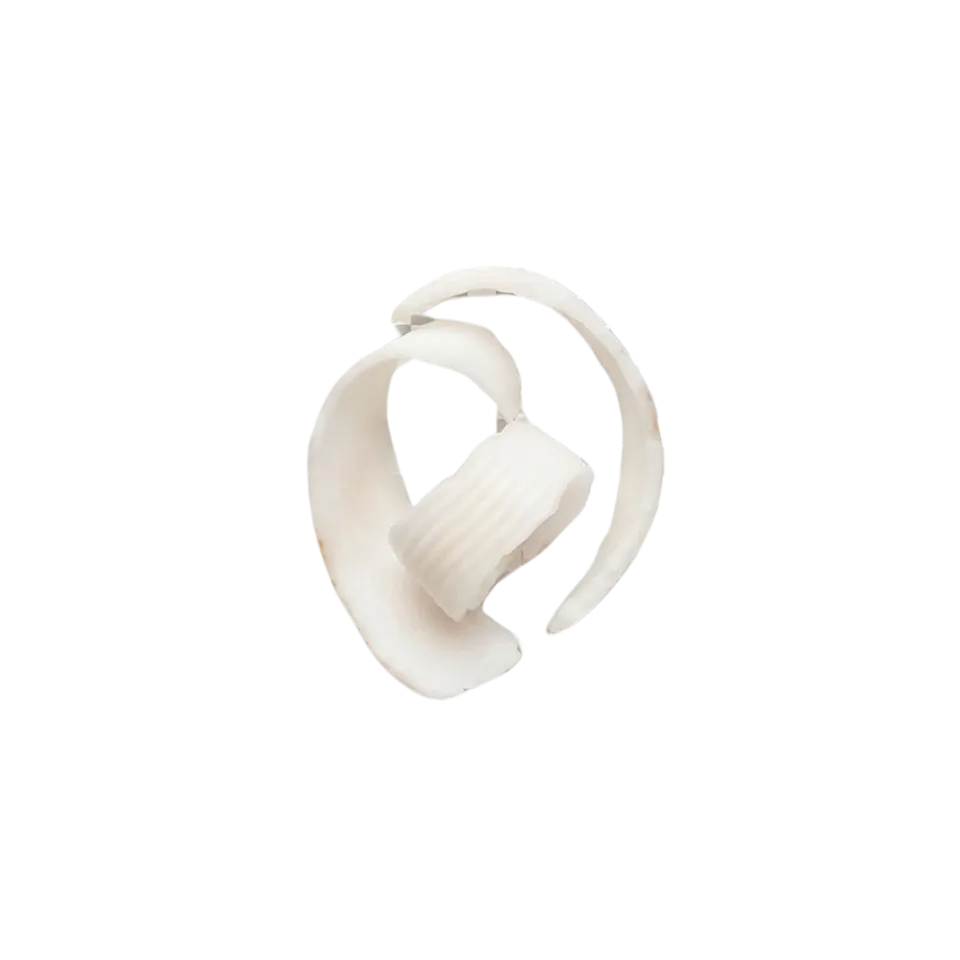
Offer thin, shaved ribbons of young (soft) coconut meat if available. Mature coconut meat should still be avoided unless it is very finely grated. Coconut milk remains a great addition to smoothies and tropical fruit salads.
Choking risk & safe preparation
High choking risk
Raw, mature coconut meat is extremely hard and does not dissolve. It is a major choking hazard for babies. Always grate it very finely or use coconut milk instead. Avoid large flakes or chunks until the child is much older.
Allergen information
Not a common childhood allergen. Reactions are possible with any food, so introduce it on its own first.
Contains or relates to these allergens:
- Tree Nuts
Nutrition & benefits
Rich in Lauric Acid, which is also found in breast milk and helps support the immune system. Excellent for healthy weight gain due to high fat content.
- Brain Food
Per 100 g
- Energy
- 354kcal
- Protein
- 3.3g
- Fat
- 33.5g
- Fiber
- 9g
- Iron
- 2.4mg
- Vitamin C
- 3.3mg
See all nutrients (25)
Macronutrients
- Energy
- 354 kcal
- Protein
- 3.3 g
- Carbohydrates
- 15.2 g
- Fat
- 33.5 g
Key Minerals
- Iron
- 2.4 mg
- Calcium
- 14 mg
- Zinc
- 1.1 mg
- Sodium
- 20 mg
- Potassium
- 356 mg
- Magnesium
- 32 mg
- Phosphorus
- 113 mg
- Selenium
- 10.1 mcg
- Copper
- 0.4 mg
- Manganese
- 1.5 mg
Vitamins
- Vitamin A
- 0 mcg
- Vitamin C
- 3.3 mg
- Vitamin D
- 0 mcg
- Vitamin B6
- < 0.1 mg
- Vitamin B12
- 0 mcg
- Vitamin E
- 0.2 mg
- Vitamin K
- 0.2 mcg
- Folate
- 26 mcg
- Thiamin (B1)
- < 0.1 mg
- Choline
- 12.1 mg
Other
- Fiber
- 9 g
Source: USDA FoodData Central
Pairs well with
Recipes with Coconut
Frequently asked
Is coconut a nut allergy risk?
The FDA classifies coconut as a tree nut, but most people with tree nut allergies can safely eat coconut. However, if your baby has a known nut allergy, consult your pediatrician before introducing it.
Can I give my baby coconut milk from a carton?
Carton coconut milk (the kind used as a milk substitute) is often diluted and contains added thickeners. For babies, unsweetened canned coconut milk is better as it contains more of the healthy fats they need.

Track Coconut in the Nica app
Log foods, track reactions, and plan meals — all in one place.

