When can babies eat Honey?
From 6 months
Start with: Unsafe at this age.
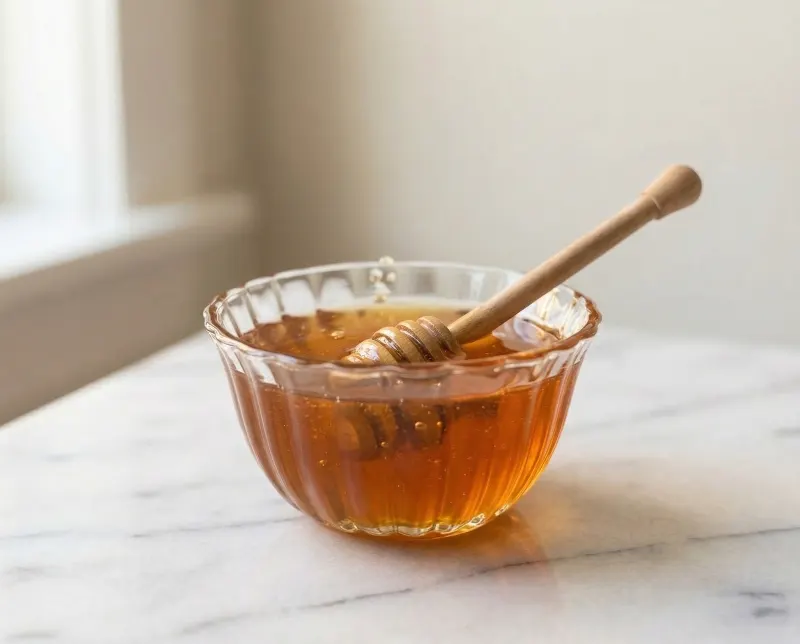
Honey is a natural sweet substance produced by honeybees. While it contains antioxidants and has been used traditionally to soothe coughs in older children, it is strictly forbidden for infants under 12 months of age. Even medical-grade or 'organic' honey can contain botulism spores that a baby's developing gut cannot handle.
How to serve Honey, by age
- 6mo
From 6 months: Unsafe at this age.
DO NOT SERVE. Honey is unsafe for infants under 1 year old due to the risk of infant botulism. Avoid even small amounts in baked goods or processed foods.
- 9mo
From 9 months: Unsafe at this age.
DO NOT SERVE. Continue to strictly avoid honey in all forms, including raw, pasteurized, or cooked in breads/biscuits.
- 12mo
From 12 months: Sticky liquid.
After the first birthday, the digestive system is mature enough to prevent botulism spores from growing. You may introduce small amounts of honey to sweeten yogurt or as a natural remedy for a cough. However, use sparingly to prevent a preference for overly sweet foods and to protect developing teeth.
Choking risk & safe preparation
Low choking risk
Honey is a liquid and not a choking hazard, but its high sugar content and the specific bacterial risk (botulism) are the primary safety concerns.
Allergen information
Not a common childhood allergen. Reactions are possible with any food, so introduce it on its own first.
Nutrition & benefits
Honey is primarily composed of sugar (fructose and glucose) but contains trace amounts of enzymes, amino acids, and antioxidants like phenolic compounds. Its most researched benefit is as a cough suppressant, but only for children older than 12 months.
- Antioxidant
- Natural Remedy
Per 100 g
- Energy
- 304kcal
- Protein
- 0.3g
- Fat
- 0g
- Fiber
- 0.2g
- Iron
- 0.4mg
- Vitamin C
- 0.5mg
See all nutrients (25)
Macronutrients
- Energy
- 304 kcal
- Protein
- 0.3 g
- Carbohydrates
- 82.4 g
- Fat
- 0 g
Key Minerals
- Iron
- 0.4 mg
- Calcium
- 6 mg
- Zinc
- 0.2 mg
- Sodium
- 4 mg
- Potassium
- 52 mg
- Magnesium
- 2 mg
- Phosphorus
- 4 mg
- Selenium
- 0.8 mcg
- Copper
- < 0.1 mg
- Manganese
- < 0.1 mg
Vitamins
- Vitamin A
- 0 mcg
- Vitamin C
- 0.5 mg
- Vitamin D
- 0 mcg
- Vitamin B6
- < 0.1 mg
- Vitamin B12
- 0 mcg
- Vitamin E
- 0 mg
- Vitamin K
- 0 mcg
- Folate
- 2 mcg
- Thiamin (B1)
- 0 mg
- Choline
- 2.2 mg
Other
- Fiber
- 0.2 g
Source: USDA FoodData Central
Pairs well with
Recipes with Honey
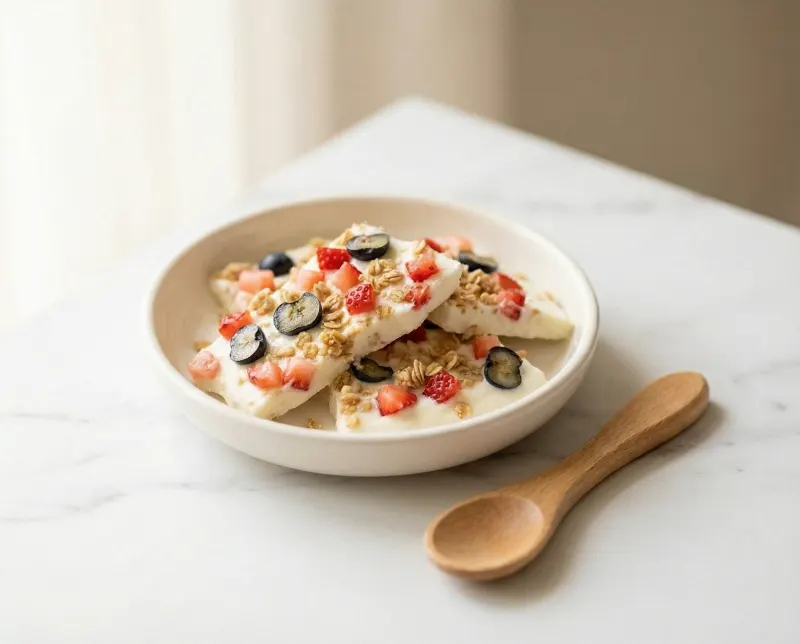
Frozen Yogurt Bark with Fruit & Granola
A refreshing and healthy frozen snack made with creamy Greek yogurt, topped with colorful berries and soft crushed granola. Perfect for teething toddlers and hot summer days.
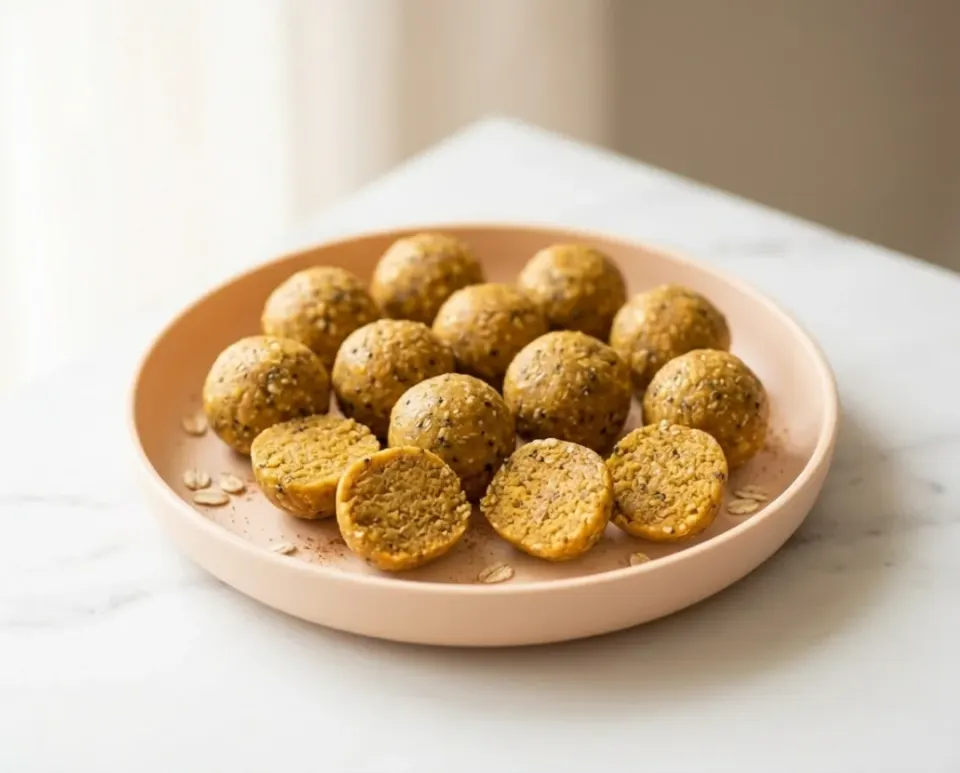
Pumpkin & Peanut Butter Energy Balls
Soft, no-bake bites made with pumpkin purée, peanut butter, oats, and warming spices. A perfectly seasonal snack that is rich in beta-carotene and makes a great on-the-go energy booster.
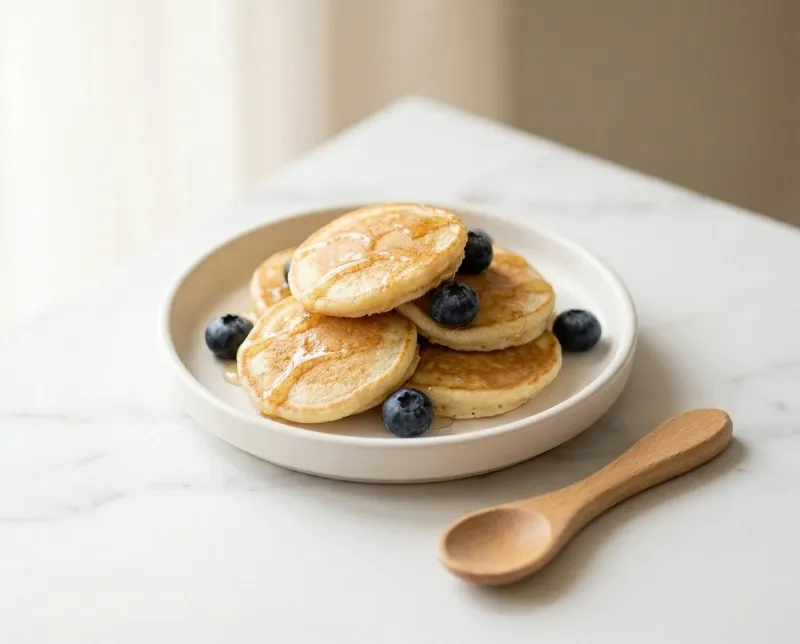
Creamy Ricotta Pancakes with Honey
Light, fluffy, and protein-packed pancakes. The ricotta makes them incredibly soft, while a small drizzle of honey adds a touch of natural sweetness. A perfect celebratory breakfast for toddlers over one year old.
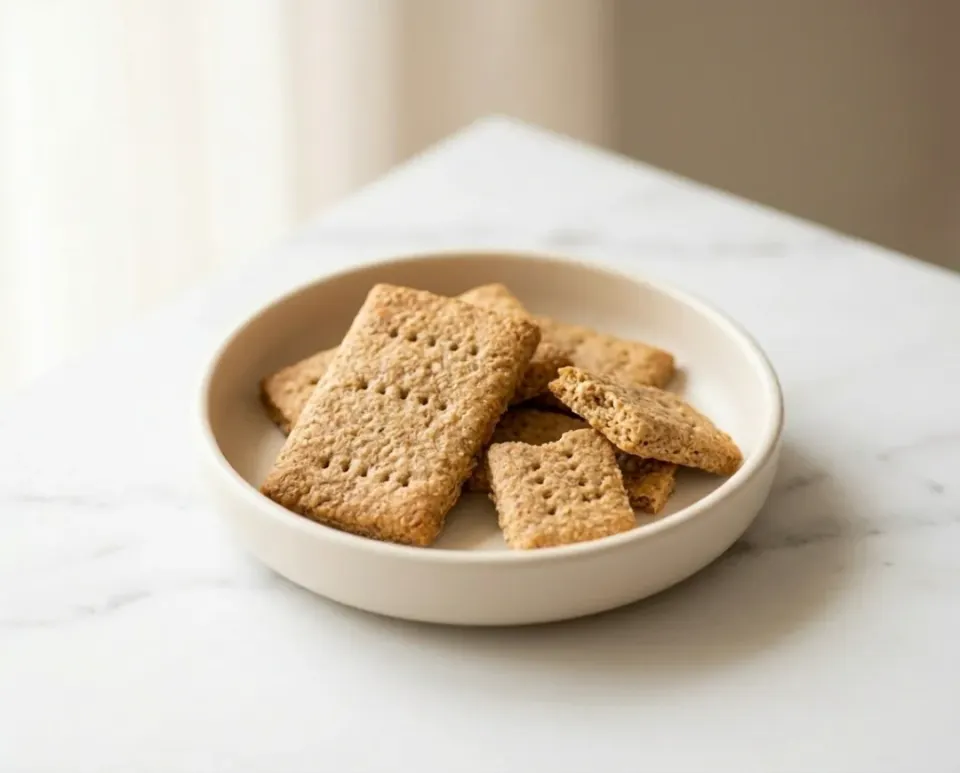
Whole-Wheat Honey & Cinnamon Crackers
Lightly sweet, warmly spiced crackers made with whole-wheat flour, honey, and a touch of cinnamon. These wholesome biscuits have a satisfying snap and pair wonderfully with fruit or nut butter.
Frequently asked
Is honey safe if it is cooked or baked in food?
No. Botulism spores are highly heat-resistant and can survive normal cooking and baking temperatures. Do not give any food containing honey to a baby under 12 months old.
What is Infant Botulism?
It is a rare but serious illness where spores grow in the baby's intestines and produce a toxin that affects the nervous system. Symptoms include constipation, weakness, and difficulty breathing. This is why the 'No Honey' rule is vital.
Track Honey in the Nica app
Log foods, track reactions, and plan meals — all in one place.

