When can babies eat Grape?
From 6 months
Start with: Smooth puree or thoroughly mashed without skins/seeds.
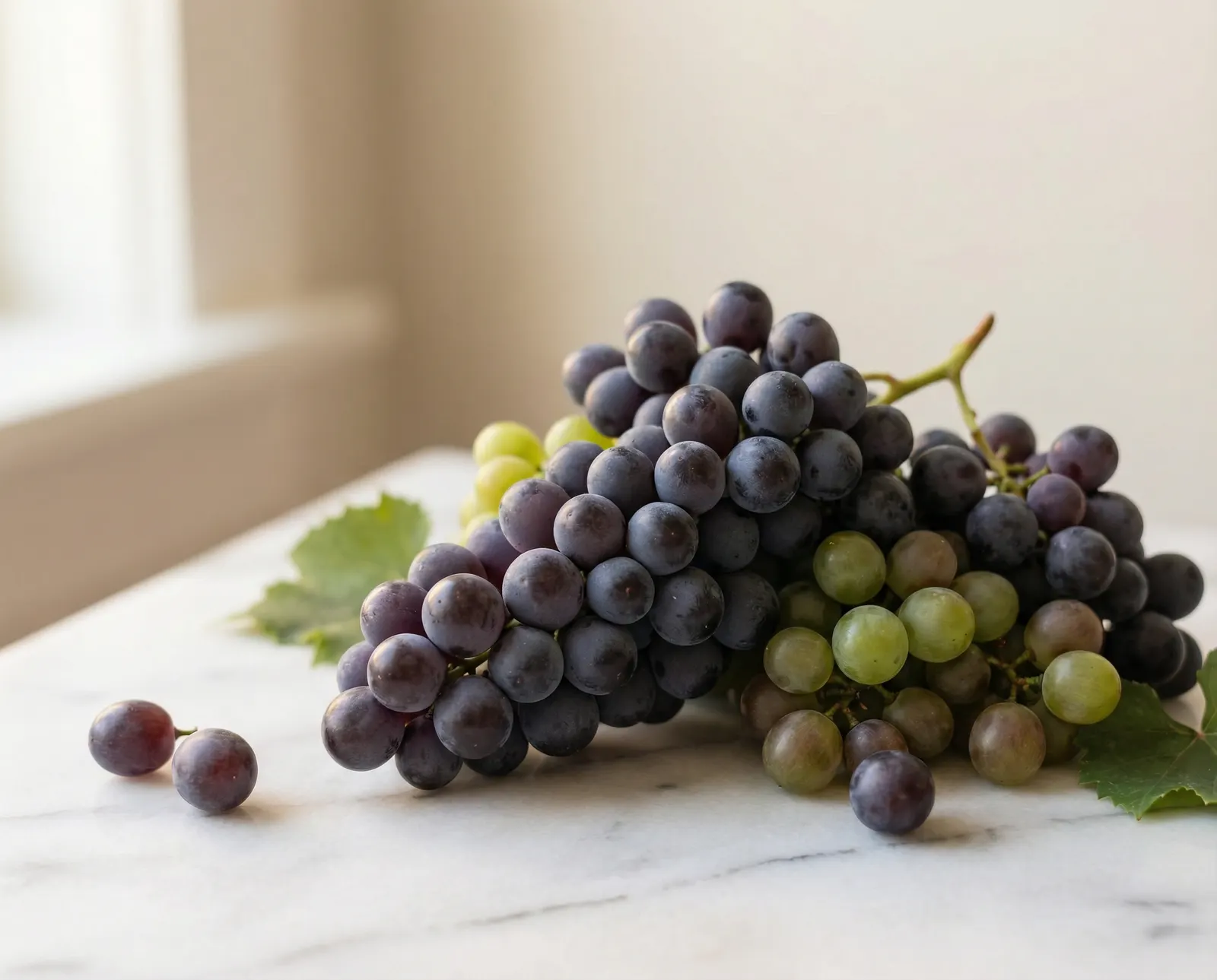
Grapes are a sweet, hydrating snack rich in antioxidants and vitamins C and K. While nutritious, they are a major choking hazard due to their size, shape, and skin texture, and they require strict preparation methods before being served to young children.
How to serve Grape, by age
- 6mo
From 6 months: Smooth puree or thoroughly mashed without skins/seeds.
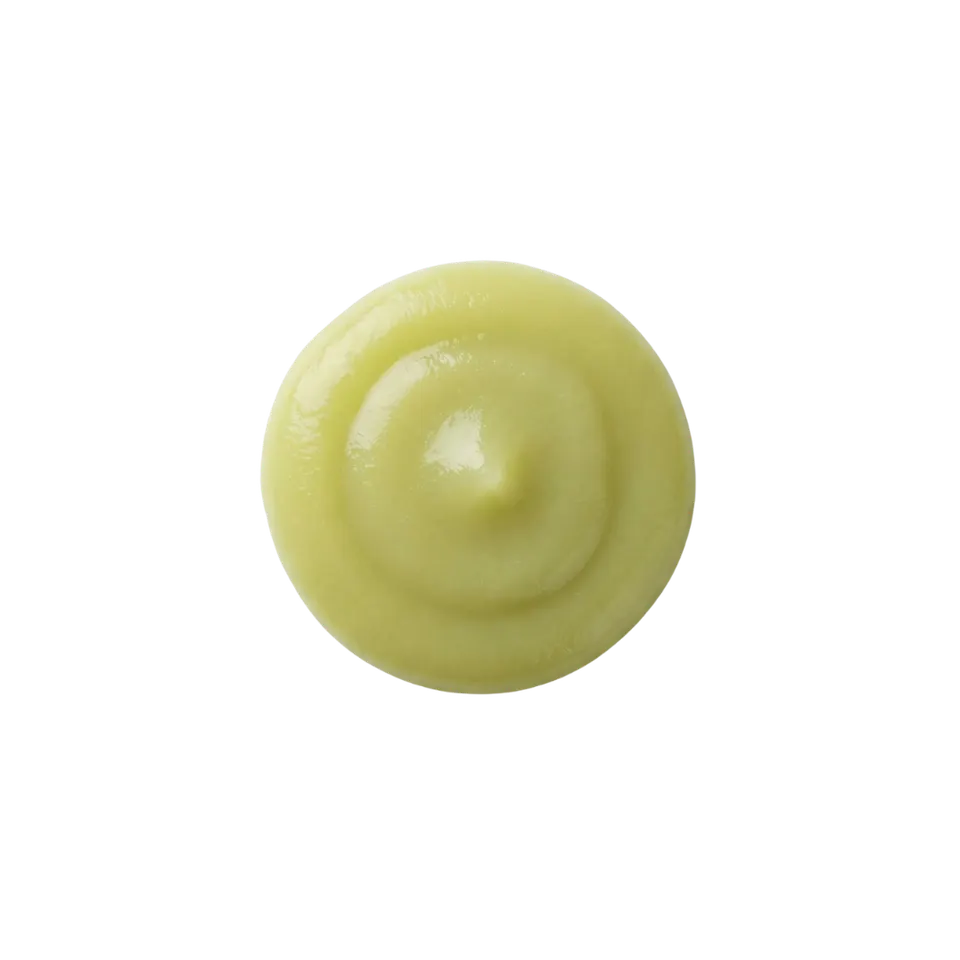
Never serve whole or halved grapes. Peel and remove seeds, then puree into a smooth liquid or mash thoroughly and mix into yogurt. At this stage, the risk is too high for anything other than a smooth consistency.
- 9mo
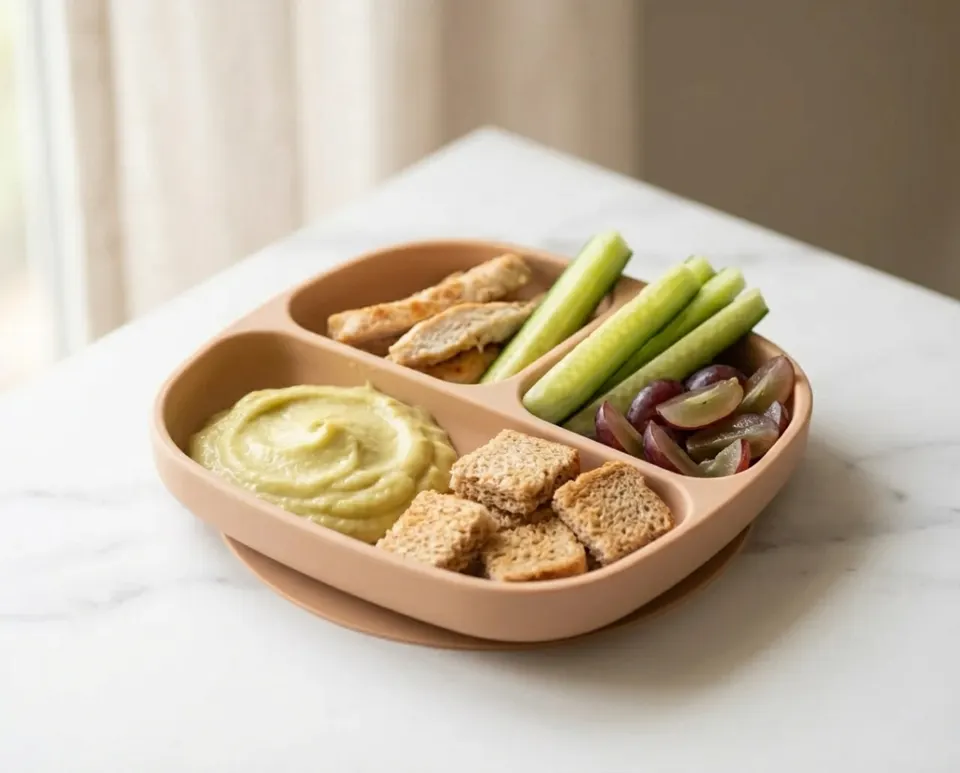
From 9 months: Long, thin quarters (seedless).
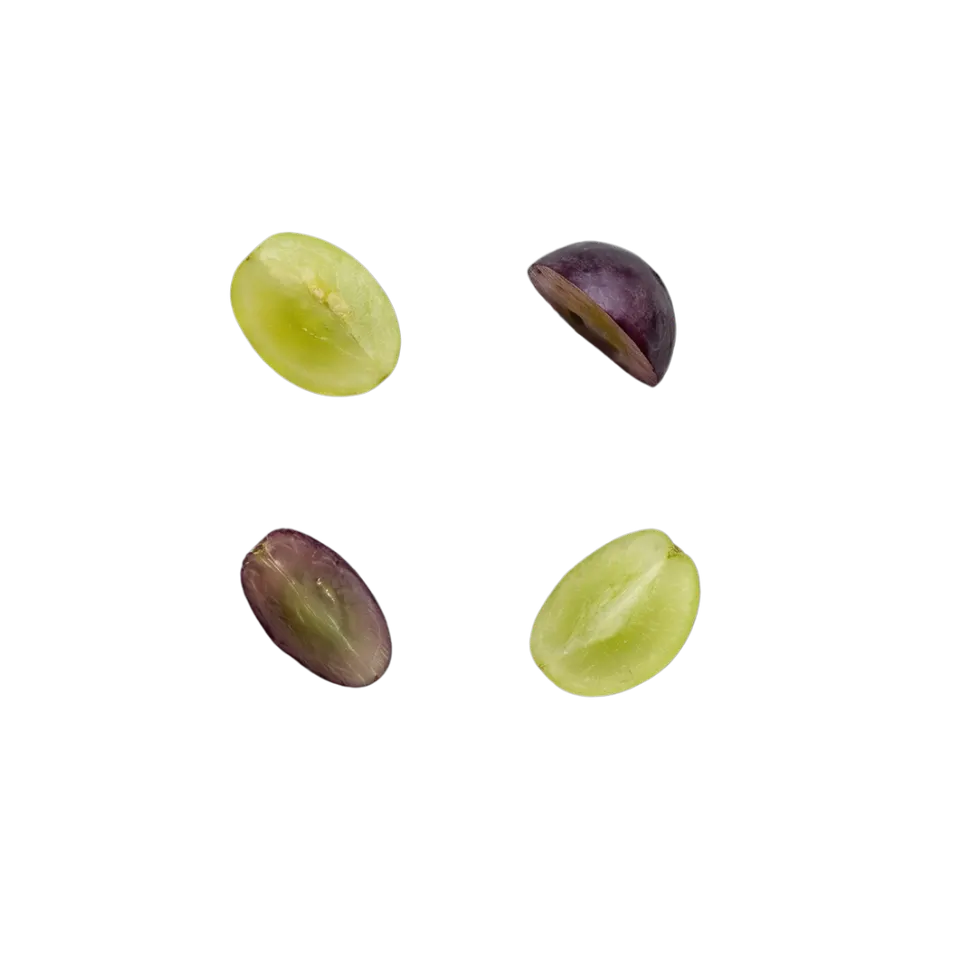
Grapes MUST be cut into quarters lengthwise (long rinds). Cutting them width-wise (into circles) is still a choking hazard. Always remove any seeds. Small, quartered pieces help the baby practice their pincer grasp safely.
- 12mo
From 12 months: Quartered or thinly sliced lengthwise.
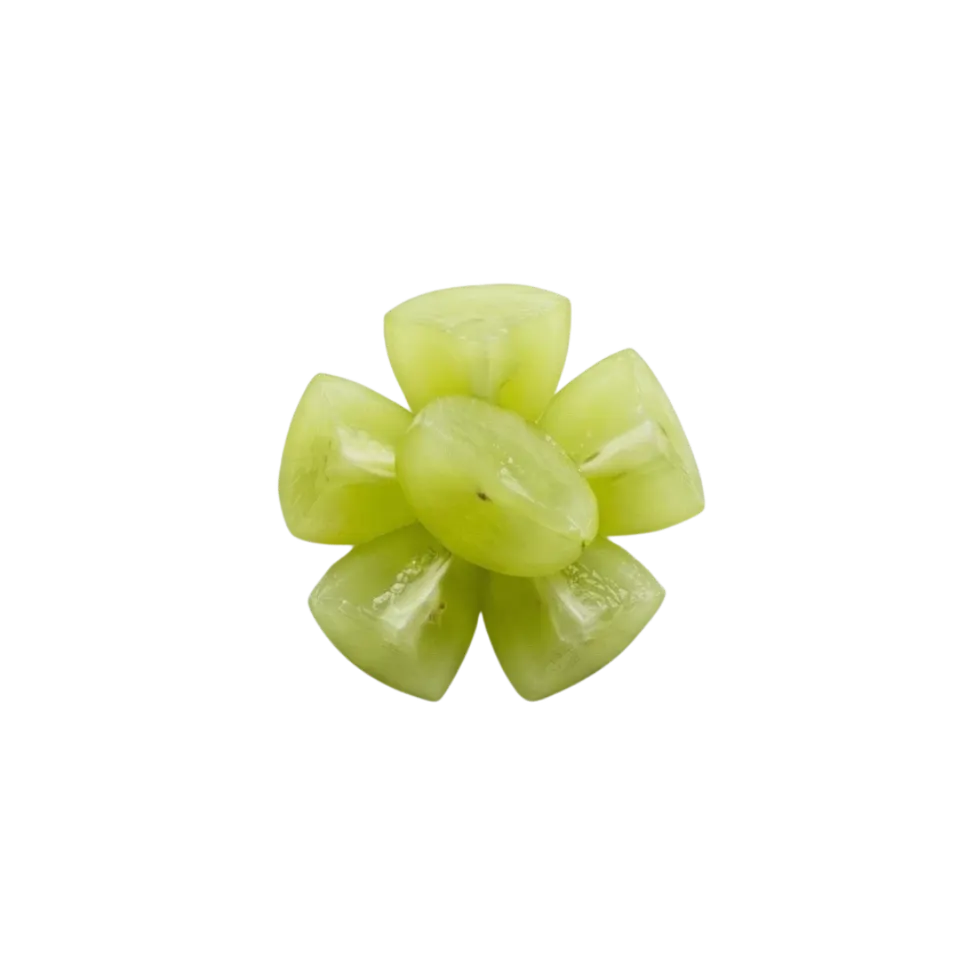
Continue to quarter grapes lengthwise. Even toddlers with teeth can struggle with the slippery skin of a whole grape. Do not offer whole grapes until the child is at least 4 years old and a very confident chewer.
Choking risk & safe preparation
High choking risk
Whole grapes are a high-risk choking hazard. They are the perfect size to block a child's airway. Always cut grapes lengthwise into quarters. Never cut them into round coins.
Allergen information
Not a common childhood allergen. Reactions are possible with any food, so introduce it on its own first.
Nutrition & benefits
Contains polyphenols and Vitamin K, which are important for bone health and heart health.
- Vitamin C Rich
- Digestion-friendly
Per 100 g
- Energy
- 69kcal
- Protein
- 0.7g
- Fat
- 0.2g
- Fiber
- 0.9g
- Iron
- 0.4mg
- Vitamin C
- 3.2mg
See all nutrients (25)
Macronutrients
- Energy
- 69 kcal
- Protein
- 0.7 g
- Carbohydrates
- 18.1 g
- Fat
- 0.2 g
Key Minerals
- Iron
- 0.4 mg
- Calcium
- 10 mg
- Zinc
- < 0.1 mg
- Sodium
- 2 mg
- Potassium
- 191 mg
- Magnesium
- 7 mg
- Phosphorus
- 20 mg
- Selenium
- 0.1 mcg
- Copper
- 0.1 mg
- Manganese
- < 0.1 mg
Vitamins
- Vitamin A
- 3 mcg
- Vitamin C
- 3.2 mg
- Vitamin D
- 0 mcg
- Vitamin B6
- < 0.1 mg
- Vitamin B12
- 0 mcg
- Vitamin E
- 0.2 mg
- Vitamin K
- 14.6 mcg
- Folate
- 2 mcg
- Thiamin (B1)
- < 0.1 mg
- Choline
- 5.6 mg
Other
- Fiber
- 0.9 g
Source: USDA FoodData Central
Pairs well with
Recipes with Grape
Frequently asked
Can I just cut the grape in half?
For younger babies, halves can still be large enough to cause an obstruction. Quartering lengthwise is the safest method recommended by pediatric safety experts.
Is green or red grape better for my baby?
Red and purple grapes generally contain more antioxidants (anthocyanins) than green grapes, but both are nutritious as long as they are prepared safely.
Track Grape in the Nica app
Log foods, track reactions, and plan meals — all in one place.

