When can babies eat Ghee (Clarified Butter)?
From 6 months
Start with: Smooth, liquid when warm; soft and spreadable when cool.
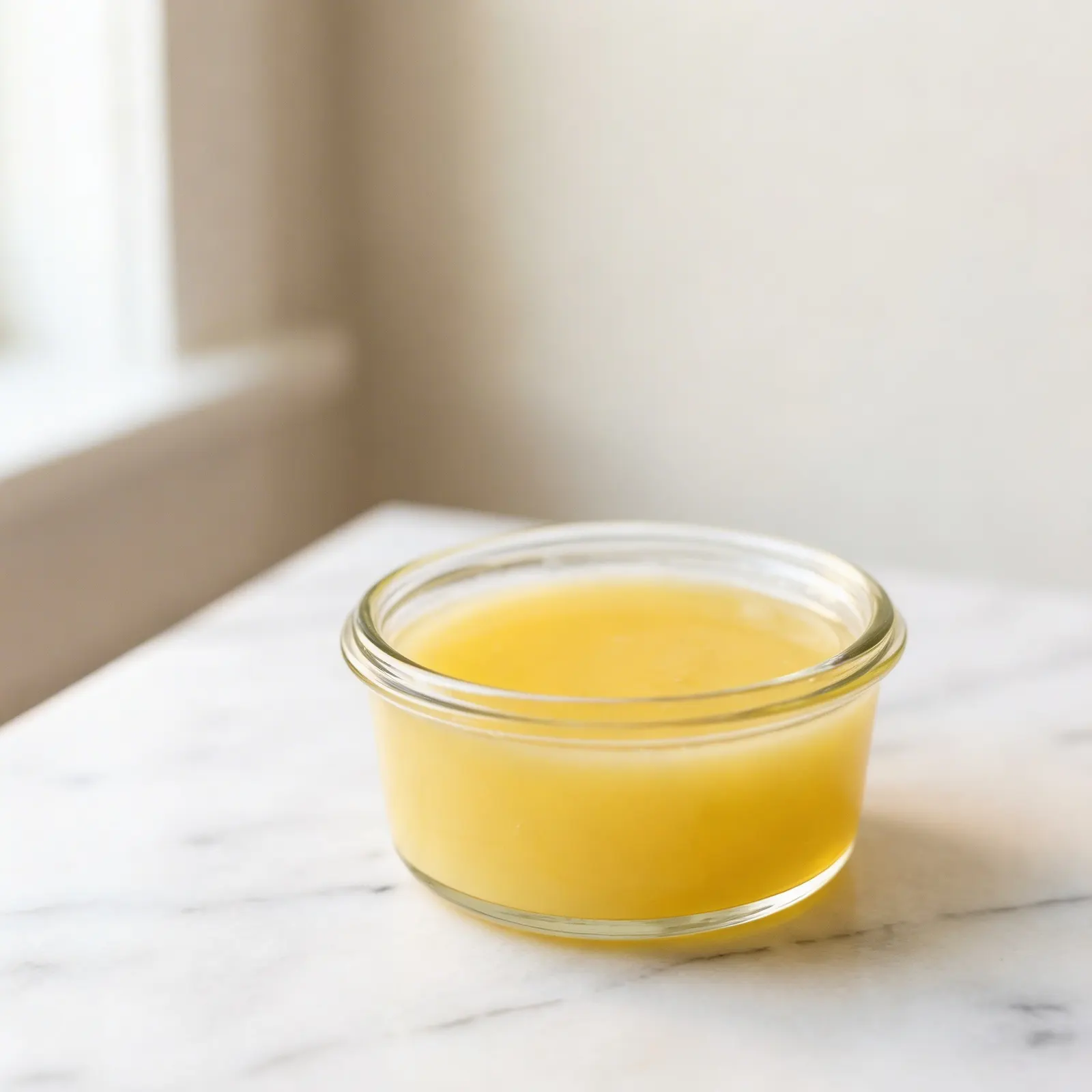
Ghee is clarified butter that has been simmered to remove milk solids and water. It is rich in fat-soluble vitamins A, D, E, and K. Most importantly, it contains Butyric Acid, which supports gut health and reduces inflammation. Because the milk solids are removed, many babies with mild lactose or casein sensitivities tolerate ghee much better than regular butter.
How to serve Ghee (Clarified Butter), by age
- 6mo
From 6 months: Smooth, liquid when warm; soft and spreadable when cool.
Introduce by stirring 1/2 teaspoon of melted ghee into warm vegetable purees like pumpkin or lentil. Ghee is an excellent way to add 'brain-building' fats to a baby's diet early on. It has a nutty, rich aroma that is very appealing to infants.
- 9mo
From 9 months: Rich, silky fat.
Use ghee to sauté soft vegetables or to coat small pieces of pasta. Because it doesn't burn like butter, it's perfect for pan-searing soft tofu or chicken strips for finger food. It adds a delicious depth of flavor to grains like quinoa or rice.
- 12mo
From 12 months: Solid fat or liquid.
Toddlers can enjoy ghee spread on toast or used in baking. It is a calorie-dense food that provides sustained energy for active toddlers. Continue to use it as a healthier alternative to margarine or highly processed oils.
Choking risk & safe preparation
Low choking risk
Ghee is a fat that melts easily and poses no choking risk. However, ensure it is fully mixed into thick purees to prevent the baby from gagging on a large, concentrated spoonful of fat.
Allergen information
This is one of the common childhood allergens. Introduce it on its own and watch for a reaction before mixing it with new foods.
Contains or relates to these allergens:
- Milk
Nutrition & benefits
Ghee is a concentrated source of Vitamin A (840mcg), which is crucial for immune function and vision. Its standout feature is Butyric Acid, a short-chain fatty acid that serves as the primary energy source for the cells lining the colon, effectively 'healing' and strengthening the baby's gut barrier.
- Digestion-friendly
- Immune Support
Per 100 g
- Energy
- 876kcal
- Protein
- 0.3g
- Fat
- 99.5g
- Fiber
- 0g
- Iron
- 0mg
- Vitamin C
- 0mg
See all nutrients (25)
Macronutrients
- Energy
- 876 kcal
- Protein
- 0.3 g
- Carbohydrates
- 0 g
- Fat
- 99.5 g
Key Minerals
- Iron
- 0 mg
- Calcium
- 4 mg
- Zinc
- < 0.1 mg
- Sodium
- 2 mg
- Potassium
- 5 mg
- Magnesium
- 0 mg
- Phosphorus
- 3 mg
- Selenium
- 0 mcg
- Copper
- 0 mg
- Manganese
- 0 mg
Vitamins
- Vitamin A
- 840 mcg
- Vitamin C
- 0 mg
- Vitamin D
- 0 mcg
- Vitamin B6
- 0 mg
- Vitamin B12
- < 0.1 mcg
- Vitamin E
- 2.8 mg
- Vitamin K
- 8.6 mcg
- Folate
- 0 mcg
- Thiamin (B1)
- 0 mg
- Choline
- 22.3 mg
Other
- Fiber
- 0 g
Source: USDA FoodData Central
Pairs well with
Recipes with Ghee (Clarified Butter)
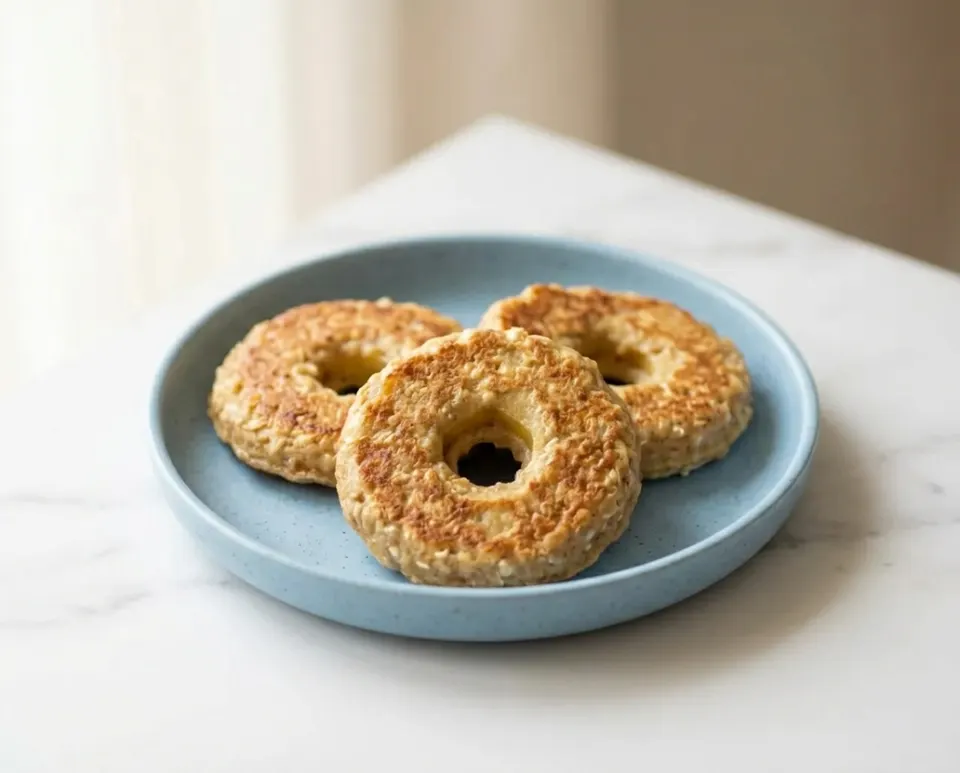
Apple & Oat Breakfast Donut Rings
These soft, fruit-centered rings are a fun and nutritious way to serve apples to your toddler. Coated in a protein-rich batter of oats and cottage cheese, they offer a satisfying texture that is easy for little hands to hold.
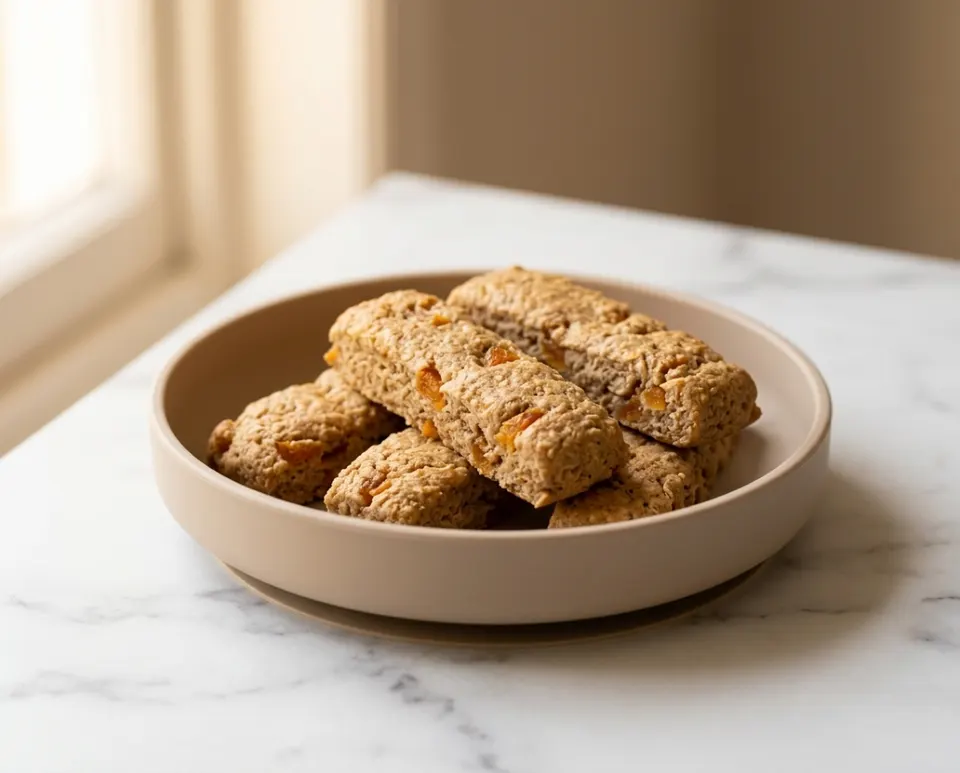
Spelt & Apricot Breakfast Fingers
Soft, golden breakfast fingers made with spelt flour, dried apricot puree, and egg. Spelt is an ancient grain higher in protein and fiber than regular wheat, providing B vitamins, zinc, and iron. Dried apricots are exceptionally iron-rich. These fingers are sturdy enough for baby to hold yet soft enough to gum safely.
Frequently asked
Is ghee safe for babies with a milk allergy?
While ghee is very low in lactose and casein (the common triggers for dairy issues), it is still a dairy product. If your baby has a diagnosed, severe cow's milk protein allergy (CMPA), consult your doctor before introducing ghee. For babies with simple lactose intolerance, it is usually very well tolerated.
Why is ghee better than regular butter for cooking?
Butter contains milk solids that burn at low temperatures (150°C), turning bitter and unhealthy. Ghee has those solids removed, allowing it to reach 250°C safely. This makes it much better for roasting or sautéing baby's food without creating toxins.

Track Ghee (Clarified Butter) in the Nica app
Log foods, track reactions, and plan meals — all in one place.

