When can babies eat Coconut Oil?
From 6 months
Start with: Smooth liquid when warm, soft solid when cool.
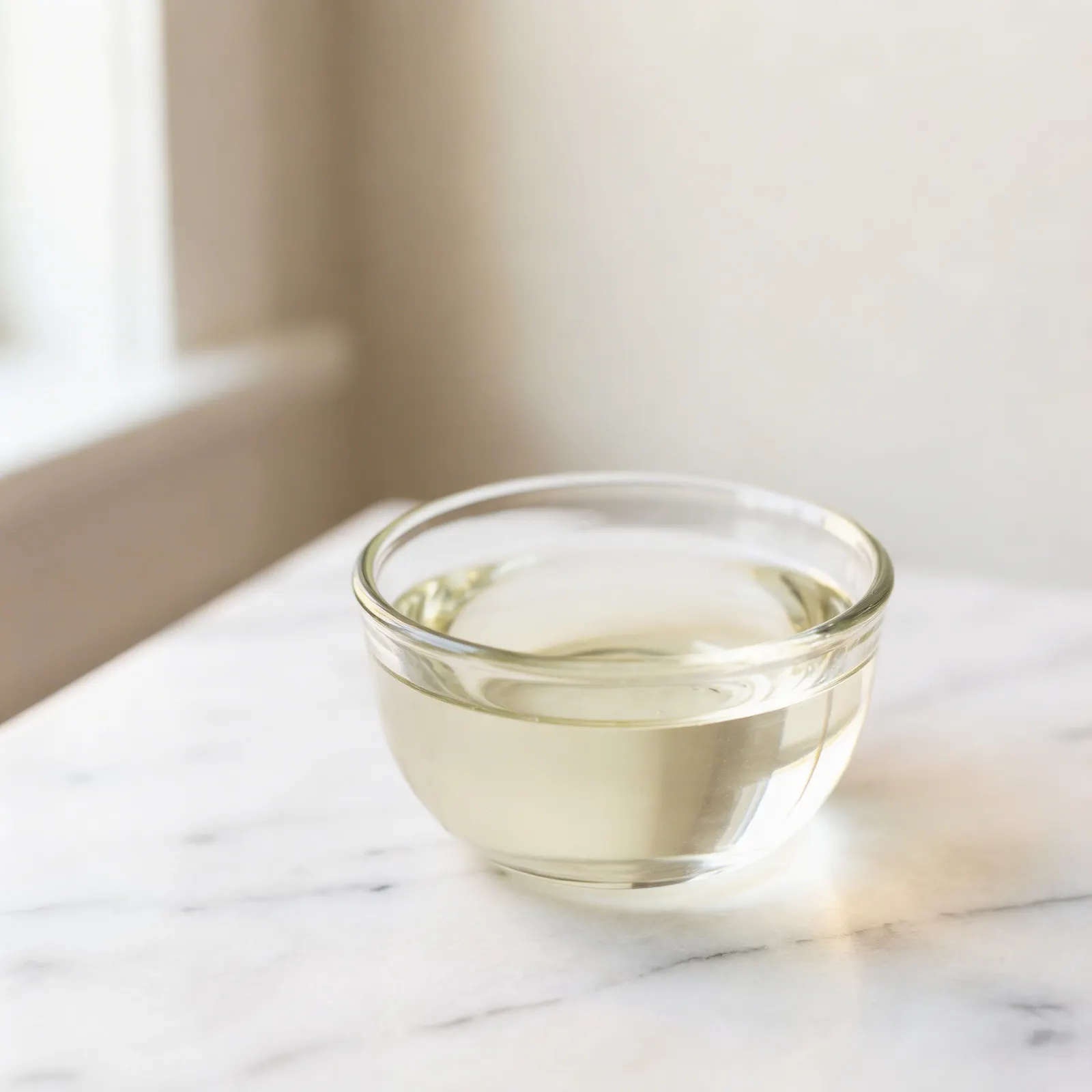
Coconut oil is a unique plant-based fat rich in Medium-Chain Triglycerides (MCTs). Its primary component, Lauric Acid, is also found in human breast milk and is known for its antimicrobial and antiviral properties. It provides a quick source of energy for growing babies and is excellent for skin health, both as a food and a topical moisturizer.
How to serve Coconut Oil, by age
- 6mo
From 6 months: Smooth liquid when warm, soft solid when cool.
Introduce by stirring 1/2 teaspoon of melted virgin coconut oil into warm purees like sweet potato, carrot, or banana. It adds a natural sweetness and creamy texture. Ensure the oil is fully incorporated to prevent the baby from swallowing a concentrated 'blob' of fat.
- 9mo
From 9 months: Silky oil.
Use coconut oil as a healthy fat for sautéing soft vegetables or spreading a thin layer on teething crackers. It is particularly good for babies who need extra calories for weight gain. It also pairs perfectly with tropical fruit mashes like mango or papaya.
- 12mo
From 12 months: Integrated fat.
Toddlers can enjoy coconut oil in healthy baked goods or mixed into oatmeal. It is a stable fat for cooking at medium temperatures. Because of its antimicrobial properties, it is a great staple during winter months to support the immune system.
Choking risk & safe preparation
Low choking risk
Coconut oil melts at body temperature and poses no choking risk. However, when solid, ensure it is mixed into food rather than given as a large chunk, which could be difficult for a beginner to manage.
Allergen information
Not a common childhood allergen. Reactions are possible with any food, so introduce it on its own first.
Contains or relates to these allergens:
- Tree Nuts
Nutrition & benefits
Coconut oil is composed of nearly 50% Lauric Acid, a rare fatty acid found in breast milk that helps protect infants against bacterial and viral infections. The Medium-Chain Triglycerides (MCTs) are absorbed directly by the liver, providing an immediate energy source for the brain and body.
- Immune Support
- Brain Food
Per 100 g
- Energy
- 892kcal
- Protein
- 0g
- Fat
- 99.1g
- Fiber
- 0g
- Iron
- < 0.1mg
- Vitamin C
- 0mg
See all nutrients (25)
Macronutrients
- Energy
- 892 kcal
- Protein
- 0 g
- Carbohydrates
- 0 g
- Fat
- 99.1 g
Key Minerals
- Iron
- < 0.1 mg
- Calcium
- 1 mg
- Zinc
- < 0.1 mg
- Sodium
- 0 mg
- Potassium
- 0 mg
- Magnesium
- 0 mg
- Phosphorus
- 0 mg
- Selenium
- 0 mcg
- Copper
- 0 mg
- Manganese
- 0 mg
Vitamins
- Vitamin A
- 0 mcg
- Vitamin C
- 0 mg
- Vitamin D
- 0 mcg
- Vitamin B6
- 0 mg
- Vitamin B12
- 0 mcg
- Vitamin E
- 0.1 mg
- Vitamin K
- 0.6 mcg
- Folate
- 0 mcg
- Thiamin (B1)
- 0 mg
- Choline
- 0.3 mg
Other
- Fiber
- 0 g
Source: USDA FoodData Central
Pairs well with
Recipes with Coconut Oil
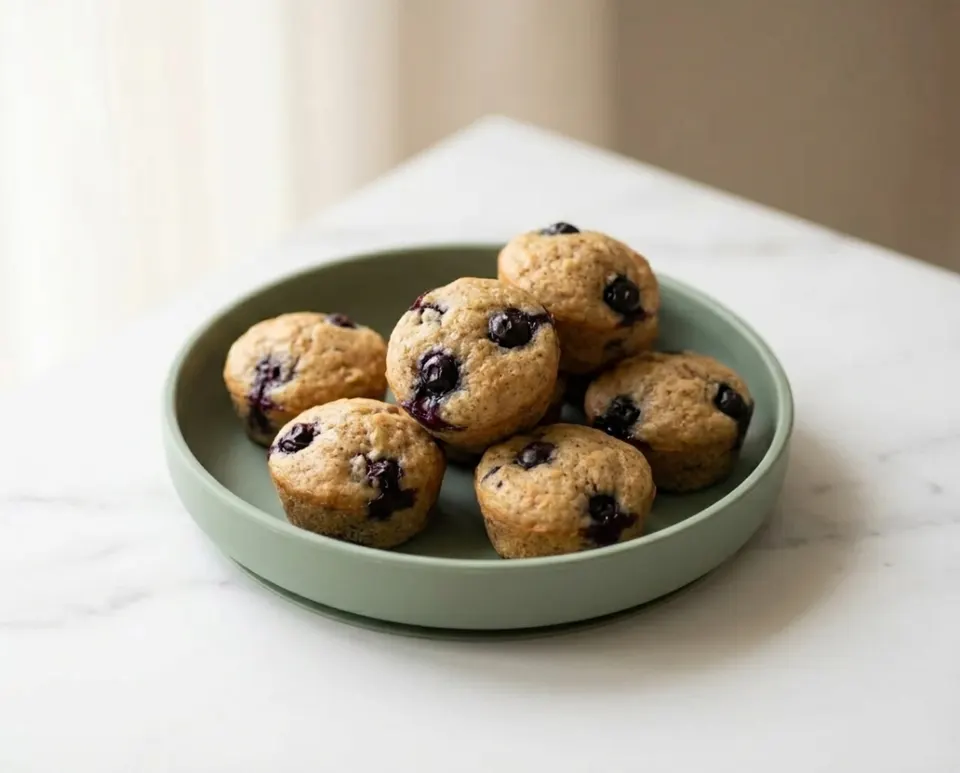
Banana and Blueberry Mini Muffins
These soft, egg-free muffins are naturally sweetened with ripe banana and bursting with juicy blueberries. They are perfectly sized for little hands and make a wonderful grab-and-go snack or breakfast addition.
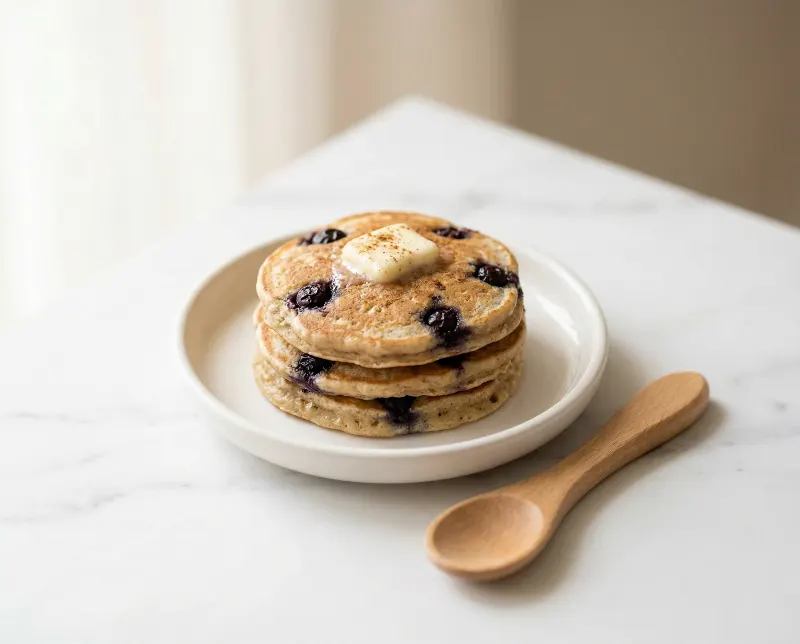
Fluffy Blueberry Oat Pancakes
Naturally sweet and wholesome pancakes made with fiber-rich oats and antioxidant-packed blueberries. These are soft enough for toddlers to chew easily and perfect for self-feeding.
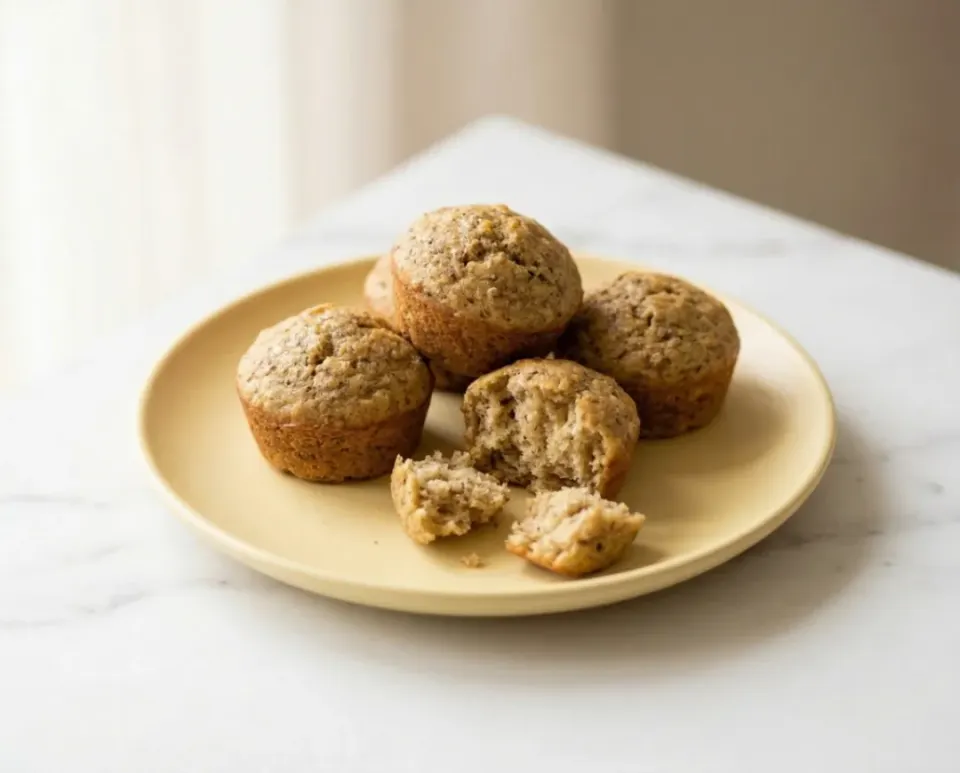
Egg-Free Banana Muffins
Wonderfully soft banana muffins made without eggs — perfect for little ones with an egg allergy or sensitivity. Ground flaxseed stands in as the binder, keeping these muffins moist and tender.
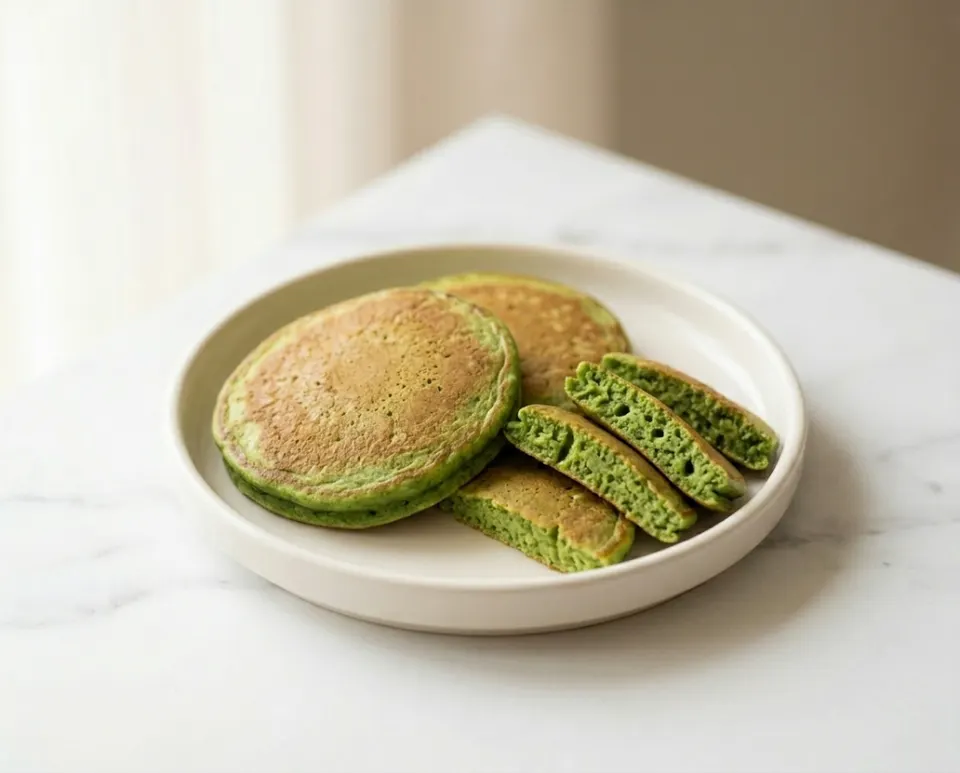
Fluffy Spinach Blender Pancakes
These quick and easy green pancakes are a fantastic way to offer greens to your little ones. By blending fresh spinach with a ripe banana and simple pantry staples, you get perfectly soft, vibrant pancakes that toddlers and kids will devour. Great for baby-led weaning and perfectly family-friendly.
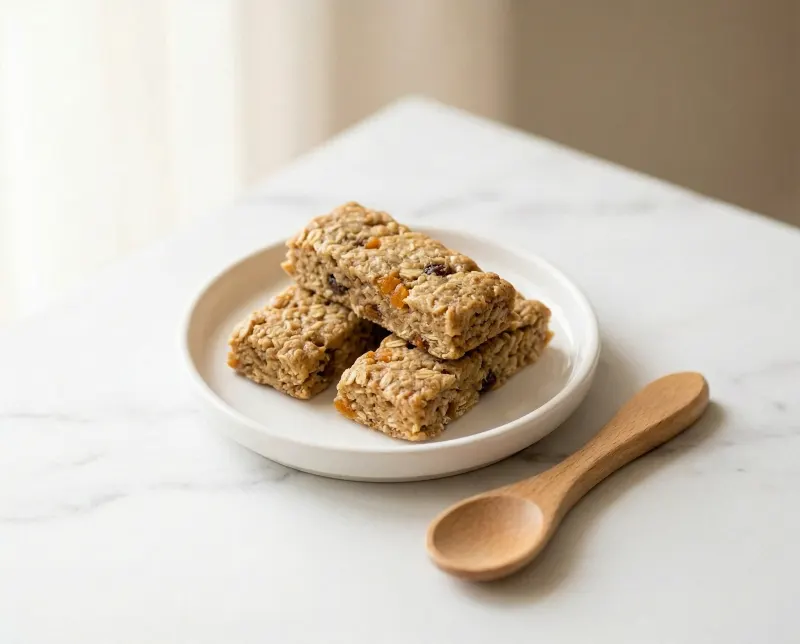
Soft-Bake Banana & Oat Granola Bars
Soft, chewy, and naturally sweet granola bars made with oats, mashed banana, and almond butter. A perfect on-the-go snack that is safe and nutritious for toddlers.
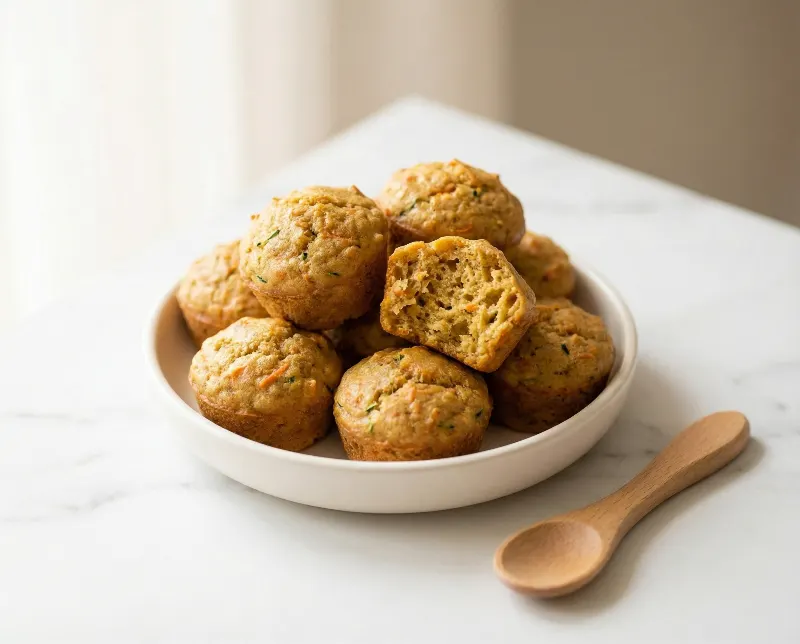
Mini Carrot & Courgette Muffins
Soft, fluffy mini muffins packed with hidden vegetables. Naturally sweetened and perfect for little hands to hold, these are great for breakfast or on-the-go snacking.
Frequently asked
Should I buy 'Virgin' or 'Refined' coconut oil for my baby?
Always choose 'Virgin' or 'Extra Virgin' (unrefined) coconut oil. Refined versions are often bleached and deodorized using chemicals, which strips away the beneficial antioxidants and the natural antimicrobial properties.
Is coconut oil a common allergen?
While the FDA classifies coconut as a tree nut, most people with tree nut allergies can safely consume coconut. True coconut allergies are very rare. However, if your baby has a severe tree nut allergy, consult your pediatrician first.

Track Coconut Oil in the Nica app
Log foods, track reactions, and plan meals — all in one place.

