When can babies eat Cilantro?
From 6 months
Start with: Completely smooth puree.
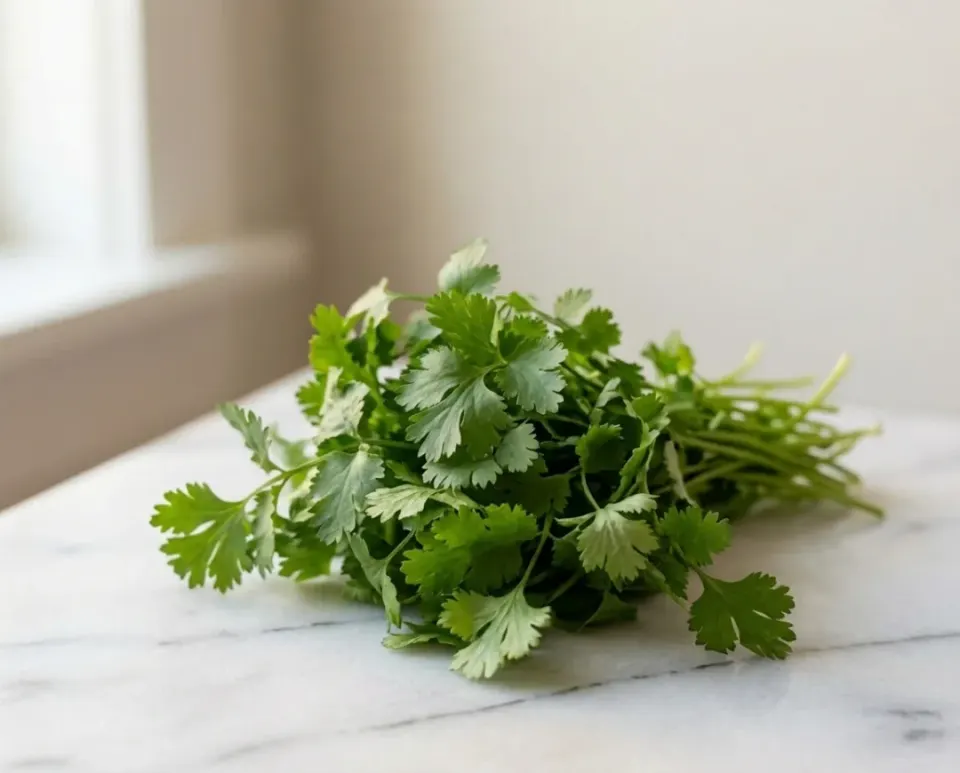
Cilantro, also known as coriander leaf, is a fragrant herb rich in antioxidants and Vitamin K. It is excellent for supporting bone health and has natural antimicrobial properties. Introducing cilantro early helps expand a baby's palate to fresh, herbal flavors and can help settle small tummies due to its digestive-friendly compounds.
How to serve Cilantro, by age
- 6mo
From 6 months: Completely smooth puree.
Introduce cilantro by blending a few leaves into smooth vegetable purees, such as carrot, sweet potato, or avocado. Ensure the leaves are thoroughly washed and pureed completely so there are no small pieces that could cause gagging.
- 9mo
From 9 months: Finely minced leaves mixed into soft textures.
Mix very finely chopped cilantro leaves into soft foods like mashed beans, lentils, or yogurt. At this stage, the tiny green flecks provide visual interest and a burst of fresh flavor. Avoid using the stems, which can be stringy and harder to chew.
- 12mo
From 12 months: Chopped fresh herb garnish.
Toddlers can enjoy cilantro as a garnish on tacos, in mild salsas, or mixed into rice dishes. It pairs beautifully with lime and avocado. You can now include finely chopped tender stems if they are cooked into soups or stews.
Choking risk & safe preparation
Low choking risk
While cilantro is generally safe, large unchopped leaves or stringy stems can cause a baby to gag. Always mince finely for infants and ensure stems are removed for the youngest eaters.
Allergen information
Not a common childhood allergen. Reactions are possible with any food, so introduce it on its own first.
Nutrition & benefits
Cilantro is an incredible source of Vitamin K (310mcg), which is essential for blood clotting and building strong bones. It also provides a surprising amount of Vitamin C and Vitamin A to support a healthy immune system and vision.
- Bone Health
- Immune Support
- Palate Expansion
Per 100 g
- Energy
- 23kcal
- Protein
- 2.1g
- Fat
- 0.5g
- Fiber
- 2.8g
- Iron
- 1.8mg
- Vitamin C
- 27mg
See all nutrients (25)
Macronutrients
- Energy
- 23 kcal
- Protein
- 2.1 g
- Carbohydrates
- 3.7 g
- Fat
- 0.5 g
Key Minerals
- Iron
- 1.8 mg
- Calcium
- 67 mg
- Zinc
- 0.5 mg
- Sodium
- 46 mg
- Potassium
- 521 mg
- Magnesium
- 26 mg
- Phosphorus
- 48 mg
- Selenium
- 0.9 mcg
- Copper
- 0.2 mg
- Manganese
- 0.4 mg
Vitamins
- Vitamin A
- 337 mcg
- Vitamin C
- 27 mg
- Vitamin D
- 0 mcg
- Vitamin B6
- 0.1 mg
- Vitamin B12
- 0 mcg
- Vitamin E
- 2.5 mg
- Vitamin K
- 310 mcg
- Folate
- 62 mcg
- Thiamin (B1)
- < 0.1 mg
- Choline
- 12.8 mg
Other
- Fiber
- 2.8 g
Source: USDA FoodData Central
Pairs well with
Recipes with Cilantro
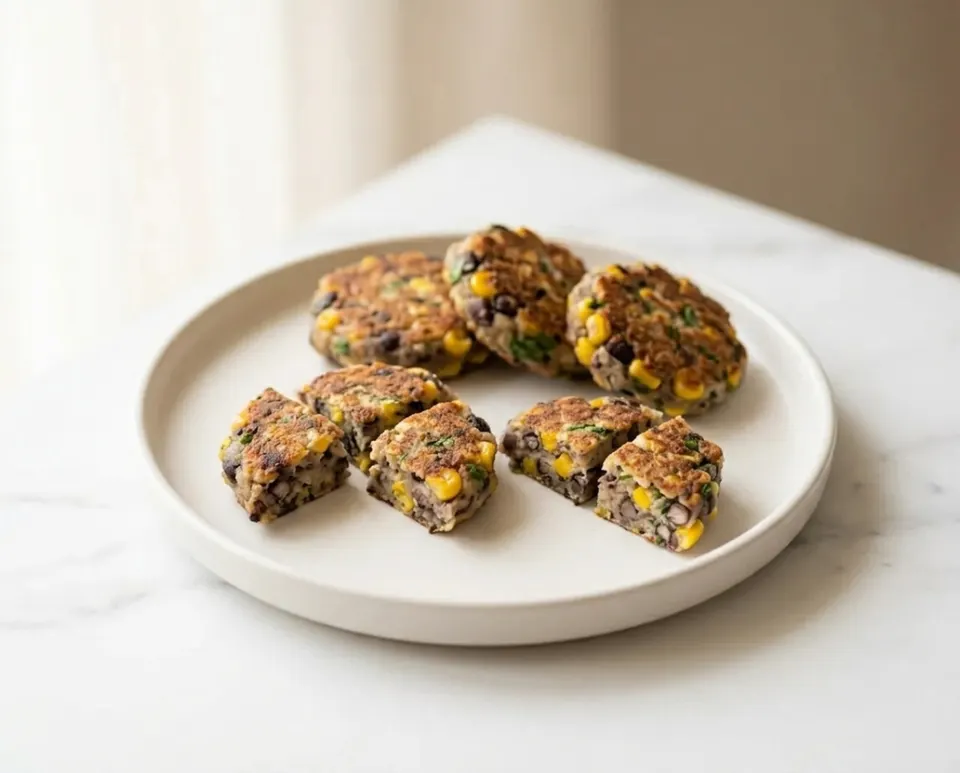
Soft Black Bean and Corn Fritters
These tender, protein-packed fritters are a wonderful finger food for toddlers. Made with fiber-rich black beans and sweet corn, they have a soft texture that is easy to chew and perfect for little hands to hold.
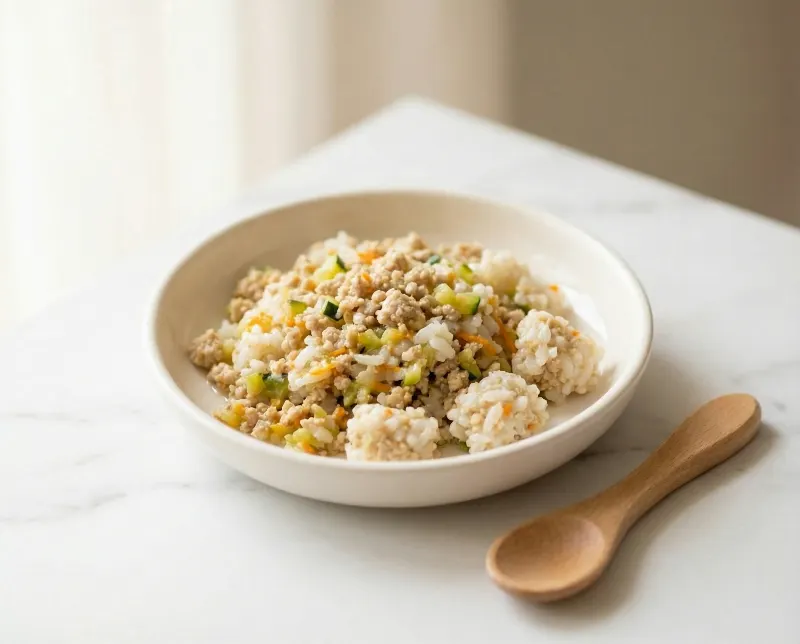
Creamy Mild Chicken & Sweet Potato Curry
A fragrant and gentle introduction to spices. This creamy curry uses coconut milk and sweet potato to create a naturally sweet sauce that complements tender chicken pieces, providing a rich source of iron and Vitamin A.
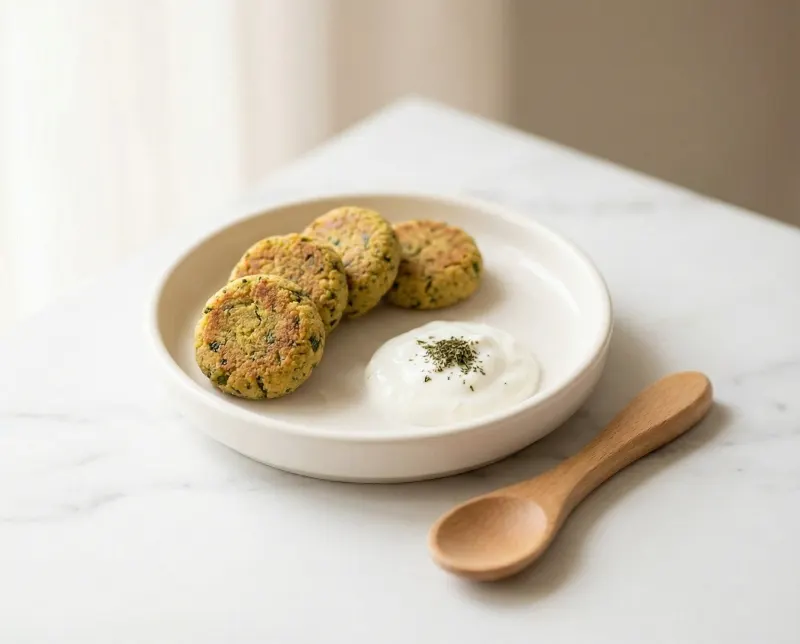
Mini Soft-Baked Falafel with Yogurt Dip
Delicious, herb-packed chickpea bites that are baked until tender. Served with a cooling yogurt and lemon dip, these mini falafels are rich in iron, fiber, and plant-based protein.
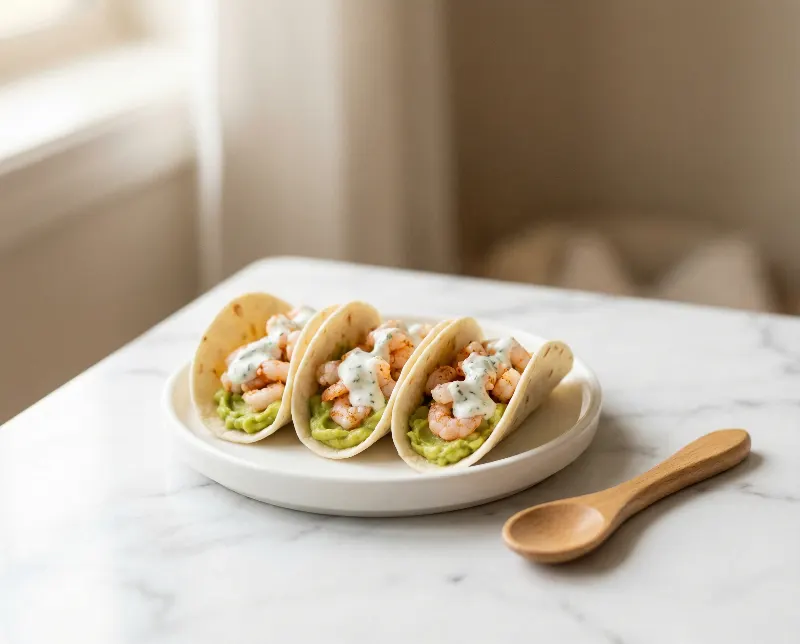
Mini Soft Prawn Tacos with Lime Cream
Tiny, soft-shell tacos filled with tender chopped prawns, mashed avocado, and a cooling lime yogurt. A fun, hand-held meal rich in protein and healthy fats.
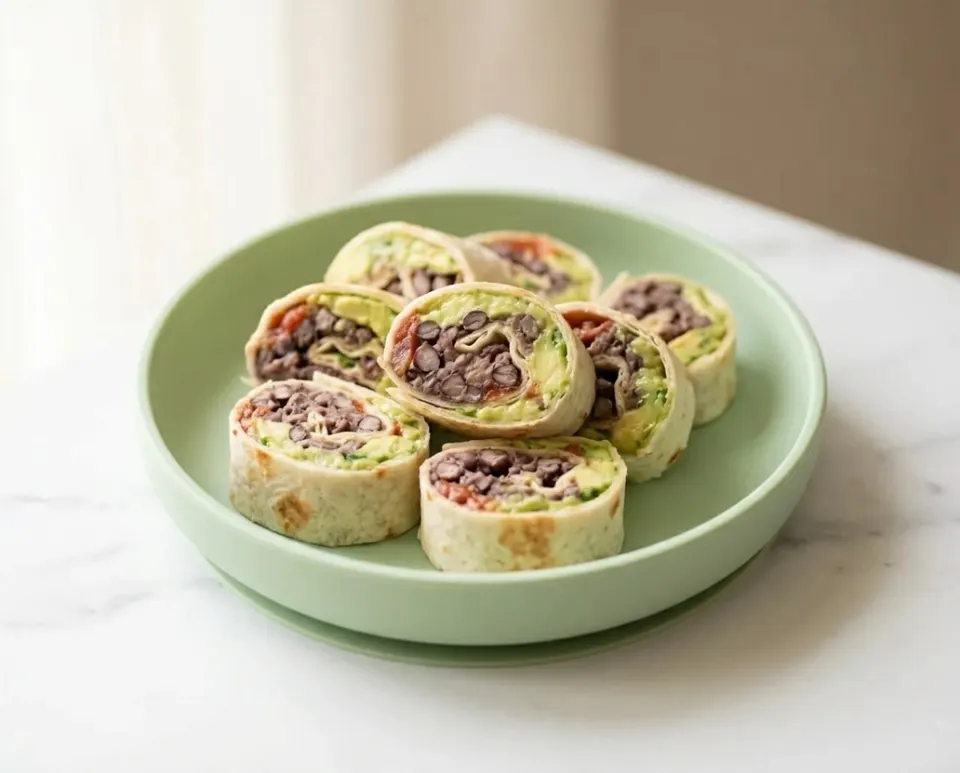
Zesty Black Bean and Avocado Breakfast Wrap
A nutritious and filling breakfast wrap packed with plant-based protein and healthy fats. The creamy avocado and mashed beans are lightly seasoned with lime and mild salsa for a gentle introduction to vibrant flavors.
Frequently asked
Can cilantro help with my baby's digestion?
Yes! Cilantro has been used traditionally to help relieve gas and bloating. Its natural compounds can help settle the stomach as babies adjust to a wider variety of solid foods.
Why does cilantro taste like soap to some people?
This is due to a specific gene (OR6A2) that makes some people sensitive to the aldehydes in cilantro. If your baby repeatedly refuses it while accepting other herbs, they may have this genetic trait!

Track Cilantro in the Nica app
Log foods, track reactions, and plan meals — all in one place.

