When can babies eat Chicken Liver?
From 6 months
Start with: Silky smooth puree or thin spread
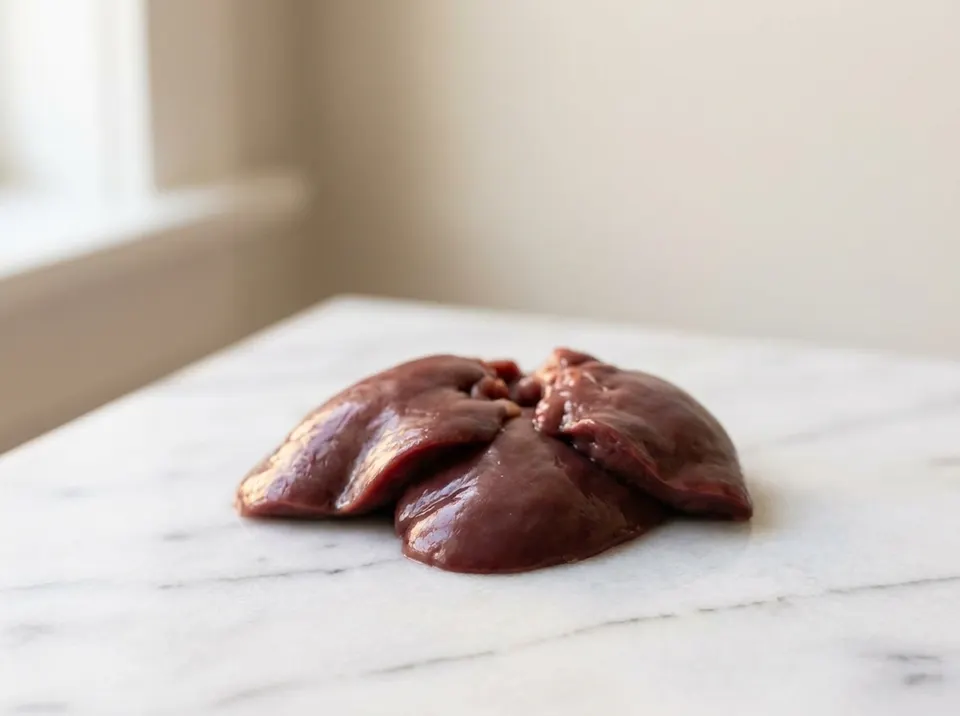
Chicken liver is one of the most nutrient-dense foods available for babies, providing an unparalleled concentration of easily absorbed heme iron, vitamin B12, and choline. Because it is exceptionally high in preformed vitamin A, it should be offered in modest quantities, about one to two tablespoons once per week. When cooked until tender and served as a smooth puree, spread, or finely minced mix-in, it offers a wonderful savory introduction to organ meats.
How to serve Chicken Liver, by age
- 6mo
From 6 months: Silky smooth puree or thin spread
Serve smooth chicken liver puree or a homemade pate thinly spread on lightly toasted bread crusts, or stir one teaspoon into vegetable purees.
- 9mo
From 9 months: Smooth spread or tiny soft minced pieces
Spread a thin layer of liver pate onto teething crackers or toast fingers, or mix finely minced, tender cooked liver into mashed sweet potato or rice.
- 12mo
From 12 months: Tender, moist bite-sized pieces or soft patties
Offer small, tender, bite-sized pieces of well-cooked chicken liver, or fold finely chopped liver into homemade meatballs or pasta dishes.
Choking risk & safe preparation
Moderate choking risk
Cooked chicken liver has a soft, crumbly consistency, but overcooking can make it dry, chalky, and difficult for babies to swallow. Large, rubbery chunks also pose a choking risk. To serve safely, cook liver thoroughly to an internal temperature of 165°F (74°C) until no longer pink, then blend into a smooth pate, finely mince, or grate over other soft foods.
Allergen information
Not a common childhood allergen. Reactions are possible with any food, so introduce it on its own first.
Nutrition & benefits
Chicken liver is a premier source of bioavailable heme iron to prevent anemia and support brain growth. It is also packed with vitamin B12 for nerve function, choline for cognitive development, and vitamin A for robust vision and immunity.
- Iron Rich
- Brain Food
- Immune Support
- High Protein
- Palate Expansion
Per 100 g
- Energy
- 167kcal
- Protein
- 24.5g
- Fat
- 6.5g
- Iron
- 11.6mg
- Vitamin C
- 27.9mg
See all nutrients (22)
Macronutrients
- Energy
- 167 kcal
- Protein
- 24.5 g
- Carbohydrates
- 0.9 g
- Fat
- 6.5 g
Key Minerals
- Iron
- 11.6 mg
- Calcium
- 11 mg
- Zinc
- 4 mg
- Sodium
- 76 mg
- Potassium
- 263 mg
- Magnesium
- 25 mg
- Phosphorus
- 405 mg
- Selenium
- 82.4 mcg
- Copper
- 0.5 mg
- Manganese
- 0.4 mg
Vitamins
- Vitamin A
- 3981 mcg
- Vitamin C
- 27.9 mg
- Vitamin B6
- 0.8 mg
- Vitamin B12
- 16.9 mcg
- Vitamin E
- 0.8 mg
- Folate
- 578 mcg
- Thiamin (B1)
- 0.3 mg
- Choline
- 290 mg
Source: USDA FoodData Central
Pairs well with
Frequently asked
Why do I need to limit how much chicken liver my baby eats?
Liver is exceptionally rich in preformed vitamin A, which the body stores in the liver rather than excreting in urine. While vitamin A is critical for vision and immune health, too much can be toxic over time. Offering about one to two tablespoons once a week gives your baby all the incredible nutritional benefits while remaining completely safe.
How should I cook chicken liver to keep it safe and tender?
Always cook chicken liver thoroughly until the internal temperature reaches 165°F (74°C) and no pink remains. Simmering in low-sodium broth or gently pan-cooking in a splash of olive oil keeps it soft. Be careful not to overcook it, as prolonged high heat makes the texture dry, grainy, and harder to swallow.
What is the easiest way to serve chicken liver to a beginner?
Making a mild homemade spread is easiest. Simmer the liver with sweet vegetables like caramelized onions or carrots, then blend with a little breast milk, formula, or olive oil into a silky pate. You can also freeze cooked liver solid and finely grate a teaspoon right over warm purees.
Can chicken liver cause an allergic reaction in babies?
Poultry allergy is quite rare, making chicken liver a generally low-risk food for allergic reactions. As with any new food, offer a small portion on its own first and watch for common signs of a reaction, such as facial swelling, hives, vomiting, or diarrhea.

Track Chicken Liver in the Nica app
Log foods, track reactions, and plan meals — all in one place.

