When can babies eat Butternut Squash?
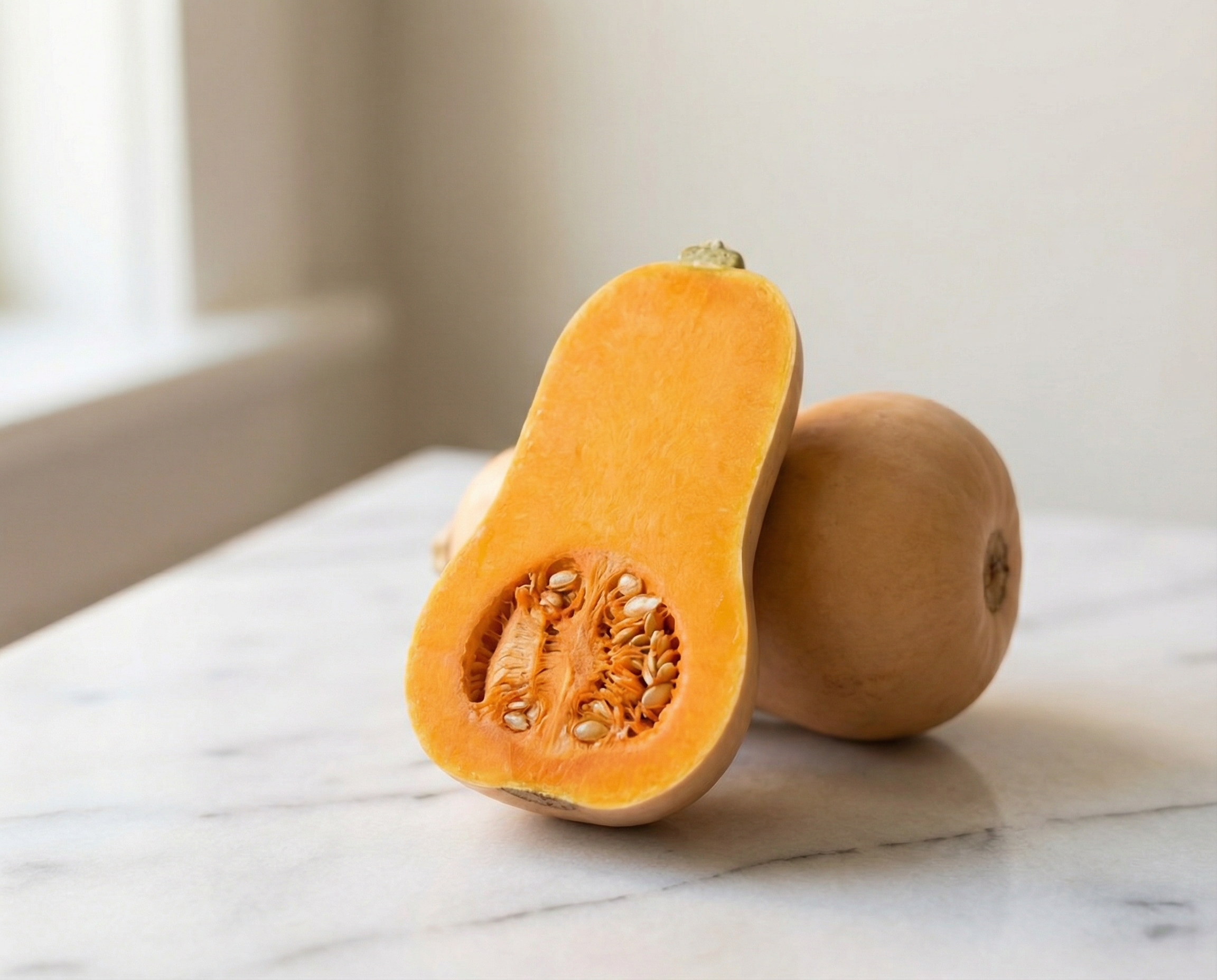
Butternut squash is a nutritional powerhouse, famous for its high beta-carotene content which supports eye health and immune function. It has a sweet, nutty flavor and a naturally creamy texture when cooked, making it highly palatable for babies. It is also a gentle source of fiber to help prevent constipation.
Age guide
| Stage | Min age | Serving | Texture |
|---|---|---|---|
| 6m+ | 6m | Serve as a smooth puree (steamed or roasted). For BLW, offer long, thick spears (about the size of two adult fingers) roasted until soft enough to be smashed with gentle pressure. Ensure the skin and all seeds are completely removed. | Velvety puree or very soft spears. |
| 9m+ | 9m | Offer small, soft-cooked cubes for practicing the pincer grasp. You can also mash butternut squash and mix it with ground turkey or quinoa for a balanced meal. The texture should be very soft and yield easily to the gums. | Small, soft bite-sized cubes. |
| 12m+ | 12m | Serve in chunks, as a base for creamy soups, or baked into savory muffins. Toddlers can also enjoy butternut squash 'fries' (roasted wedges). It is a great alternative to potatoes for adding variety to their palate. | Soft chunks or wedges. |
Pairs well with
Frequently asked
Recipes with Butternut Squash
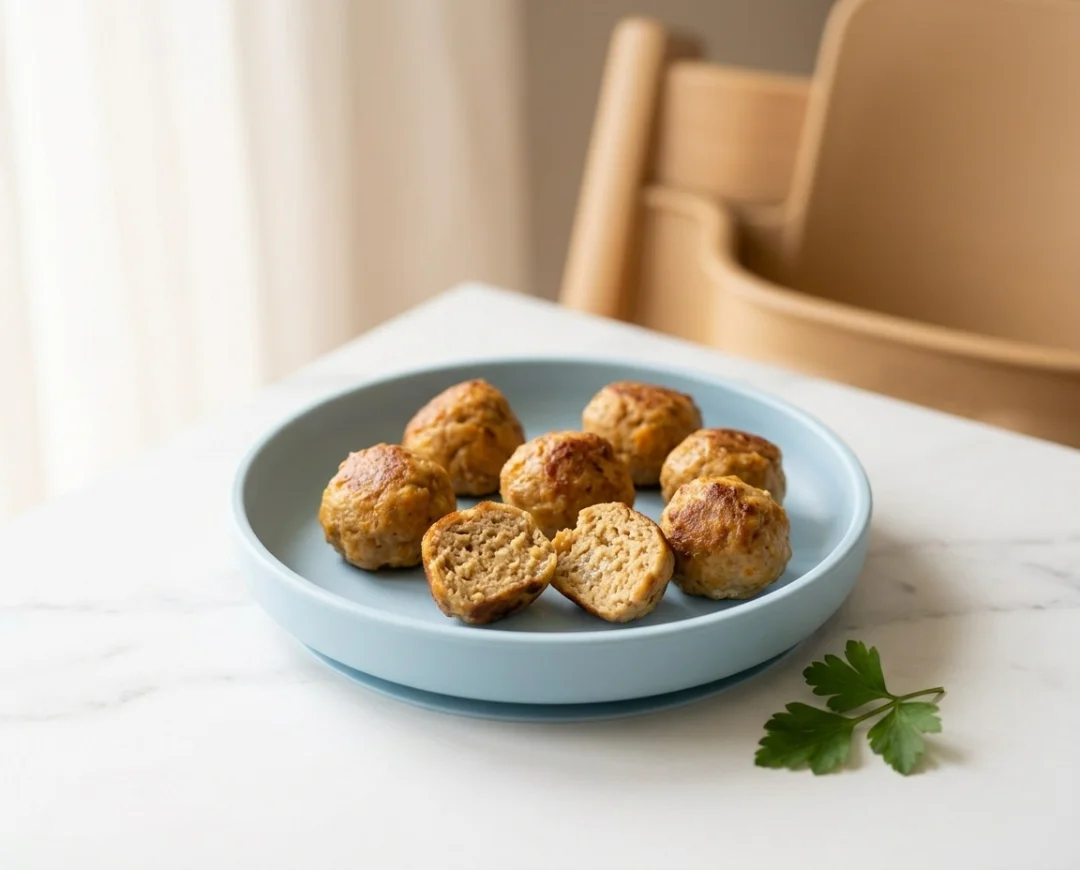
Butternut Squash & Peanut Butter Baby Meatballs
Juicy, iron-rich meatballs with hidden butternut squash for sweetness and smooth peanut butter for binding and allergen exposure. Egg-free and dairy-free. Soft enough for baby to mash with their gums, cut in halves for pincer grasp practice.
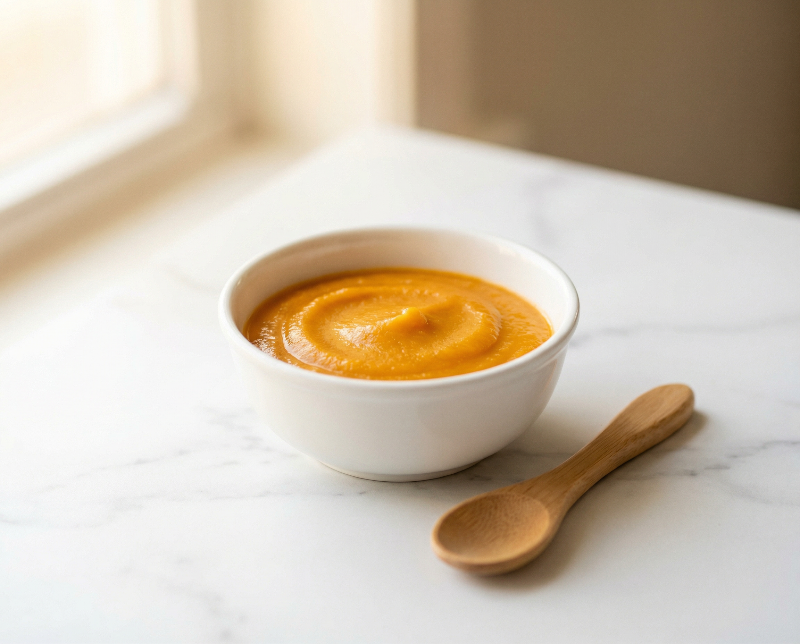
Velvety Roasted Butternut Squash
A smooth, nutrient-dense puree made by roasting butternut squash to bring out its natural sweetness. High in Vitamin A for healthy vision and Vitamin C for a strong immune system.
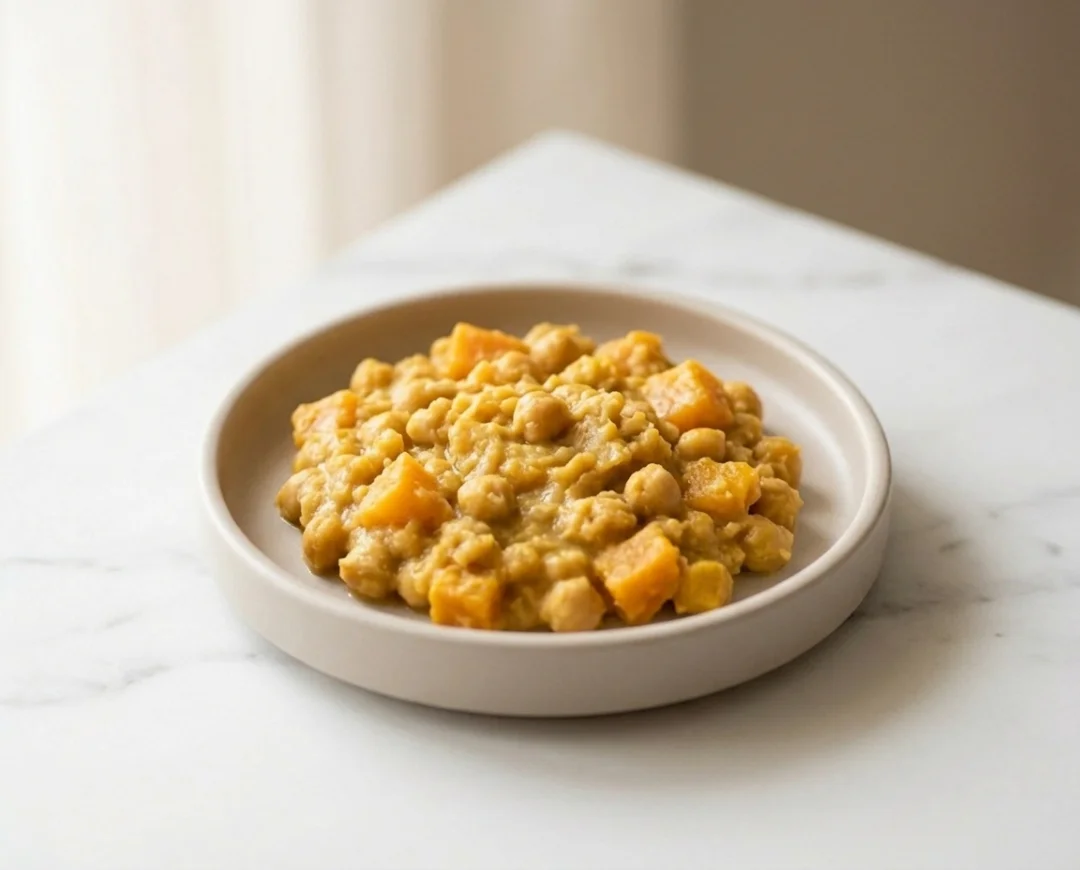
Mild Chickpea & Butternut Squash Curry
A creamy, plant-based curry made with chickpeas, butternut squash, and coconut milk, gently spiced with cumin and turmeric. Thick and scoopable, this iron-rich dinner introduces babies to warm spices while delivering protein and fibre.
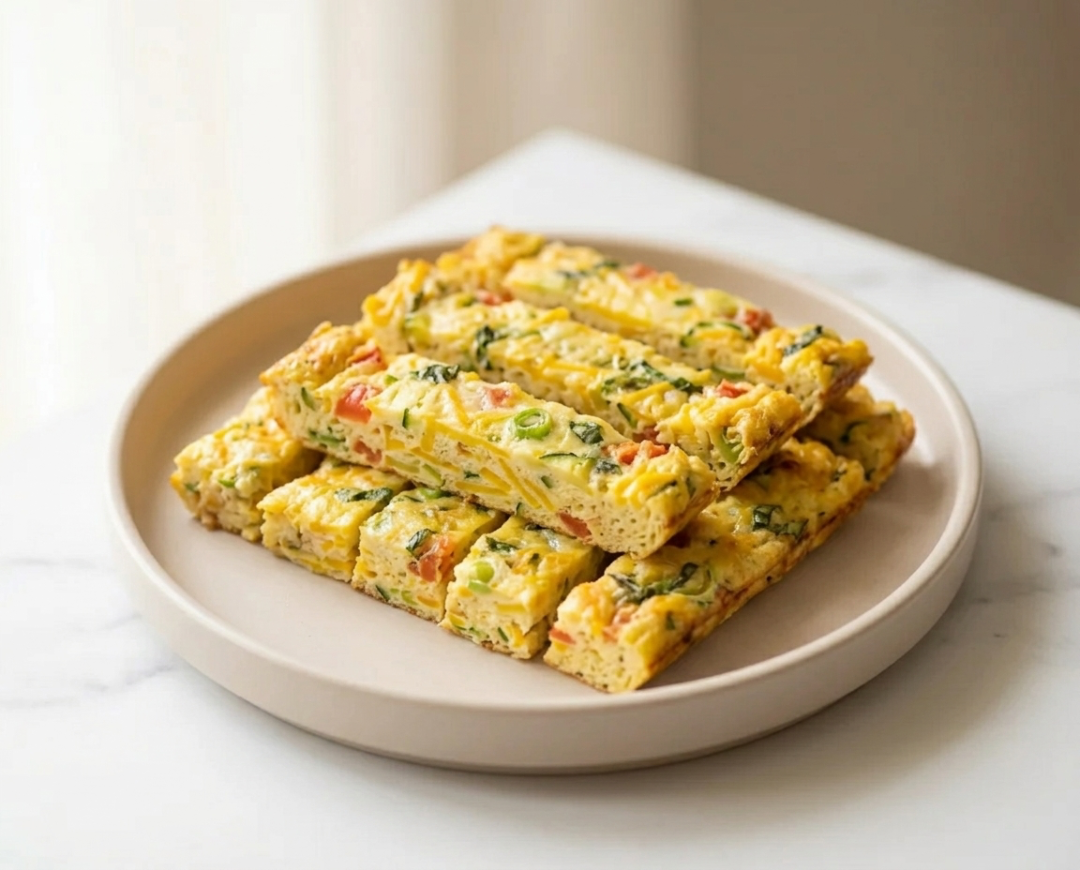
Soft Veggie Frittata Fingers
These colorful egg strips are packed with hidden vegetables and are easy for little hands to grasp. They have a soft, spongy texture that is perfect for babies starting their solid food journey. A great way to introduce eggs and a variety of garden vegetables in one go.
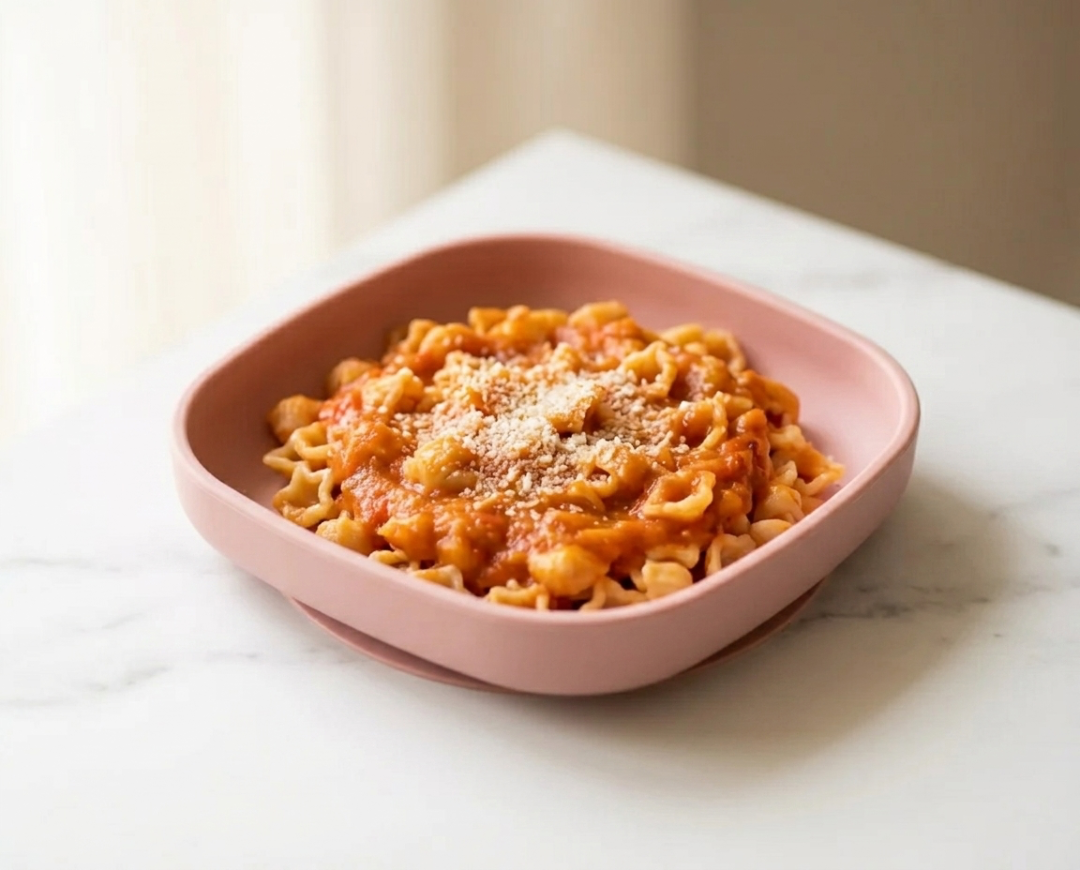
Veggie Tomato Pasta
A vibrant and nutrient-packed pasta dish that hides five different vegetables in a silky smooth sauce. It is a wonderful way to offer a variety of flavors and vitamins to your toddler in a familiar, comforting format.
Track Butternut Squash in the Nica app
Log foods, track reactions, and plan meals — all in one place.