When can babies eat Whole Wheat Pasta?
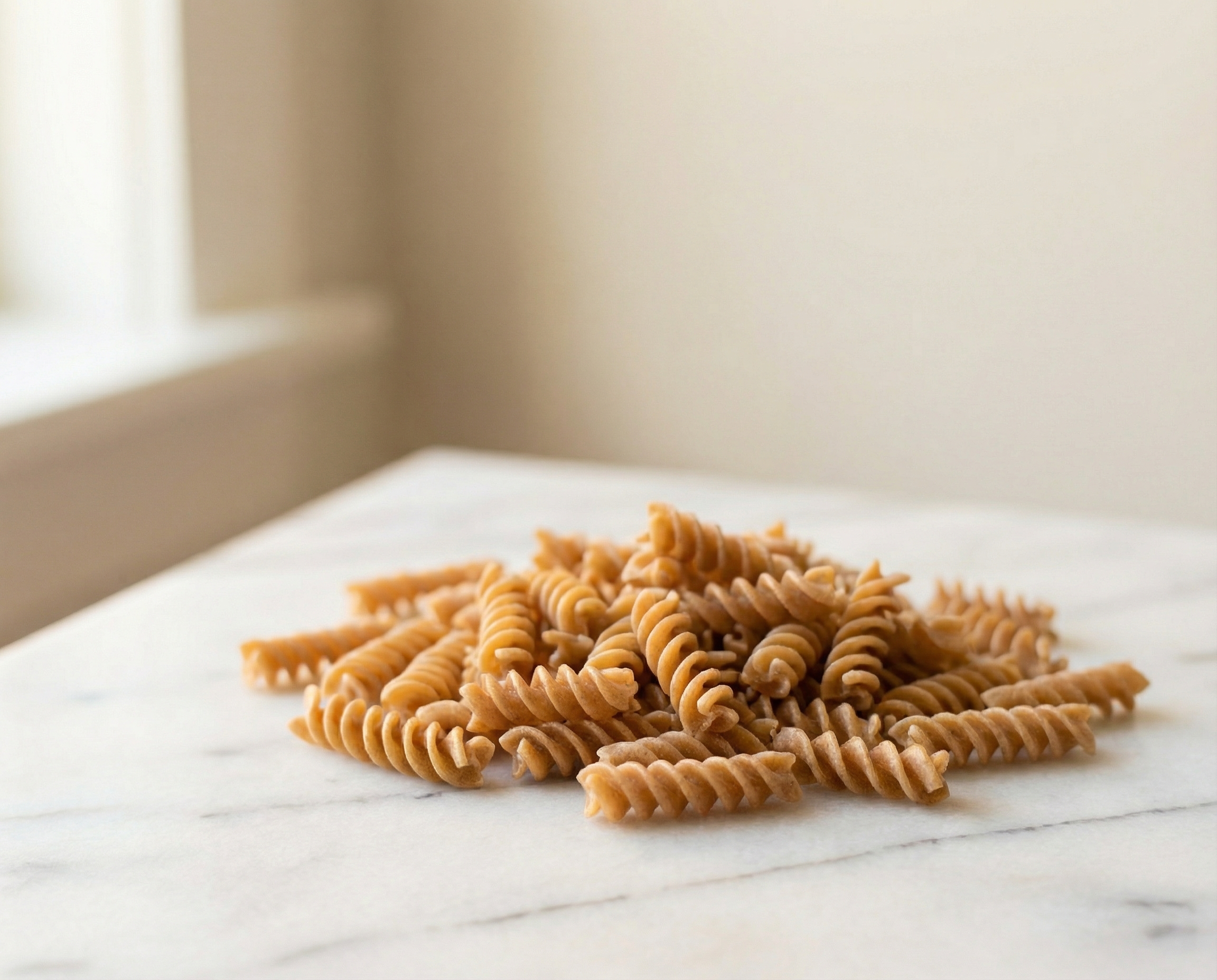
Whole wheat pasta is made from the entire grain kernel, providing more fiber, protein, and B-vitamins than refined white pasta. It is an excellent source of complex carbohydrates for sustained energy and iron for healthy blood. Because it has a firmer texture, it is a great tool for babies to practice their chewing skills and hand-eye coordination.
Age guide
| Stage | Min age | Serving | Texture |
|---|---|---|---|
| 6m+ | 6m | Serve as a smooth puree or very large shapes for BLW. For purees, cook the pasta until very soft and blend with a sauce like tomato or squash. For Baby-Led Weaning, offer large, easy-to-grip shapes like fusilli or penne, cooked past the 'al dente' stage until they are mushy. The baby will mostly suck and gum the pasta. | Mushy, soft, and easy to gum. |
| 9m+ | 9m | Offer bite-sized pieces to practice the pincer grasp. Cut long noodles into small bits or offer small shapes like macaroni or orzo. Ensure the pasta is well-coated in a sauce (like olive oil, yogurt, or avocado) to make it slippery and easier to swallow. Avoid dry pasta which can be a gagging risk. | Soft, bite-sized pieces with sauce. |
| 12m+ | 12m | Toddlers can enjoy a variety of pasta shapes and textures. You can now cook the pasta slightly firmer (though still softer than adult 'al dente'). Introduce complex sauces with minced meats or chopped vegetables. Long strands of spaghetti can be introduced, but should still be cut to manageable lengths to prevent choking. | Tender, cooked whole wheat shapes. |
Pairs well with
Frequently asked
Recipes with Whole Wheat Pasta
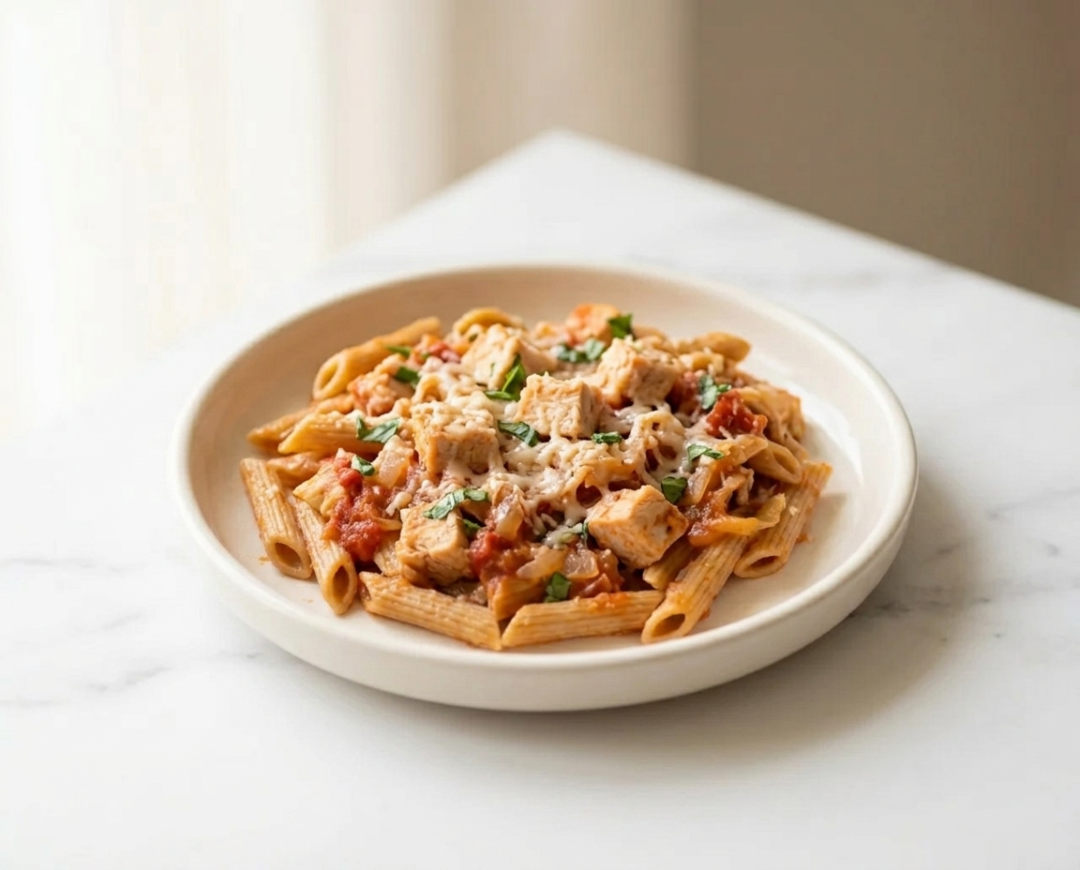
Tender Chicken and Tomato Basil Pasta
A vibrant and wholesome pasta dish that combines lean chicken with a fresh tomato sauce and fragrant basil. This recipe is perfectly textured for toddlers, offering a balanced meal that the whole family can enjoy together.
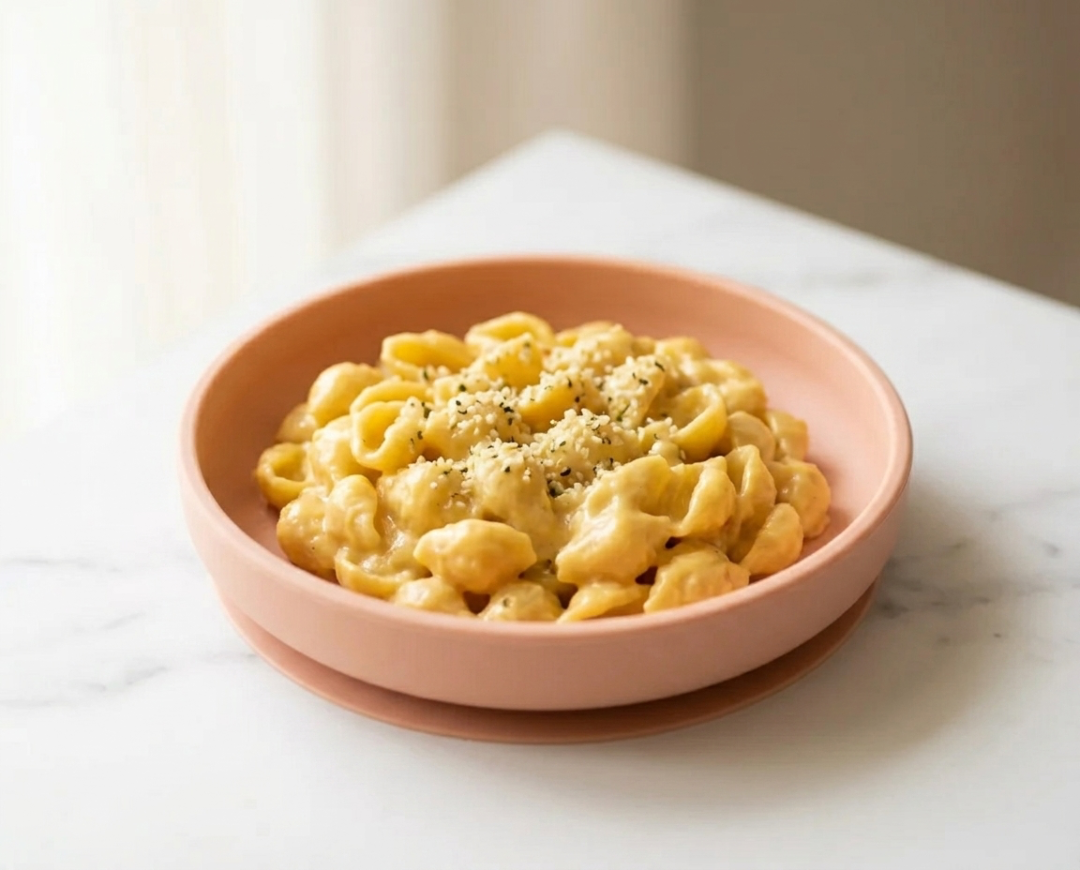
Creamy Egg Yolk Pasta for Toddlers
A silky, protein-rich sauce made from hard-boiled egg yolks and mild cheese that perfectly coats every piece of pasta. This is a wonderful way to introduce the richness of eggs in a familiar, comforting format for your little one.
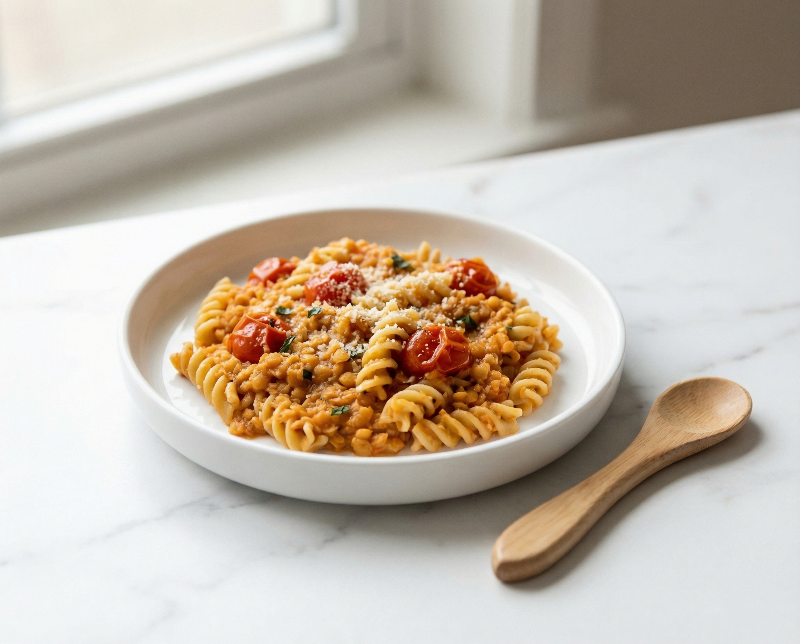
Lentil & Roasted Tomato Pasta
A hearty and iron-rich pasta dish featuring soft red lentils and naturally sweet roasted cherry tomatoes. A perfect vegetarian meal that provides sustained energy for active toddlers.
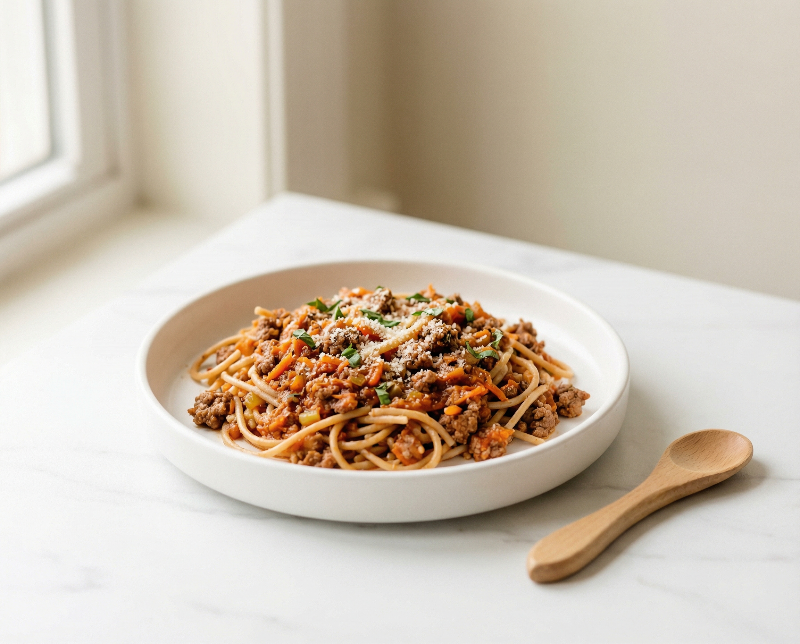
Veggie-Loaded Spaghetti Bolognese
A classic, iron-rich meat sauce packed with finely grated carrots and celery. Served over soft whole-wheat spaghetti, this is a nutritious and comforting meal for growing toddlers.
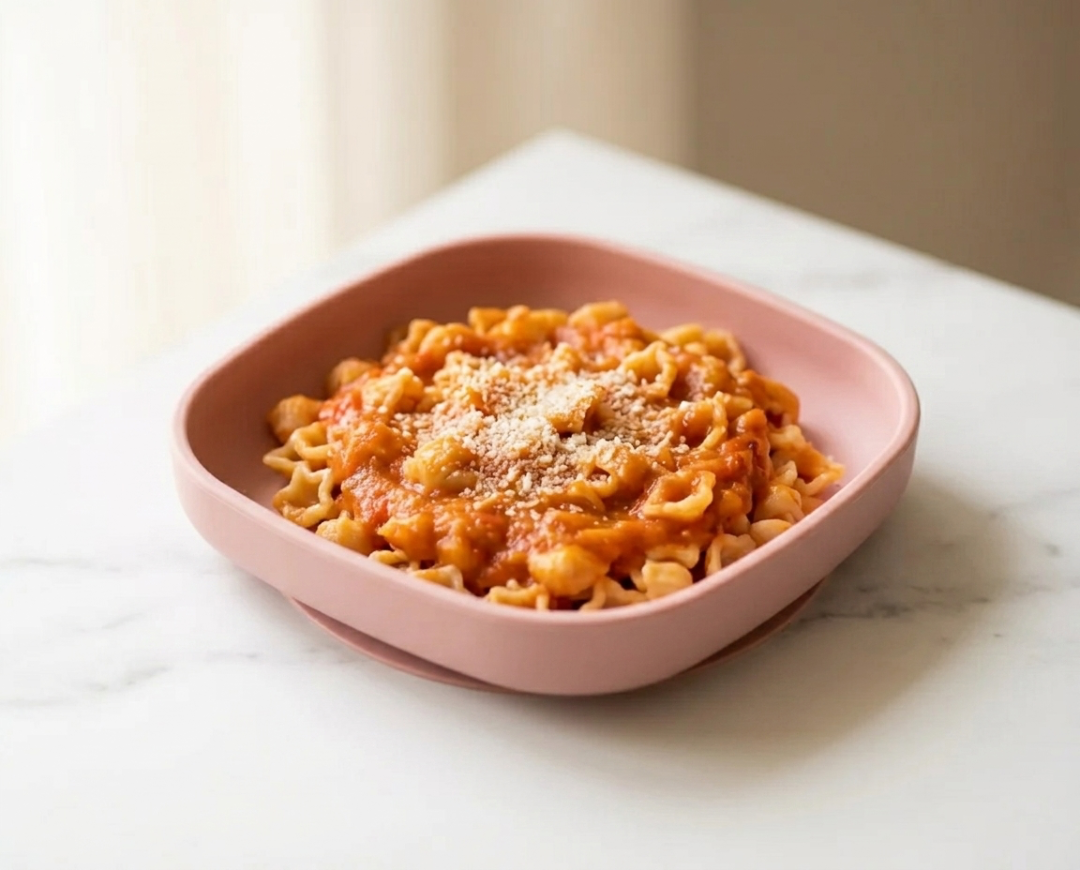
Veggie Tomato Pasta
A vibrant and nutrient-packed pasta dish that hides five different vegetables in a silky smooth sauce. It is a wonderful way to offer a variety of flavors and vitamins to your toddler in a familiar, comforting format.
Track Whole Wheat Pasta in the Nica app
Log foods, track reactions, and plan meals — all in one place.