When can babies eat Spelt?
Safe from: 6 months
Common allergen: Yes
Choking risk: Moderate
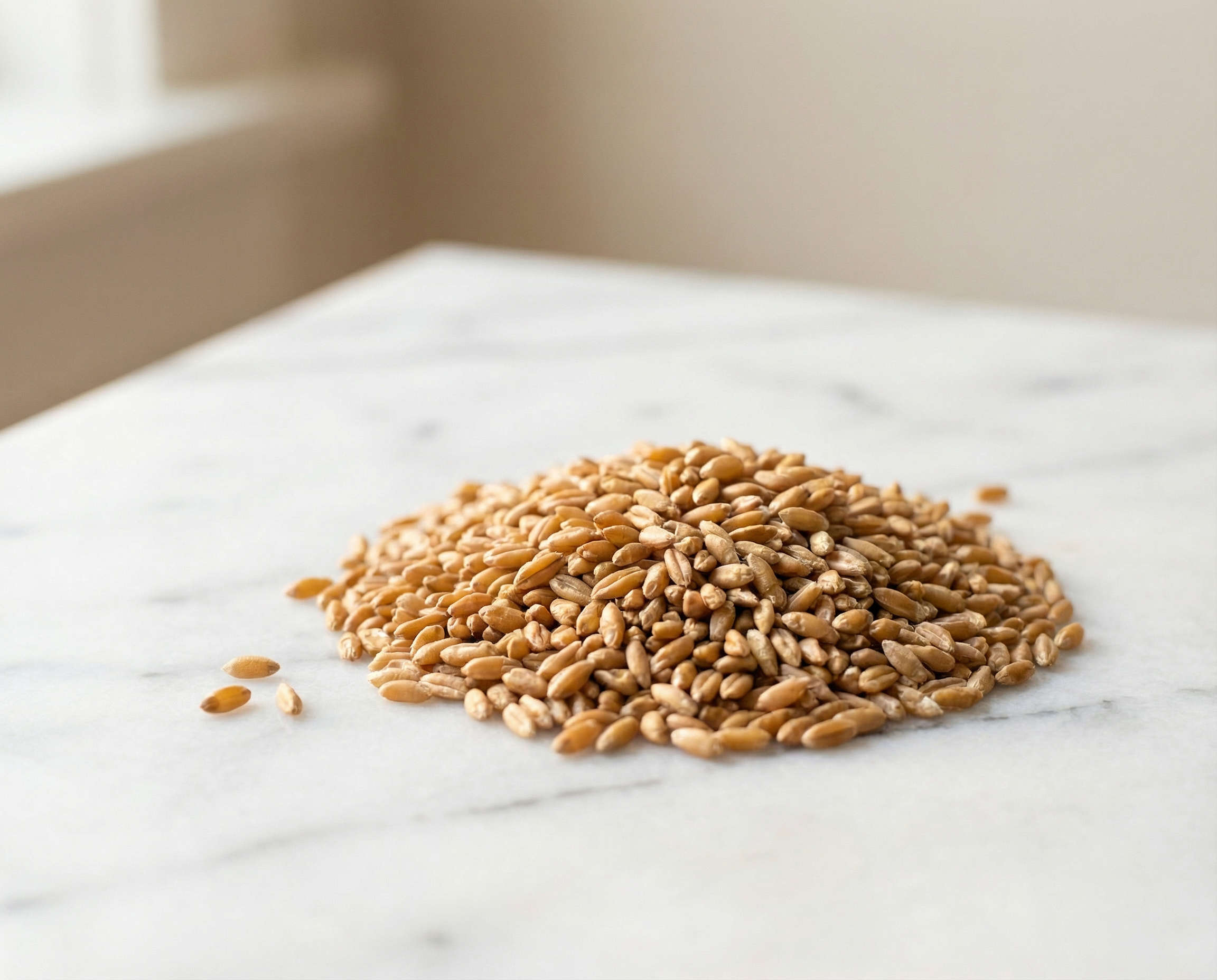
Spelt is an ancient grain with a nutty flavor and a impressive nutrient profile. It contains more protein than common wheat and is rich in fiber, manganese, and magnesium. While it does contain gluten, the molecular structure of spelt gluten is different and often easier for sensitive digestive systems to process. It is a fantastic energy source for active, growing babies.
Age guide
| Stage | Min age | Serving | Texture |
|---|---|---|---|
| 6m+ | 6m | Serve as a smooth porridge using spelt flour or finely ground spelt meal. Cook with breast milk, formula, or water until it reaches a silky, liquid consistency. This introduces a complex, nutty flavor early on. Ensure there are no lumps to prevent gagging. | Silky, thin porridge. |
| 9m+ | 9m | Introduce spelt in soft-baked goods or 'Spelt-otto.' You can use spelt flour to make unsweetened pancakes or soft bread strips. If using whole spelt berries, they must be soaked overnight and pressure-cooked or boiled until they are completely soft and can be easily smashed between two fingers. | Soft-baked textures or very tender grains. |
| 12m+ | 12m | Toddlers can enjoy spelt pasta, whole spelt bread, or spelt berries in soups. The slightly chewy texture of well-cooked spelt helps develop jaw muscles. It’s an excellent, more nutritious substitute for any recipe that calls for common wheat or white rice. | Chewy, tender whole grains or firm pasta. |
Pairs well with
Frequently asked
Recipes with Spelt
Track Spelt in the Nica app
Log foods, track reactions, and plan meals — all in one place.