When can babies eat Sesame Seeds?
From 6 months
Start with: Smooth, creamy, and thinned liquid puree or fine powder coating.
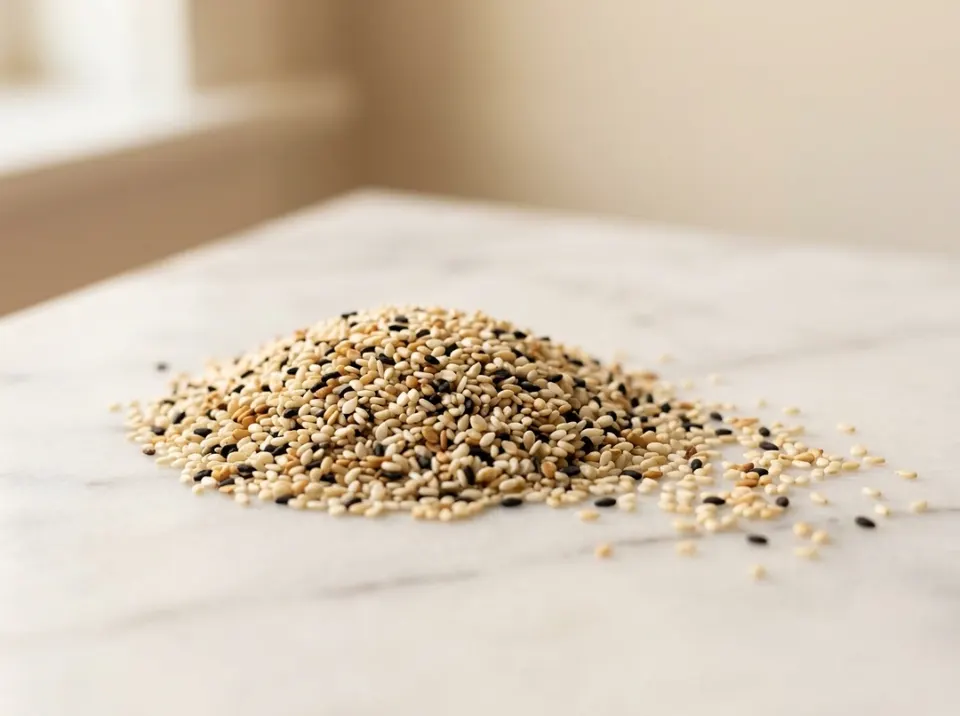
Sesame seeds are tiny, oil-rich seeds packed with plant-based calcium, healthy fats, and iron. They are one of the top major food allergens, so introducing them early and consistently is recommended. Because whole loose seeds can be tricky to digest and present an aspiration risk, serving them ground or blended as smooth, thinned tahini is the safest approach for babies.
How to serve Sesame Seeds, by age
- 6mo
From 6 months: Smooth, creamy, and thinned liquid puree or fine powder coating.
Mix a small amount (1/4 to 1/2 teaspoon) of smooth, well-thinned tahini into warm oatmeal, fruit puree, or plain yogurt. Alternatively, roll slippery finger foods like avocado slices or steamed sweet potato wedges in finely ground sesame seeds to add grip and nutrition.
- 9mo
From 9 months: Thick smooth dip or soft mash with gentle texture.
Stir thinned tahini into dips like hummus or mash it into soft lentils, beans, or shredded meats. You can also lightly sprinkle toasted, finely ground or lightly crushed sesame seeds over soft finger foods and steamed veggies.
- 12mo
From 12 months: Thin spread on soft solid foods or baked into finger foods.
Spread a thin layer of tahini onto lightly toasted bread strips or whole grain crackers, or use it as a base for veggie dips and noodle sauces. Whole toasted sesame seeds can be incorporated into pancakes, meatballs, or muffins.
Choking risk & safe preparation
Moderate choking risk
Whole loose sesame seeds can pose an aspiration risk and often pass through the digestive system unabsorbed. Smooth tahini paste can be very sticky and clumpy, which creates a choking hazard if served by the spoonful. Always thin tahini with breast milk, formula, water, or yogurt, or use finely ground sesame seeds mixed into purees, oatmeal, or sprinkled onto slippery finger foods.
Allergen information
This is one of the common childhood allergens. Introduce it on its own and watch for a reaction before mixing it with new foods.
Contains or relates to these allergens:
- Sesame
Nutrition & benefits
Sesame seeds are an extraordinary source of plant-based calcium for strong bones and teeth, along with iron and zinc to support cellular growth, cognitive development, and immune health. They are also loaded with healthy fats that help fuel rapid brain development.
- Bone Health
- Healthy Fats
- Iron Rich
- Brain Food
Per 100 g
- Energy
- 573kcal
- Protein
- 17.7g
- Fat
- 49.7g
- Fiber
- 11.8g
- Iron
- 14.6mg
See all nutrients (20)
Macronutrients
- Energy
- 573 kcal
- Protein
- 17.7 g
- Carbohydrates
- 23.4 g
- Fat
- 49.7 g
Key Minerals
- Iron
- 14.6 mg
- Calcium
- 975 mg
- Zinc
- 7.8 mg
- Sodium
- 11 mg
- Potassium
- 468 mg
- Magnesium
- 351 mg
- Phosphorus
- 629 mg
- Selenium
- 34.4 mcg
- Copper
- 4.1 mg
- Manganese
- 2.5 mg
Vitamins
- Vitamin B6
- 0.8 mg
- Vitamin E
- 0.3 mg
- Folate
- 97 mcg
- Thiamin (B1)
- 0.8 mg
- Choline
- 25.6 mg
Other
- Fiber
- 11.8 g
Source: USDA FoodData Central
Pairs well with
Recipes with Sesame Seeds
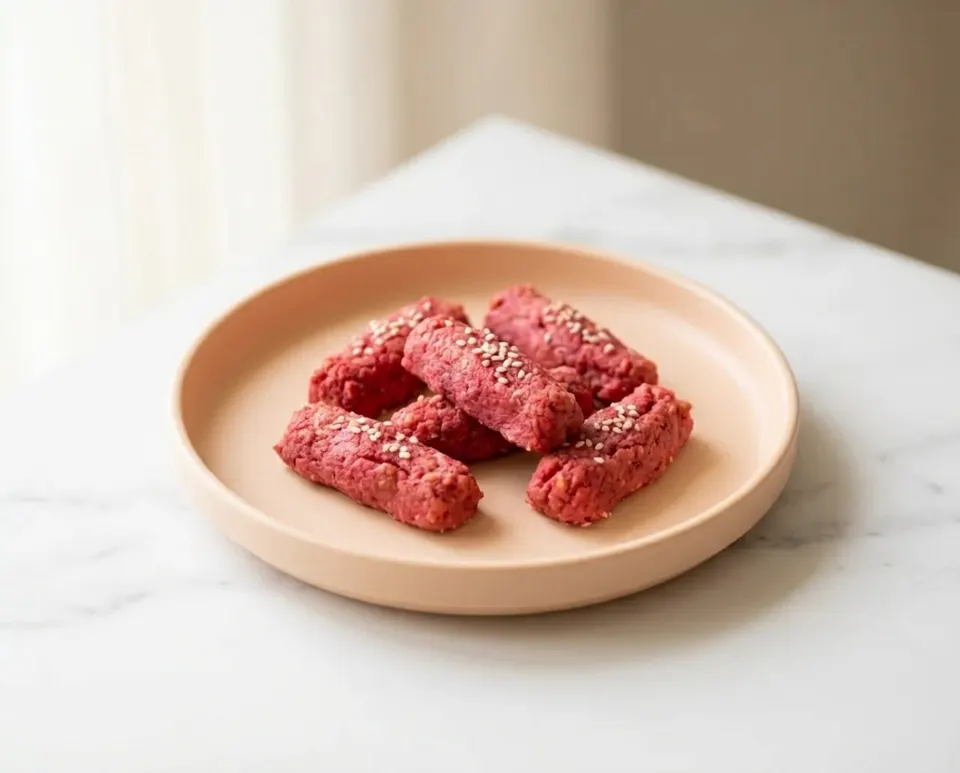
Soft Beetroot and Chickpea Bites
These vibrant, iron-rich bites are perfect for little hands starting their food journey. The combination of earthy beets and creamy chickpeas creates a soft texture that is easy for babies to gum and swallow. They are naturally colorful and packed with plant-based protein.

Soft Cheesy Bread Buns
These fluffy, homemade rolls are stuffed with a savory blend of cheddar and parmesan, making them a perfect finger food for toddlers. The soft texture is easy for little ones to chew, and the hidden cheese center adds a delightful surprise to every bite.
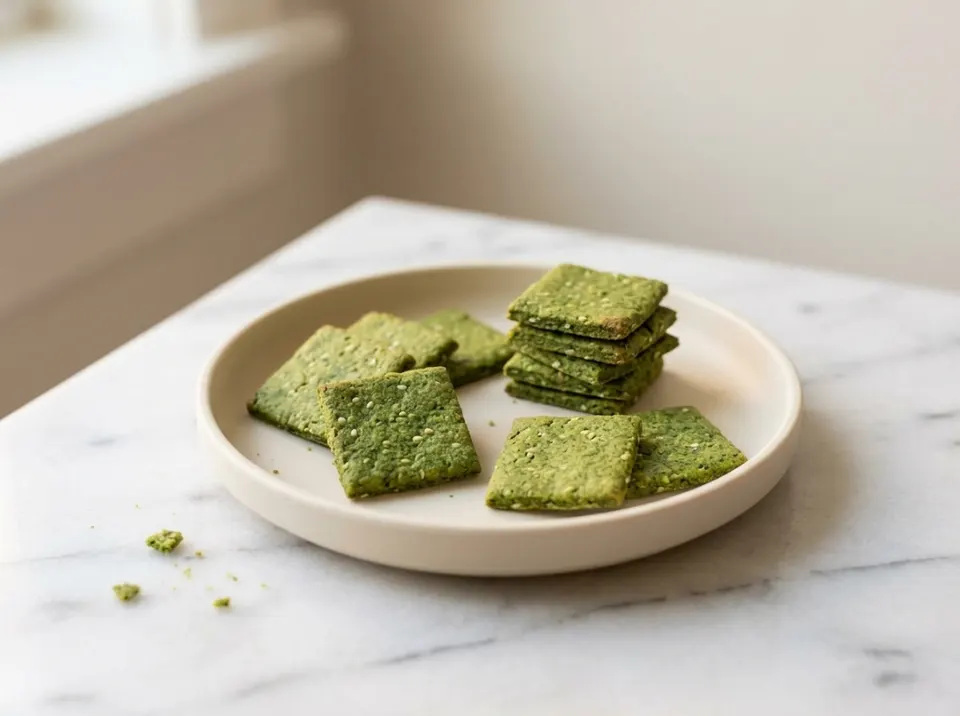
Toddler Spinach and Almond Flour Crackers
These vibrant green crackers are packed with leafy spinach, nutrient-rich almond flour, and nutty sesame seeds. Specially tailored for toddlers, they bake up crisp yet easy to chew for practicing little bites. A wholesome homemade alternative to store-bought crackers for snack time.
Frequently asked
Is sesame a common allergen for babies?
Yes, sesame is recognized as a major food allergen worldwide. When introducing it for the first time, start with a tiny amount, such as 1/8 teaspoon of thinned tahini mixed into a safe food, during an early meal of the day, and watch for any signs of an allergic reaction.
Can babies digest whole sesame seeds?
Whole sesame seeds often pass straight through a baby's digestive tract intact because their outer hull is difficult for immature digestive systems to break down. Grinding the seeds or using smooth tahini unlocks their incredible calcium, iron, and healthy fat content so baby can absorb the nutrients.
How do I safely serve tahini without choking risk?
Tahini straight from the jar is thick, dense, and sticky, which can cling to the roof of baby's mouth and block the airway. Always thin it with warm water, formula, breast milk, yogurt, or purees until it reaches an easy, runny consistency before serving.
How often should I offer sesame after introducing it?
Once you have successfully introduced sesame without an allergic reaction, it is best to keep it in your baby's diet regularly, ideally 1 to 2 times per week. Consistent exposure helps maintain dietary tolerance over time.

Track Sesame Seeds in the Nica app
Log foods, track reactions, and plan meals — all in one place.

