When can babies eat Plum?
From 6 months
Start with: Smooth puree or very soft, skinless halves.
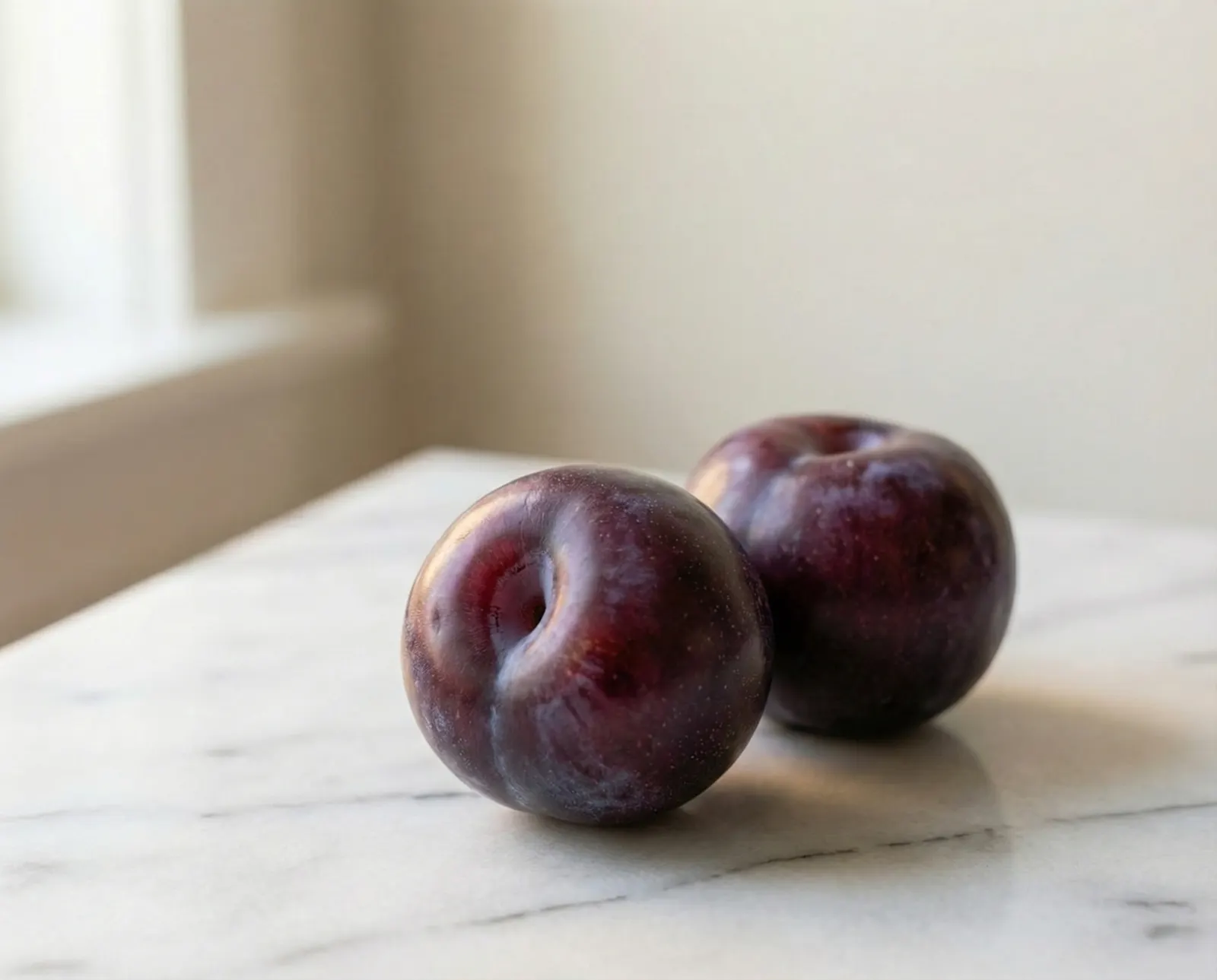
Plums are juicy stone fruits famous for their ability to regulate digestion. They are a great source of Vitamin C and Vitamin K. When dried into prunes, they become even more concentrated in fiber and sorbitol, making them the gold standard for relieving baby constipation.
How to serve Plum, by age
- 6mo
From 6 months: Smooth puree or very soft, skinless halves.
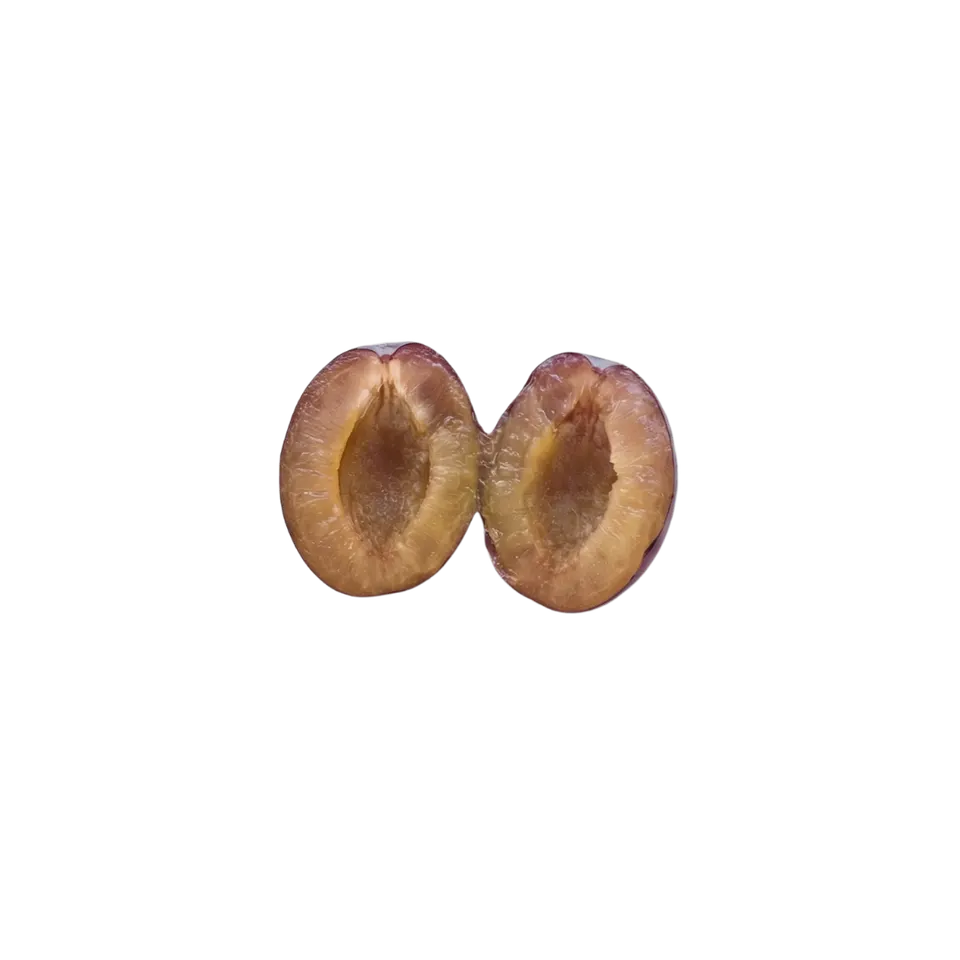
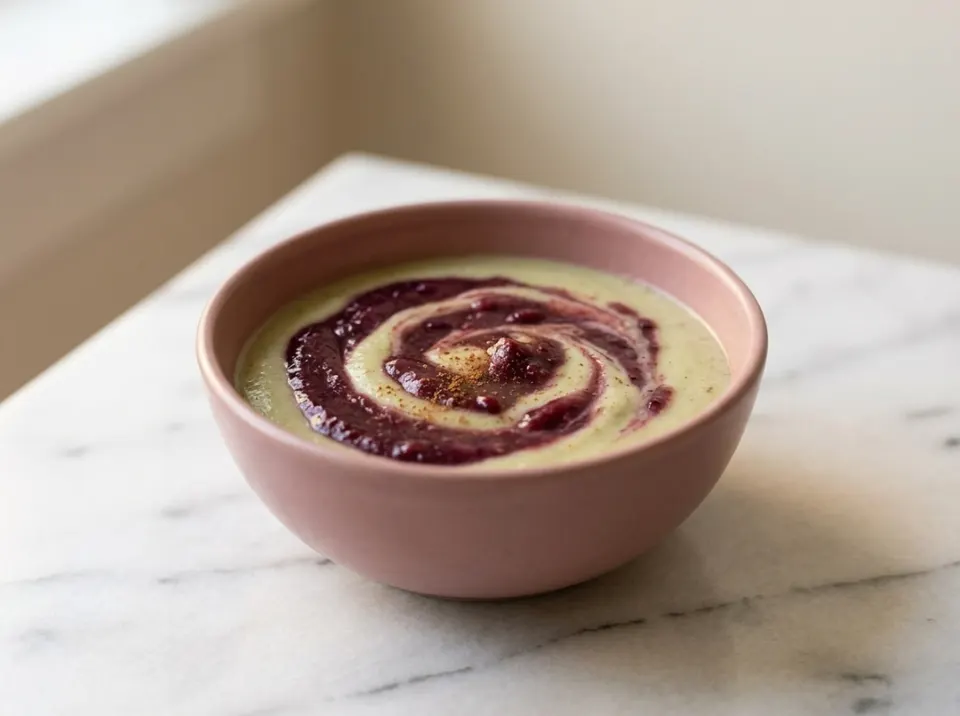
Serve as a smooth puree. Since plum skins can be tart and tough for beginners, it is best to steam the plum and peel the skin before blending. For BLW, offer a large, pitted, and peeled half only if the plum is very soft and ripe.
- 9mo
From 9 months: Small, soft chunks.
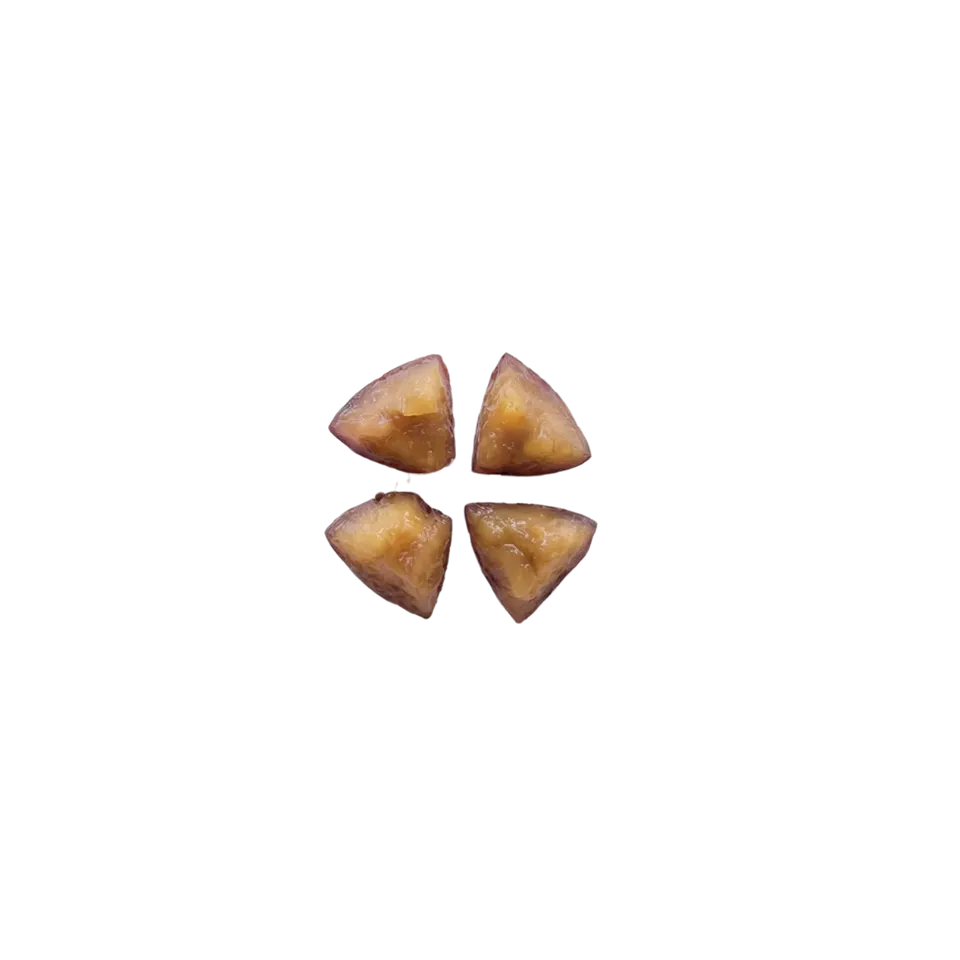
Offer small, bite-sized pieces of soft, ripe plum with the skin removed. If your baby is handling textures well, you can try leaving the skin on, but be aware that the skin can sometimes cause gagging due to its texture.
- 12mo
From 12 months: Sliced or wedged fruit.
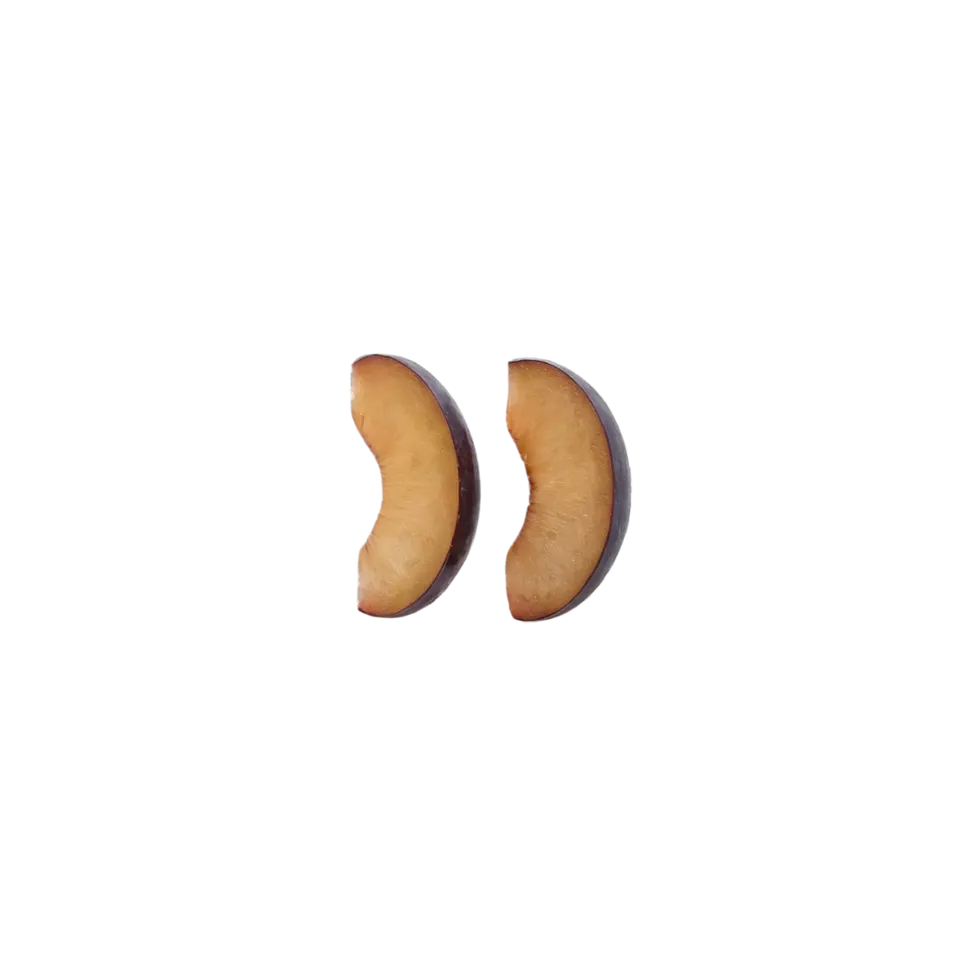
Serve as slices or wedges. Plums are excellent when added to yogurt or mixed with milder fruits like apples or pears to balance their natural tartness.
Choking risk & safe preparation
Moderate choking risk
Plums are slippery and their skins can be difficult to chew. Always remove the pit. Ensure the plum is ripe and soft; hard plums should be cooked until tender.
Allergen information
Not a common childhood allergen. Reactions are possible with any food, so introduce it on its own first.
Nutrition & benefits
Excellent source of Vitamin K for bone health and sorbitol for healthy digestion.
- Digestion-friendly
- Vitamin C Rich
Per 100 g
- Energy
- 46kcal
- Protein
- 0.7g
- Fat
- 0.3g
- Fiber
- 1.4g
- Iron
- 0.2mg
- Vitamin C
- 9.5mg
See all nutrients (25)
Macronutrients
- Energy
- 46 kcal
- Protein
- 0.7 g
- Carbohydrates
- 11.4 g
- Fat
- 0.3 g
Key Minerals
- Iron
- 0.2 mg
- Calcium
- 6 mg
- Zinc
- 0.1 mg
- Sodium
- 0 mg
- Potassium
- 157 mg
- Magnesium
- 7 mg
- Phosphorus
- 16 mg
- Selenium
- 0 mcg
- Copper
- < 0.1 mg
- Manganese
- < 0.1 mg
Vitamins
- Vitamin A
- 17 mcg
- Vitamin C
- 9.5 mg
- Vitamin D
- 0 mcg
- Vitamin B6
- < 0.1 mg
- Vitamin B12
- 0 mcg
- Vitamin E
- 0.3 mg
- Vitamin K
- 6.4 mcg
- Folate
- 5 mcg
- Thiamin (B1)
- < 0.1 mg
- Choline
- 1.9 mg
Other
- Fiber
- 1.4 g
Source: USDA FoodData Central
Pairs well with
Recipes with Plum
Frequently asked
Can I give my baby prunes (dried plums)?
Yes! Prunes are excellent for constipation. For babies, soak prunes in hot water to soften them, then puree. Do not give whole dried prunes as they are a major choking hazard.
Why does my baby make a face when eating plums?
Plum skins and the flesh near the pit are naturally tart. This sour taste is a new experience for babies and is perfectly normal!

Track Plum in the Nica app
Log foods, track reactions, and plan meals — all in one place.

