When can babies eat Kidney Beans?
Safe from: 6 months
Common allergen: No
Choking risk: High
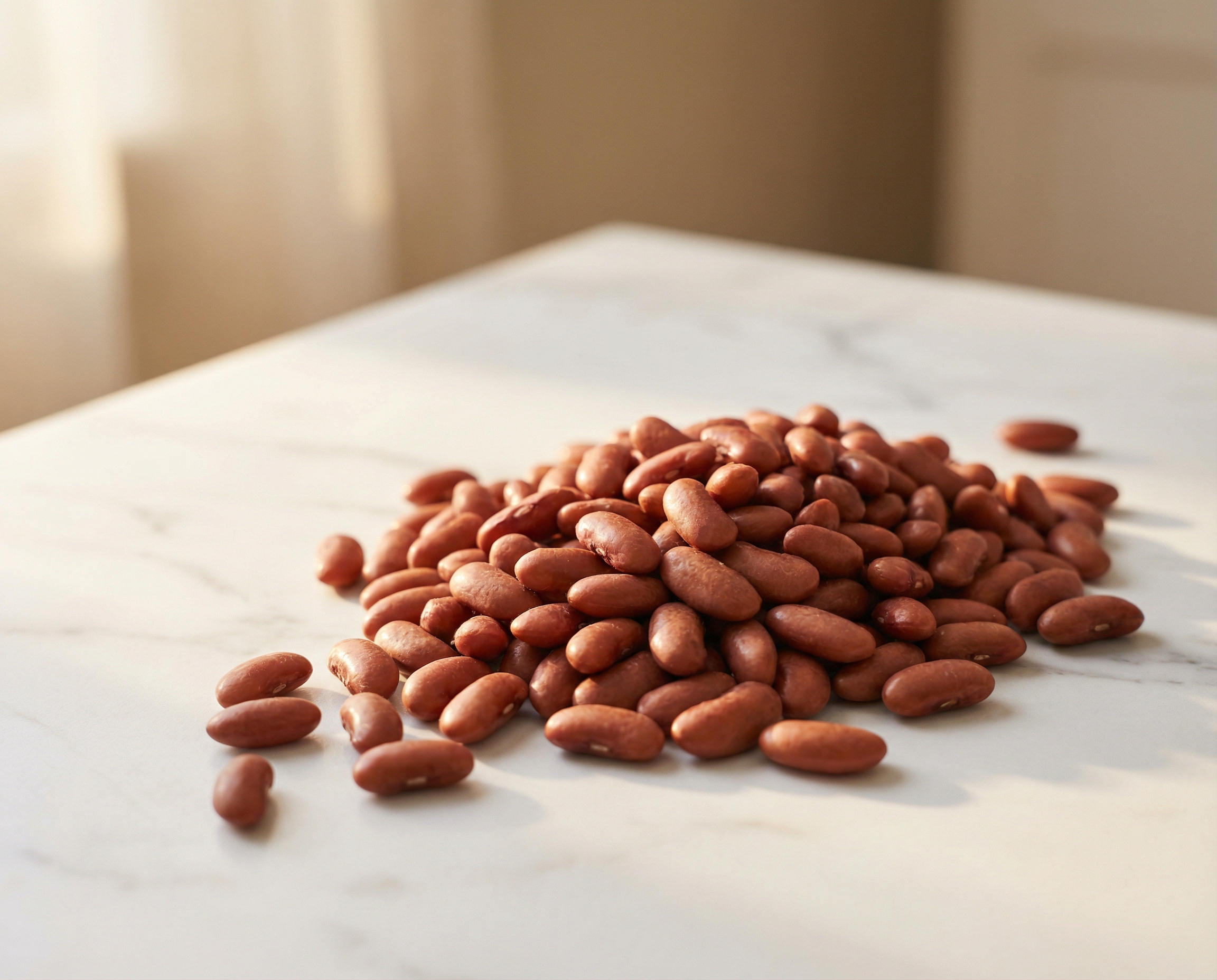
Kidney beans are exceptionally high in plant-based iron and protein, making them vital for preventing anemia in growing infants. They are named for their shape and are a great source of complex carbohydrates for steady energy. Because of their thick skin and firm texture, they must be prepared carefully to ensure they are soft enough for a baby's gums.
Age guide
| Stage | Min age | Serving | Texture |
|---|---|---|---|
| 6m+ | 6m | Serve only as a smooth puree. Due to their thick skins, it is recommended to pass the puree through a fine-mesh sieve after blending to remove any skin fragments that might cause gagging. Mix with a little breast milk, formula, or olive oil to reach a creamy consistency. Pair with a Vitamin C source like tomato to unlock the iron. | Perfectly smooth, strained puree. |
| 9m+ | 9m | Offer 'Flat-Smashed' beans. Kidney beans are larger than black beans, so they MUST be smashed flat between your thumb and finger. They should look like flat discs. This allows the baby to practice their pincer grasp safely. You can also mash them into a thick stew with carrots and potatoes. | Flattened, soft discs. |
| 12m+ | 12m | Toddlers can eat whole kidney beans in chili, stews, or rice dishes, provided they are cooked until very soft. These beans are quite meaty and filling. Encourage the toddler to chew the skins thoroughly. Avoid giving them cold, firm beans straight from a salad as they can be difficult to manage. | Whole, soft-cooked legumes. |
Pairs well with
Frequently asked
Track Kidney Beans in the Nica app
Log foods, track reactions, and plan meals — all in one place.