When can babies eat Cow's Milk?
From 6 months
Start with: Liquid (to be mixed with solids).
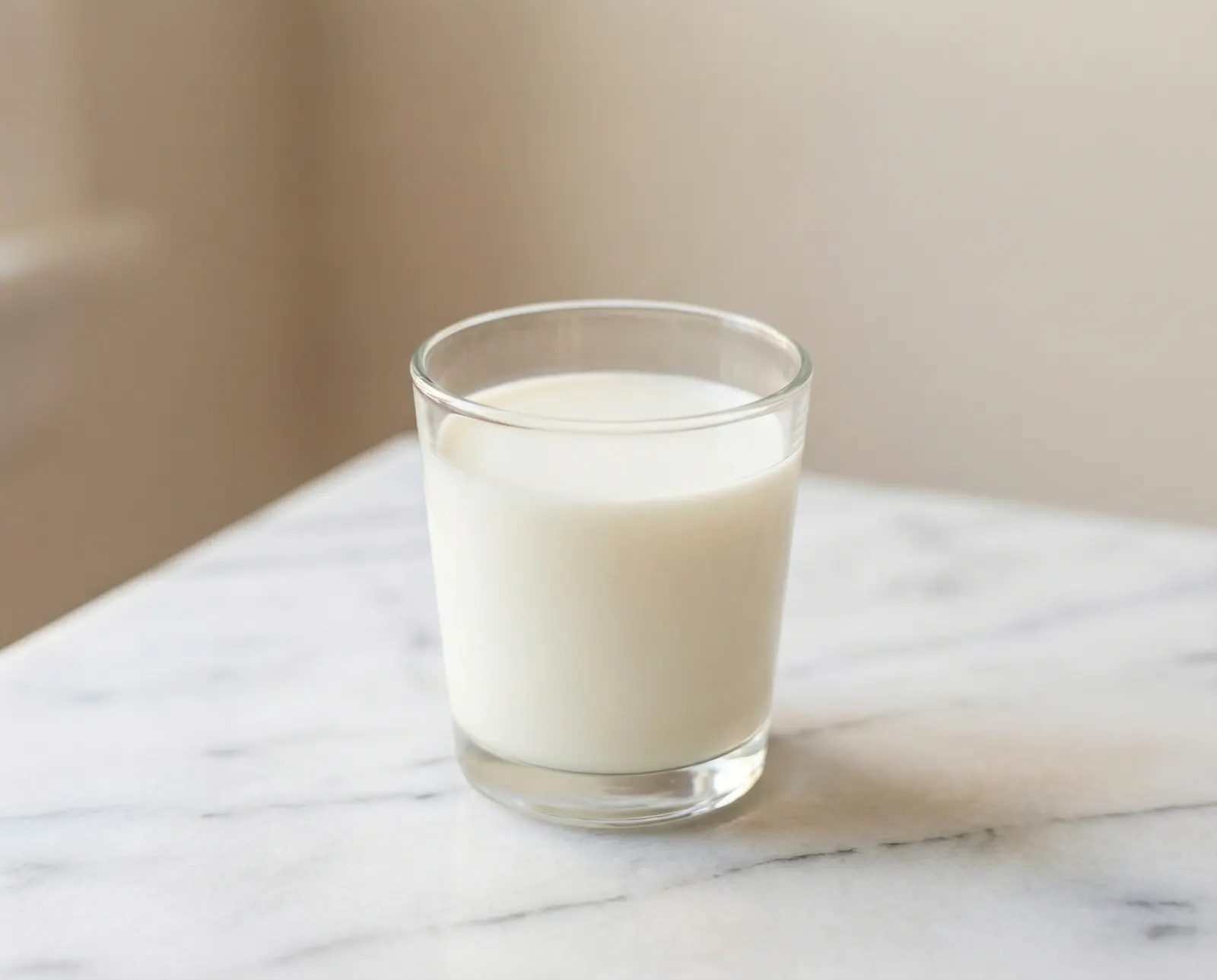
Cow's milk is a rich source of calcium, protein, and Vitamin B12. While it is a staple of many diets, it should only be used as an ingredient in cooking for babies under 12 months. It should never replace breast milk or formula as a main drink until after the first birthday, as it is low in iron and its high mineral content can stress an infant's developing kidneys.
How to serve Cow's Milk, by age
- 6mo
From 6 months: Liquid (to be mixed with solids).
Use only as an ingredient in cooking. You can use full-fat cow's milk to prepare oatmeal, mashes, or unsweetened pancakes. Do not offer it in a bottle or cup as a drink. Always choose whole milk (3.5% fat), as babies need the fat and cholesterol for brain development. Monitor closely for signs of a dairy allergy.
- 9mo
From 9 months: Liquid (as an ingredient).
Continue using whole cow's milk in cooked dishes like vegetable gratins, sugar-free puddings, or healthy muffins. By this age, the baby's digestive system is more robust, but breast milk or formula must remain the primary source of hydration and nutrition.
- 12mo
From 12 months: Beverage.
Whole cow's milk can now be introduced as a drink. Transition slowly by offering small amounts in an open cup or straw cup during mealtimes. Limit intake to about 400-500ml per day to ensure the child still has an appetite for a variety of solid foods. Avoid low-fat or skim milk until at least age 2.
Choking risk & safe preparation
Low choking risk
Milk itself is not a choking hazard, but it can cause coughing if a baby is not used to the flow from a cup. Always supervise cup drinking to prevent aspiration.
Allergen information
This is one of the common childhood allergens. Introduce it on its own and watch for a reaction before mixing it with new foods.
Contains or relates to these allergens:
- Milk
Nutrition & benefits
Provides a high concentration of Calcium (120mg per 100ml) and Vitamin D, which work together to build strong bones and teeth. It is also an excellent source of high-quality protein and Riboflavin (Vitamin B2) for energy production.
- Bone Health
Per 100 g
- Energy
- 61kcal
- Protein
- 3.1g
- Fat
- 3.3g
- Fiber
- 0g
- Iron
- < 0.1mg
- Vitamin C
- 0mg
See all nutrients (25)
Macronutrients
- Energy
- 61 kcal
- Protein
- 3.1 g
- Carbohydrates
- 4.8 g
- Fat
- 3.3 g
Key Minerals
- Iron
- < 0.1 mg
- Calcium
- 113 mg
- Zinc
- 0.4 mg
- Sodium
- 43 mg
- Potassium
- 132 mg
- Magnesium
- 10 mg
- Phosphorus
- 84 mg
- Selenium
- 3.7 mcg
- Copper
- < 0.1 mg
- Manganese
- 0 mg
Vitamins
- Vitamin A
- 46 mcg
- Vitamin C
- 0 mg
- Vitamin D
- 1.3 mcg
- Vitamin B6
- < 0.1 mg
- Vitamin B12
- 0.5 mcg
- Vitamin E
- < 0.1 mg
- Vitamin K
- 0.3 mcg
- Folate
- 5 mcg
- Thiamin (B1)
- < 0.1 mg
- Choline
- 14.3 mg
Other
- Fiber
- 0 g
Source: USDA FoodData Central
Pairs well with
Recipes with Cow's Milk
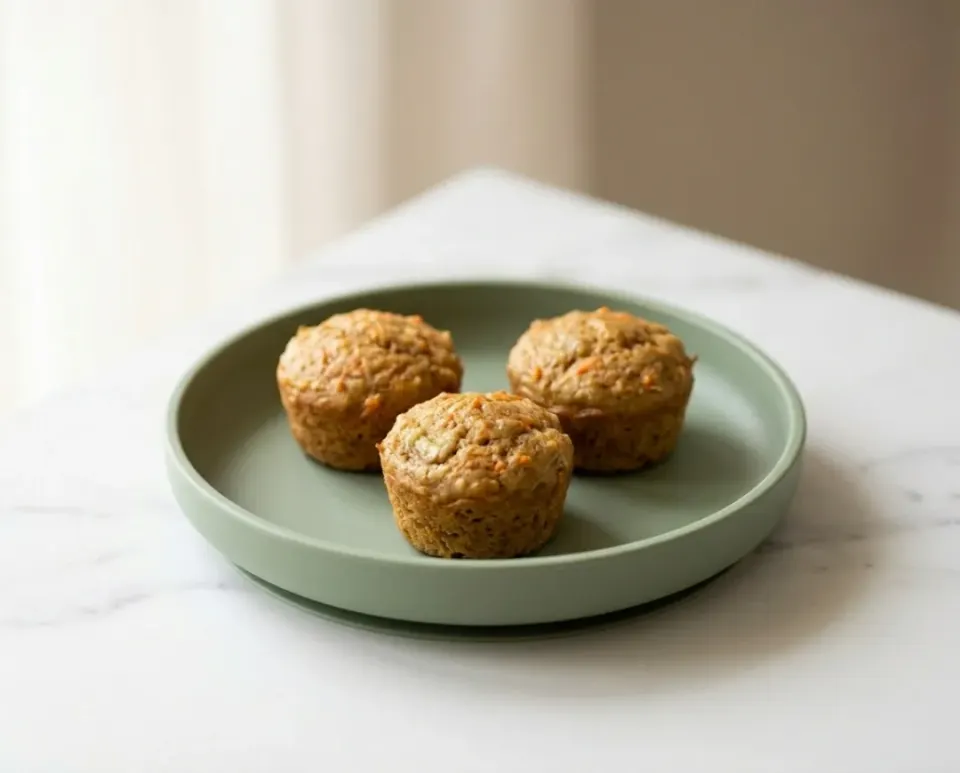
Apple, Banana & Carrot Baby Muffins
Moist, naturally sweet mini muffins packed with grated apple, mashed banana, and shredded carrot. No added sugar. All sweetness comes from the fruit. The perfect grab-and-go BLW breakfast that's gentle on tiny tummies.
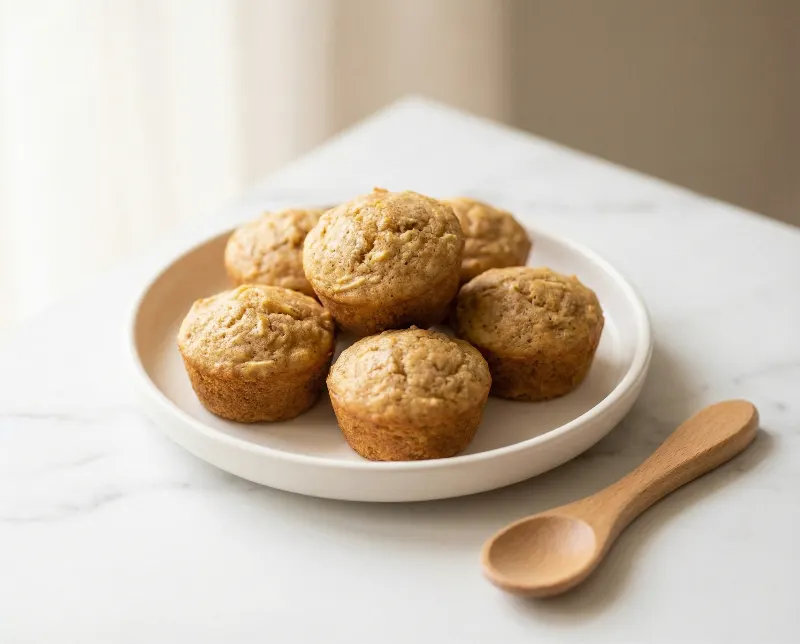
No-Sugar Apple & Cinnamon Muffins
Soft, fluffy muffins naturally sweetened with grated apples and a touch of cinnamon. A fiber-rich snack that is gentle on blood sugar levels and perfect for little hands.
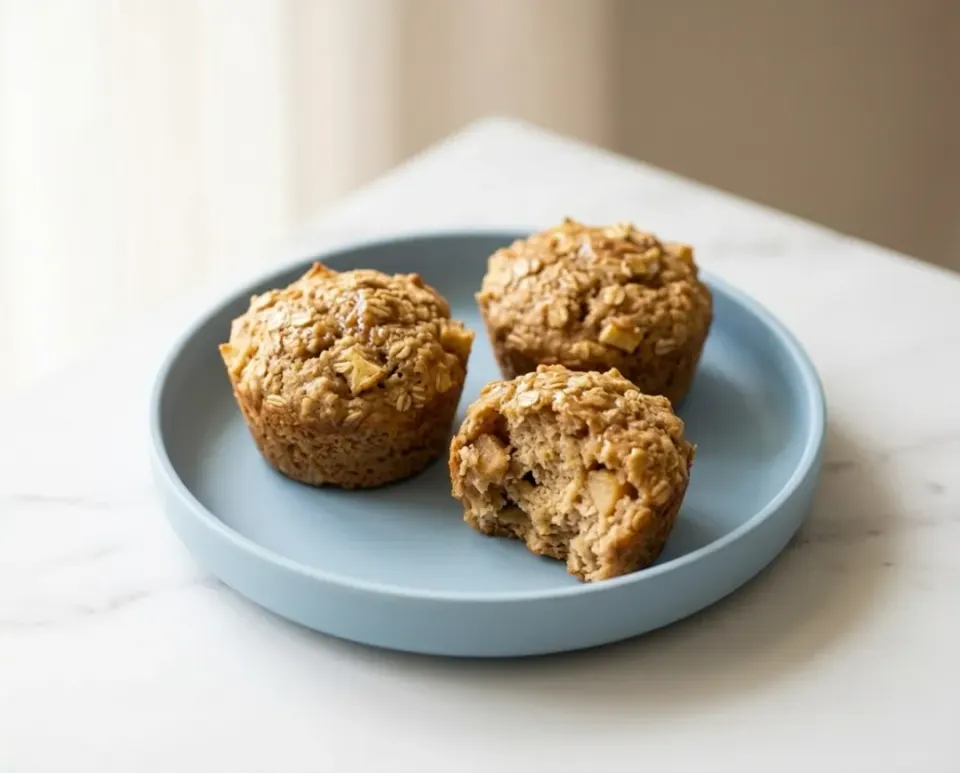
Apple & Oat Breakfast Muffins
Wholesome muffins with a tender oat crumb, studded with juicy apple pieces and scented with warm cinnamon. Naturally sweetened with applesauce and a drizzle of maple syrup, these are fiber-rich and perfect for tiny hands to grab at breakfast or snack time.
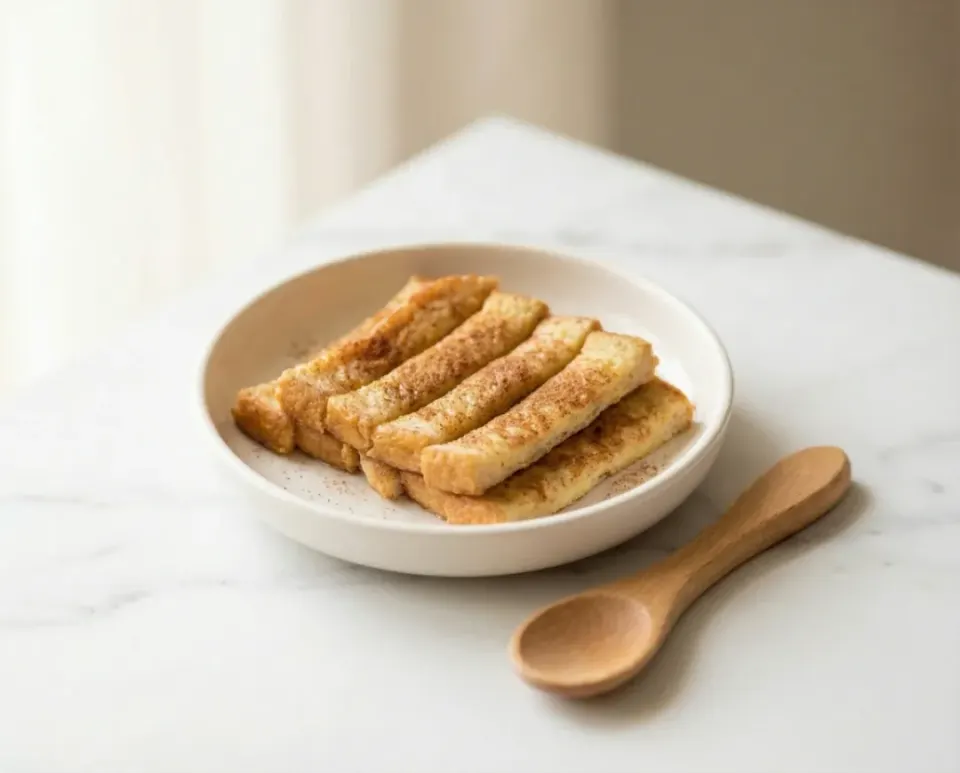
Baby French Toast Sticks
Soft, custardy bread sticks soaked in an egg and milk mixture with a hint of cinnamon. Cut into finger-width strips for easy gripping. A wonderful way to introduce bread and egg together in a BLW-friendly format.
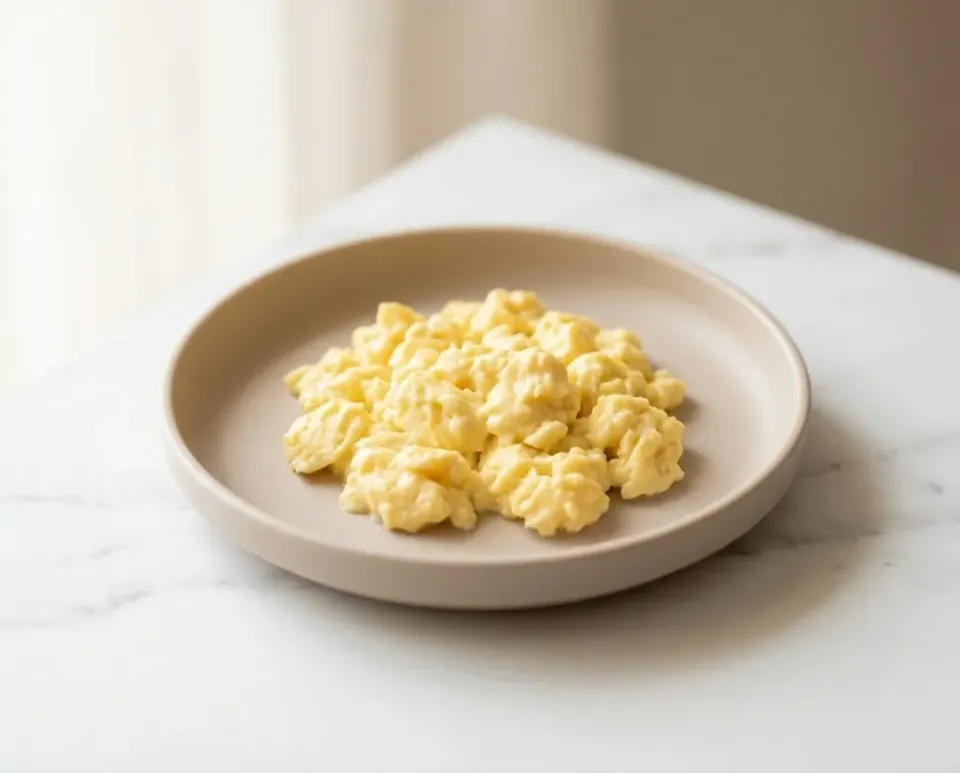
Soft Scrambled Eggs
Ultra-soft, fluffy scrambled eggs cooked low and slow for the perfect baby-friendly texture. One of the most nutrient-dense first foods, packed with choline for brain development, protein, and iron.

Baked Salmon with Sweet Potato Mash
A nutrient-dense meal featuring flakey, oven-baked salmon and creamy mashed sweet potato. High in Omega-3s and Vitamin A, this dish is gentle on the tummy and great for brain health.
Frequently asked
Why can't my baby drink cow's milk before 1 year?
Infants cannot digest the high protein and mineral concentrations in cow's milk as easily as breast milk or formula. More importantly, it can cause small amounts of blood loss from the intestines and lacks the iron necessary to prevent anemia.
Is organic milk better for my baby?
Organic milk often contains higher levels of Omega-3 fatty acids and lacks synthetic hormones or antibiotics. While conventional milk is safe, organic is a great choice if your budget allows for it.

Track Cow's Milk in the Nica app
Log foods, track reactions, and plan meals — all in one place.

