When can babies eat Cherry?
From 6 months
Start with: Smooth puree or strained liquid.
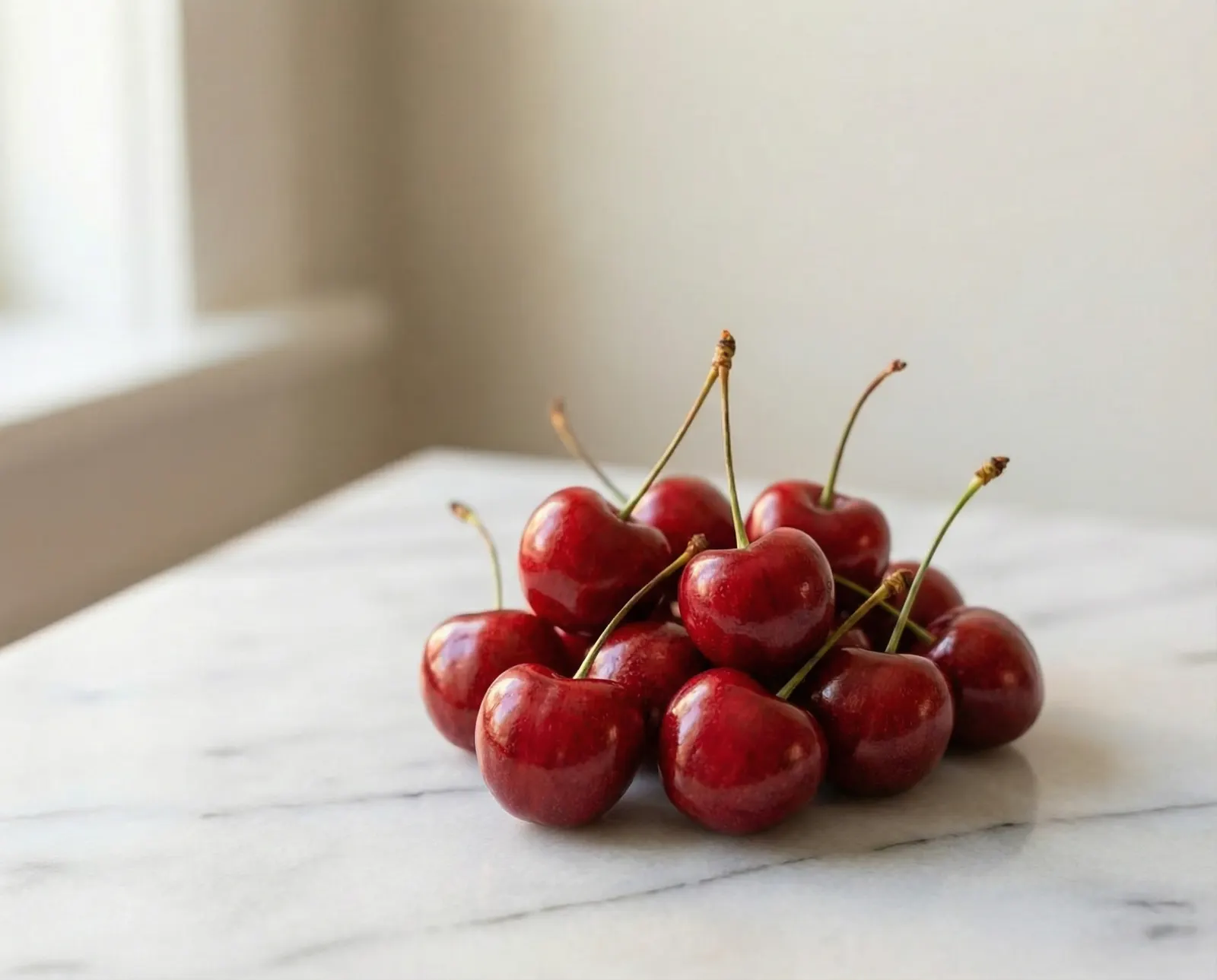
Cherries are a wonderful source of antioxidants and fiber. They contain melatonin, which can support healthy sleep patterns, and Vitamin C for immune support. Because of their small, round shape and hard pits, they are a significant choking hazard and must be prepared with extreme care.
How to serve Cherry, by age
- 6mo
From 6 months: Smooth puree or strained liquid.
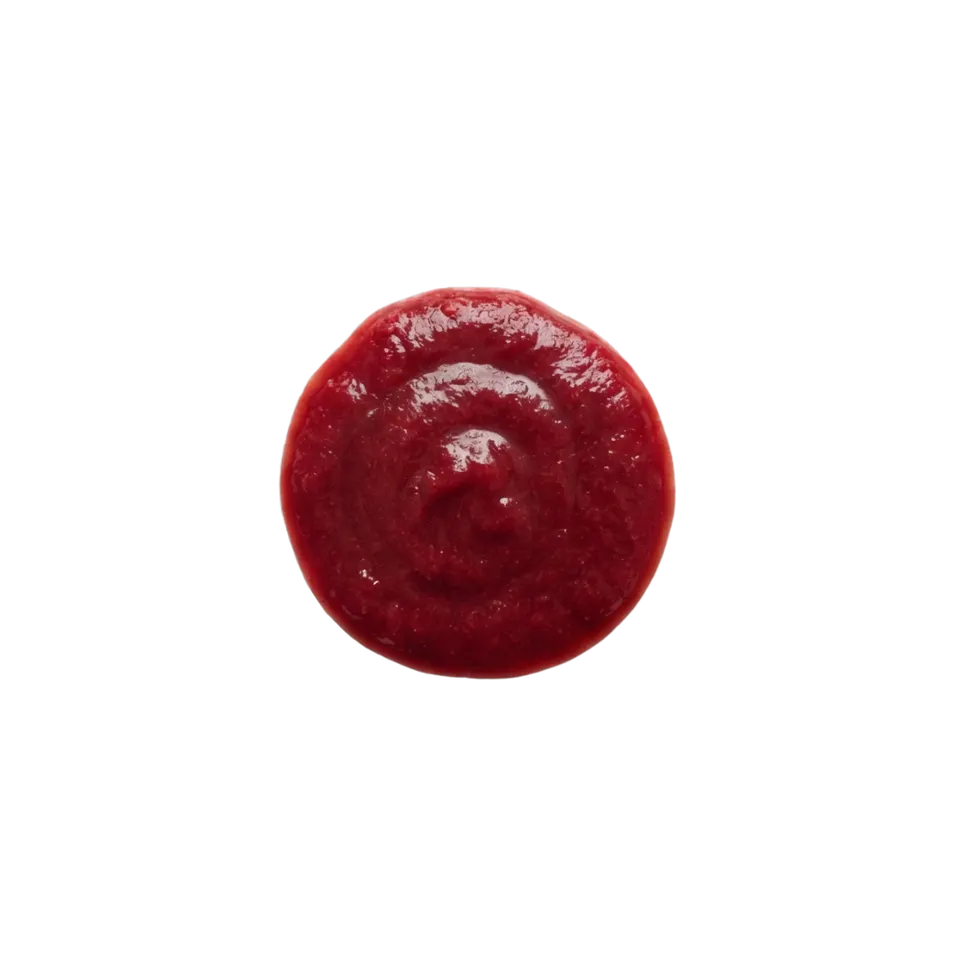
Never serve whole or halved. Steam or poach pitted cherries until very soft, then blend into a smooth puree. You can also mix this puree into yogurt or infant cereal. At this stage, the skin should be blended thoroughly or strained if it is tough.
- 9mo
From 9 months: Pitted, quartered, or smashed pieces.
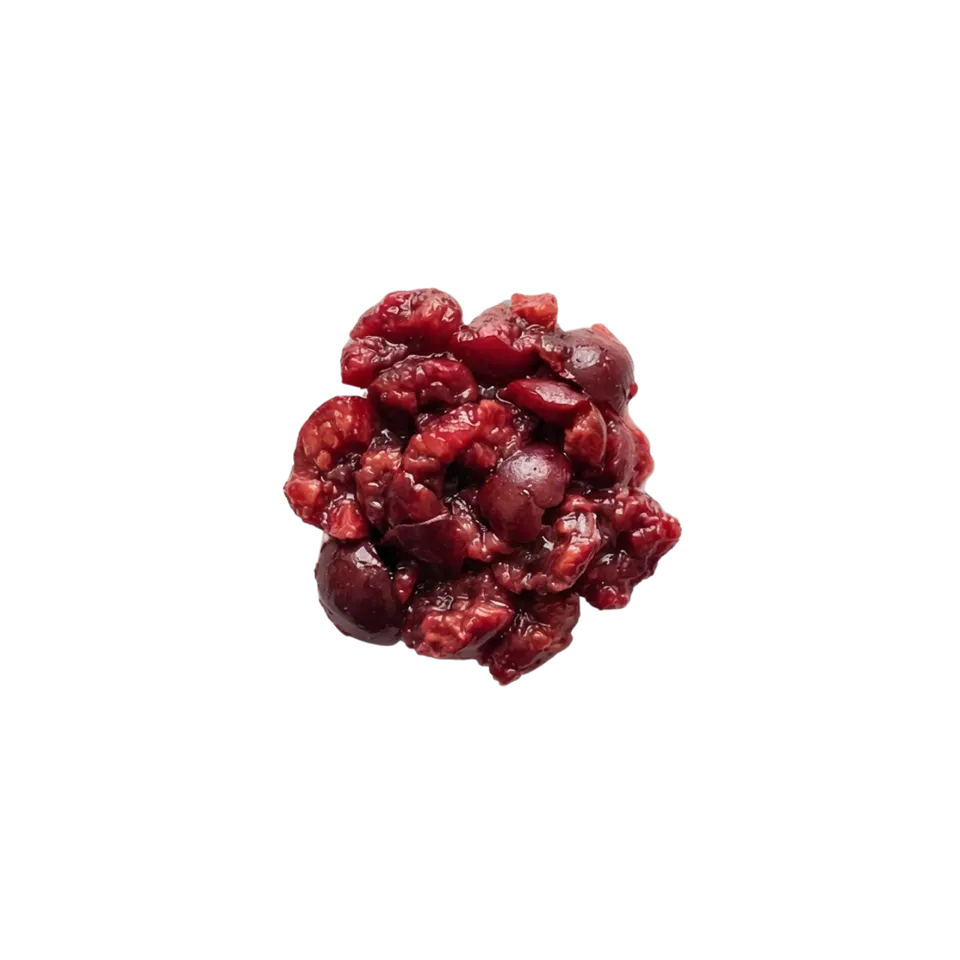
Cherries MUST be pitted and quartered or smashed flat. As your baby practices their pincer grasp, offer long thin quarters (lengthwise) to break the round shape. Ensure the fruit is very ripe and soft. If using frozen cherries, thaw them completely first.
- 12mo
From 12 months: Quartered or chopped pitted cherries.
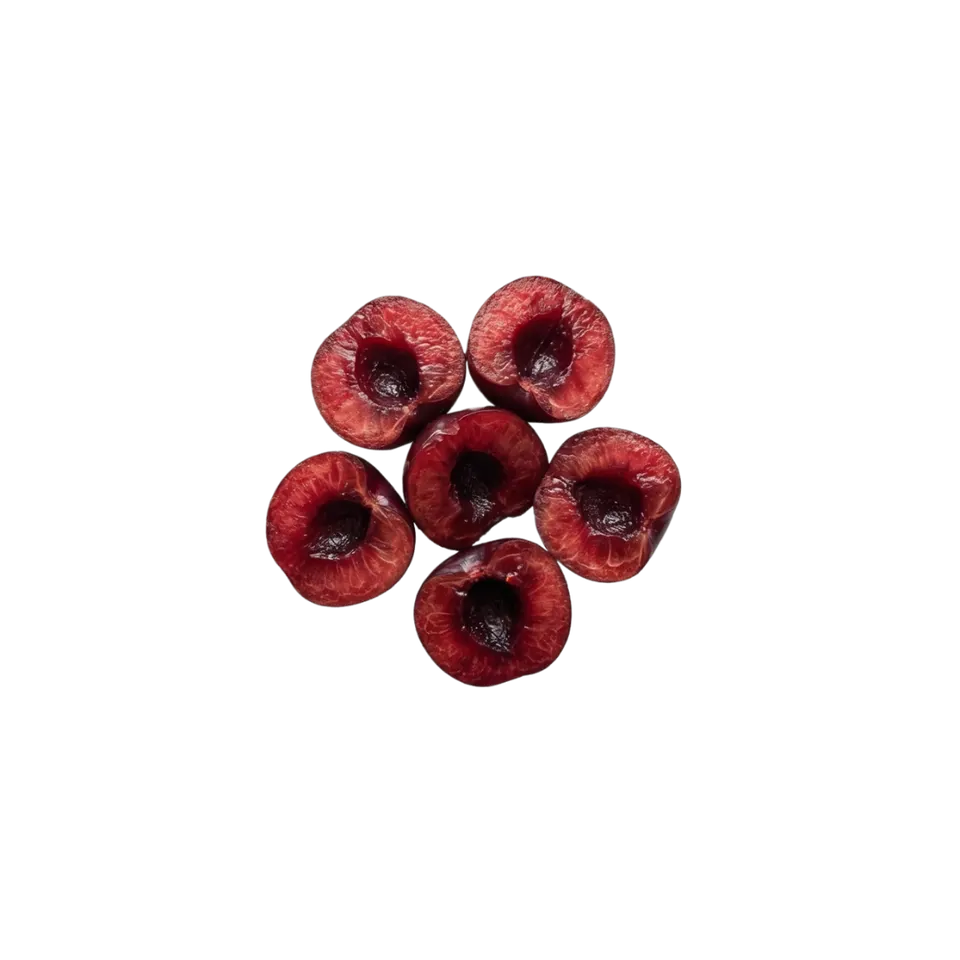
Continue to pit and quarter cherries. Even for toddlers, a whole cherry is a major choking hazard. You can now leave the skin on and mix raw, soft, quartered cherries into fruit salads or oatmeal.
Choking risk & safe preparation
High choking risk
Whole cherries are a top choking hazard. Always remove the pit and never serve whole. For safety, cherries should be cut into quarters or flattened before serving. Be extra careful with pits—check every piece twice.
Allergen information
Not a common childhood allergen. Reactions are possible with any food, so introduce it on its own first.
Nutrition & benefits
Contains anthocyanins for brain health and natural melatonin which may help regulate sleep patterns.
- Brain Food
- Digestion-friendly
Per 100 g
- Energy
- 63kcal
- Protein
- 1.1g
- Fat
- 0.2g
- Fiber
- 2.1g
- Iron
- 0.4mg
- Vitamin C
- 7mg
See all nutrients (25)
Macronutrients
- Energy
- 63 kcal
- Protein
- 1.1 g
- Carbohydrates
- 16 g
- Fat
- 0.2 g
Key Minerals
- Iron
- 0.4 mg
- Calcium
- 13 mg
- Zinc
- < 0.1 mg
- Sodium
- 0 mg
- Potassium
- 222 mg
- Magnesium
- 11 mg
- Phosphorus
- 21 mg
- Selenium
- 0 mcg
- Copper
- < 0.1 mg
- Manganese
- < 0.1 mg
Vitamins
- Vitamin A
- 3 mcg
- Vitamin C
- 7 mg
- Vitamin D
- 0 mcg
- Vitamin B6
- < 0.1 mg
- Vitamin B12
- 0 mcg
- Vitamin E
- < 0.1 mg
- Vitamin K
- 2.1 mcg
- Folate
- 4 mcg
- Thiamin (B1)
- < 0.1 mg
- Choline
- 6.1 mg
Other
- Fiber
- 2.1 g
Source: USDA FoodData Central
Pairs well with
Frequently asked
Can cherries really help my baby sleep?
Cherries, especially tart cherries, are one of the few food sources of melatonin, a hormone that regulates sleep. While not a 'magic cure,' including them in an evening meal may support better rest.
Are frozen cherries safe for babies?
Yes, but they must be thawed and then quartered or smashed just like fresh cherries. Frozen cherries are often pitted, which is a great time-saver for moms!

Track Cherry in the Nica app
Log foods, track reactions, and plan meals — all in one place.

