When can babies eat Almond Flour?
From 6 months
Start with: Smooth, creamy puree or porridge with no dry powder clumps.
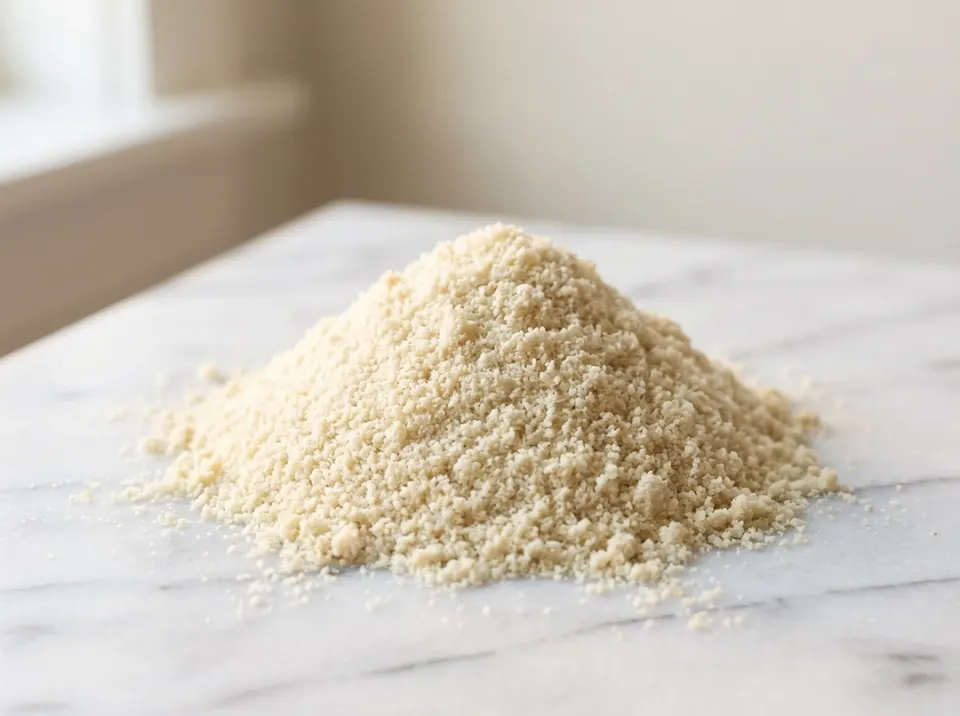
Almond flour is made from finely ground blanched almonds, offering a nutrient-dense and naturally gluten-free ingredient for baby meals. It is packed with healthy fats, plant protein, vitamin E, and essential minerals that support brain development and physical growth. Because almonds are a top tree nut allergen, introduce it in small amounts on an active morning and watch for any reactions. Never serve it dry, but rather blend it smoothly into purees, porridges, or soft baked goods.
How to serve Almond Flour, by age
- 6mo
From 6 months: Smooth, creamy puree or porridge with no dry powder clumps.
Mix a tiny pinch (around 1/8 teaspoon to start) into smooth breast milk, infant formula, warm baby oatmeal, or fruit purees like applesauce or mashed pear.
- 9mo
From 9 months: Thick, scoopable mash or soft, tender finger-food strip.
Stir 1/2 to 1 teaspoon into thick oatmeal or whole milk yogurt, or use it to bake soft banana pancakes cut into finger-length strips for grasping.
- 12mo
From 12 months: Soft, crumbly, moist baked pieces that squash easily between gums.
Bake into mini almond flour muffins, soft waffles, or banana bread cut into bite-sized pieces, or stir directly into warm breakfast bowls.
Choking risk & safe preparation
Moderate choking risk
Dry almond flour poses an aspiration risk if fed by itself as a loose powder. Always stir almond flour thoroughly into moist foods like yogurt, oatmeal, and fruit purees, or cook it into soft baked goods like baby pancakes and muffins. Never offer whole or chopped almonds, which are a severe choking hazard for infants and toddlers.
Allergen information
This is one of the common childhood allergens. Introduce it on its own and watch for a reaction before mixing it with new foods.
Contains or relates to these allergens:
- Tree Nuts
Nutrition & benefits
Almond flour is an exceptional source of vitamin E, a potent antioxidant that supports cellular health and skin. It is also rich in brain-boosting monounsaturated fats, iron for cognitive development, and bone-building calcium and magnesium.
- Healthy Fats
- Brain Food
- Bone Health
- High Protein
- Energy Booster
Per 100 g
- Protein
- 26.2g
- Fat
- 50.2g
- Fiber
- 9.3g
- Iron
- 3.2mg
See all nutrients (17)
Macronutrients
- Protein
- 26.2 g
- Carbohydrates
- 16.3 g
- Fat
- 50.2 g
Key Minerals
- Iron
- 3.2 mg
- Calcium
- 232.3 mg
- Zinc
- 2.8 mg
- Sodium
- 0.9 mg
- Potassium
- 666.8 mg
- Magnesium
- 251.1 mg
- Phosphorus
- 512.1 mg
- Selenium
- 0.7 mcg
- Copper
- 1 mg
- Manganese
- 1.8 mg
Vitamins
- Vitamin B6
- 0.1 mg
- Folate
- 37.8 mcg
- Thiamin (B1)
- 0.1 mg
Other
- Fiber
- 9.3 g
Source: USDA FoodData Central
Pairs well with
Recipes with Almond Flour

Sweet Potato & Almond Breakfast Pops
These playful breakfast pops are a fun way to serve veggies in the morning. Made with a base of soft sweet potato and nutty almond flour, they offer a satisfying texture for toddlers to practice their biting and chewing skills.
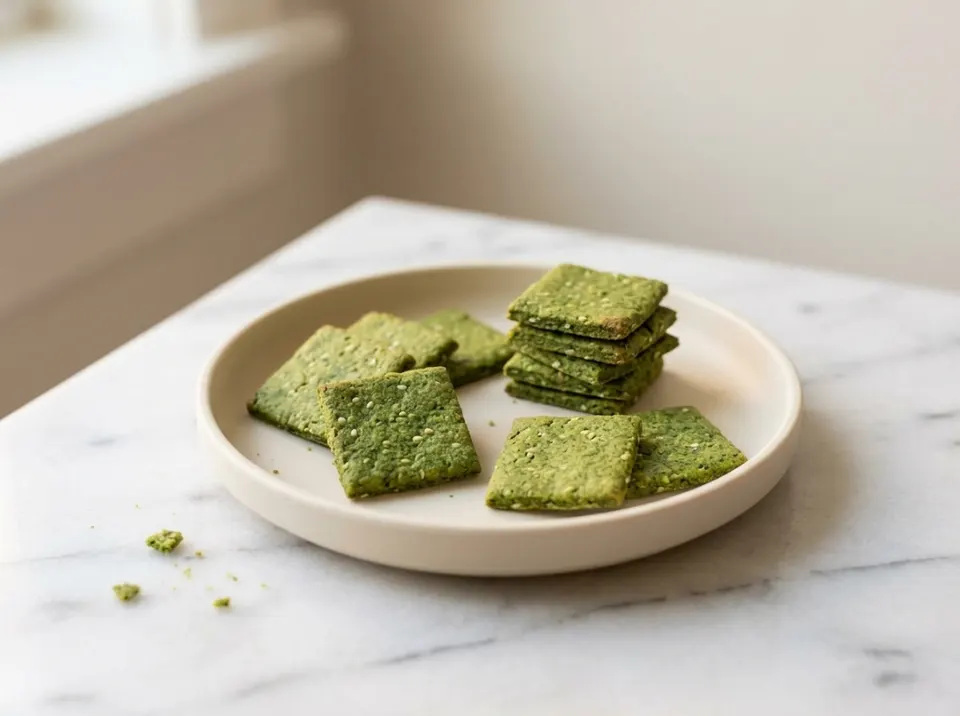
Toddler Spinach and Almond Flour Crackers
These vibrant green crackers are packed with leafy spinach, nutrient-rich almond flour, and nutty sesame seeds. Specially tailored for toddlers, they bake up crisp yet easy to chew for practicing little bites. A wholesome homemade alternative to store-bought crackers for snack time.
Frequently asked
How should I introduce almond flour as an allergen?
Almond flour is one of the easiest ways to introduce tree nuts safely. Start with a tiny pinch (about 1/8 teaspoon) stirred thoroughly into a familiar puree or warm cereal. Offer it in the morning when your baby is healthy, and observe for any reaction over the following two hours.
Can I replace regular wheat flour with almond flour in recipes?
Yes, but keep in mind that almond flour lacks gluten and contains more fat and moisture. It creates tender, crumbly pancakes and muffins that are easy for babies to chew. For the best texture, use recipes created specifically for almond flour or replace up to one-third of wheat flour in standard recipes.
How do I store almond flour to keep it fresh?
Because of its high content of natural, delicate oils, almond flour can turn rancid quickly if left in a warm pantry. Store opened bags in an airtight container in the refrigerator for up to six months, or in the freezer for up to a full year.
What is the difference between almond flour and almond meal?
Almond flour is made from blanched almonds with the skins removed, yielding a fine, light-colored powder that mixes smoothly. Almond meal is ground from whole unpeeled almonds, resulting in a coarser texture with brown specks. Both are safe when mixed into baby food, but almond flour blends more seamlessly into purees.

Track Almond Flour in the Nica app
Log foods, track reactions, and plan meals — all in one place.

