When can babies eat Wheat Flour?
From 6 months
Start with: Soft, spongy, and easy to dissolve with saliva or gum.
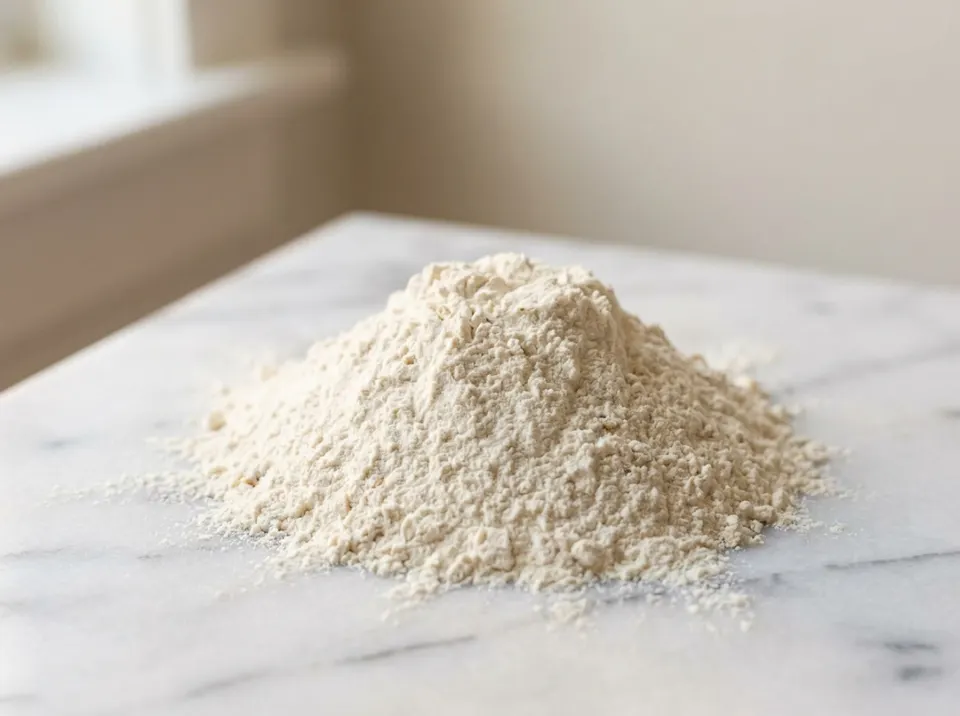
Wheat flour is a versatile pantry staple milled from wheat grains, forming the base of breads, pancakes, pastas, and baked goods. It provides complex carbohydrates, plant-based protein, and essential B vitamins that fuel your baby's rapid growth and active days. Because wheat contains gluten, it is a common allergen that should be introduced safely in thoroughly cooked dishes. Never feed raw flour or unbaked dough due to the risk of bacterial contamination.
How to serve Wheat Flour, by age
- 6mo
From 6 months: Soft, spongy, and easy to dissolve with saliva or gum.
Stir wheat flour into cooked whole-grain porridge or bake into soft, two-finger wide pancake strips or lightly toasted bread strips for baby to grasp.
- 9mo
From 9 months: Bite-sized, tender, and lightly chewable pieces.
Cut soft whole-wheat pancakes, steamed muffins, or soft-cooked flatbread into bite-sized pieces for self-feeding.
- 12mo
From 12 months: Chewy, varied crumb textures with light resistance.
Serve soft whole-grain waffles, homemade baby muffins, or pasta made from wheat flour cut into bite-sized morsels.
Choking risk & safe preparation
Moderate choking risk
Raw flour and dough pose choking and bacterial risks and must never be served uncooked. Fresh, doughy bread can also clump together into a sticky ball on the roof of the mouth. Serve flour fully cooked in spongy pancakes, lightly toasted bread strips, or soft-baked muffins that break down easily when gummed.
Allergen information
This is one of the common childhood allergens. Introduce it on its own and watch for a reaction before mixing it with new foods.
Contains or relates to these allergens:
- Gluten
Nutrition & benefits
Wheat flour delivers steady energy from complex carbohydrates, alongside iron for brain development and B vitamins like thiamin and folate to support cellular energy and healthy growth.
- Energy Booster
- Motor Skills
- Palate Expansion
- Bone Health
Per 100 g
- Energy
- 332kcal
- Protein
- 9.6g
- Fat
- 1.9g
- Fiber
- 13.1g
- Iron
- 3.7mg
See all nutrients (21)
Macronutrients
- Energy
- 332 kcal
- Protein
- 9.6 g
- Carbohydrates
- 74.5 g
- Fat
- 1.9 g
Key Minerals
- Iron
- 3.7 mg
- Calcium
- 33 mg
- Zinc
- 3 mg
- Sodium
- 3 mg
- Potassium
- 394 mg
- Magnesium
- 117 mg
- Phosphorus
- 323 mg
- Selenium
- 12.7 mcg
- Copper
- 0.5 mg
- Manganese
- 3.4 mg
Vitamins
- Vitamin B6
- 0.2 mg
- Vitamin E
- 0.5 mg
- Vitamin K
- 1.9 mcg
- Folate
- 28 mcg
- Thiamin (B1)
- 0.3 mg
- Choline
- 31.2 mg
Other
- Fiber
- 13.1 g
Source: USDA FoodData Central
Pairs well with
Recipes with Wheat Flour
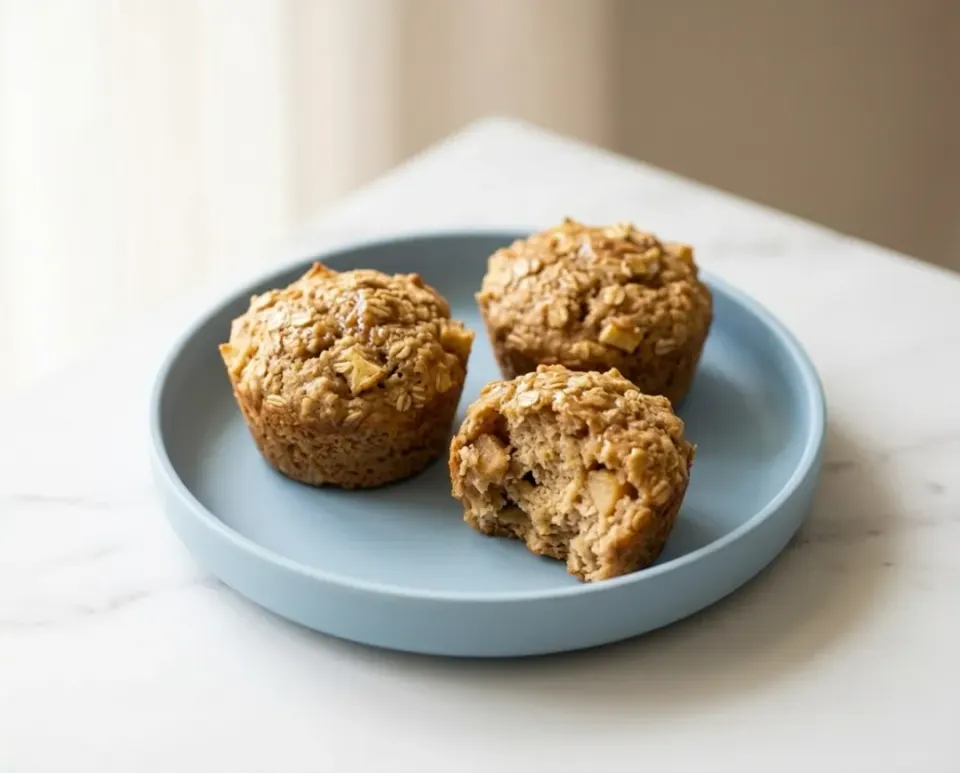
Apple & Oat Breakfast Muffins
Wholesome muffins with a tender oat crumb, studded with juicy apple pieces and scented with warm cinnamon. Naturally sweetened with applesauce and a drizzle of maple syrup, these are fiber-rich and perfect for tiny hands to grab at breakfast or snack time.
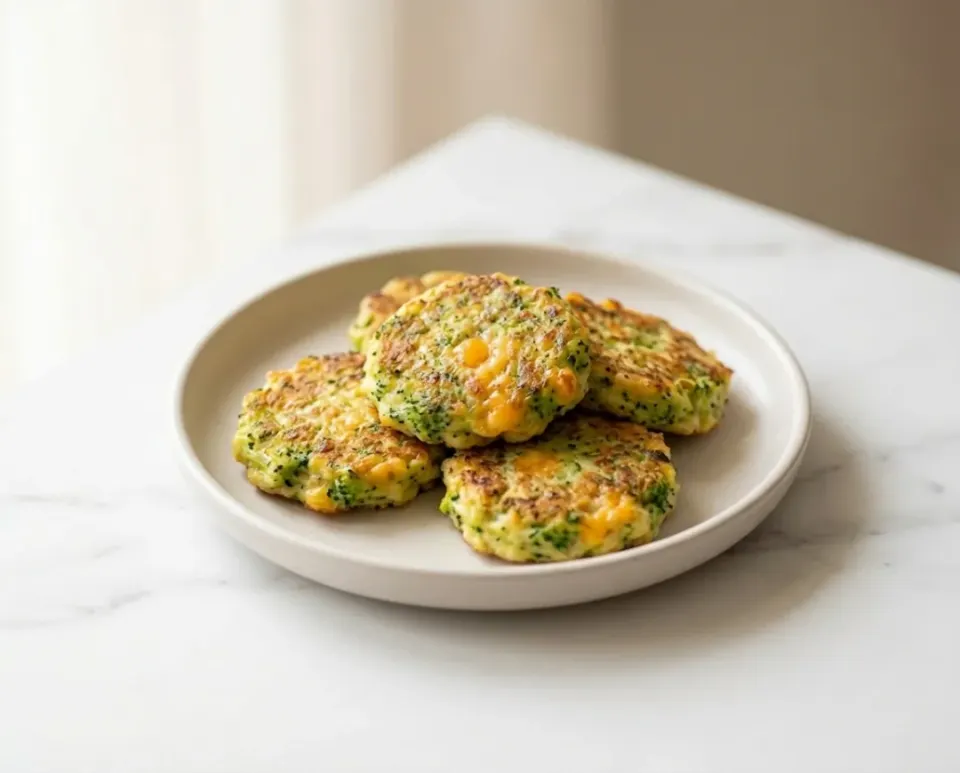
Broccoli & Cheese Fritters
Golden, pan-fried fritters packed with steamed broccoli and melted cheddar. Soft enough for baby to bite through but firm enough to hold as a finger food. The cheese melts through and adds a flavor that encourages babies to eat their greens.
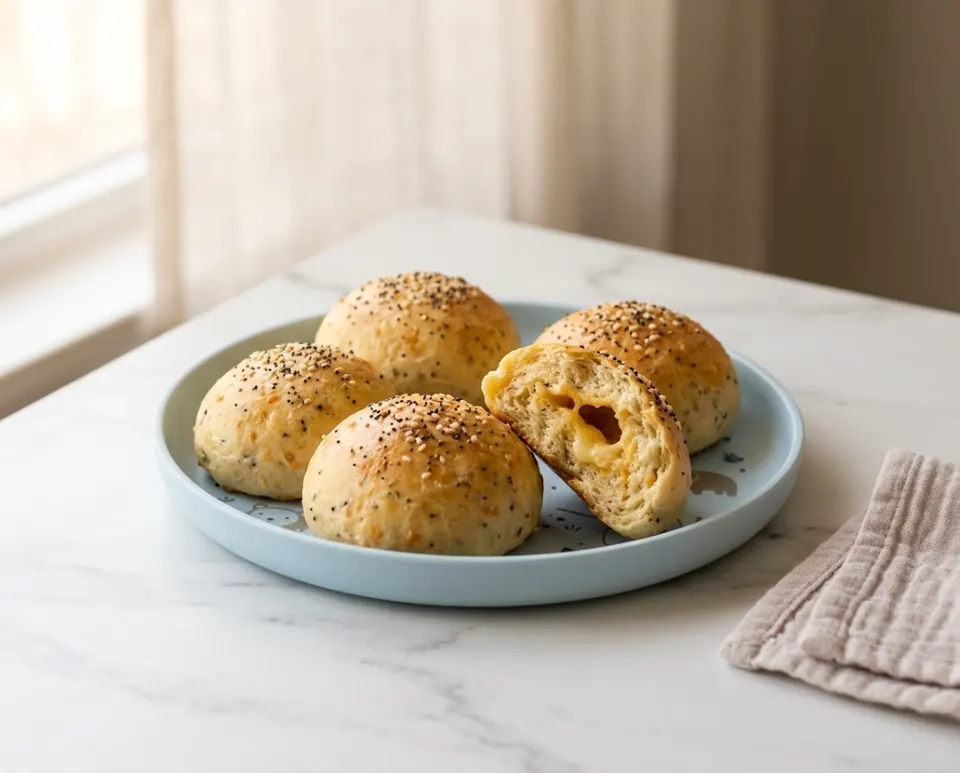
Soft Cheesy Bread Buns
These fluffy, homemade rolls are stuffed with a savory blend of cheddar and parmesan, making them a perfect finger food for toddlers. The soft texture is easy for little ones to chew, and the hidden cheese center adds a delightful surprise to every bite.
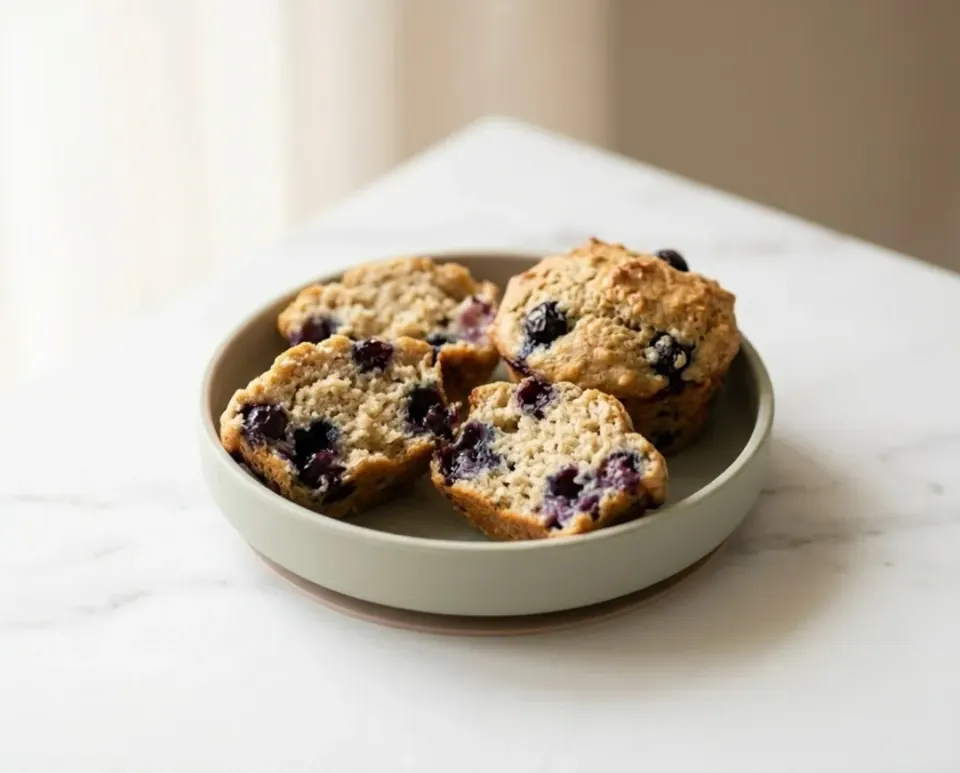
Cottage Cheese & Blueberry Muffins
Protein-packed muffins with a delightfully moist crumb, thanks to blended cottage cheese in the batter. Bursting with juicy blueberries and sweetened naturally with dates, these are a wonderful way to boost your little one's protein intake at breakfast or snack time.
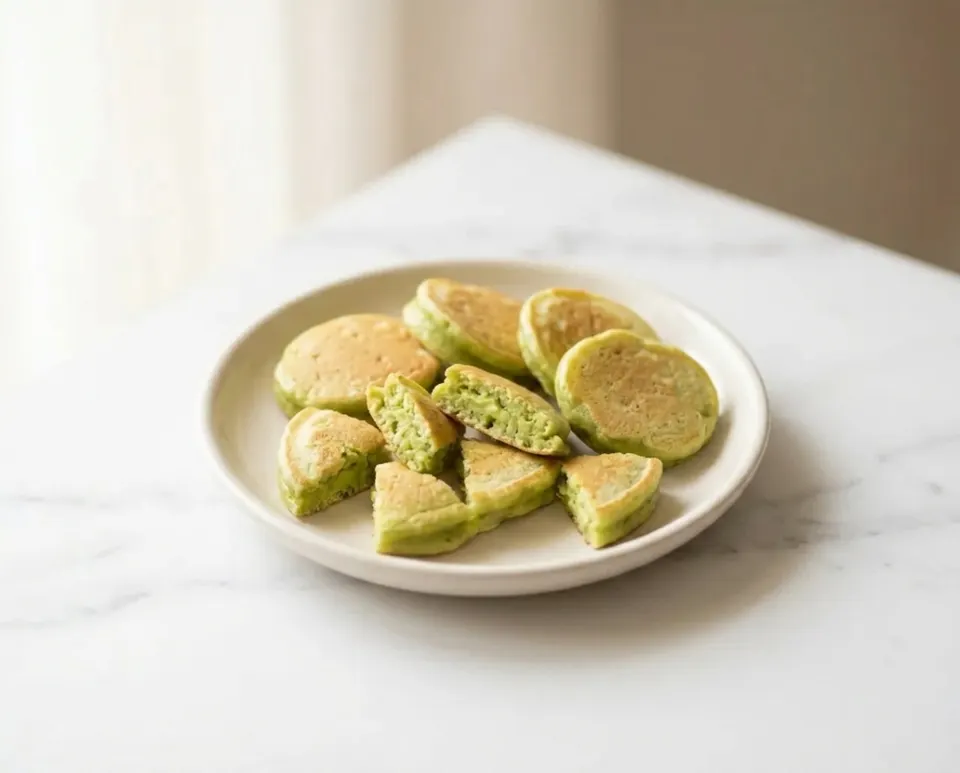
Creamy Avocado and Banana Pancakes
These soft, vibrant green pancakes are a wonderful way to introduce healthy fats from avocado. Naturally sweetened with ripe banana, they have a tender texture that is perfect for babies practicing their pincer grasp.
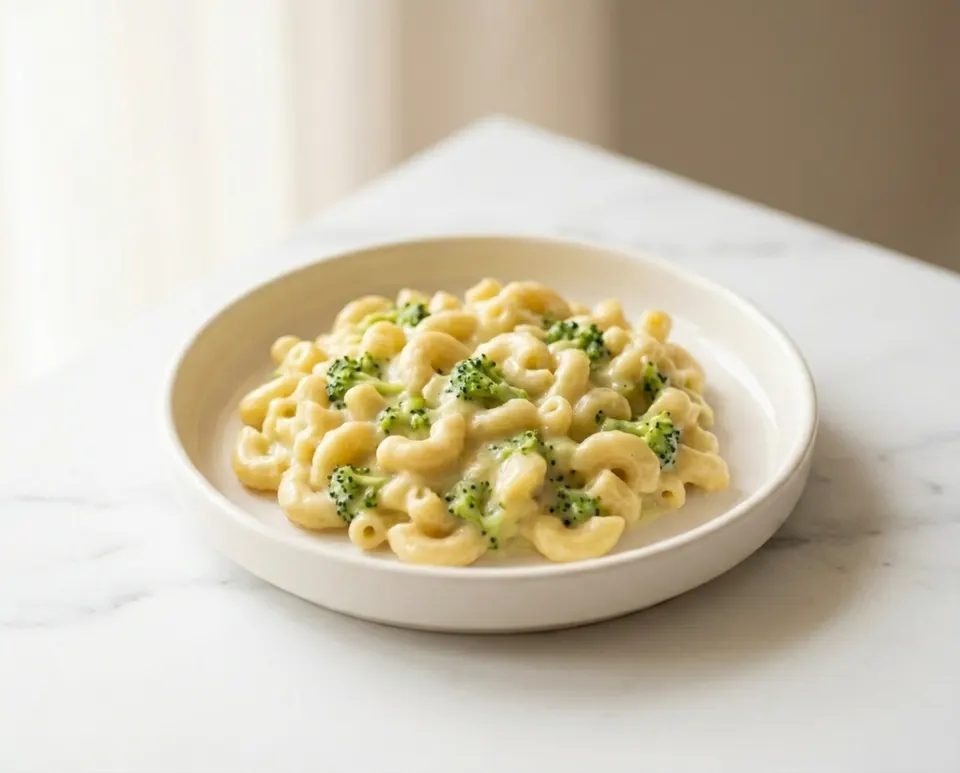
20-Minute Creamy Broccoli Mac & Cheese
A quick, one-pot comfort meal that's perfect for busy weeknights. This version includes finely chopped broccoli that cooks right with the pasta, making it a great way to introduce greens in a creamy, kid-approved sauce.
Frequently asked
Can babies eat raw flour or raw dough?
No, never offer raw flour or raw dough to babies or toddlers. Flour is a raw agricultural product that can harbor harmful bacteria like E. coli and Salmonella. It must always be thoroughly cooked or baked before serving.
How should I introduce wheat flour as an allergen?
Wheat is a major food allergen. Introduce it early in small amounts, such as a tiny piece of pancake or a spoonful of wheat porridge, during the morning on a day when baby is well. Watch for any signs of an allergic reaction over the next few hours.
Which is better for babies: whole wheat flour or white all-purpose flour?
Whole wheat flour retains the nutrient-dense bran and germ, offering more fiber, iron, and B vitamins. However, white all-purpose flour is often fortified with iron and folic acid and is easier to digest. Offering a variety of both is ideal for young tummies.
Can I use wheat flour to thicken baby purees or soups?
Yes. You can whisk a small amount of wheat flour into warm broths, sauces, or vegetable purees and simmer until bubbly to ensure the flour is completely cooked and smooth.

Track Wheat Flour in the Nica app
Log foods, track reactions, and plan meals — all in one place.

