When can babies eat Sesame Oil?
From 6 months
Start with: Smooth, well-blended liquid integrated into soft puree.
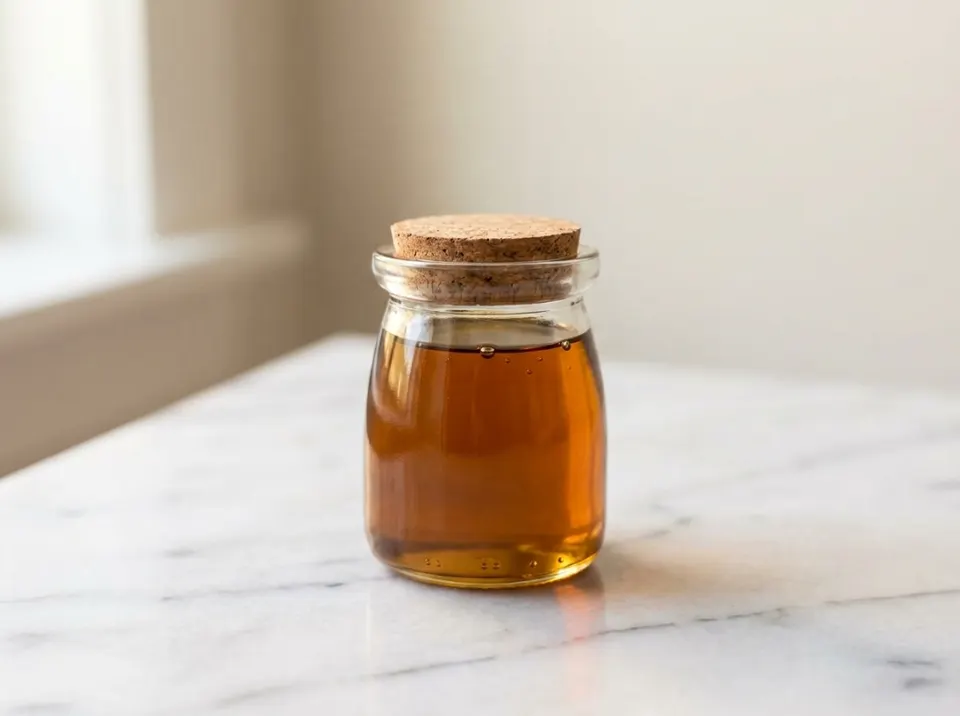
Sesame oil is an aromatic, nutrient-rich plant oil pressed from sesame seeds, prized across global cuisines for its rich, nutty flavor. It provides concentrated energy and beneficial unsaturated fats that support your baby's rapid brain and cellular development. Because sesame is a top food allergen, start with a tiny amount mixed into a familiar puree and watch closely for any reactions.
How to serve Sesame Oil, by age
- 6mo
From 6 months: Smooth, well-blended liquid integrated into soft puree.
Mix a few drops of toasted or untoasted sesame oil into smooth vegetable purees, baby oatmeal, or mashed avocado to introduce sesame as an allergen.
- 9mo
From 9 months: Lightly coated soft finger foods or mashed textures.
Stir a light drizzle into soft steamed carrot coins, scrambled eggs, well-cooked rice porridge, or soft tofu cubes for flavor and healthy fats.
- 12mo
From 12 months: Tender, bite-sized solids lightly glazed with aromatic oil.
Use a small splash to toss soft noodles, stir into vegetable stir-fries, or lightly coat bite-sized pieces of chicken and steamed broccoli.
Choking risk & safe preparation
Low choking risk
Sesame oil is a smooth liquid that poses a low choking risk when used as an ingredient. Avoid giving spoonfuls of pure oil, which can cause coughing or sputtering. Instead, stir a small amount into warm purees, grains, or steamed vegetables to add flavor and moisture.
Allergen information
This is one of the common childhood allergens. Introduce it on its own and watch for a reaction before mixing it with new foods.
Contains or relates to these allergens:
- Sesame
Nutrition & benefits
Sesame oil delivers a rich source of unsaturated fatty acids and natural antioxidants like sesamol and sesamolin that promote heart and cellular health. It also supplies vitamin E and helps your baby's body absorb fat-soluble vitamins from other nourishing foods.
- Healthy Fats
- Nutrient Absorption
- Palate Expansion
- Antioxidant
Per 100 g
- Energy
- 884kcal
- Fat
- 100g
See all nutrients (5)
Macronutrients
- Energy
- 884 kcal
- Fat
- 100 g
Vitamins
- Vitamin E
- 1.4 mg
- Vitamin K
- 13.6 mcg
- Choline
- 0.2 mg
Source: USDA FoodData Central
Pairs well with
Recipes with Sesame Oil
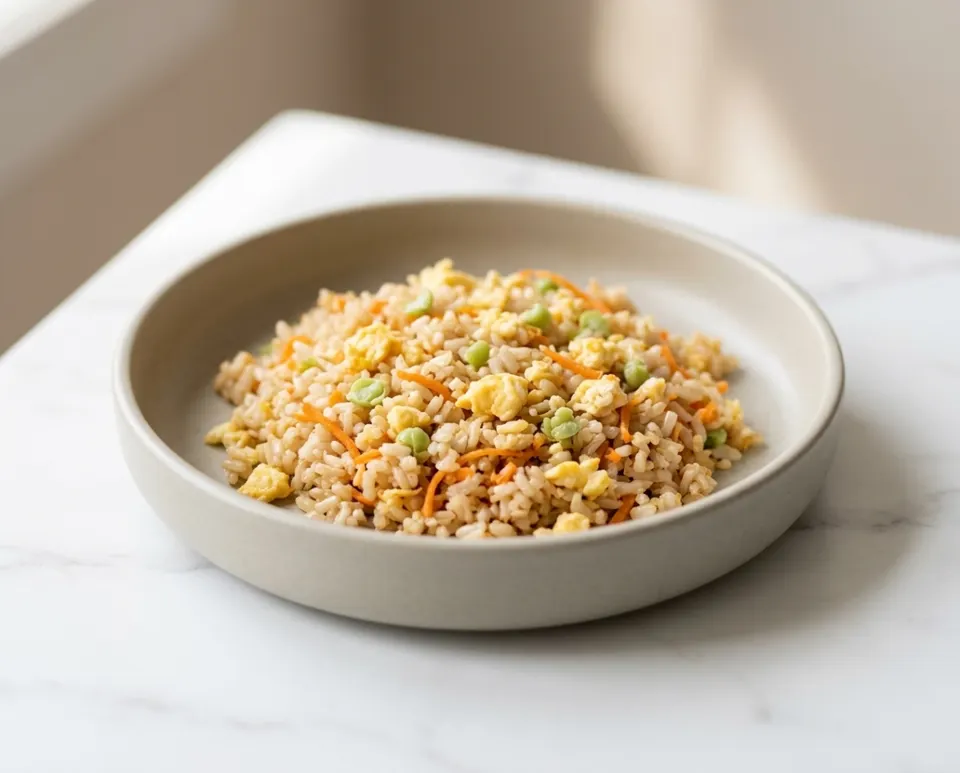
Egg & Vegetable Fried Brown Rice
A simple, one-pan dinner of soft brown rice stir-fried with scrambled egg, tiny pea pieces, and grated carrot. Eggs provide complete protein and choline for brain development, while brown rice adds B vitamins and fiber. This dish introduces babies to mixed textures and savory Asian-inspired flavors in a gentle, age-appropriate way.

Mild Prawn & Soft Veggie Stir-fry
A light and nutritious introduction to seafood. Succulent prawns and tender vegetables tossed with ginger and lemon, served over soft white rice. A high-protein meal that is gentle on little tummies.
Frequently asked
How do I safely introduce sesame oil as an allergen?
Start with a very small amount, such as a drop or two mixed into a well-tolerated puree like mashed sweet potato or oatmeal. Offer it early in the day so you can monitor your baby for two hours after the meal. If no signs of an allergic reaction appear, you can gradually increase the portion in future meals.
What is the difference between toasted and regular sesame oil for babies?
Regular, untoasted sesame oil has a pale color and neutral, mild taste with a higher smoke point suitable for gentle cooking. Toasted sesame oil has a deep amber color and intense, nutty aroma that is best used as a finishing oil drizzled over already-cooked foods. Both are safe for babies.
Can sesame oil help my baby absorb nutrients from vegetables?
Yes! Fat-soluble vitamins, including vitamins A, D, E, and K, require dietary fat to be absorbed by the body. Adding a light drizzle of sesame oil to steamed carrots, squash, or leafy greens significantly boosts your baby's ability to absorb these vital micronutrients.
How should I store sesame oil to keep it fresh?
Store sesame oil in a cool, dark pantry away from heat and direct sunlight to prevent oxidation. Keep the cap tightly sealed after each use. Toasted sesame oil can also be refrigerated after opening to preserve its delicate flavor and extend its shelf life.

Track Sesame Oil in the Nica app
Log foods, track reactions, and plan meals — all in one place.

