When can babies eat Raspberry?
From 6 months
Start with: Smooth strained puree or whole, soft berries.
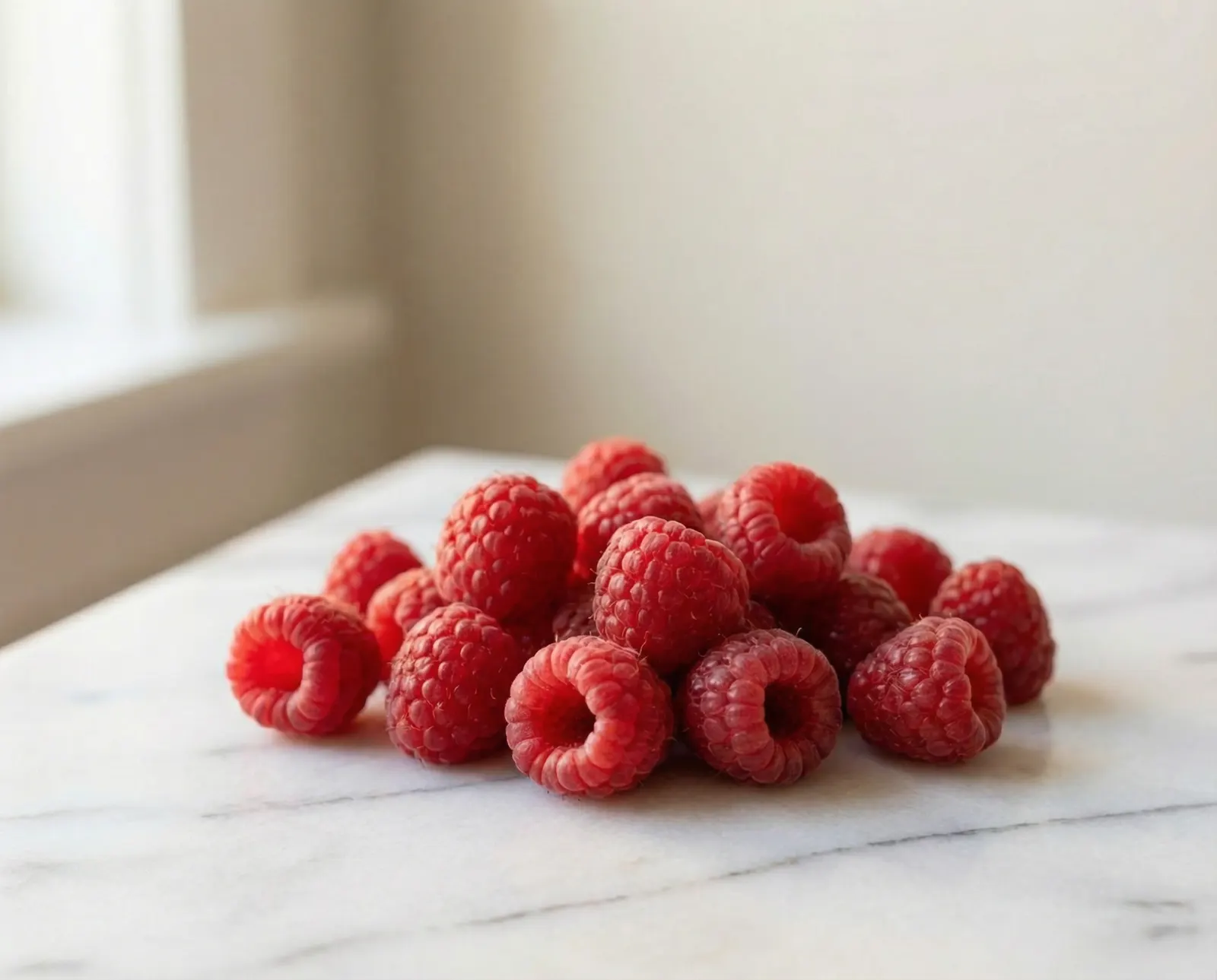
Raspberries are one of the highest-fiber fruits available, making them incredible for digestive health. They are delicate, soft, and naturally break apart, which makes them much safer than other round berries. They are also rich in ellagic acid, a powerful antioxidant.
How to serve Raspberry, by age
- 6mo
From 6 months: Smooth strained puree or whole, soft berries.
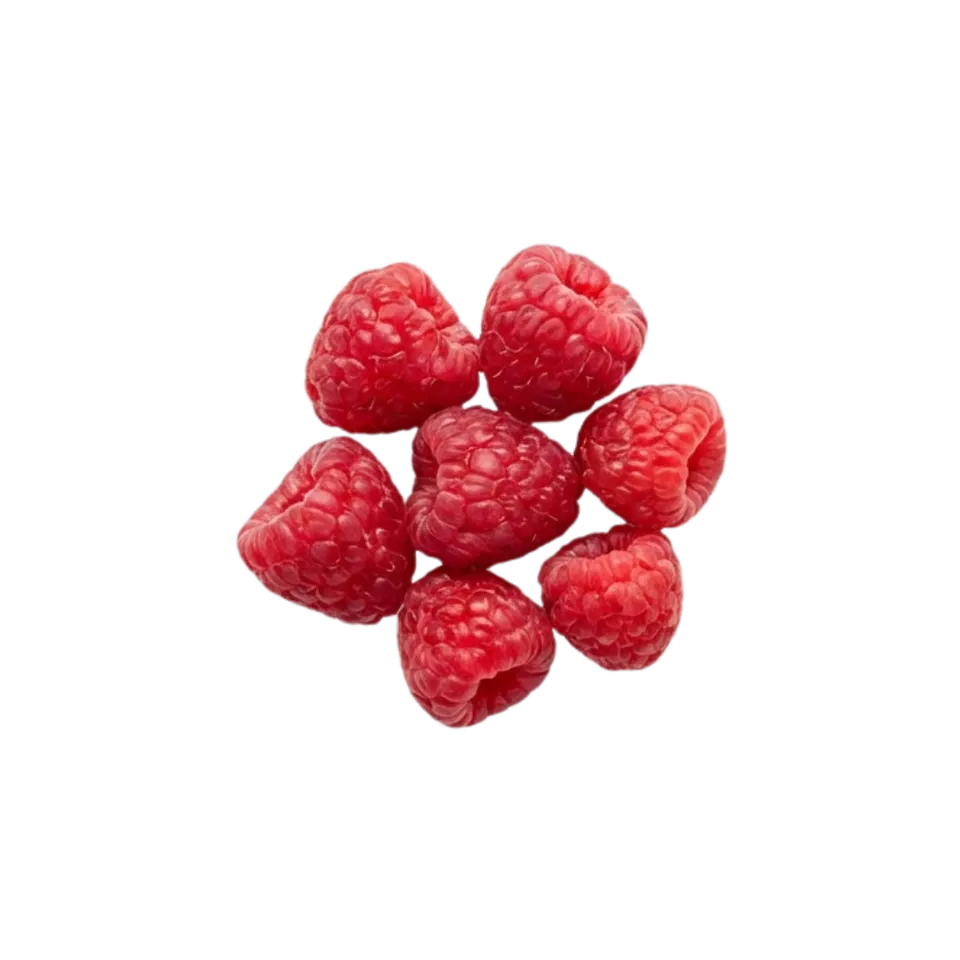
Serve as a smooth puree. Because of the tiny seeds, you may want to press the puree through a fine-mesh strainer for babies just starting solids. For BLW, you can offer a whole raspberry; its hollow center and soft structure make it very easy for babies to squish with their gums.
- 9mo
From 9 months: Whole, hollow berries.
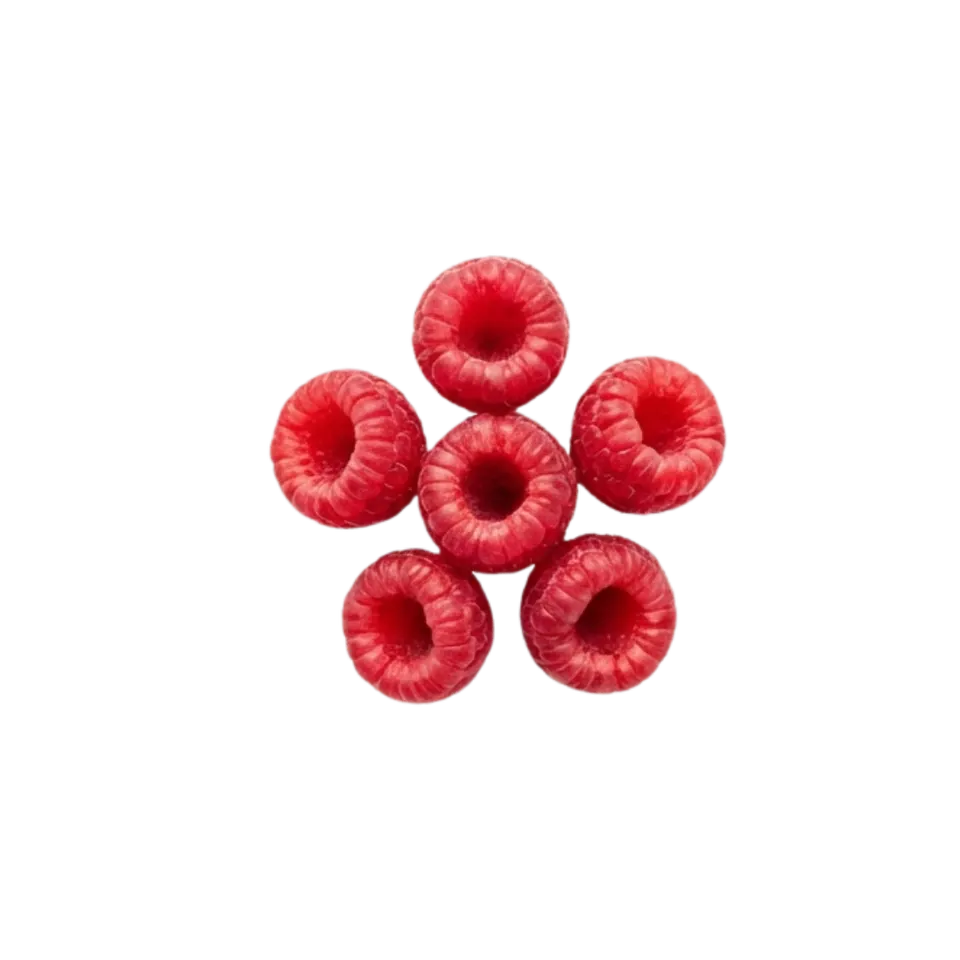
Offer whole raspberries as a perfect finger food. They are excellent for practicing the pincer grasp. You can also 'invert' them and place them on your baby's fingertips for a fun, sensory eating experience.
- 12mo
From 12 months: Whole berries or chunky mash.
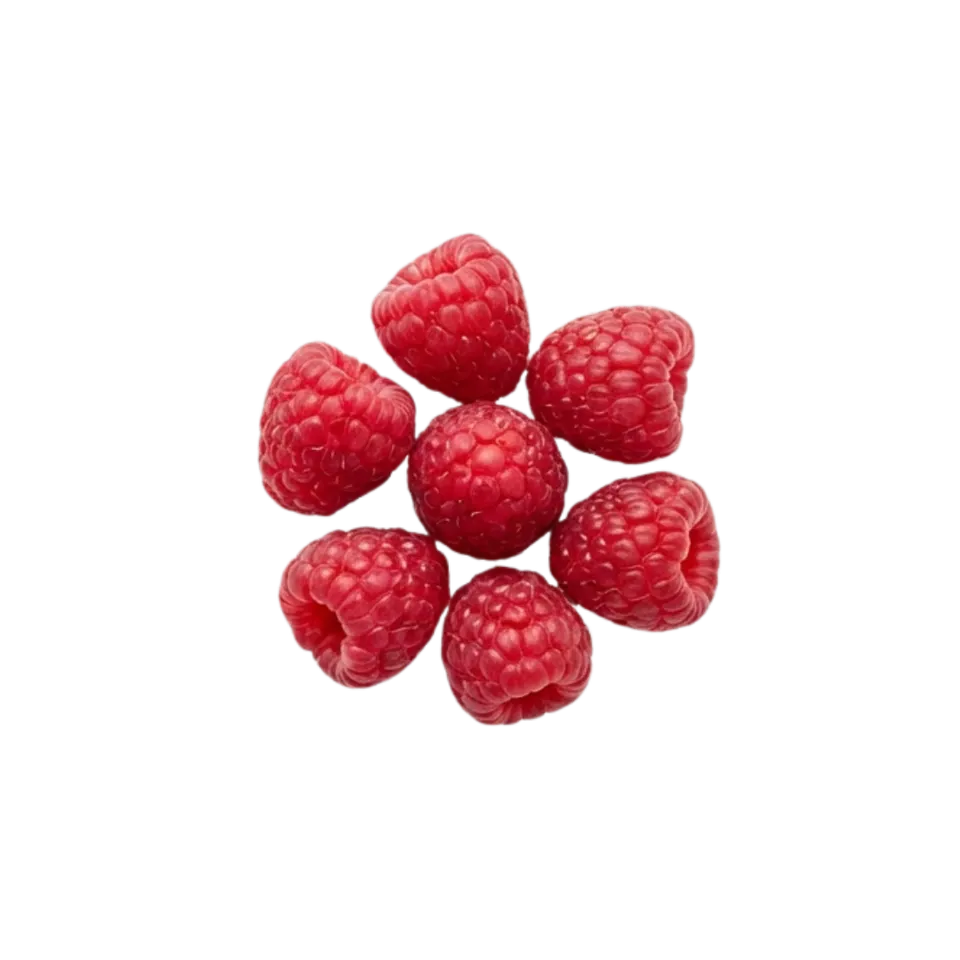
Serve whole or mixed into yogurt, cottage cheese, or oatmeal. Since raspberries are fragile, they are often enjoyed fresh, but they also make a great sugar-free 'jam' when mashed and spread on toast.
Choking risk & safe preparation
Low choking risk
Raspberries are generally safe because they collapse easily. However, always ensure they are washed well and are soft. If using frozen raspberries, thaw them completely before serving.
Allergen information
Not a common childhood allergen. Reactions are possible with any food, so introduce it on its own first.
Nutrition & benefits
One of the highest fiber-to-calorie ratios of any fruit, providing excellent support for healthy gut bacteria.
- Digestion-friendly
- Vitamin C Rich
Per 100 g
- Energy
- 52kcal
- Protein
- 1.2g
- Fat
- 0.7g
- Fiber
- 6.5g
- Iron
- 0.7mg
- Vitamin C
- 26.2mg
See all nutrients (25)
Macronutrients
- Energy
- 52 kcal
- Protein
- 1.2 g
- Carbohydrates
- 11.9 g
- Fat
- 0.7 g
Key Minerals
- Iron
- 0.7 mg
- Calcium
- 25 mg
- Zinc
- 0.4 mg
- Sodium
- 1 mg
- Potassium
- 151 mg
- Magnesium
- 22 mg
- Phosphorus
- 29 mg
- Selenium
- 0.2 mcg
- Copper
- < 0.1 mg
- Manganese
- 0.7 mg
Vitamins
- Vitamin A
- 2 mcg
- Vitamin C
- 26.2 mg
- Vitamin D
- 0 mcg
- Vitamin B6
- < 0.1 mg
- Vitamin B12
- 0 mcg
- Vitamin E
- 0.9 mg
- Vitamin K
- 7.8 mcg
- Folate
- 21 mcg
- Thiamin (B1)
- < 0.1 mg
- Choline
- 12.3 mg
Other
- Fiber
- 6.5 g
Source: USDA FoodData Central
Pairs well with
Recipes with Raspberry
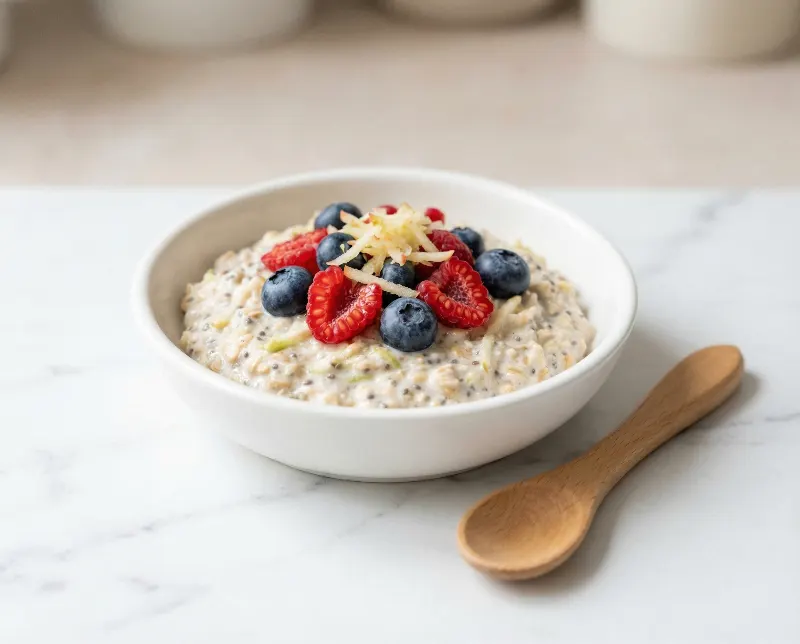
Overnight Bircher Muesli with Berries
A refreshing, no-cook breakfast packed with fiber and probiotics. Oats are soaked overnight in milk and yogurt with grated apple, then topped with fresh berries for a burst of antioxidants.
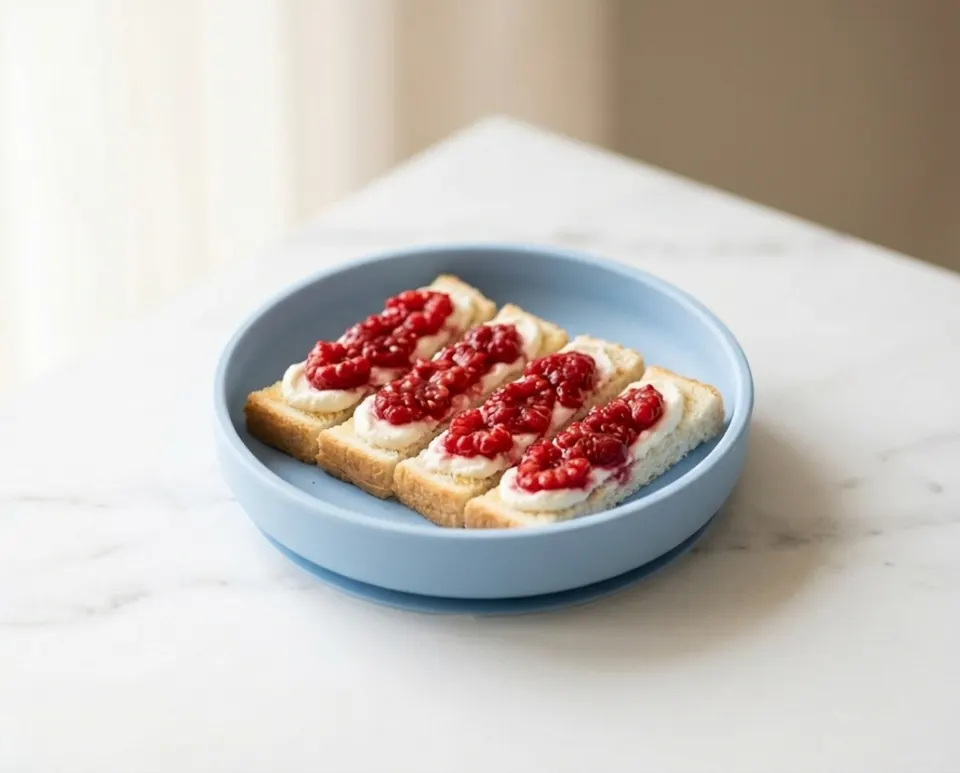
Ricotta & Raspberry Toast Fingers
Soft toast fingers spread with creamy ricotta and topped with lightly smashed raspberries. Ricotta provides protein and calcium in a smooth, spreadable form, while raspberries add natural sweetness, fiber, and vitamin C. A different twist on toast for babies who love holding finger-shaped foods.
Frequently asked
Are the tiny seeds safe for my baby?
Yes, the seeds are safe. However, they can be a bit irritating for babies just starting purees. If your baby seems to dislike the texture, simply strain the seeds out.
Why is my baby's poop red after eating raspberries?
Don't panic! The natural red pigment in raspberries often passes through the digestive tract, making the stool look red or pinkish. It is not blood, but a result of the fruit.

Track Raspberry in the Nica app
Log foods, track reactions, and plan meals — all in one place.

