When can babies eat Pork Sausage?
From 6 months
Start with: Avoid at this stage.
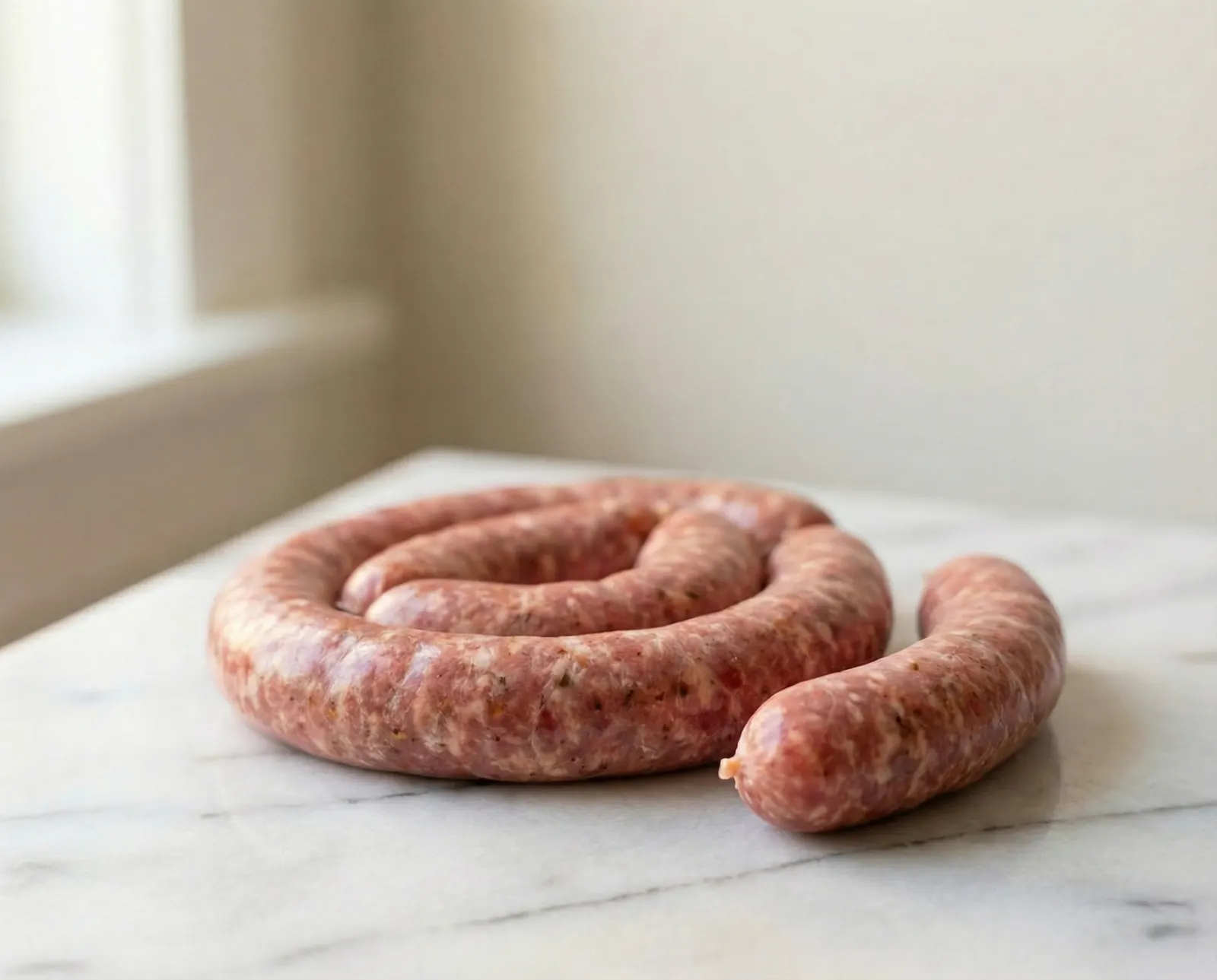
Standard commercial pork sausages are generally not recommended for babies under 12-24 months due to high salt, nitrates, and saturated fats. However, homemade salt-free pork sausages can be a good source of protein and B-vitamins. If serving, they must be meticulously prepared to remove the 'skin' (casing) and cut into safe shapes to prevent choking.
How to serve Pork Sausage, by age
- 6mo
From 6 months: Avoid at this stage.
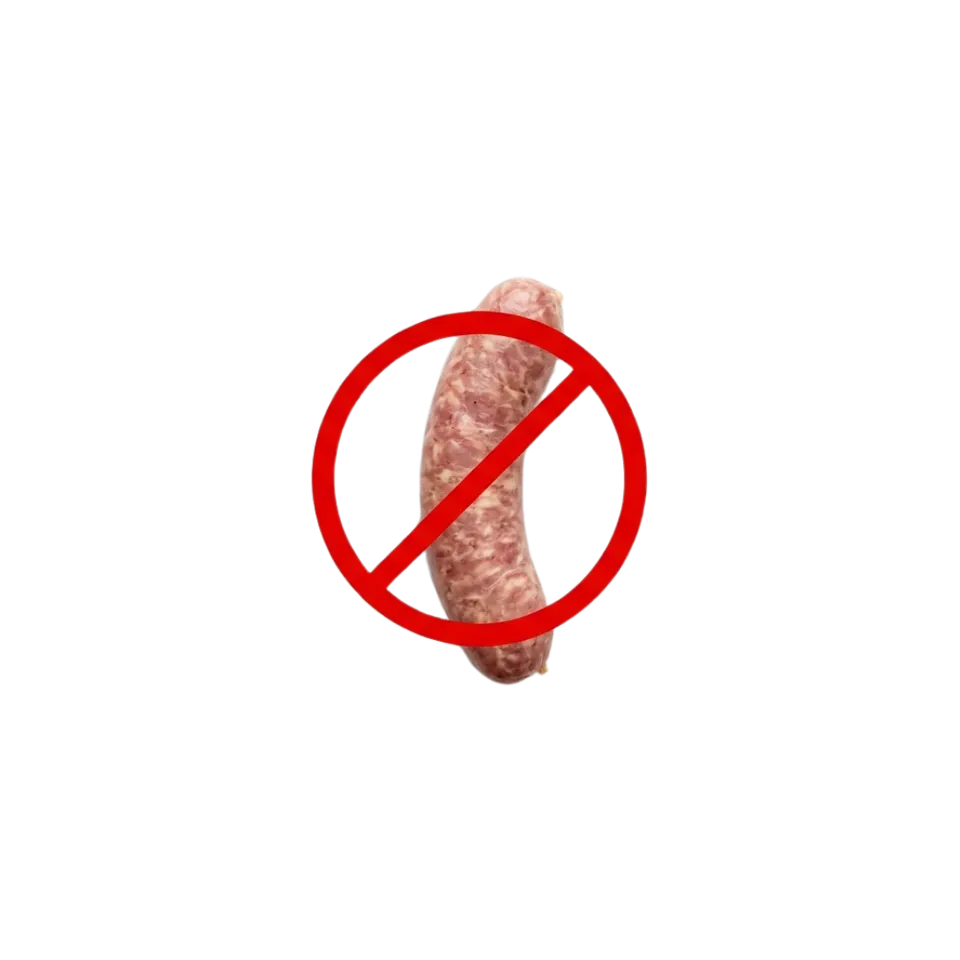
Not recommended. If you choose to introduce pork, it is much safer and healthier to offer plain, slow-cooked pork tenderloin or a smooth pork puree. Commercial sausages contain levels of sodium that can be dangerous for a 6-month-old's kidneys.
- 9mo
From 9 months: Soft crumbles or moist ground meat.
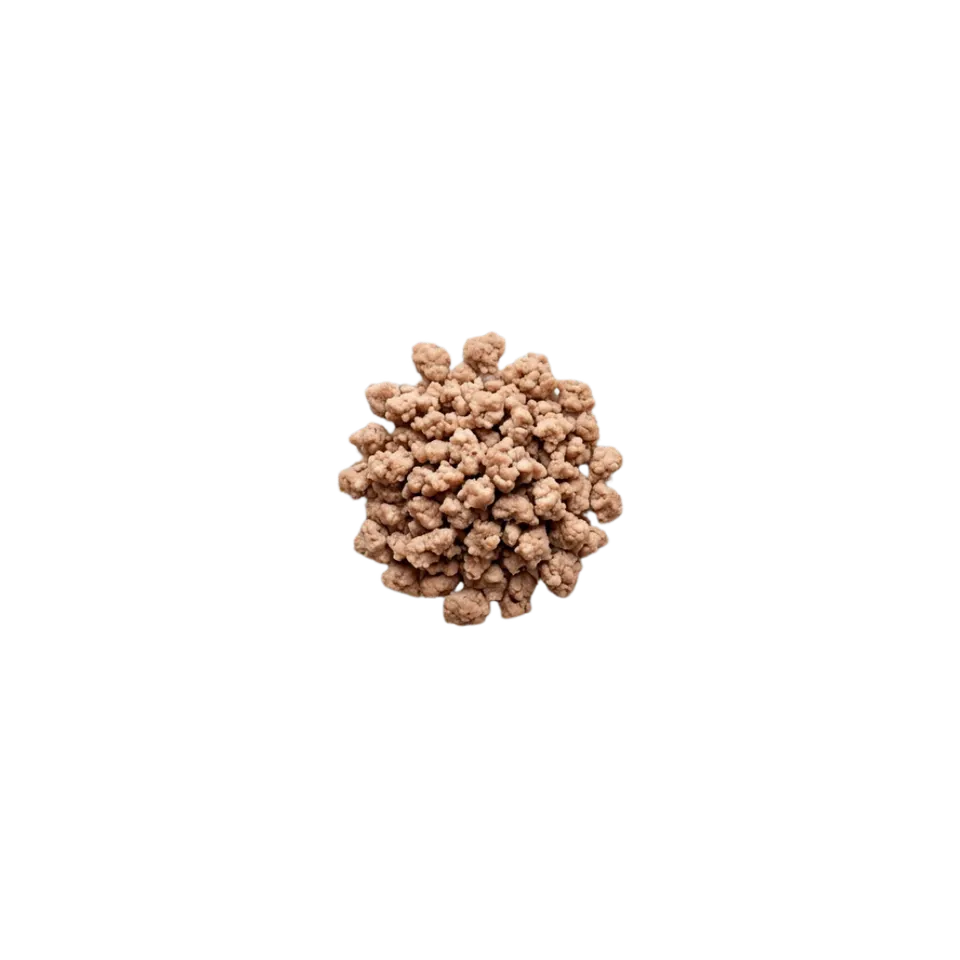
Only serve homemade, salt-free sausage 'patties' or crumbles. Remove all casings (skins). Ensure the meat is finely minced and cooked until soft. Mix the crumbles into a moist vegetable mash. Never serve round slices of sausage, as this is one of the top causes of choking in infants.
- 12mo
From 12 months: Thinly sliced strips or small bits (skinless).
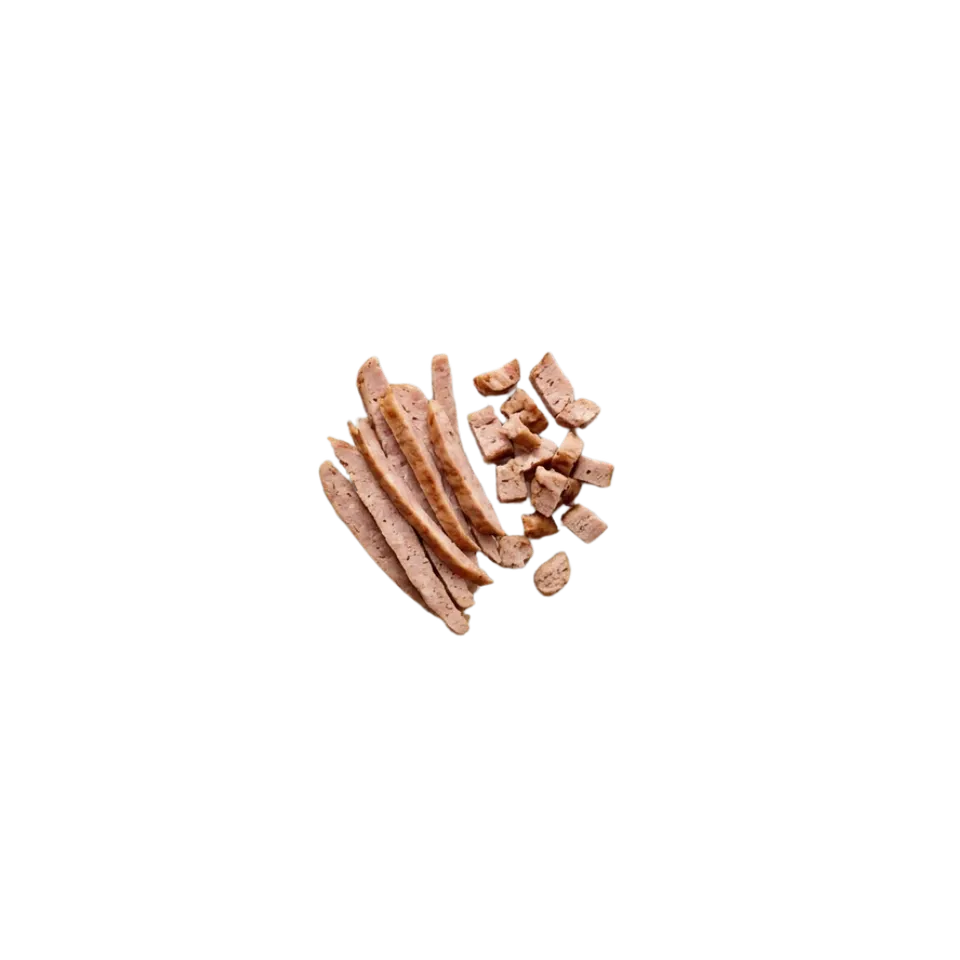
If serving high-quality, lower-sodium sausage, you MUST remove the tough outer skin and cut the sausage lengthwise into thin strips (like matchsticks), then into small bite-sized pieces. Avoid round 'coin' shapes. Limit consumption to very occasional treats due to the processed nature of the meat.
Choking risk & safe preparation
High choking risk
Sausages are a leading cause of food-related choking. The round shape can perfectly plug a child's airway, and the tough skin is hard to chew. ALWAYS remove the skin and NEVER cut into round coins. Cut lengthwise into thin quarters.
Allergen information
Not a common childhood allergen. Reactions are possible with any food, so introduce it on its own first.
Nutrition & benefits
While sausages provide protein and Zinc, the average commercial sausage contains 800mg+ of Sodium per 100g. A 6-12 month old baby should have less than 400mg of sodium in an entire day, making one sausage link exceed their daily limit.
Per 100 g
- Energy
- 263kcal
- Protein
- 16.9g
- Fat
- 21.2g
- Fiber
- 0g
- Iron
- 0.9mg
- Vitamin C
- 0.7mg
See all nutrients (21)
Macronutrients
- Energy
- 263 kcal
- Protein
- 16.9 g
- Carbohydrates
- 0 g
- Fat
- 21.2 g
Key Minerals
- Iron
- 0.9 mg
- Calcium
- 14 mg
- Zinc
- 2.2 mg
- Sodium
- 56 mg
- Potassium
- 287 mg
- Magnesium
- 19 mg
- Phosphorus
- 175 mg
- Selenium
- 24.6 mcg
- Copper
- < 0.1 mg
- Manganese
- < 0.1 mg
Vitamins
- Vitamin A
- 2 mcg
- Vitamin C
- 0.7 mg
- Vitamin B6
- 0.4 mg
- Vitamin B12
- 0.7 mcg
- Folate
- 5 mcg
- Thiamin (B1)
- 0.7 mg
Other
- Fiber
- 0 g
Source: USDA FoodData Central
Pairs well with
Frequently asked
Can I give my baby 'low salt' sausages?
Even 'low salt' commercial sausages are usually too high for infants. The best option is to buy plain ground pork and mix it with herbs (like fennel or sage) and applesauce at home to create your own safe sausage patties.
Why are nitrates bad for babies?
Nitrates are preservatives used in processed meats. In infants, high levels of nitrates can interfere with the blood's ability to carry oxygen (Methemoglobinemia). It is best to avoid them entirely until age 2.

Track Pork Sausage in the Nica app
Log foods, track reactions, and plan meals — all in one place.

