When can babies eat Cantaloupe?
From 6 months
Start with: Smooth puree or large, juicy spears.
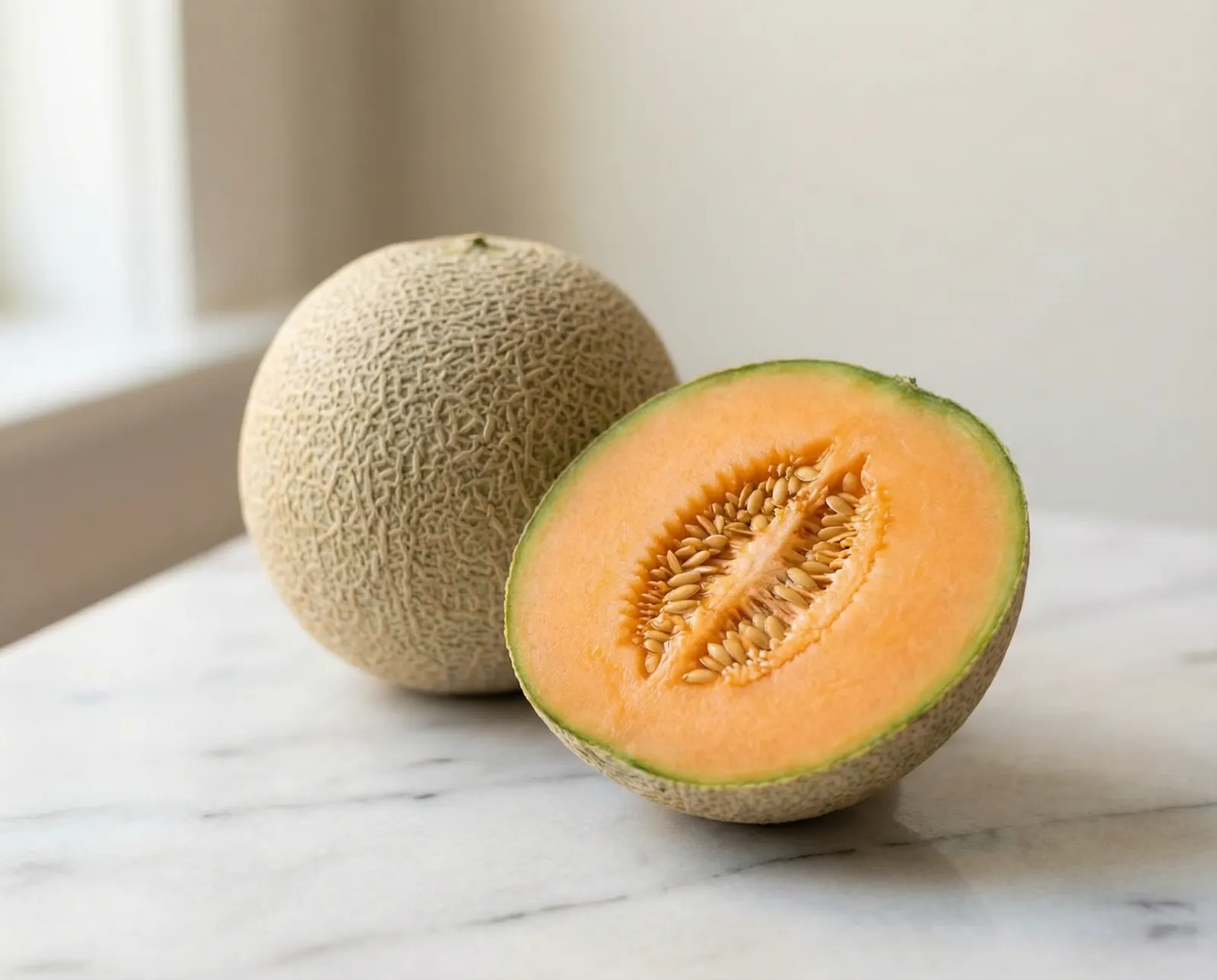
Cantaloupe (orange melon) is a superstar for eye health and immunity, containing nearly a full day's requirement of Vitamin A for a baby in just a small serving. Its high water content makes it great for hydration, and its naturally soft texture is gentle on developing gums.
How to serve Cantaloupe, by age
- 6mo
From 6 months: Smooth puree or large, juicy spears.
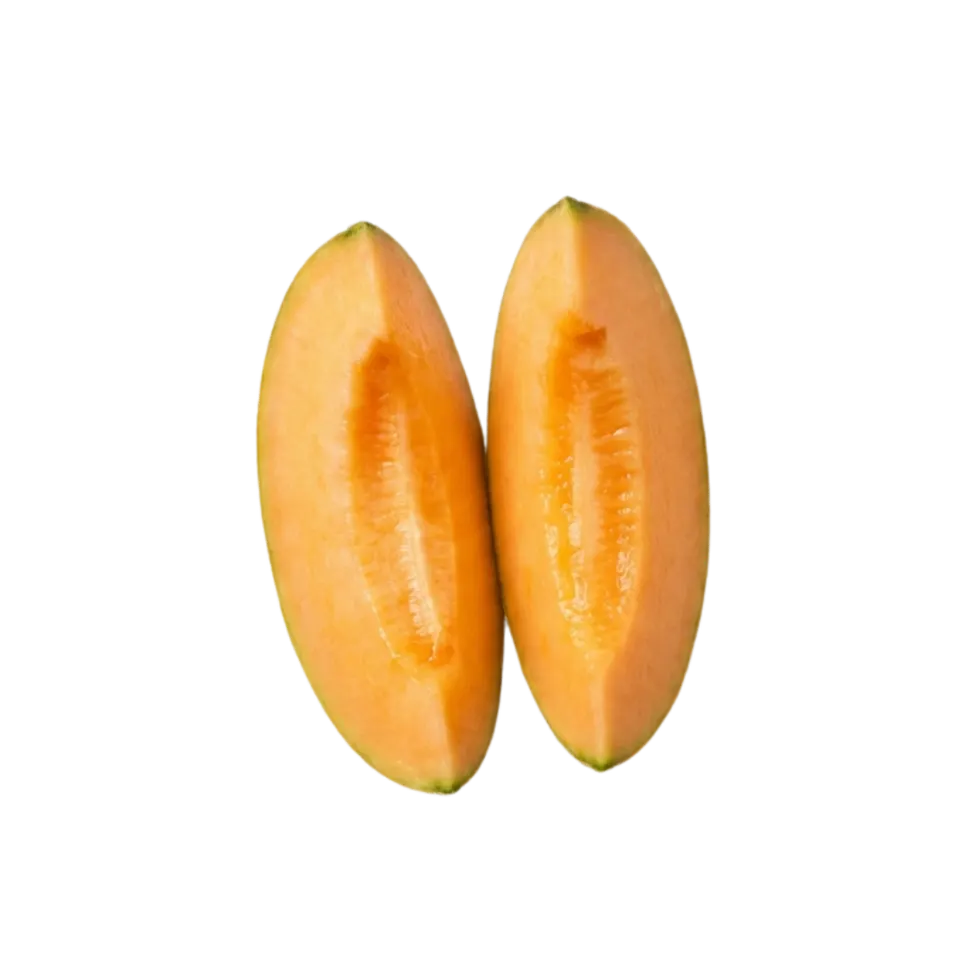
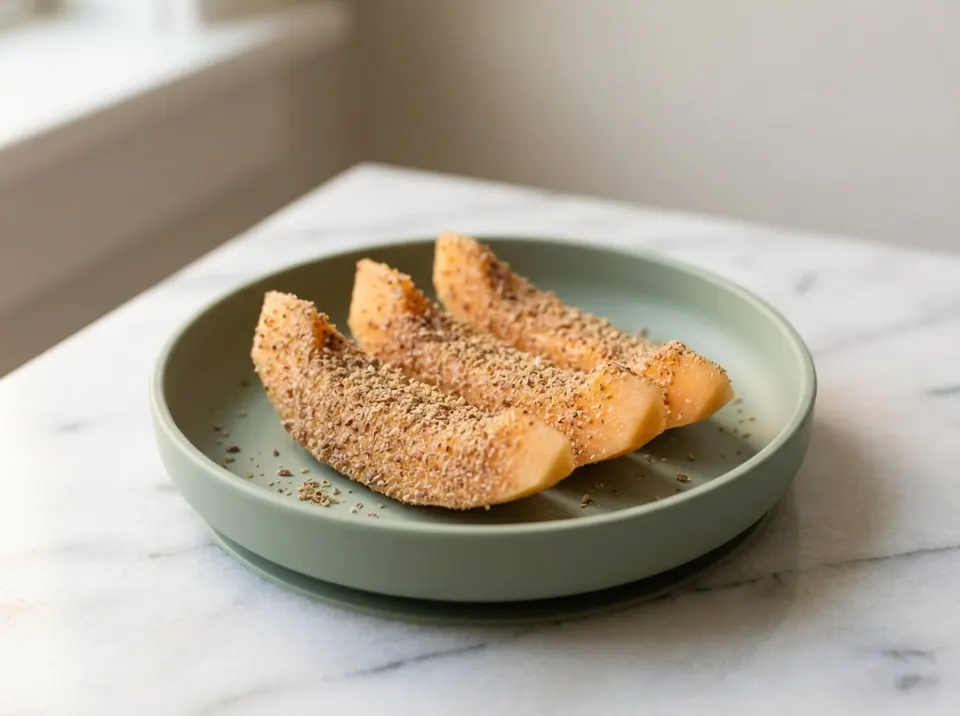
Serve as a smooth puree or a large, long wedge (rind-free) for the baby to suck and gnaw on. Ensure the cantaloupe is very ripe and soft enough to be smashed with gentle pressure between your fingers. If it's firm, it's not ready for baby yet.
- 9mo
From 9 months: Small, soft cubes.
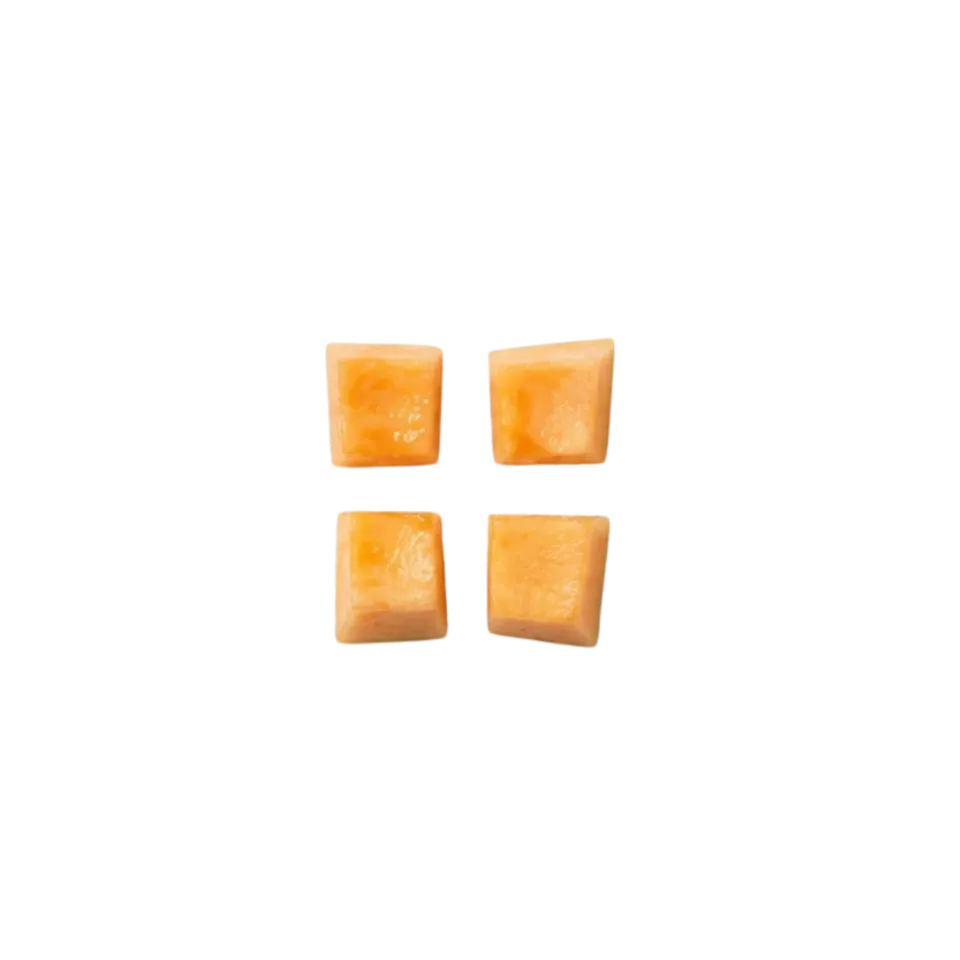
Offer small, bite-sized cubes. Since cantaloupe can be slippery, you can roll the cubes in ground flaxseeds or infant cereal to make them easier for your baby to pick up using their pincer grasp.
- 12mo
From 12 months: Bite-sized chunks or melon balls.
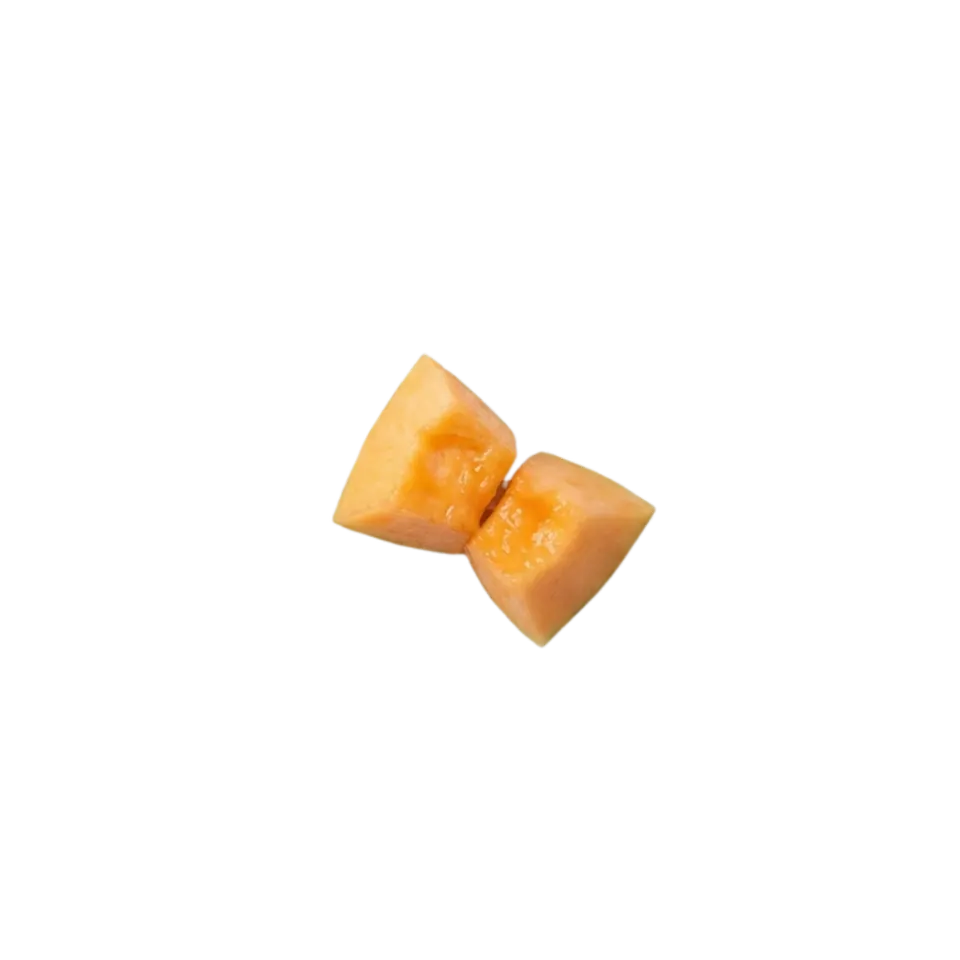
Serve as chunks, slices, or use a melon baller to create fun shapes. Cantaloupe pairs beautifully with thin slices of mild cheese or mixed into a refreshing fruit salad.
Choking risk & safe preparation
Moderate choking risk
Unripe cantaloupe is hard and poses a significant choking risk. Only serve fruit that is soft and yields to pressure. Always remove the seeds and the tough outer rind completely.
Allergen information
Not a common childhood allergen. Reactions are possible with any food, so introduce it on its own first.
Nutrition & benefits
One of the best fruit sources of Vitamin A (Beta-Carotene), which is essential for healthy vision and skin development.
- Brain Food
- Vitamin C Rich
- Digestion-friendly
Per 100 g
- Energy
- 34kcal
- Protein
- 0.8g
- Fat
- 0.2g
- Fiber
- 0.9g
- Iron
- 0.2mg
- Vitamin C
- 36.7mg
See all nutrients (25)
Macronutrients
- Energy
- 34 kcal
- Protein
- 0.8 g
- Carbohydrates
- 8.2 g
- Fat
- 0.2 g
Key Minerals
- Iron
- 0.2 mg
- Calcium
- 9 mg
- Zinc
- 0.2 mg
- Sodium
- 16 mg
- Potassium
- 267 mg
- Magnesium
- 12 mg
- Phosphorus
- 15 mg
- Selenium
- 0.4 mcg
- Copper
- < 0.1 mg
- Manganese
- < 0.1 mg
Vitamins
- Vitamin A
- 169 mcg
- Vitamin C
- 36.7 mg
- Vitamin D
- 0 mcg
- Vitamin B6
- < 0.1 mg
- Vitamin B12
- 0 mcg
- Vitamin E
- < 0.1 mg
- Vitamin K
- 2.5 mcg
- Folate
- 21 mcg
- Thiamin (B1)
- < 0.1 mg
- Choline
- 7.6 mg
Other
- Fiber
- 0.9 g
Source: USDA FoodData Central
Pairs well with
Recipes with Cantaloupe
Frequently asked
How do I pick a ripe cantaloupe for my baby?
Look for a melon that feels heavy for its size and has a sweet, musky aroma at the stem end. The 'netting' on the skin should be raised and the base color should be creamy-yellow, not green.
Why is it important to wash the outside of a cantaloupe?
Cantaloupes have a textured skin that can trap bacteria (like Salmonella). Even though you don't eat the skin, the knife can carry bacteria from the outside to the flesh when you cut it. Always scrub the outside before slicing.

Track Cantaloupe in the Nica app
Log foods, track reactions, and plan meals — all in one place.

