When can babies eat Black Pepper?
From 6 months
Start with: Micro-fine powder.
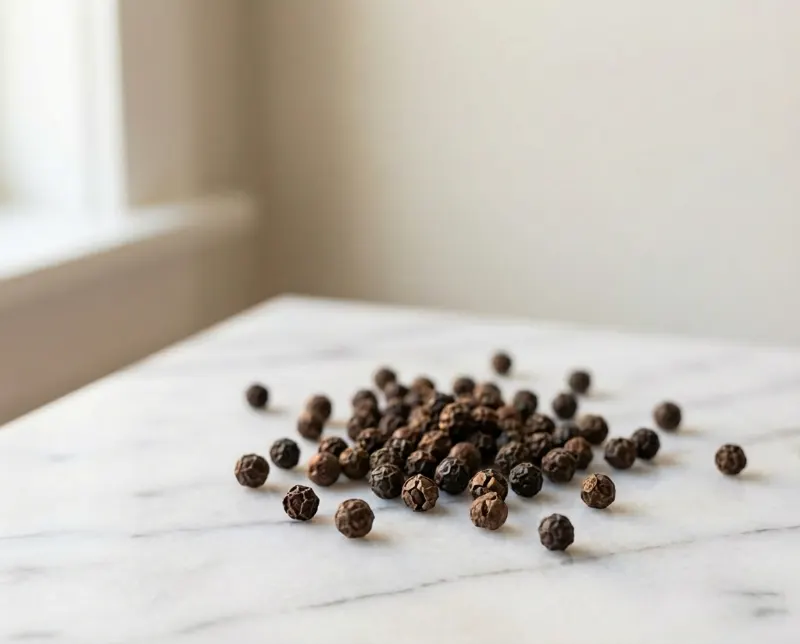
Black pepper is a pungent spice produced from the still-green unripe drupes of the pepper plant. It is known as the 'King of Spices' because it stimulates the digestive enzymes and contains piperine, which helps the baby's body absorb vitamins and antioxidants from other foods more efficiently.
How to serve Black Pepper, by age
- 6mo
From 6 months: Micro-fine powder.
Introduce a microscopic pinch of finely ground black pepper into root vegetable purees (like squash or carrot). At this stage, it is used to awaken the taste buds and aid in the absorption of beta-carotene. Ensure it is ground to a very fine powder to avoid any throat irritation.
- 9mo
From 9 months: Integrated fine spice.
Add a small pinch to savory meals like lentil stews, mashed avocado, or scrambled eggs. Black pepper pairs exceptionally well with healthy fats, which together help the baby utilize fat-soluble vitamins (A, D, E, K). Avoid using whole peppercorns.
- 12mo
From 12 months: Finely cracked or ground pepper.
Toddlers can enjoy the mild warmth of black pepper on roasted meats or in vegetable soups. This is a great alternative to salt. Using freshly cracked pepper (ground fine) provides the best nutritional benefits and aroma.
Choking risk & safe preparation
Low choking risk
Whole peppercorns are a significant choking hazard and should never be given to babies. Finely ground pepper is safe, but avoid puffing the powder near the baby's face as inhaling it can cause intense sneezing and nasal irritation.
Allergen information
Not a common childhood allergen. Reactions are possible with any food, so introduce it on its own first.
Nutrition & benefits
Black pepper contains piperine, which can increase the bioavailability of nutrients like selenium, vitamin B12, and beta-carotene. It is also a significant source of Vitamin K (163.7mcg) and Manganese, which are vital for bone health and wound healing.
- Nutrient Absorption
- Digestion-friendly
Per 100 g
- Energy
- 251kcal
- Protein
- 10.4g
- Fat
- 3.3g
- Fiber
- 25.3g
- Iron
- 9.7mg
- Vitamin C
- 0mg
See all nutrients (25)
Macronutrients
- Energy
- 251 kcal
- Protein
- 10.4 g
- Carbohydrates
- 64 g
- Fat
- 3.3 g
Key Minerals
- Iron
- 9.7 mg
- Calcium
- 443 mg
- Zinc
- 1.2 mg
- Sodium
- 20 mg
- Potassium
- 1329 mg
- Magnesium
- 171 mg
- Phosphorus
- 158 mg
- Selenium
- 4.9 mcg
- Copper
- 1.3 mg
- Manganese
- 12.8 mg
Vitamins
- Vitamin A
- 27 mcg
- Vitamin C
- 0 mg
- Vitamin D
- 0 mcg
- Vitamin B6
- 0.3 mg
- Vitamin B12
- 0 mcg
- Vitamin E
- 1 mg
- Vitamin K
- 163.7 mcg
- Folate
- 17 mcg
- Thiamin (B1)
- 0.1 mg
- Choline
- 11.3 mg
Other
- Fiber
- 25.3 g
Source: USDA FoodData Central
Pairs well with
Recipes with Black Pepper
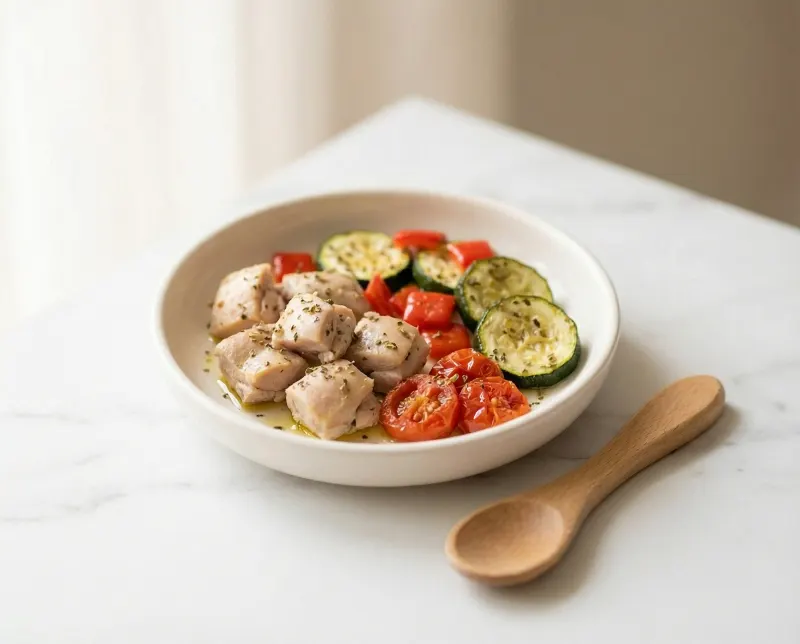
Soft Baked Chicken Thighs with Mediterranean Veg
Succulent, easy-to-chew chicken thighs roasted alongside colorful zucchini and peppers. A nutrient-dense, one-pan meal that provides essential iron and healthy fats for your growing toddler.

Veggie-Packed Mini Frittata Muffins
Colorful, bite-sized egg muffins perfect for little hands. These are loaded with finely chopped spinach and red peppers, offering a protein-rich breakfast or snack that is easy to grab and go.
Frequently asked
Is black pepper too 'spicy' for my baby?
No. Black pepper provides warmth rather than 'heat.' Unlike chili, it doesn't contain capsaicin, so it won't burn the mouth. However, start with a very small amount to let your baby get used to the new sensation.
Why should I pair black pepper with turmeric?
This is a nutritional 'power couple.' The piperine in black pepper increases the absorption of curcumin (the active part of turmeric) by up to 2,000%, making the anti-inflammatory benefits much stronger for your baby.

Track Black Pepper in the Nica app
Log foods, track reactions, and plan meals — all in one place.

