When can babies eat Balsamic Vinegar?
From 6 months
Start with: Smooth liquid blended into purees or thin vegetable coatings

Balsamic vinegar is a rich, sweet-tart condiment traditionally crafted from fermented and aged grape must. While not a primary source of macronutrients, a gentle splash provides concentrated antioxidants and introduces bright acidity and complex flavors to baby meals. Check ingredient labels for added sulphites if your family manages sensitivities, and avoid serving it straight to prevent coughing from the strong acidity.
How to serve Balsamic Vinegar, by age
- 6mo
From 6 months: Smooth liquid blended into purees or thin vegetable coatings
Stir a drop or two into warm vegetable purees, such as roasted butternut squash or red lentil mash, or mix into olive oil over soft steamed veggies.
- 9mo
From 9 months: Light coating on soft, graspable finger foods
Lightly toss soft roasted vegetables like carrot spears, beet wedges, or zucchini strips in a gentle balsamic vinaigrette with extra virgin olive oil.
- 12mo
From 12 months: Light dressing over tender bite-sized table foods
Drizzle lightly over sliced fresh mozzarella and ripe diced tomatoes, or whisk into homemade olive oil dressings for soft chopped pasta and grain salads.
Choking risk & safe preparation
Low choking risk
Balsamic vinegar is a liquid condiment and does not present a physical choking risk. However, strong acid can cause a baby to cough or sputter if swallowed straight. Always dilute it by whisking into dressings, stirring into purees, or drizzling lightly over soft roasted vegetables and meats.
Allergen information
This is one of the common childhood allergens. Introduce it on its own and watch for a reaction before mixing it with new foods.
Contains or relates to these allergens:
- Sulphites
Nutrition & benefits
Although offered in small culinary amounts, balsamic vinegar contains grape-derived polyphenols with antioxidant properties. Its gentle acidity also helps enhance the palatability of nutrient-rich vegetables and supports the absorption of non-heme iron in balanced meals.
- Palate Expansion
- Sensory Exploration
- Antioxidant
Per 100 g
- Energy
- 88kcal
- Protein
- 0.5g
- Iron
- 0.7mg
See all nutrients (12)
Macronutrients
- Energy
- 88 kcal
- Protein
- 0.5 g
- Carbohydrates
- 17 g
Key Minerals
- Iron
- 0.7 mg
- Calcium
- 27 mg
- Zinc
- < 0.1 mg
- Sodium
- 23 mg
- Potassium
- 112 mg
- Magnesium
- 12 mg
- Phosphorus
- 19 mg
- Copper
- < 0.1 mg
- Manganese
- 0.1 mg
Source: USDA FoodData Central
Pairs well with
Recipes with Balsamic Vinegar
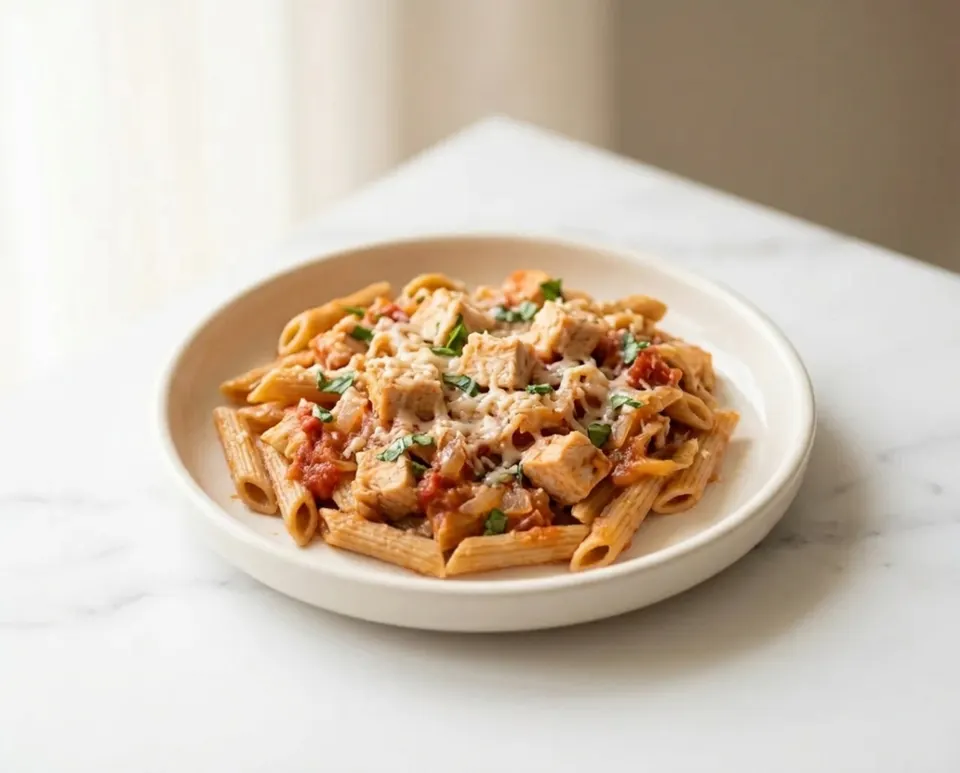
Tender Chicken and Tomato Basil Pasta
A vibrant and wholesome pasta dish that combines lean chicken with a fresh tomato sauce and fragrant basil. This recipe is perfectly textured for toddlers, offering a balanced meal that the whole family can enjoy together.
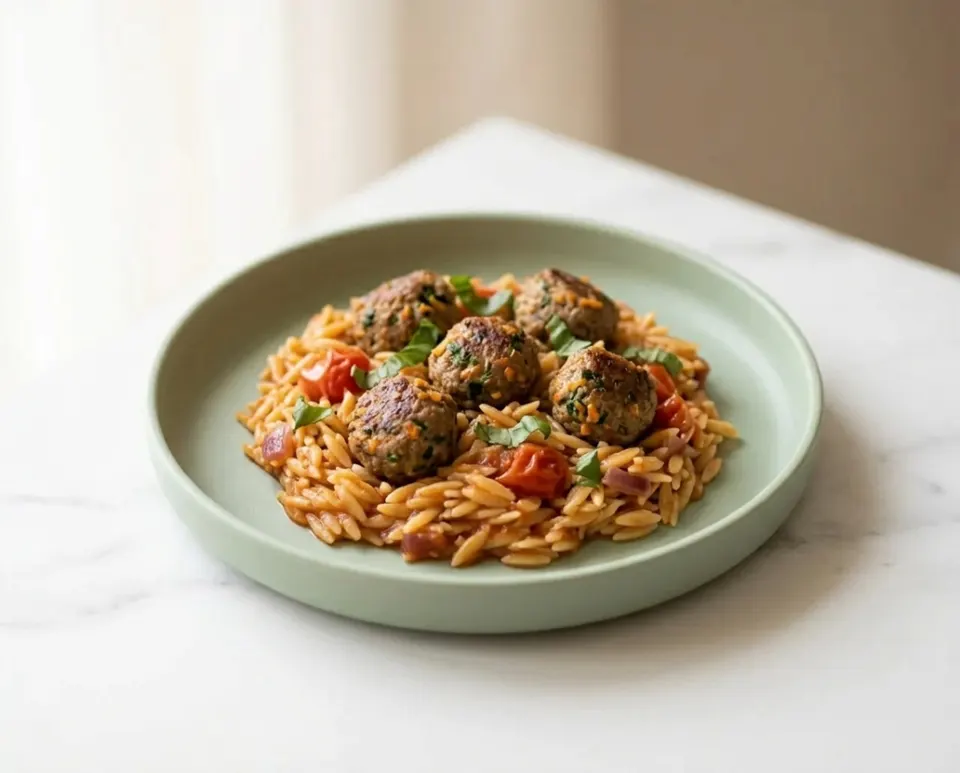
Tomato Orzo with Beef & Veggie Meatballs
A comforting and balanced meal that hides extra vegetables and fruit inside tender, bite-sized meatballs. The orzo pasta absorbs the savory tomato sauce, making it easy for toddlers to scoop up with a spoon.
Frequently asked
Can babies have balsamic vinegar at 6 months?
Yes, babies can safely enjoy balsamic vinegar starting at 6 months when complementary foods are introduced. Because it has a strong, acidic taste, always start with just a few drops mixed into purees, grains, or roasted vegetables rather than offering it plain.
Does balsamic vinegar contain alcohol?
While balsamic vinegar is made from wine vinegar and grape must, the fermentation process converts the alcohol into acetic acid. High-quality commercial vinegars contain negligible or zero residual alcohol, making them entirely safe for infants.
Can the acidity in balsamic vinegar cause diaper rash?
Acidic foods like vinegars, tomatoes, and citrus can occasionally cause harmless redness around the mouth or irritate sensitive bottoms via acidic stool. If your baby is prone to irritation, apply a layer of barrier ointment around the lips and diaper area before mealtime.
What should I look for when buying balsamic vinegar for baby food?
Choose a vinegar with simple, traditional ingredients like cooked grape must and wine vinegar. Check the ingredient panel if your baby is sensitive to sulphites, and try to avoid varieties with added caramel coloring or artificial sweeteners.

Track Balsamic Vinegar in the Nica app
Log foods, track reactions, and plan meals — all in one place.

