When can babies eat Whole Wheat Flour?
From 6 months
Start with: Silky porridge or soft, compressible pancake strips.
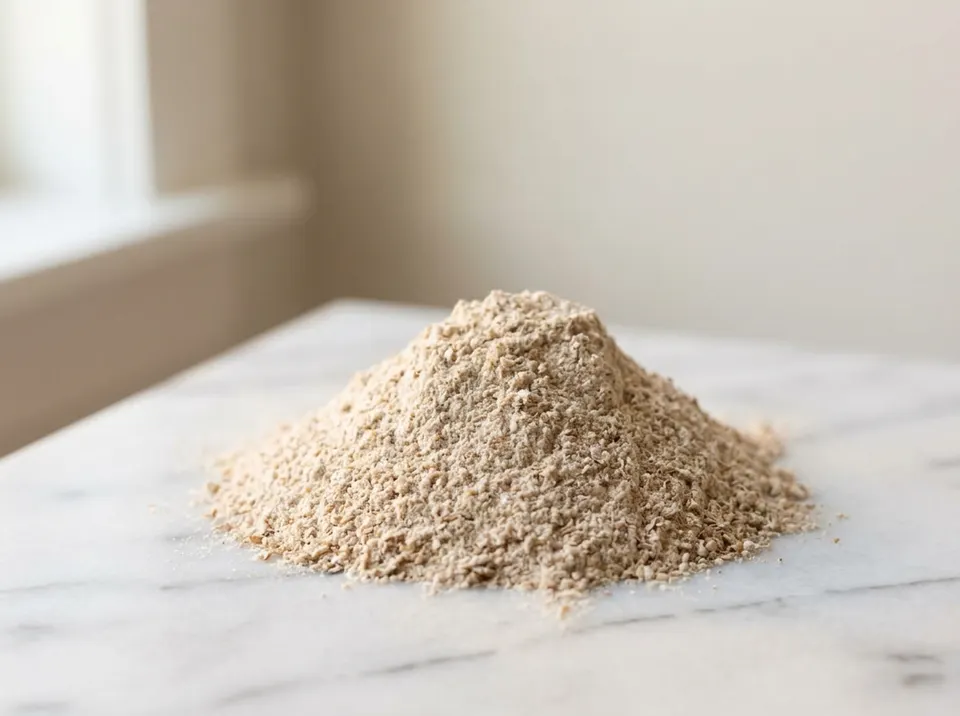
Whole wheat flour is milled from the complete wheat kernel, keeping the nutrient-dense germ and fiber-rich bran intact. It is a fantastic pantry staple for preparing baby-friendly porridges, fluffy pancakes, and homemade breads. Because it is derived from wheat, it contains gluten and is a common allergen that should be introduced carefully. Always ensure any flour-based recipe is cooked thoroughly before serving to your baby.
How to serve Whole Wheat Flour, by age
- 6mo
From 6 months: Silky porridge or soft, compressible pancake strips.
Cook into a smooth, thin whole wheat porridge with breast milk or water, or bake into soft whole wheat pancakes cut into wide, finger-length strips.
- 9mo
From 9 months: Soft, crumbly, and easily mashed with gums.
Serve moist whole wheat mini muffins, soft waffle squares, or thin pancake strips cut into bite-sized squares.
- 12mo
From 12 months: Tender chew and soft baked texture.
Offer lightly toasted whole wheat pita wedges with hummus, soft whole wheat toast strips with thin nut butter, or hearty whole grain pancakes.
Choking risk & safe preparation
Low choking risk
Raw, dry flour poses a hazard if inhaled and must never be eaten uncooked. When prepared into moist baked goods, thin pancakes, or warm porridge, whole wheat flour presents a low choking risk. Avoid serving dense, dry, or doughy breads that can form a gummy ball in a baby's mouth.
Allergen information
This is one of the common childhood allergens. Introduce it on its own and watch for a reaction before mixing it with new foods.
Contains or relates to these allergens:
- Gluten
Nutrition & benefits
Whole wheat flour delivers sustained energy through complex carbohydrates and dietary fiber to keep digestion regular. It is also packed with iron for brain development, magnesium for muscle function, and essential B vitamins like thiamin and folate.
- Digestion-friendly
- Iron Rich
- Energy Booster
- Muscle Growth
Per 100 g
- Energy
- 340kcal
- Protein
- 13.2g
- Fat
- 2.5g
- Fiber
- 10.7g
- Iron
- 3.6mg
See all nutrients (21)
Macronutrients
- Energy
- 340 kcal
- Protein
- 13.2 g
- Carbohydrates
- 72 g
- Fat
- 2.5 g
Key Minerals
- Iron
- 3.6 mg
- Calcium
- 34 mg
- Zinc
- 2.6 mg
- Sodium
- 2 mg
- Potassium
- 363 mg
- Magnesium
- 137 mg
- Phosphorus
- 357 mg
- Selenium
- 61.8 mcg
- Copper
- 0.4 mg
- Manganese
- 4.1 mg
Vitamins
- Vitamin B6
- 0.4 mg
- Vitamin E
- 0.7 mg
- Vitamin K
- 1.9 mcg
- Folate
- 44 mcg
- Thiamin (B1)
- 0.5 mg
- Choline
- 31.2 mg
Other
- Fiber
- 10.7 g
Source: USDA FoodData Central
Pairs well with
Recipes with Whole Wheat Flour
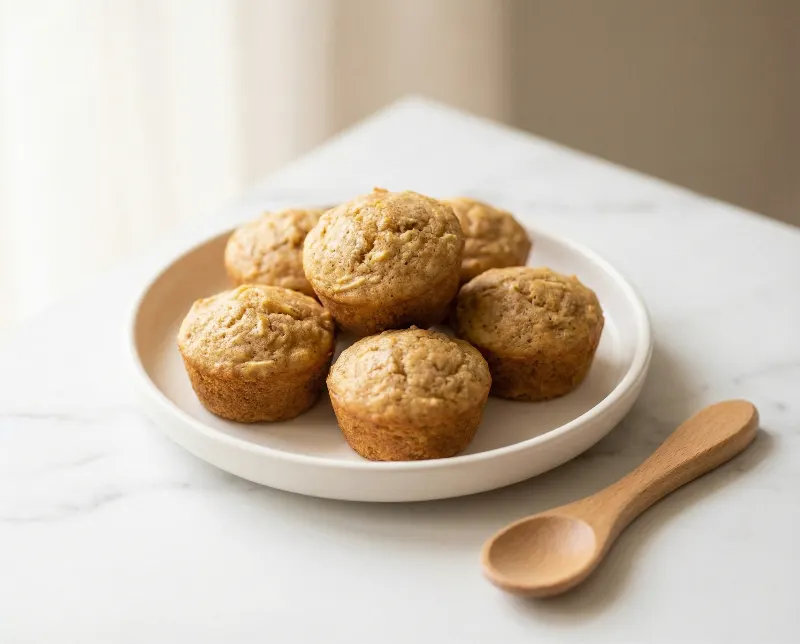
No-Sugar Apple & Cinnamon Muffins
Soft, fluffy muffins naturally sweetened with grated apples and a touch of cinnamon. A fiber-rich snack that is gentle on blood sugar levels and perfect for little hands.
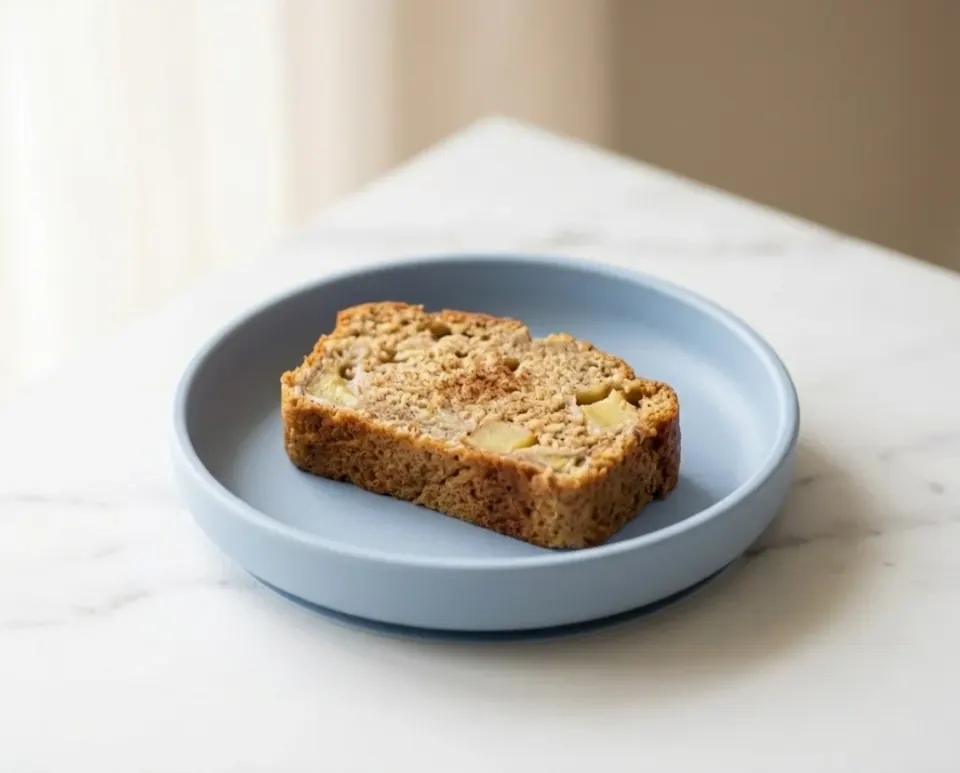
Banana & Apple Loaf
A tender, warmly spiced loaf packed with mashed banana and juicy apple chunks. The Greek yogurt keeps it incredibly moist while whole wheat flour adds wholesome nutrition. Slice it thick for little hands or thin for spreading with nut butter.
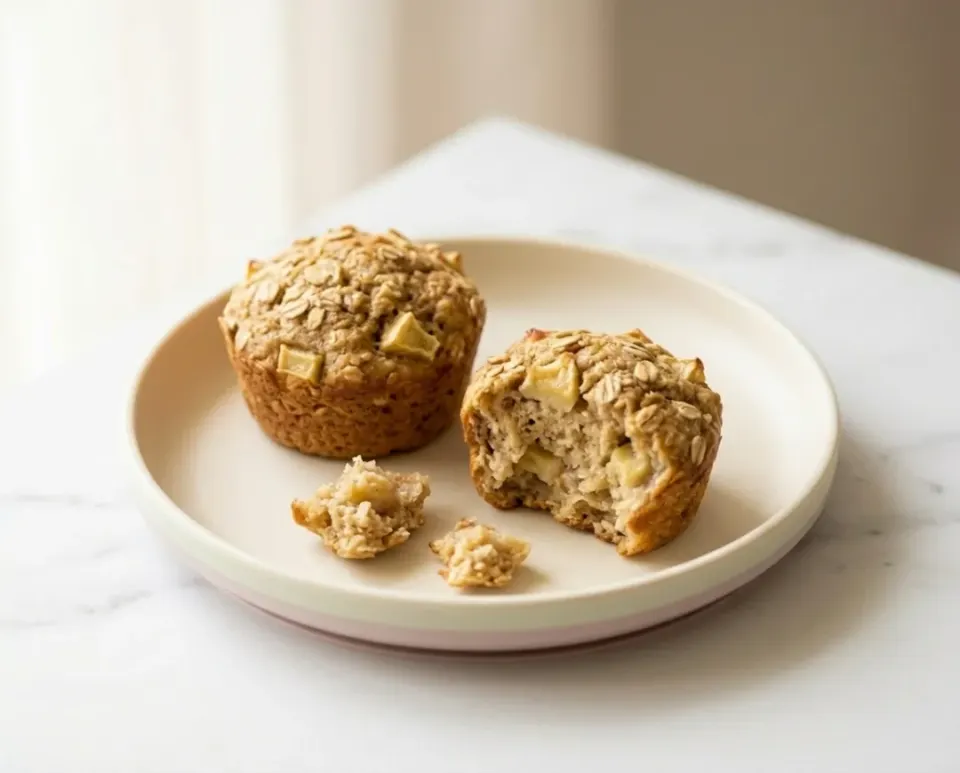
Banana & Apple Oat Muffins
Beautifully moist muffins bursting with natural sweetness from ripe bananas and tender apple pieces. Rolled oats add a gentle chew and extra fiber, making these a nourishing grab-and-go snack that the whole family will enjoy.
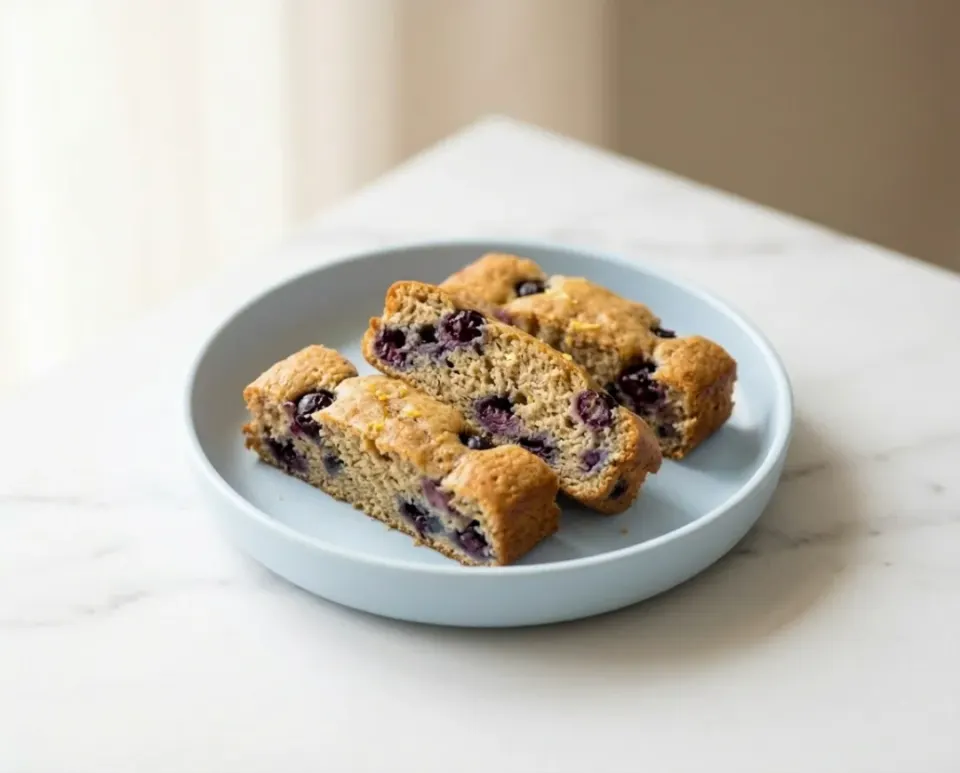
Banana & Blueberry Cake
A light, fruity cake bursting with fresh blueberries and mashed banana, finished with a zesty hint of lemon. Every slice is naturally sweetened and loaded with antioxidants from the berries.
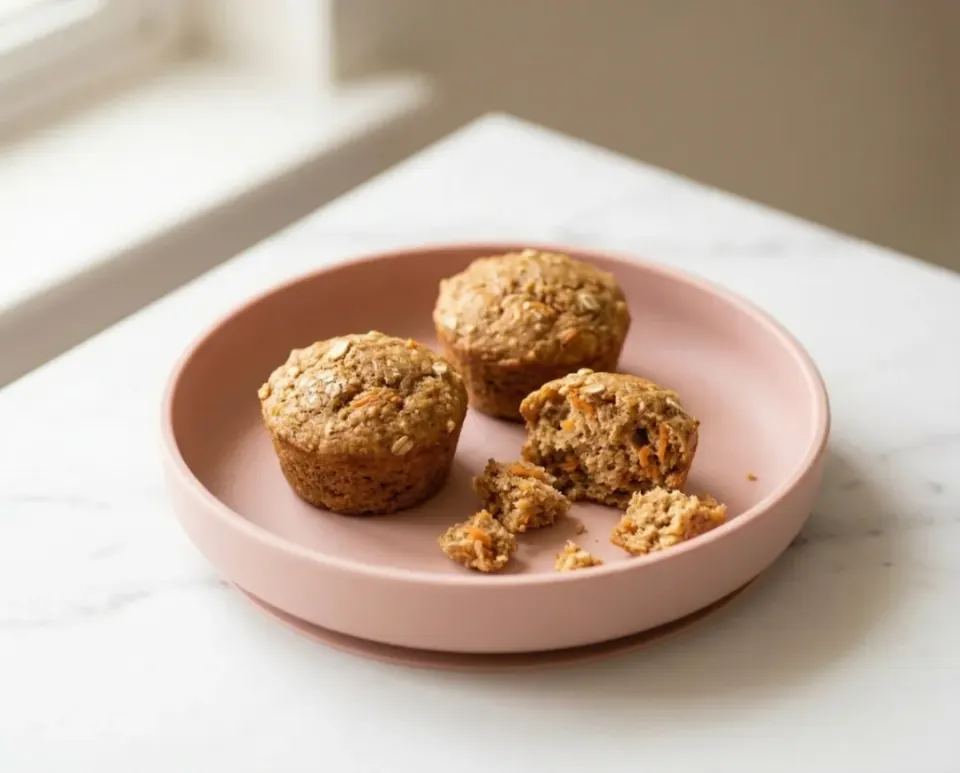
Banana & Carrot Muffins
Naturally sweet muffins combining ripe bananas and freshly grated carrots with warm cinnamon. Packed with fiber from whole-wheat flour and oats, they make a nourishing grab-and-go breakfast or afternoon snack.
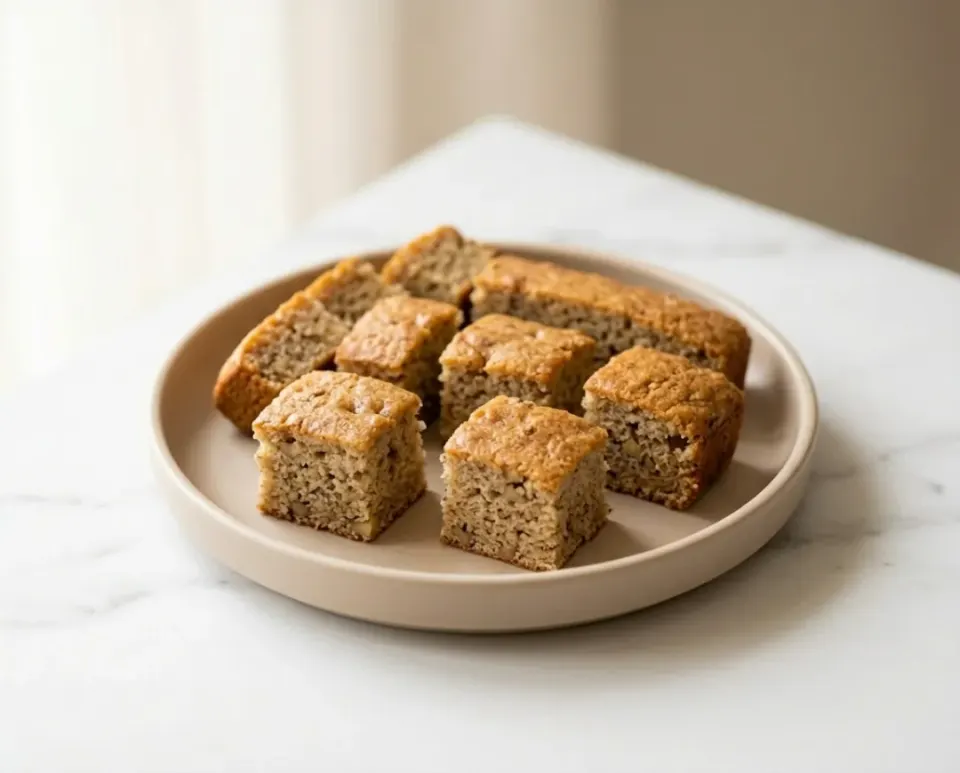
Banana & Walnut Cake
A tender, naturally sweetened cake studded with crunchy walnuts and perfumed with cinnamon. Ripe bananas and Greek yogurt keep every slice moist without needing refined sugar.
Frequently asked
Can babies eat raw whole wheat flour or uncooked dough?
No. Raw flour can carry harmful bacteria like E. coli and Salmonella, and uncooked dough can cause severe digestive discomfort or act as a choking risk. Always bake or cook flour-based recipes completely before serving.
Is whole wheat flour an allergen for babies?
Yes. Whole wheat contains wheat and gluten, which are common food allergens. When introducing it for the first time, offer a small amount in a simple cooked dish and observe your baby for any signs of allergic reaction over the next few days.
How does whole wheat flour compare to refined white flour for infants?
Whole wheat flour includes the germ and bran of the grain, providing significantly higher amounts of dietary fiber, iron, zinc, and B vitamins than refined white flour. This extra fiber promotes healthy gut flora and smooth digestion.
What is the best way to store whole wheat flour?
Because whole wheat flour retains the natural oils found in the wheat germ, it can spoil faster than white flour. Store it in an airtight container in a cool, dark cabinet for up to 3 months, or keep it in the freezer for up to a year to maintain peak freshness.

Track Whole Wheat Flour in the Nica app
Log foods, track reactions, and plan meals — all in one place.

