When can babies eat Sunflower Seed?
From 6 months
Start with: Smooth, thin puree or finely ground powder
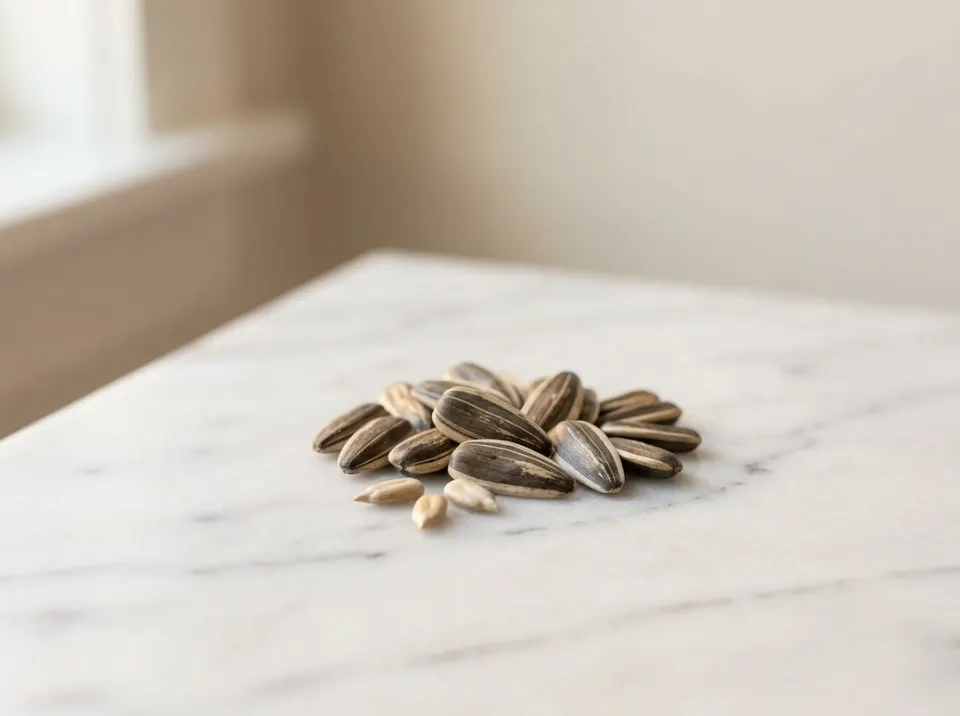
Sunflower seeds are nutrient-dense powerhouses packed with healthy fats, plant-based protein, iron, and vitamin E. While whole seeds and thick clumps of seed butter pose a choking risk for babies, finely grinding the seeds or thinning smooth sunflower seed butter makes them completely safe. They are also a wonderful school-safe and allergy-friendly alternative to peanut and tree nut butters.
How to serve Sunflower Seed, by age
- 6mo
From 6 months: Smooth, thin puree or finely ground powder
Stir a small spoon of smooth sunflower seed butter thinned with breast milk, formula, or plain yogurt into oatmeal, or dust finely ground seed meal over purees.
- 9mo
From 9 months: Thin spread on soft toast or textured powder coating
Dust finely ground sunflower seed meal onto slippery fruit wedges like avocado or banana for grip, or spread smooth seed butter thinly on toasted crustless bread strips.
- 12mo
From 12 months: Thin, spreadable paste or mixed grain texture
Spread smooth sunflower seed butter thinly over soft toast fingers, whole grain crackers, or thin steamed apple slices, or blend into homemade fruit smoothies.
Choking risk & safe preparation
High choking risk
Whole sunflower seeds are small, hard, and smooth, making them a significant choking hazard for babies and young children under age four. Large, thick dollops of sunflower seed butter can also adhere to the palate and block the airway. Always grind seeds into a fine powder or thin smooth seed butter with yogurt, applesauce, breast milk, or water before serving.
Allergen information
Not a common childhood allergen. Reactions are possible with any food, so introduce it on its own first.
Nutrition & benefits
Sunflower seeds are one of nature's richest sources of vitamin E, a potent antioxidant that supports cellular health and skin integrity. They also provide abundant iron for cognitive development, zinc for immune defenses, and healthy unsaturated fats to fuel rapid brain growth.
- Iron Rich
- Healthy Fats
- Brain Food
- Immune Support
- Antioxidant
Per 100 g
- Protein
- 18.9g
- Fat
- 48.4g
- Fiber
- 7.2g
- Iron
- 4.4mg
See all nutrients (13)
Macronutrients
- Protein
- 18.9 g
- Carbohydrates
- 24.5 g
- Fat
- 48.4 g
Key Minerals
- Iron
- 4.4 mg
- Calcium
- 115.6 mg
- Zinc
- 5.6 mg
- Potassium
- 656.8 mg
- Magnesium
- 301.9 mg
- Phosphorus
- 732 mg
- Selenium
- 17.8 mcg
- Copper
- 1.9 mg
- Manganese
- 2.6 mg
Other
- Fiber
- 7.2 g
Source: USDA FoodData Central
Pairs well with
Recipes with Sunflower Seed
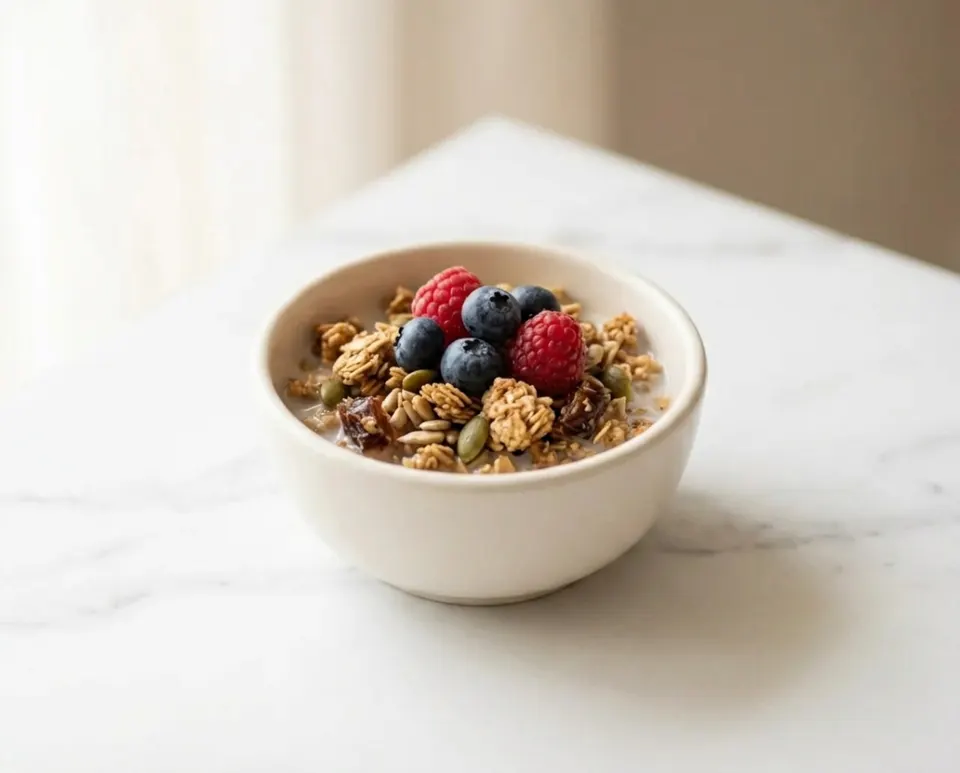
Date & Seed Toasted Granola with Berries
A wholesome, iron-rich breakfast that helps toddlers practice their chewing skills with a satisfying crunch. Naturally sweetened with dates and packed with nutritious seeds, it's a perfect energy-boosting start to the day.
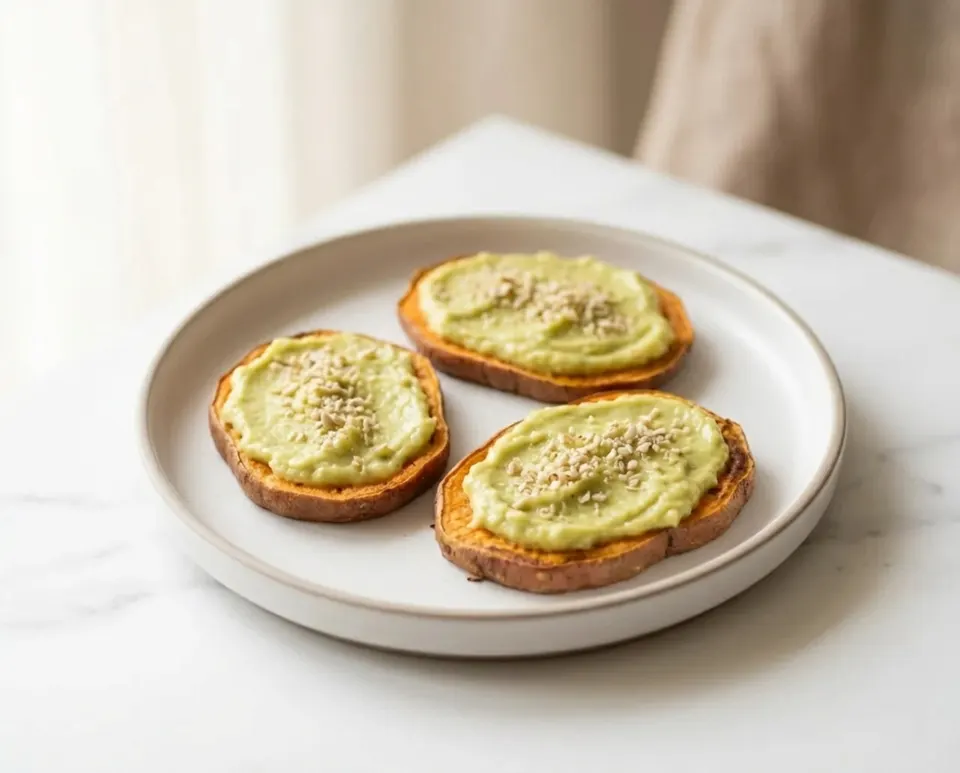
Sweet Potato Toast with Creamy Avocado
A colorful and nutrient-dense alternative to bread that toddlers love to hold. The soft roasted sweet potato provides a naturally sweet base for creamy avocado and a light crunch from finely chopped seeds.
Frequently asked
Are sunflower seeds a common food allergen?
No, sunflower seed allergy is rare, although it is possible. Sunflower seed butter is widely used as a safe, peanut-free and tree nut-free alternative in schools and daycares. When introducing it for the first time, offer a tiny amount and observe your baby for any signs of an allergic reaction.
When can my baby eat whole sunflower seeds?
Whole sunflower seeds should not be offered to babies or toddlers until at least age four. Because they are small, hard, and slippery, whole seeds can easily slip into the airway before being chewed. Stick to smooth, thinned seed butter or finely ground seed powder until your child is older.
How do I choose the best sunflower seed butter for my baby?
Look for 100% pure sunflower seed butter with only one or two ingredients: sunflower seeds and a small amount of oil. Avoid products with added sugars, excess salt, or hydrogenated oils. If the butter separates naturally in the jar, stir it well before scooping.
Can I grind my own sunflower seeds at home?
Yes. Pulse raw or dry-roasted unsalted sunflower seed kernels in a clean coffee grinder, spice grinder, or high-speed food processor until they form a fine, flour-like powder. Store the ground seed meal in an airtight container in the refrigerator to keep the healthy oils fresh.

Track Sunflower Seed in the Nica app
Log foods, track reactions, and plan meals — all in one place.

