When can babies eat Pumpkin Spice?
From 6 months
Start with: Smooth puree or soft porridge with completely blended spice.
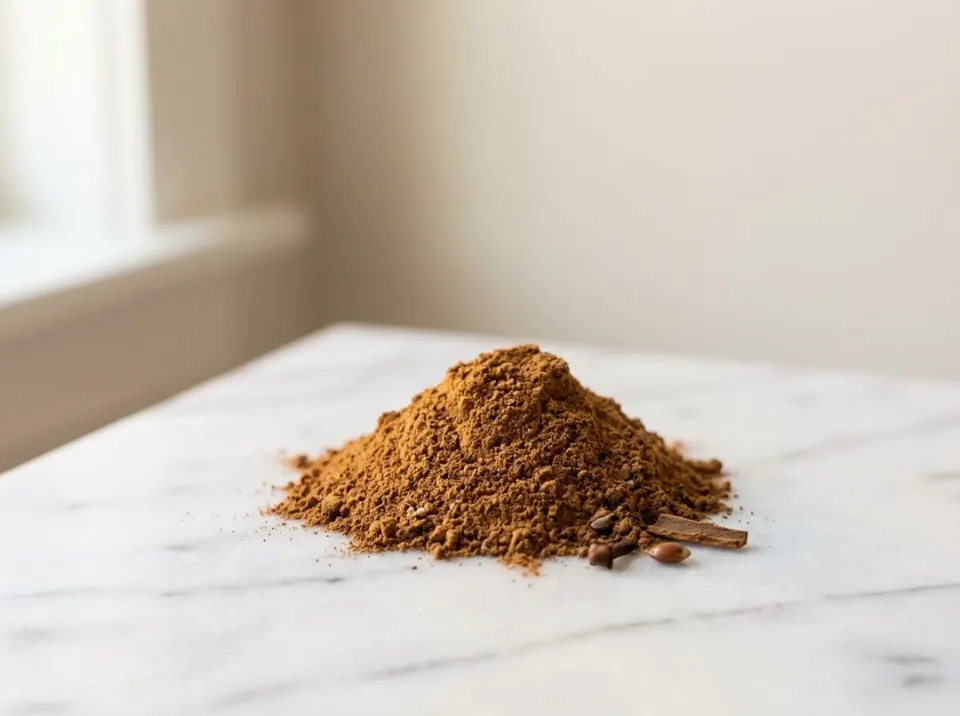
Pumpkin spice is an aromatic blend of warm spices, typically combining cinnamon, ginger, nutmeg, allspice, and cloves. It is a fantastic way to introduce complex aromas and natural warmth to baby meals without any added sugar or salt. While not a common food allergen, warm spices can occasionally cause mild, harmless contact redness on sensitive skin around the mouth. Always stir it thoroughly into food rather than serving dry powder.
How to serve Pumpkin Spice, by age
- 6mo
From 6 months: Smooth puree or soft porridge with completely blended spice.
Stir a tiny pinch (less than 1/8 teaspoon) thoroughly into warm oatmeal, mashed sweet potato, or pumpkin puree.
- 9mo
From 9 months: Thick mash, creamy yogurt, or soft fork-tender finger food.
Mix a light pinch into whole milk Greek yogurt, overnight oats, or use to lightly coat soft roasted apple wedges.
- 12mo
From 12 months: Soft baked goods or hearty porridge with integrated spices.
Incorporate into homemade baby oat pancakes, mini pumpkin muffins, or warm breakfast grain bowls.
Choking risk & safe preparation
Low choking risk
Pumpkin spice itself is a finely ground powder that presents an aspiration risk if inhaled dry. Never offer dry spice powder directly or dust it heavily across food. Always whisk or stir a small pinch evenly into warm cereals, roasted vegetable purees, or baked goods so there are no loose powder clumps.
Allergen information
Not a common childhood allergen. Reactions are possible with any food, so introduce it on its own first.
Nutrition & benefits
Pumpkin spice is packed with protective polyphenols and antioxidants from cinnamon and cloves that help protect developing cells. It also contributes trace minerals like manganese and iron while expanding baby's palate without added salt or refined sugar.
- Palate Expansion
- Antioxidant
- Anti-Inflammatory
- Sensory Exploration
Per 100 g
- Energy
- 342kcal
- Protein
- 5.8g
- Fat
- 12.6g
- Fiber
- 14.8g
- Iron
- 19.7mg
- Vitamin C
- 23.4mg
See all nutrients (23)
Macronutrients
- Energy
- 342 kcal
- Protein
- 5.8 g
- Carbohydrates
- 69.3 g
- Fat
- 12.6 g
Key Minerals
- Iron
- 19.7 mg
- Calcium
- 682 mg
- Zinc
- 2.4 mg
- Sodium
- 52 mg
- Potassium
- 663 mg
- Magnesium
- 136 mg
- Phosphorus
- 118 mg
- Selenium
- 9.3 mcg
- Copper
- 0.5 mg
- Manganese
- 15.8 mg
Vitamins
- Vitamin A
- 13 mcg
- Vitamin C
- 23.4 mg
- Vitamin B6
- 0.4 mg
- Vitamin E
- 1.9 mg
- Vitamin K
- 28.4 mcg
- Folate
- 24 mcg
- Thiamin (B1)
- 0.1 mg
- Choline
- 20.8 mg
Other
- Fiber
- 14.8 g
Source: USDA FoodData Central
Pairs well with
Recipes with Pumpkin Spice
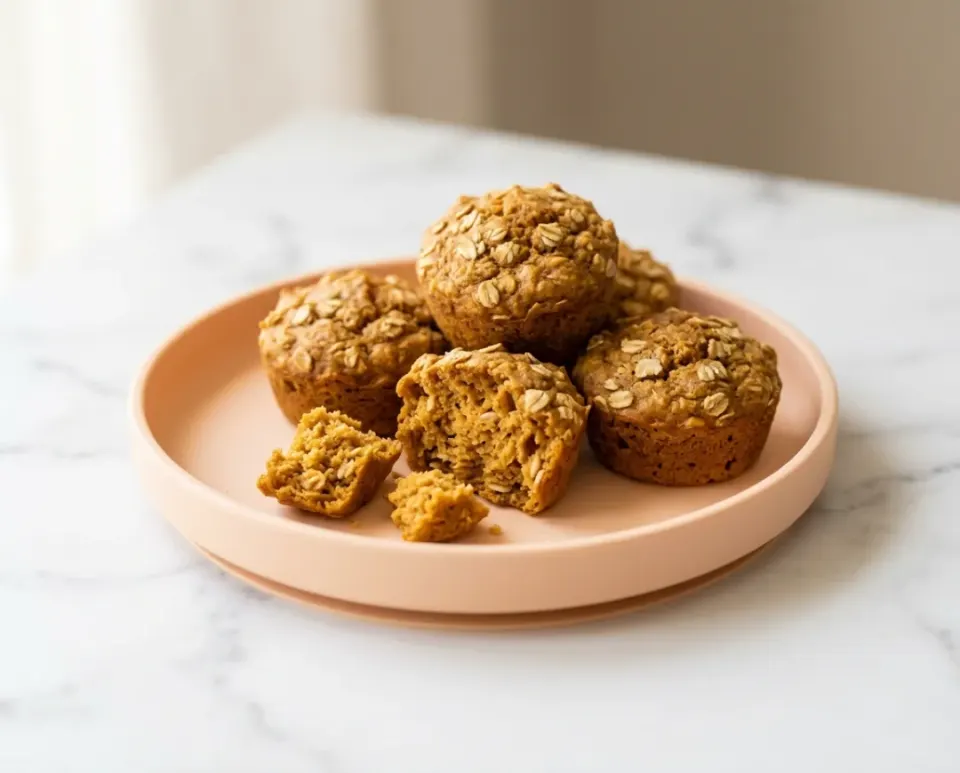
Pumpkin & Oat Muffins
Hearty muffins with a beautifully moist crumb created by soaking rolled oats in pumpkin purée. The oats add satisfying texture and fiber while the warm spice blend makes these irresistible. A nutrient-dense snack that fuels active little ones.
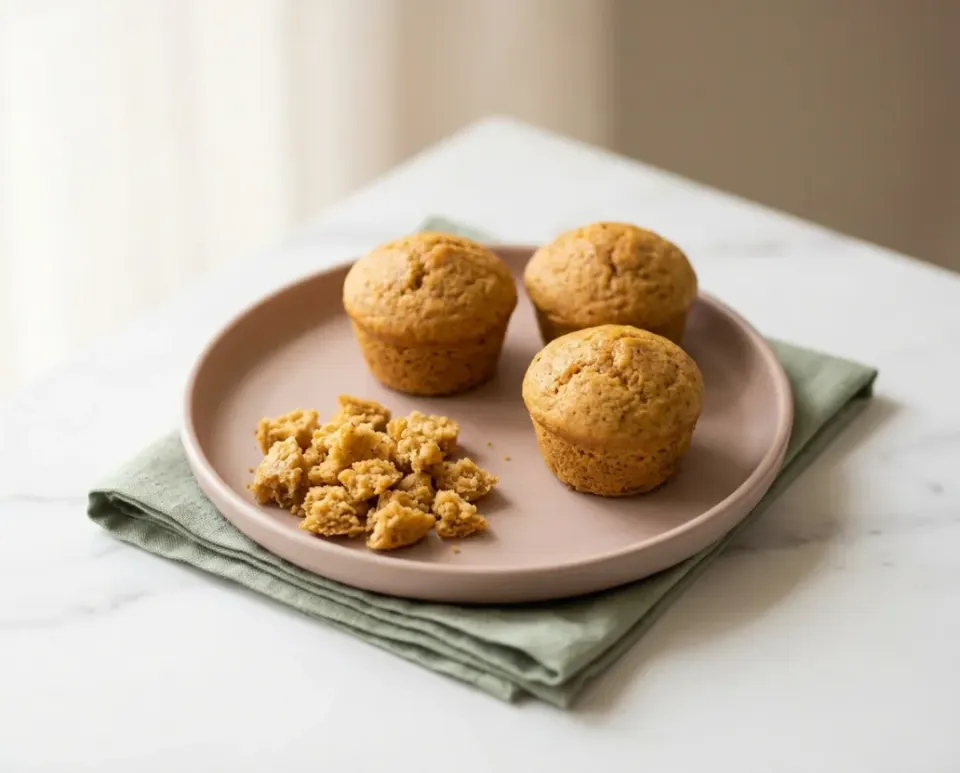
Spiced Pumpkin Muffins
Wonderfully aromatic muffins with a soft, fluffy crumb and rich pumpkin flavour. Warmly spiced with a classic autumn blend and naturally sweetened with maple syrup, these are packed with vitamin A and make a cozy treat for the whole family.
Frequently asked
Can babies eat pumpkin spice?
Yes, babies can safely enjoy pumpkin spice starting at 6 months. It is an excellent way to introduce warmth and depth to foods without adding sugar, honey, or salt. Start with a tiny pinch mixed into soft purees or oatmeal.
Why does my baby have red skin after eating pumpkin spice?
Spices like cinnamon can cause a harmless local skin reaction called contact dermatitis where the food touches sensitive facial skin. This is not an allergic reaction. Applying a thin layer of barrier ointment around baby's mouth before eating can help protect delicate skin.
Does pumpkin spice contain actual pumpkin or sugar?
Pure pumpkin spice is simply a blend of ground spices like cinnamon, ginger, nutmeg, allspice, and cloves. It does not contain pumpkin or added sugar. Always check store-bought spice labels to make sure no salt, sugar, or artificial flavorings are included.
How much pumpkin spice should I add to baby's food?
A tiny pinch is plenty for young babies. Infant palates are delicate, so subtle seasoning goes a long way. As your child grows, you can gradually increase the spice to match your family's preferred flavor intensity.

Track Pumpkin Spice in the Nica app
Log foods, track reactions, and plan meals — all in one place.

