When can babies eat Oat Milk?
From 6 months
Start with: Smooth liquid incorporated into thick purees or warm cereal.
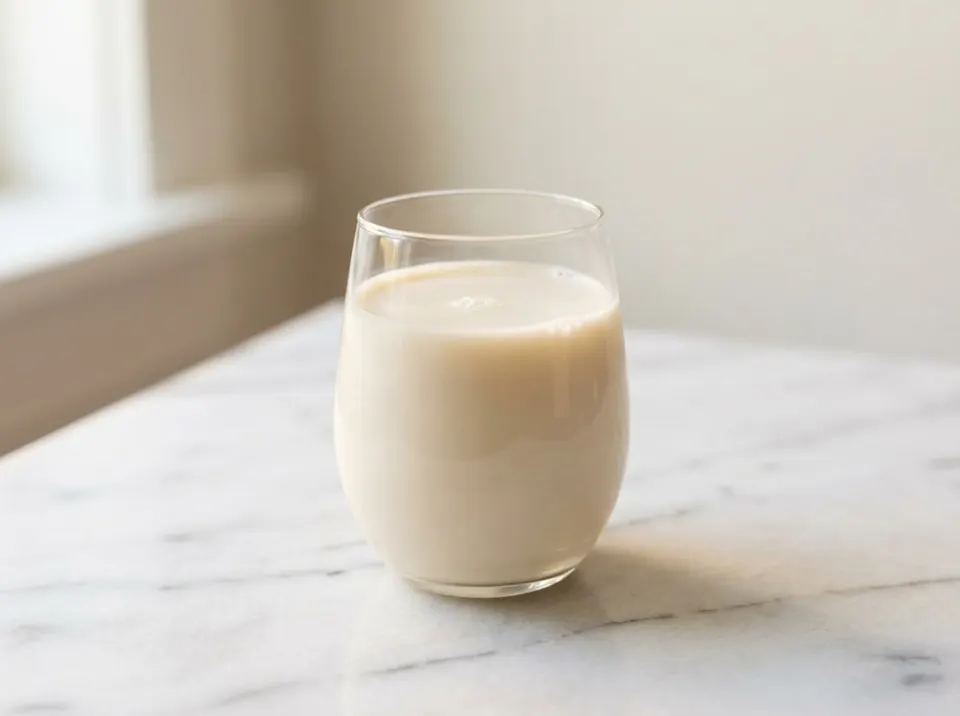
Oat milk is a popular plant-based drink made from blended oats and water, offering a mild and naturally sweet flavor. Before 12 months, it should not replace breast milk or infant formula, but small amounts can be used to cook porridge or baby-friendly pancakes. When introducing oat milk to older toddlers, opt for plain, unsweetened varieties fortified with calcium and vitamin D.
How to serve Oat Milk, by age
- 6mo
From 6 months: Smooth liquid incorporated into thick purees or warm cereal.
Do not offer as a standalone drink. Use small splashes of unsweetened oat milk to cook warm oatmeal, infant cereal, or smooth vegetable purees.
- 9mo
From 9 months: Mixed into soft mashes, porridges, or baked finger foods.
Continue using oat milk primarily in cooking. Stir into mashed fruits, moisten scrambled eggs, or bake into soft, baby-friendly muffins and pancakes without added sugar.
- 12mo
From 12 months: Thin liquid beverage.
Offer small amounts of unsweetened, fortified oat milk in an open cup or straw cup alongside meals, or blend into fruit smoothies.
Choking risk & safe preparation
Low choking risk
As a thin liquid, oat milk poses a low choking risk, though babies can cough or sputter if they drink too quickly from a cup. Always keep your baby seated upright during meals. Before your baby's first birthday, avoid offering oat milk as a standalone bottle beverage to ensure it does not displace nutrient-dense breast milk or formula.
Allergen information
Not a common childhood allergen. Reactions are possible with any food, so introduce it on its own first.
Nutrition & benefits
Fortified oat milk provides calcium and vitamin D to support strong bones and teeth, along with gentle carbohydrates that offer quick energy for active little ones.
- Bone Health
- Energy Booster
- Palate Expansion
Per 100 g
- Energy
- 48kcal
- Protein
- 0.8g
- Fat
- 2.8g
- Fiber
- 0.8g
- Iron
- 0.3mg
See all nutrients (22)
Macronutrients
- Energy
- 48 kcal
- Protein
- 0.8 g
- Carbohydrates
- 5.1 g
- Fat
- 2.8 g
Key Minerals
- Iron
- 0.3 mg
- Calcium
- 148.5 mg
- Zinc
- 0.2 mg
- Sodium
- 42 mg
- Potassium
- 148 mg
- Magnesium
- 5.9 mg
- Phosphorus
- 89.2 mg
- Selenium
- 0.5 mcg
- Copper
- < 0.1 mg
- Manganese
- 0.1 mg
Vitamins
- Vitamin D
- 1.7 mcg
- Vitamin B6
- < 0.1 mg
- Vitamin B12
- 0.5 mcg
- Vitamin E
- 0.1 mg
- Vitamin K
- 0.5 mcg
- Thiamin (B1)
- < 0.1 mg
- Choline
- 8 mg
Other
- Fiber
- 0.8 g
Source: USDA FoodData Central
Pairs well with
Recipes with Oat Milk
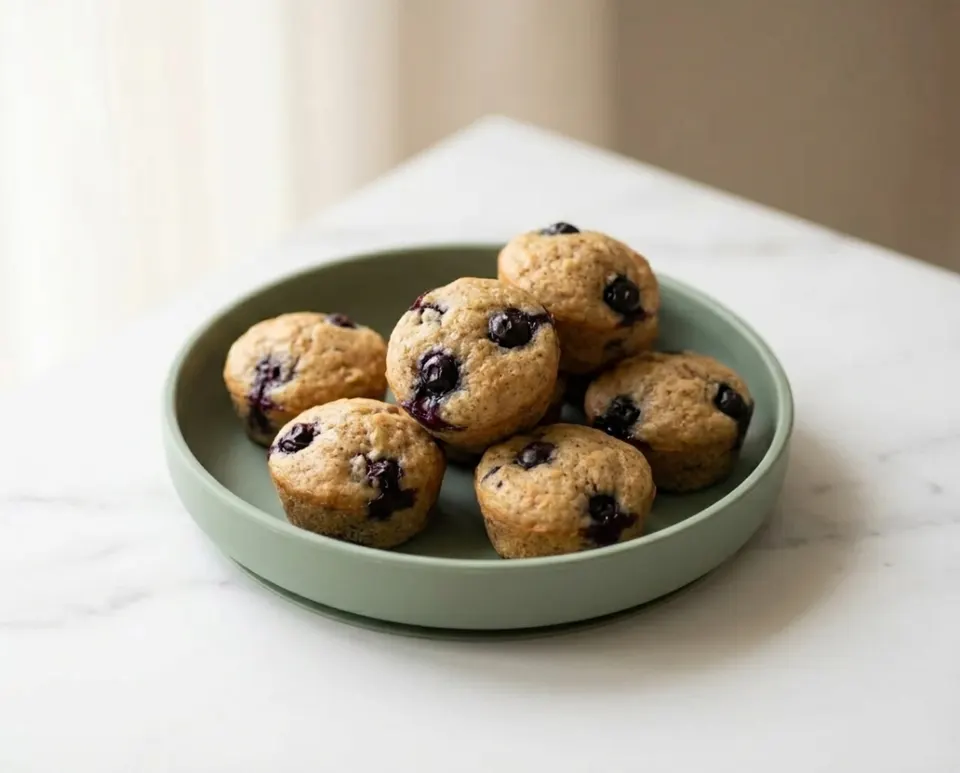
Banana and Blueberry Mini Muffins
These soft, egg-free muffins are naturally sweetened with ripe banana and bursting with juicy blueberries. They are perfectly sized for little hands and make a wonderful grab-and-go snack or breakfast addition.
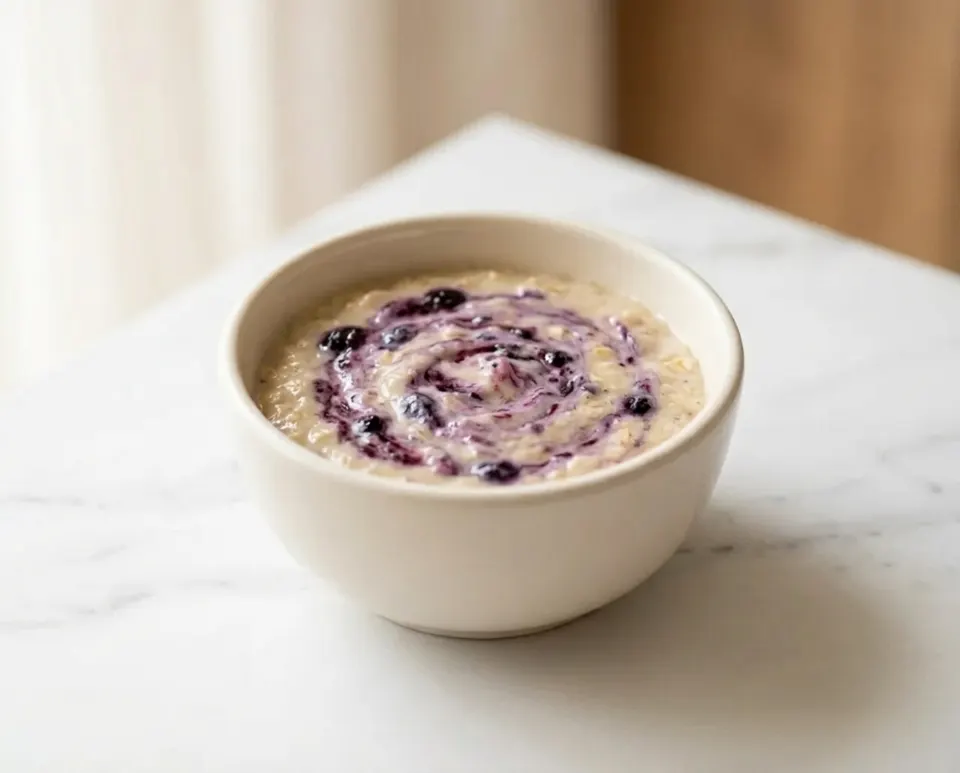
Creamy Banana and Oat Smoothie Bowl
A naturally sweet and filling breakfast bowl that combines the energy of oats with the creaminess of ripe banana. It is topped with a fresh berry swirl that adds a lovely pop of color and antioxidants for your growing toddler.
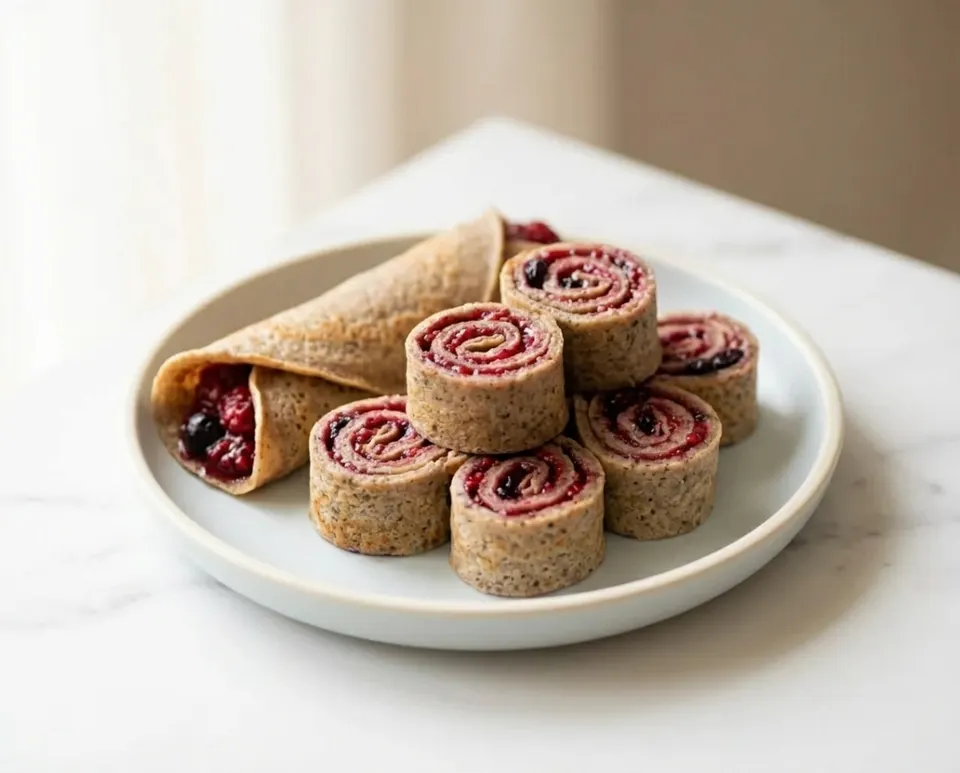
Soft Buckwheat & Chia Crepes with Berry Compote
These tender, egg-free crepes are made with nutrient-dense buckwheat and chia seeds, making them easy for little hands to hold. The homemade fruit compote adds a natural sweetness without any added sugars, perfect for a wholesome toddler breakfast.
Frequently asked
Can oat milk replace breast milk or formula before 12 months?
No. Oat milk lacks the balanced protein, healthy fats, and vital micronutrients that babies need for brain and body growth during the first year. Breast milk or infant formula must remain your baby's primary milk drink until 12 months, though small amounts of oat milk can be used in cooking.
Which oat milk is best for babies and toddlers?
Choose plain, unsweetened oat milk that is fortified with calcium and vitamin D. Check the ingredient label to avoid added sugars, artificial sweeteners, or unnecessary flavoring agents like vanilla and chocolate.
Can oat milk cause an allergic reaction?
Oat allergies are rare, but they can occur. Additionally, oats can be cross-contaminated with gluten during agricultural processing, so choose certified gluten-free oat milk if your child has celiac disease or a diagnosed wheat sensitivity.
Why is oat milk not recommended as the primary milk after 12 months?
While oat milk is safe after age 1, it contains far less protein and fat than whole cow's milk or fortified soy milk. If you choose oat milk due to dairy allergies or family preference, make sure your toddler eats plenty of protein- and fat-rich whole foods like eggs, nut butters, and legumes.

Track Oat Milk in the Nica app
Log foods, track reactions, and plan meals — all in one place.

