When can babies eat Fig?
From 6 months
Start with: Smooth puree or very soft fresh halves.
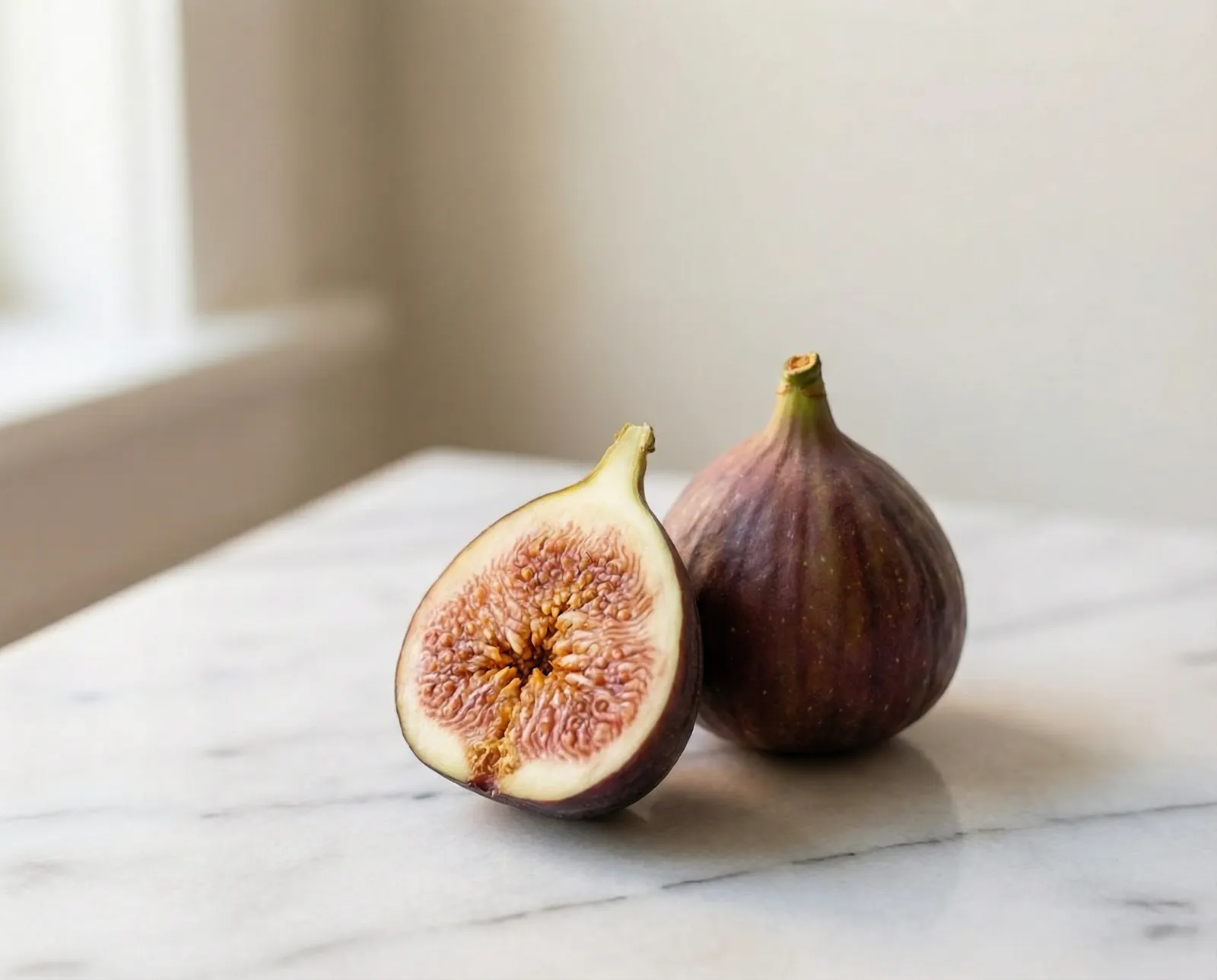
Figs are fiber-rich powerhouses that act as a gentle natural laxative. They are unique for being one of the best plant-based sources of calcium, which is vital for a baby's bone and tooth development. Their soft, jam-like texture and tiny edible seeds make them a wonderful sensory experience for infants.
How to serve Fig, by age
- 6mo
From 6 months: Smooth puree or very soft fresh halves.
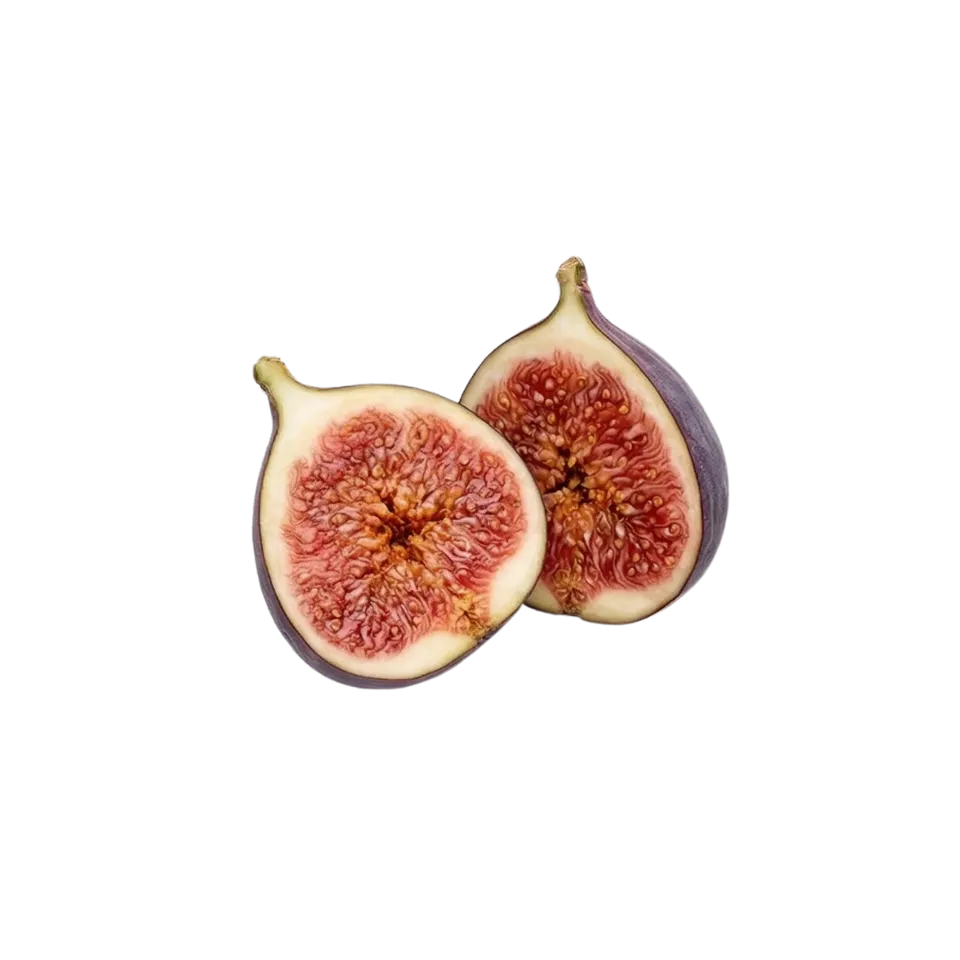
Serve fresh, very ripe figs as a smooth puree. You can steam them slightly to make the skin easier to blend. For BLW, offer a very soft, fresh fig cut in half or quarters lengthwise. Avoid dried figs at this stage as they are too gummy and difficult to swallow.
- 9mo
From 9 months: Small chunks of fresh fig or softened minced dried fig.
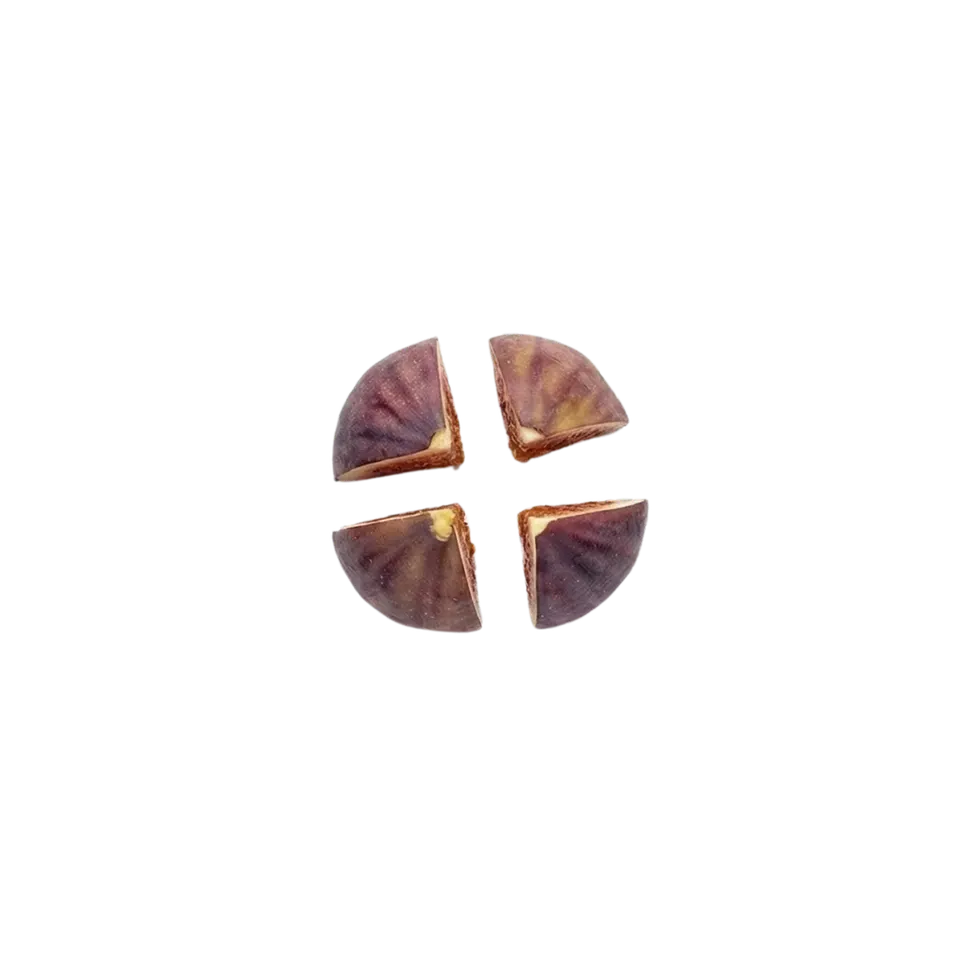
Offer small, bite-sized pieces of soft, fresh fig. If the skin is particularly thick or tough, it is best to peel it. You can also introduce dried figs ONLY if they are soaked in hot water until very soft and then finely minced or pureed.
- 12mo
From 12 months: Bite-sized pieces or thin slices.
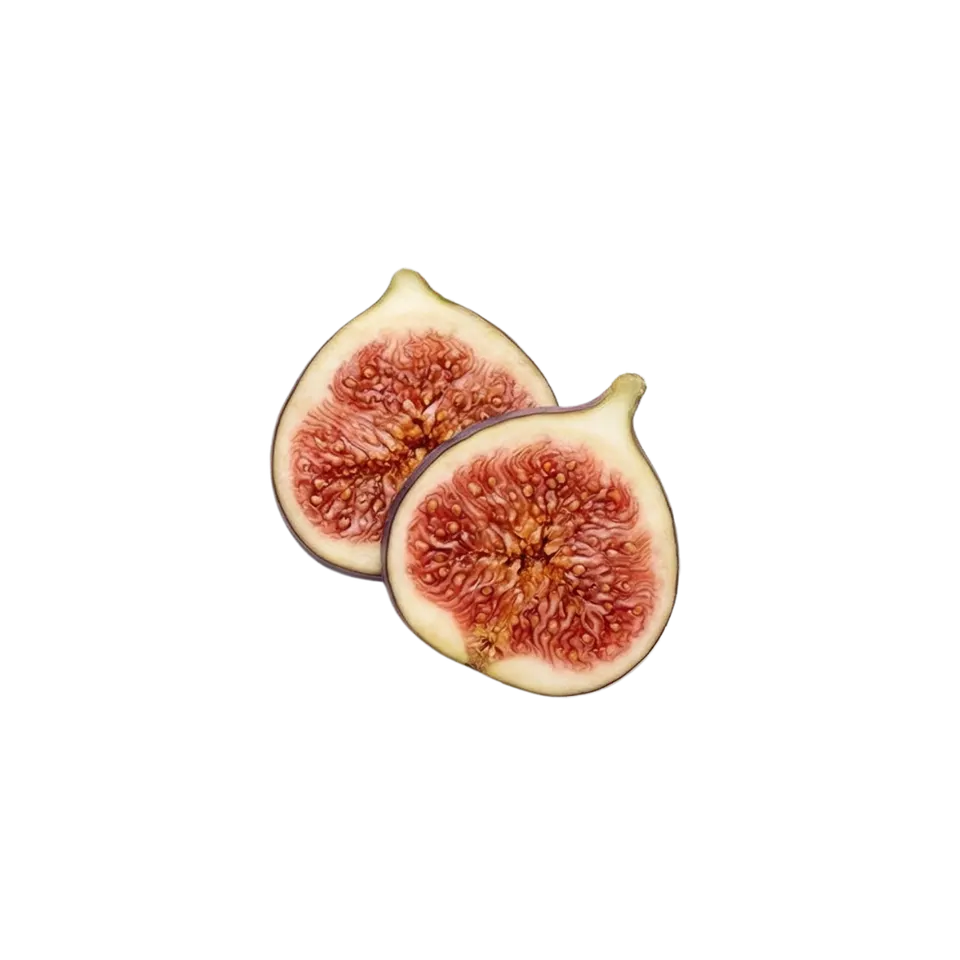
Serve sliced fresh figs or chopped dried figs. Figs are excellent stirred into oatmeal, topped on goat cheese, or mixed with yogurt. At this age, the skin of fresh figs is usually well-tolerated.
Choking risk & safe preparation
Moderate choking risk
Dried figs are a high choking risk due to their chewy, gummy texture and must be softened before serving. Fresh figs should be very soft. Always remove the stem.
Allergen information
Not a common childhood allergen. Reactions are possible with any food, so introduce it on its own first.
Nutrition & benefits
Excellent source of calcium for bone development and dietary fiber to prevent constipation.
- Digestion-friendly
Per 100 g
- Energy
- 74kcal
- Protein
- 0.8g
- Fat
- 0.3g
- Fiber
- 2.9g
- Iron
- 0.4mg
- Vitamin C
- 2mg
See all nutrients (25)
Macronutrients
- Energy
- 74 kcal
- Protein
- 0.8 g
- Carbohydrates
- 19.2 g
- Fat
- 0.3 g
Key Minerals
- Iron
- 0.4 mg
- Calcium
- 35 mg
- Zinc
- 0.1 mg
- Sodium
- 1 mg
- Potassium
- 232 mg
- Magnesium
- 17 mg
- Phosphorus
- 14 mg
- Selenium
- 0.2 mcg
- Copper
- < 0.1 mg
- Manganese
- 0.1 mg
Vitamins
- Vitamin A
- 7 mcg
- Vitamin C
- 2 mg
- Vitamin D
- 0 mcg
- Vitamin B6
- 0.1 mg
- Vitamin B12
- 0 mcg
- Vitamin E
- 0.1 mg
- Vitamin K
- 4.7 mcg
- Folate
- 6 mcg
- Thiamin (B1)
- < 0.1 mg
- Choline
- 4.7 mg
Other
- Fiber
- 2.9 g
Source: USDA FoodData Central
Pairs well with
Recipes with Fig
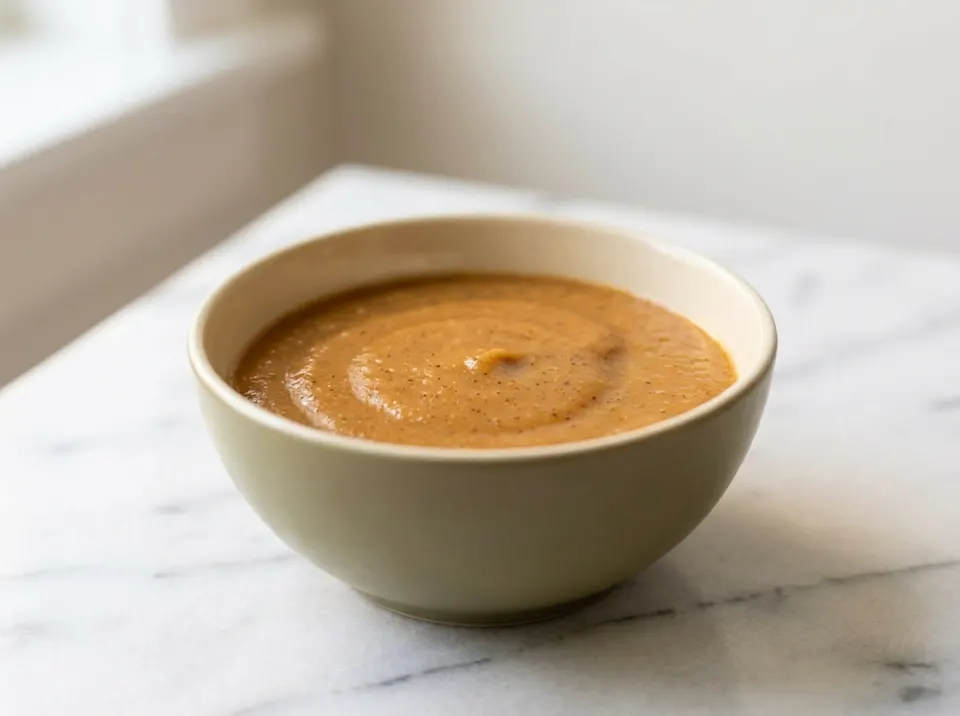
Fig, Orange and Pear Fruity Puree
A naturally sweet puree crafted from tender cooked figs, juicy pear, fresh orange, and ground flaxseed. Smooth and rich in plant-based nutrients and fiber, it is ideal for babies starting solids at 6 months.
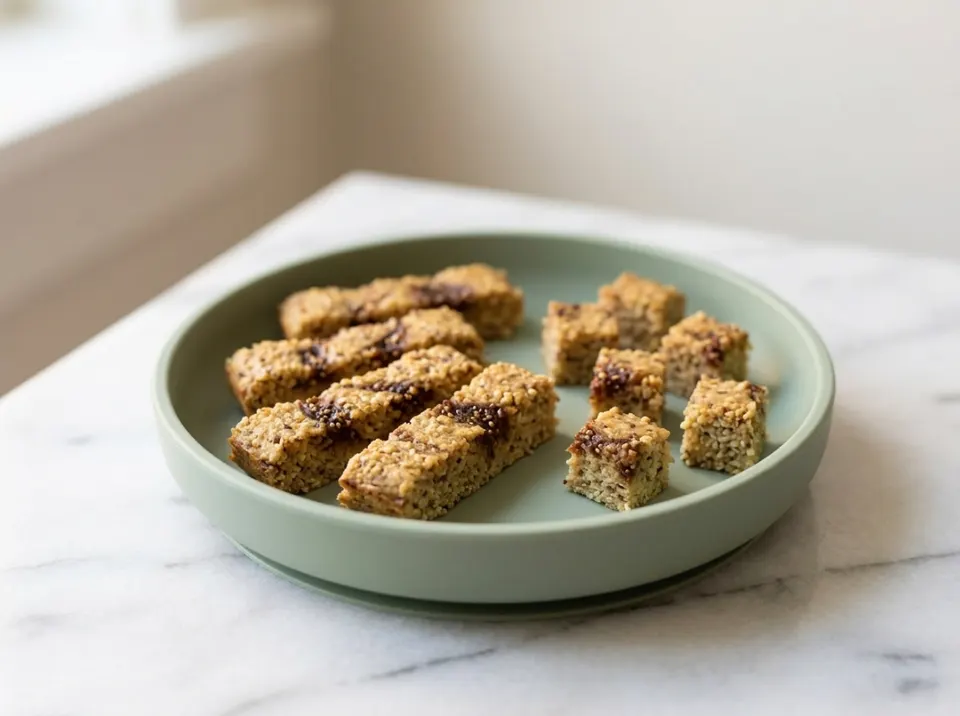
Soft Millet, Fig & Flaxseed Breakfast Bars
These soft, nutrient-packed breakfast bars combine tender cooked millet with naturally sweet fig purée and ground flaxseed. Perfect for babies 9 months and older who are practicing their pincer grasp or exploring finger foods. Gently baked to hold their shape while remaining soft and easy for little ones to chew.
Frequently asked
Are the tiny seeds inside figs safe for my baby?
Yes, the seeds are soft and safe for babies to consume. They provide extra fiber and are usually not a cause for concern.
Can figs cause a diaper rash?
Because figs are high in fiber and can speed up digestion, they may cause more frequent bowel movements, which can sometimes lead to temporary redness in the diaper area.

Track Fig in the Nica app
Log foods, track reactions, and plan meals — all in one place.

