When can babies eat Baking Powder?
From 6 months
Start with: Soft, tender, and easily squished between your thumb and forefinger.
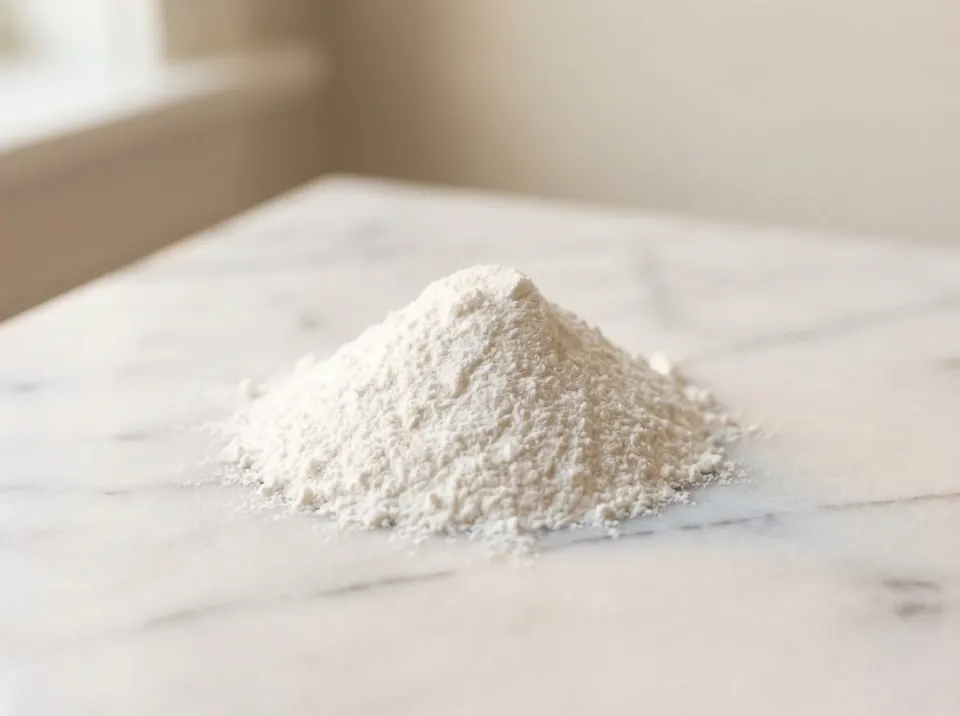
Baking powder is a leavening agent used in baking to help pancakes, muffins, and breads rise into soft, fluffy textures. It is safe for babies when used in normal recipe quantities, though it should never be served raw or alone. Choosing an aluminum-free brand keeps ingredients simple and avoids any bitter aftertaste.
How to serve Baking Powder, by age
- 6mo
From 6 months: Soft, tender, and easily squished between your thumb and forefinger.
Use in baked goods like banana oat pancakes or veggie fritters. Cut cooked pancakes into finger-length strips about the width of two adult fingers so baby can grasp them easily.
- 9mo
From 9 months: Porous, spongy, and easily dissolved or mashed with gums.
Incorporate into homemade baby muffins, pancakes, or soft baked oatmeal. Cut foods into small, bite-sized pieces about the size of a chickpea for self-feeding.
- 12mo
From 12 months: Light, fluffy, and gently crumbly without being dry.
Bake into toddler-friendly waffles, zucchini breads, or mini muffins. Serve whole mini muffins or sliced waffle quarters for self-feeding with hands or a toddler fork.
Choking risk & safe preparation
Low choking risk
Never serve raw baking powder directly to a baby, as inhaling or swallowing dry powder is an aspiration hazard. Always mix and bake it thoroughly into soft finger foods like pancakes, waffles, and muffins that are easy for your baby to chew and swallow.
Allergen information
Not a common childhood allergen. Reactions are possible with any food, so introduce it on its own first.
Nutrition & benefits
While used in very small culinary amounts, baking powder provides concentrated calcium and phosphorus from its leavening salts, which help support developing bones and teeth.
- Bone Health
- Motor Skills
- Sensory Exploration
Per 100 g
- Energy
- 53kcal
- Fiber
- 0.2g
- Iron
- 11mg
See all nutrients (13)
Macronutrients
- Energy
- 53 kcal
- Carbohydrates
- 27.7 g
Key Minerals
- Iron
- 11 mg
- Calcium
- 5876 mg
- Zinc
- < 0.1 mg
- Sodium
- 10600 mg
- Potassium
- 20 mg
- Magnesium
- 27 mg
- Phosphorus
- 2191 mg
- Selenium
- 0.2 mcg
- Copper
- < 0.1 mg
- Manganese
- < 0.1 mg
Other
- Fiber
- 0.2 g
Source: USDA FoodData Central
Pairs well with
Recipes with Baking Powder
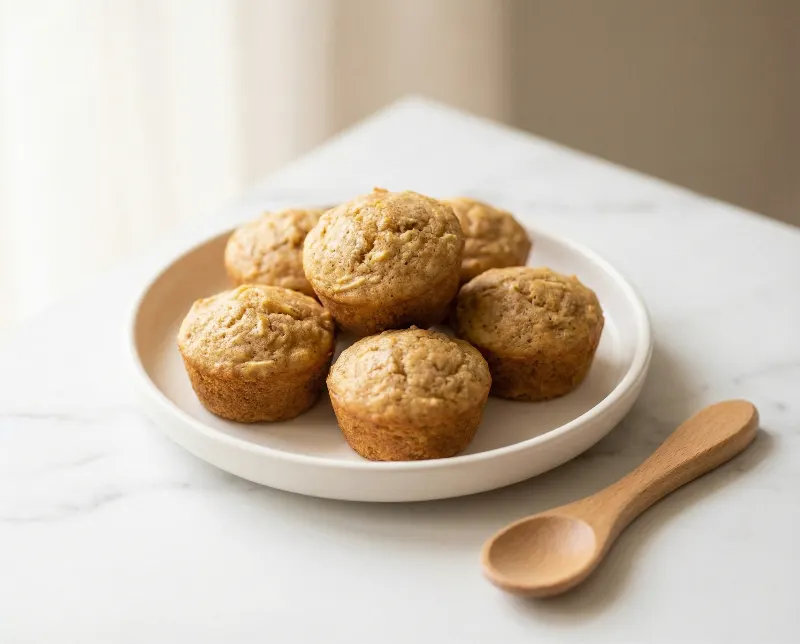
No-Sugar Apple & Cinnamon Muffins
Soft, fluffy muffins naturally sweetened with grated apples and a touch of cinnamon. A fiber-rich snack that is gentle on blood sugar levels and perfect for little hands.
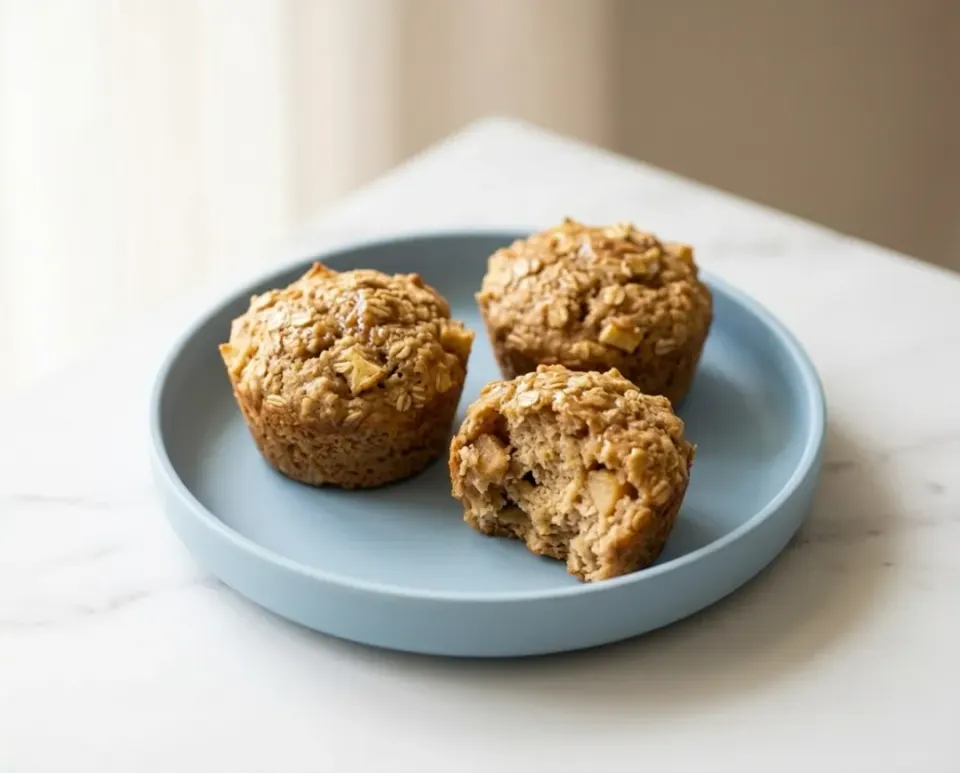
Apple & Oat Breakfast Muffins
Wholesome muffins with a tender oat crumb, studded with juicy apple pieces and scented with warm cinnamon. Naturally sweetened with applesauce and a drizzle of maple syrup, these are fiber-rich and perfect for tiny hands to grab at breakfast or snack time.
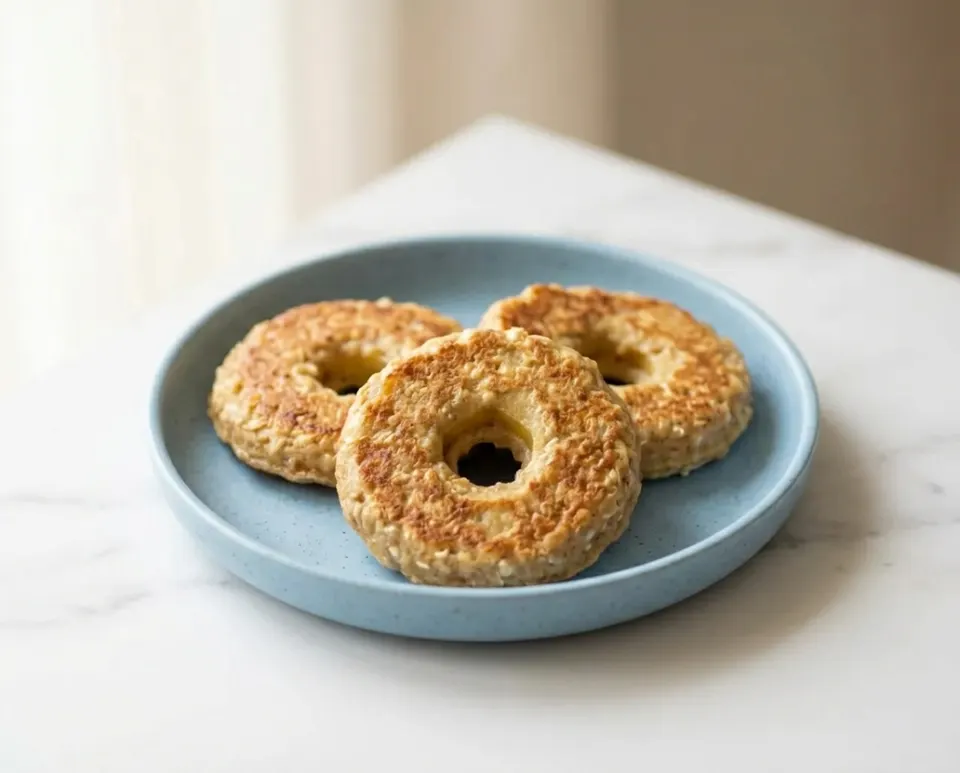
Apple & Oat Breakfast Donut Rings
These soft, fruit-centered rings are a fun and nutritious way to serve apples to your toddler. Coated in a protein-rich batter of oats and cottage cheese, they offer a satisfying texture that is easy for little hands to hold.
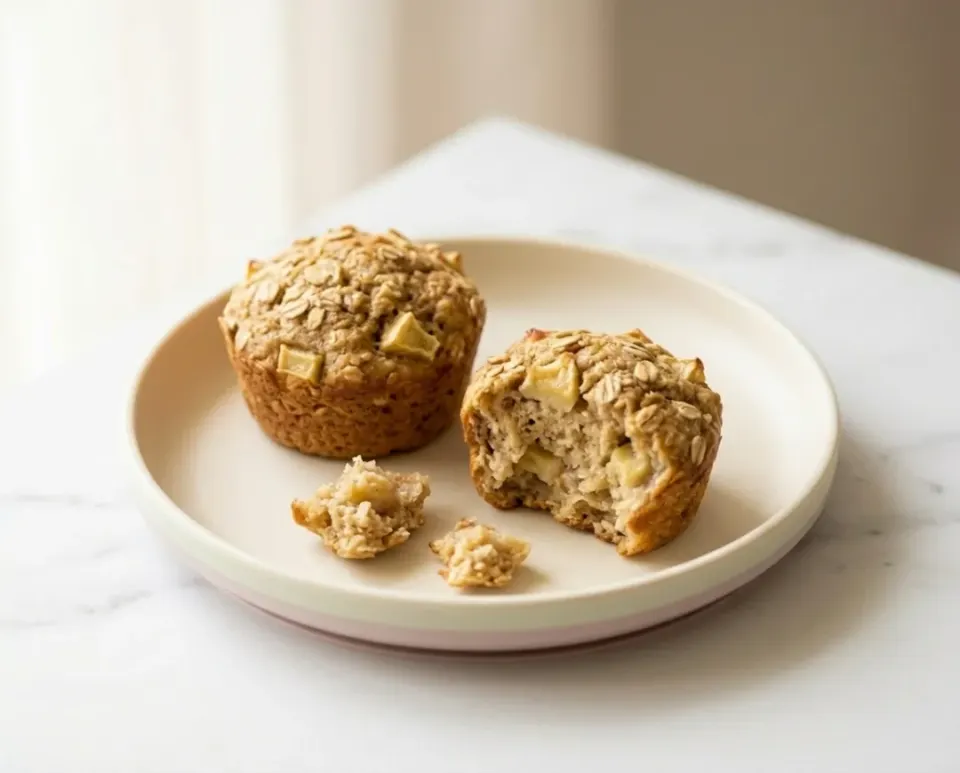
Banana & Apple Oat Muffins
Beautifully moist muffins bursting with natural sweetness from ripe bananas and tender apple pieces. Rolled oats add a gentle chew and extra fiber, making these a nourishing grab-and-go snack that the whole family will enjoy.
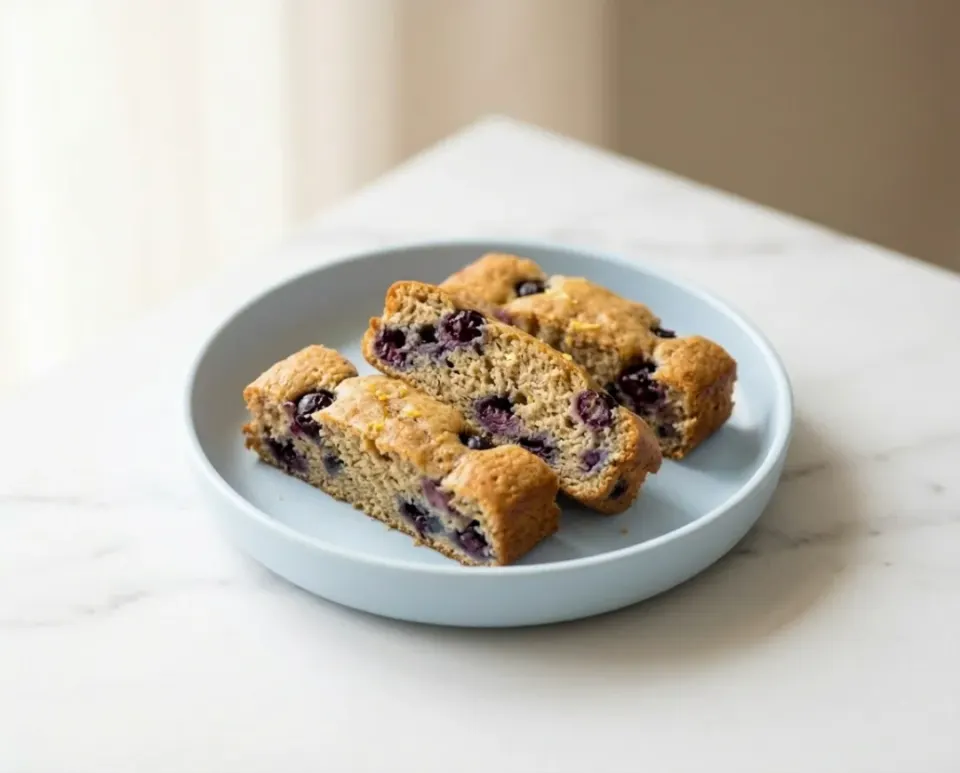
Banana & Blueberry Cake
A light, fruity cake bursting with fresh blueberries and mashed banana, finished with a zesty hint of lemon. Every slice is naturally sweetened and loaded with antioxidants from the berries.
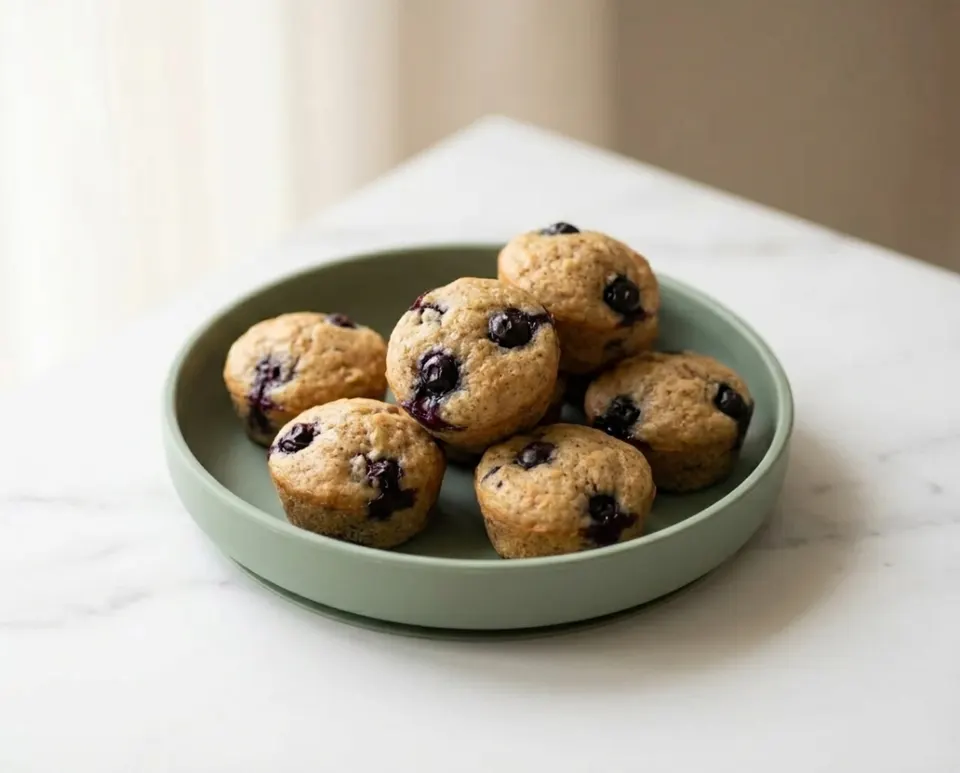
Banana and Blueberry Mini Muffins
These soft, egg-free muffins are naturally sweetened with ripe banana and bursting with juicy blueberries. They are perfectly sized for little hands and make a wonderful grab-and-go snack or breakfast addition.
Frequently asked
Can babies eat foods made with baking powder?
Yes. Foods baked with baking powder, like baby pancakes and muffins, are completely safe once your baby starts solids around 6 months. The amount per individual serving is tiny, posing no digestive or health concerns.
Does baking powder add too much sodium to baby food?
Although baking powder is high in sodium by weight, recipes use only a teaspoon or two across an entire batch. When divided into individual baby portions, the sodium contribution is very small and fits well within daily guidelines.
Why should I choose aluminum-free baking powder?
Many commercial baking powders contain sodium aluminum sulfate to control reaction speed. Choosing aluminum-free baking powder avoids unnecessary metallic additives and prevents a bitter aftertaste in your baby's food.
What is the difference between baking powder and baking soda?
Baking soda is pure sodium bicarbonate and requires an acidic ingredient like yogurt or lemon juice to activate. Baking powder contains both the bicarbonate and an acid, allowing it to work with moisture and heat alone.

Track Baking Powder in the Nica app
Log foods, track reactions, and plan meals — all in one place.

